
Opening a bank account is a foundational step in managing personal finances effectively. For many, Chase Bank, as one of the largest and most recognizable financial institutions in the United States, is a top choice due to its extensive network, diverse product offerings, and robust digital platforms. However, the process isn’t as simple as walking in and asking for an account. Banks, by law and by necessity, require specific documentation and information to verify identities, comply with regulations, and protect both the institution and its customers from fraud. Understanding these requirements beforehand can significantly streamline your application process and ensure a smooth transition into banking with Chase.

This guide will demystify the necessities for opening a bank account at Chase, covering everything from essential identification to initial funding and navigating the application process. Our focus will be squarely on the practical, financial steps involved, ensuring you are well-prepared to establish your financial foothold with confidence.
The Foundation: Why Banks Require Specific Documentation
Before diving into the specifics, it’s crucial to understand the rationale behind the documentation requirements. These aren’t arbitrary hurdles; they serve critical functions in the financial ecosystem.
Regulatory Compliance and Consumer Protection (KYC & AML)
The financial industry operates under strict regulations designed to maintain stability, prevent illicit activities, and protect consumers. Two key regulatory frameworks underpin bank account opening requirements: Know Your Customer (KYC) and Anti-Money Laundering (AML) laws.
KYC regulations mandate that financial institutions verify the identity of their clients. This involves collecting and reviewing personal information to establish a clear understanding of who you are. The goal is to prevent identity theft, fraud, and the financing of illegal activities. By meticulously verifying your identity, Chase can ensure that the person opening the account is truly who they claim to be, thereby safeguarding your future financial transactions.
AML laws, on the other hand, are designed to detect and prevent the laundering of money obtained through criminal activities. By collecting comprehensive personal and financial data, banks can monitor transactions for suspicious patterns that might indicate money laundering or terrorist financing. This diligent approach helps maintain the integrity of the financial system and contributes to national and international security efforts. For you, the customer, this means that while the documentation might seem extensive, it ultimately contributes to a safer and more secure banking environment.
Securing Your Financial Future and Identity
Beyond regulatory mandates, the documentation process is also about protecting your individual financial interests and identity. When you open an account, you’re entrusting a significant portion of your financial life to the bank. By verifying your identity thoroughly, Chase can prevent unauthorized individuals from opening accounts in your name, accessing your funds, or committing fraud that could severely impact your credit and financial well-being. This proactive stance helps to build a secure perimeter around your assets, ensuring that your money remains yours and your financial identity is protected.
Chase’s Commitment to Trust
For a financial giant like Chase, trust is paramount. Their extensive requirements reflect a commitment to maintaining that trust with millions of customers. A secure and compliant onboarding process is the first step in building a long-term relationship where you can feel confident that your assets are protected and your financial needs are met responsibly. By adhering to these standards, Chase reinforces its reputation as a reliable and secure financial partner.
Essential Documents for Identification and Verification
With the “why” established, let’s explore the “what.” You will need to present specific documents to Chase, whether you apply online or in person. These fall into several categories, each serving a distinct verification purpose.
Primary Photo Identification: The Cornerstone of Your Application
This is perhaps the most critical piece of identification you’ll provide. It must be a government-issued document that includes your photo and typically your signature. The primary purpose is to visually confirm your identity.
-
Valid Driver’s License or State-Issued ID: This is the most common form of identification used. It must be current and not expired.
-
U.S. Passport or Passport Card: An internationally recognized form of identification that is highly secure.
-
U.S. Military ID: For service members and veterans, this is an acceptable form of primary ID.
-
Foreign Passport with a valid U.S. Visa (for non-U.S. citizens): If you are not a U.S. citizen, your foreign passport combined with proof of legal residency in the U.S. (like a valid visa, green card, or employment authorization document) will be required.
The document must be legible, untampered, and clearly display your name, date of birth, and photo.
Proof of Residential Address: Confirming Your Locale
Banks need to confirm your physical residence for several reasons, including sending official correspondence, complying with geographic banking restrictions, and further validating your identity. Your primary photo ID might include your address, but sometimes additional proof is needed, especially if your ID address is outdated or you’re applying from a new residence.
-
Utility Bill: A recent utility bill (e.g., electricity, gas, water, internet) in your name, typically within the last 60 days, showing your current address.
-
Lease Agreement or Mortgage Statement: A current lease agreement or a recent mortgage statement can serve as proof of residency.
-
Bank Statement or Credit Card Statement: A statement from another financial institution, mailed to your current address, can also be used.
-
Government-Issued Mail: Official correspondence from a government agency (e.g., IRS, DMV) sent to your address.
-
Valid Vehicle Registration or Insurance Card: These documents, if they display your current address, may also be accepted.
It’s important that the name on the proof of address matches the name on your primary identification. For individuals who recently moved or who may not have these documents in their name (e.g., young adults living with parents), Chase may have alternative solutions or require a co-signer in some cases. Always best to discuss specifics with a Chase representative if your situation is unique.
Social Security Number (SSN) or Individual Taxpayer Identification Number (ITIN): For Tax and Reporting Purposes
Your SSN or ITIN is crucial for tax reporting purposes. The bank is required to report interest earned on your accounts to the Internal Revenue Service (IRS).
-
Social Security Number (SSN): If you are a U.S. citizen or permanent resident, your SSN is mandatory. You will likely need to provide your Social Security card or remember the number accurately.
-
Individual Taxpayer Identification Number (ITIN): For resident or non-resident aliens who are required to have a U.S. taxpayer identification number but do not have an SSN, an ITIN is necessary. This number is issued by the IRS.

Without a valid SSN or ITIN, opening a standard bank account in the U.S. is generally not possible, as it’s a fundamental requirement for financial reporting and compliance.
Financial Prerequisites and Account Selection
Beyond identification, there are financial considerations and choices to make when opening your Chase account.
Understanding Initial Deposit Requirements
Most bank accounts, especially checking and savings accounts, require an initial deposit to activate the account. This amount can vary significantly depending on the type of account you choose.
-
Checking Accounts: Chase offers various checking accounts (e.g., Chase Total Checking, Chase Sapphire Banking, Chase Premier Plus Checking), each with different features and minimum initial deposit requirements, often ranging from $0 to $100 or more. Some accounts might waive the initial deposit for specific promotions or circumstances.
-
Savings Accounts: Similar to checking accounts, Chase savings accounts (e.g., Chase Savings, Chase Premier Savings) also have initial deposit requirements, which might be similar to checking accounts or slightly higher depending on the product.
It’s vital to check Chase’s current offerings and their specific minimum deposit requirements on their website or by speaking with a banker before you apply. These figures can change, and understanding them will help you prepare the necessary funds.
Funding Your New Account: Options and Best Practices
Once you know the minimum deposit, you’ll need to know how to provide it. Chase offers several convenient ways to fund your new account:
-
Cash: If applying in-branch, you can simply hand over the cash to the banker.
-
Check: You can deposit a personal check, cashier’s check, or money order payable to you or “Cash.”
-
Debit Card: You might be able to fund your account directly from another bank account using your debit card during an online or in-branch application.
-
Bank Transfer: You can initiate an electronic transfer (ACH or wire transfer) from an existing bank account.
-
Direct Deposit: While not typically for the initial deposit, setting up direct deposit from your employer is a common way to meet monthly activity requirements and avoid fees after the account is opened.
Ensure the funds are readily available and that you understand any potential holds on funds, especially for large check deposits.
Choosing the Right Chase Account: Tailoring to Your Needs
Chase offers a broad spectrum of accounts, and selecting the right one is a crucial financial decision. Your choice should align with your financial habits, goals, and current needs.
-
Checking Accounts: Everyday Transactions: These accounts are designed for daily spending, bill payments, and receiving income. Consider factors like monthly service fees (and how to waive them), ATM access, debit card features, and online/mobile banking capabilities. For instance, Chase Total Checking is a popular entry-level option, while Chase Sapphire Banking caters to those with higher balances and offers premium benefits.
-
Savings Accounts: Building Your Financial Future: These accounts are for setting aside money for future goals, emergencies, or large purchases. Look at interest rates (though often modest for basic savings), monthly fees, and withdrawal limits. Chase Savings is a standard option, while other specialized savings products might offer tiered interest rates for higher balances.
-
Specialized Accounts: Student, Senior, or Business Options: Chase also provides tailored solutions. Student Checking accounts often have lower fees or easier waiver requirements for young adults. Accounts for seniors might offer specific benefits. For entrepreneurs, Chase Business Banking offers a suite of services designed for business operations, requiring different documentation (e.g., business license, EIN) distinct from personal accounts.
Carefully review the features, fees, and requirements of each account type to ensure it’s the best fit for your financial lifestyle. Don’t hesitate to consult with a Chase banker to discuss your specific situation and get personalized recommendations.
The Chase Account Opening Process: Online vs. In-Branch
Once you have your documents and financial strategy in place, you’re ready to apply. Chase provides two primary avenues for opening an account.
Streamlined Online Application: Digital Convenience
For many, the online application is the quickest and most convenient method.
-
Accessibility: You can apply from anywhere with an internet connection, often 24/7.
-
Process: You’ll typically navigate through a secure online portal, inputting your personal information, uploading digital copies of your documents, and linking an external account for the initial deposit or making a transfer.
-
Security: Chase employs robust encryption and security measures to protect your data during the online application.
-
Speed: If all information is readily available and verifiable, you can often get an instant approval and access to your account details shortly thereafter, with your debit card mailed to you within a few business days.
Before starting an online application, ensure you have clear digital copies or photos of all required documents and access to the necessary funds for your initial deposit.
Personalized In-Branch Experience: Expert Guidance
Visiting a Chase branch offers a more personalized experience, which can be particularly beneficial if you have complex questions, require assistance with documentation, or prefer face-to-face interaction.
-
Assistance: A personal banker can guide you through each step of the application, explain different account options, and help you choose the best fit.
-
Document Verification: You’ll present your physical documents for verification, potentially avoiding the need for digital uploads.
-
Immediate Access: In many cases, you can receive a temporary debit card on the spot, allowing you immediate access to your funds and transaction capabilities.
-
Relationship Building: An in-branch visit allows you to establish a relationship with a local branch and its staff, which can be valuable for future banking needs.
While the in-branch process might take a little longer due to wait times or discussions, it offers a level of personalized service that some customers prefer.
What to Expect Post-Application: Activation and Management
Once your application is submitted and approved, regardless of the method, there are a few final steps:
-
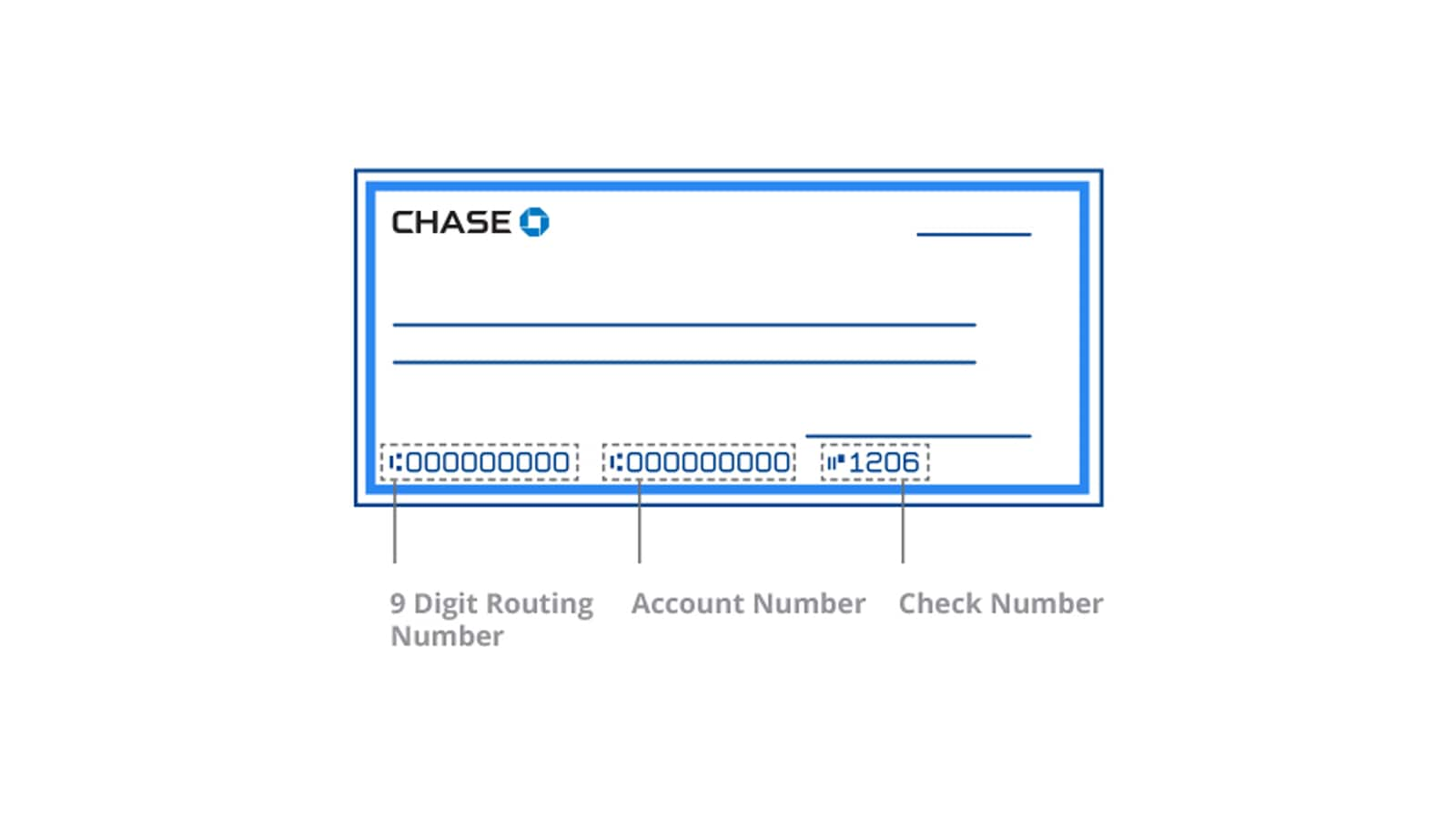
Account Activation: Your account will be activated, and you’ll receive your account number and routing number.
-
Debit Card and Checks: Your debit card will be mailed to your address, typically within 5-7 business days. You can also order checks if needed.
-
Online and Mobile Banking Setup: You’ll receive instructions to set up your online banking portal and download the Chase mobile app, which are essential tools for managing your account, paying bills, transferring funds, and monitoring transactions.
-
Welcome Kit: Chase will send you a welcome kit with important account disclosures, terms and conditions, and details about your new banking relationship.
Opening a bank account at Chase is a straightforward process once you understand the requirements. By preparing your essential documents, understanding the financial aspects, and choosing the application method that suits you best, you’ll be well on your way to establishing a robust financial foundation with one of the nation’s leading banks. This initial step is critical for managing your money effectively, facilitating transactions, and building a secure financial future.
aViewFromTheCave is a participant in the Amazon Services LLC Associates Program, an affiliate advertising program designed to provide a means for sites to earn advertising fees by advertising and linking to Amazon.com. Amazon, the Amazon logo, AmazonSupply, and the AmazonSupply logo are trademarks of Amazon.com, Inc. or its affiliates. As an Amazon Associate we earn affiliate commissions from qualifying purchases.