
In the intricate landscape of modern personal finance, direct deposit stands out as a fundamental, yet often underappreciated, pillar of financial stability and efficiency. For millions of individuals, receiving their income directly into their bank account is not just a convenience but a critical component of their financial strategy. This comprehensive guide will walk you through the process of setting up direct deposit with Chase, one of the nation’s largest and most trusted financial institutions, while also delving into the broader financial implications and benefits of this essential service. Far from a mere transactional step, mastering direct deposit is a strategic move towards greater financial control, security, and peace of mind.
Understanding Direct Deposit: A Cornerstone of Modern Personal Finance
Before diving into the specifics of setting up direct deposit with Chase, it’s crucial to understand what direct deposit entails and why it has become an indispensable tool in contemporary personal finance. At its core, direct deposit is an electronic funds transfer (EFT) service that allows funds, typically wages or government benefits, to be credited directly into a recipient’s bank account, bypassing physical checks.
What is Direct Deposit and Why is it Essential?
Historically, receiving paychecks involved paper checks that needed to be physically deposited or cashed, a process fraught with potential delays, security risks, and additional fees. Direct deposit revolutionized this by automating the entire process. When your employer or a government agency initiates a direct deposit, the funds are electronically transmitted from their bank account to yours, often arriving faster than traditional methods.
The essential nature of direct deposit stems from several key advantages:
-
Efficiency: Funds are typically available in your account on payday, or even a day early with some institutions, eliminating the need to visit a bank or ATM.
-
Security: It significantly reduces the risk of lost, stolen, or fraudulent checks. Electronic transfers are more secure, with encrypted data protecting your financial information.
-
Reliability: Once set up, direct deposits are highly reliable, ensuring consistent access to your funds without manual intervention. This predictability is invaluable for budgeting and financial planning.
-
Cost Savings: Many banks charge fees for cashing physical checks, particularly if you don’t hold an account with them. Direct deposit sidesteps these fees entirely.
-
Environmental Impact: It’s a paperless process, contributing to environmental sustainability by reducing paper waste associated with physical checks.
For anyone serious about optimizing their personal finances, direct deposit is not merely an option but a foundational requirement. It streamlines income receipt, enhances security, and provides a stable base for all other financial activities.
The Financial Benefits: Savings, Budgeting, and Peace of Mind
Beyond the immediate practicalities, direct deposit offers profound financial benefits that can significantly impact your overall financial health:
-
Automated Savings: Perhaps one of the most powerful financial strategies enabled by direct deposit is “pay yourself first.” Many employers and banks allow you to split your direct deposit, sending a portion directly into a savings account, investment account, or even a separate checking account for specific expenses. This automation ensures that a portion of your income is saved before you have a chance to spend it, building your emergency fund or investment portfolio effortlessly.
-
Simplified Budgeting: With consistent and predictable income arrival, budgeting becomes much simpler. You know exactly when your funds will hit your account, allowing you to align bill payments and spending plans with your income cycle. This reduces the stress of juggling due dates and helps prevent overdrafts.
-
Reduced Financial Stress: The certainty of direct deposit eliminates the anxiety associated with waiting for a check to clear or worrying about carrying large sums of cash. Knowing your money is securely in your account, ready when you need it, provides immense peace of mind.
-
Better Access to Financial Products: Many banks, including Chase, offer incentives or waive certain fees (e.g., monthly service fees) if you have a recurring direct deposit, signaling a stable banking relationship. This can open doors to better rates on loans, credit cards, or other financial products in the future.
In essence, direct deposit transforms income receipt from a passive event into an active lever for financial management, empowering you to save more, budget smarter, and experience less financial anxiety.
Preparing for Your Chase Direct Deposit Setup
Setting up direct deposit with Chase is a straightforward process, but it requires a few preparatory steps to ensure a smooth and successful transition. The key is to gather all necessary information and understand your options before initiating the setup.
Gathering Necessary Information: Employer and Bank Details
To set up direct deposit, you’ll primarily need two sets of information: details about your employer (or the payer) and details about your Chase bank account.
-
Employer Information: Your employer will typically require your full legal name, your employee ID number (if applicable), and possibly the company’s own payroll ID or department information. If you’re setting up direct deposit for government benefits, the relevant agency will have their specific requirements.
-
Chase Account Information: This is critical. You will need:
-
Chase Routing Number: This nine-digit number identifies Chase as a financial institution and directs funds to the correct bank. Chase has different routing numbers depending on the state where the account was opened and the type of transaction. For direct deposit, the standard routing number for electronic payments is usually found on your checks or via online banking.
-
Your Chase Account Number: This unique number identifies your specific checking or savings account.
-
Locating Your Chase Account Information
Chase makes it easy to find your routing and account numbers:
-
On Your Checks: For checking accounts, your routing number is the first set of nine digits at the bottom left of your checks. Your account number is typically the second set of numbers. Do not use the check number.
-
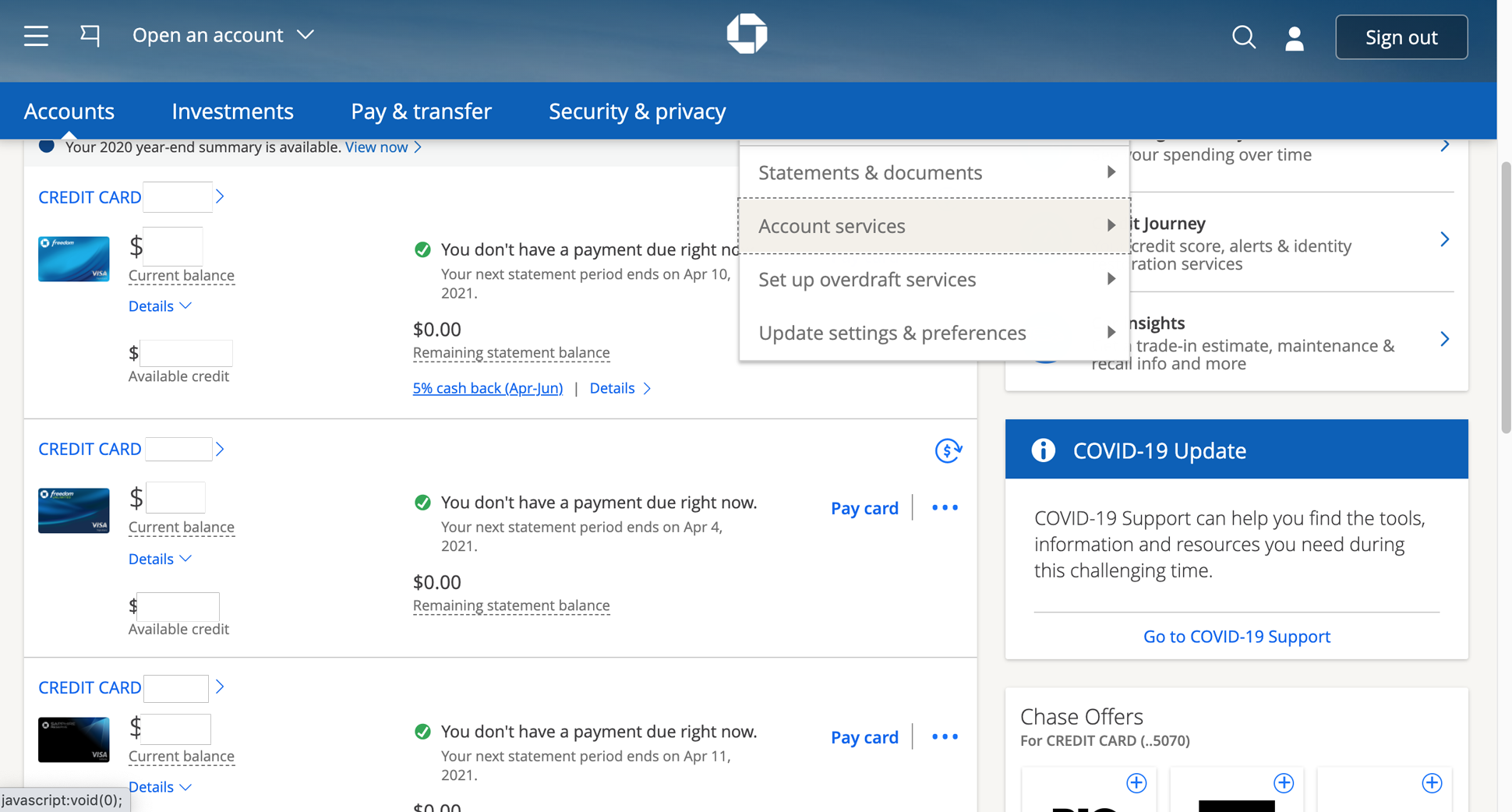
Through Chase Online Banking: Log in to your Chase account at Chase.com. On your account summary page, select the specific checking or savings account. You should see an option to “See Account Details” or similar, which will display both your routing and account numbers.
-
Via the Chase Mobile App: Similar to online banking, log into the app, select your account, and look for an option to view account details.
-
On Your Bank Statement: Both numbers are usually printed on your monthly Chase bank statements.
-
Contact Chase Customer Service: If all else fails, you can call Chase customer service, visit a branch, or use the secure message center in online banking to request this information.
Always double-check these numbers to avoid delays or misdirection of funds. An incorrect digit can lead to significant headaches.
Deciding on Deposit Allocation
One of the often-overlooked financial planning advantages of direct deposit is the ability to split your income across multiple accounts. Before you set up direct deposit, consider if you want your entire paycheck deposited into one Chase account or if you’d like to allocate portions to different accounts.
-
Full Deposit to One Account: The simplest approach is to have 100% of your net pay deposited into your primary Chase checking account.
-
Splitting Between Accounts: Many employers allow you to split your deposit by percentage or by a specific dollar amount into different accounts. For example, you could send $200 to your Chase savings account, $500 to another investment account (if applicable), and the remainder to your primary Chase checking account. This is an excellent strategy for automating savings goals, building an emergency fund, or managing separate budgets.
If you plan to split your deposit, you’ll need the routing and account numbers for each account where funds will be directed. Discuss these options with your employer’s payroll department, as their system’s capabilities will determine what’s possible.
Step-by-Step Guide: Setting Up Direct Deposit Through Chase and Your Employer
With your information ready, the actual setup process typically involves two main parts: obtaining a direct deposit form and submitting it to your employer.
Initiating the Process with Your Employer
Most direct deposit setups are initiated through your employer’s payroll department.
-
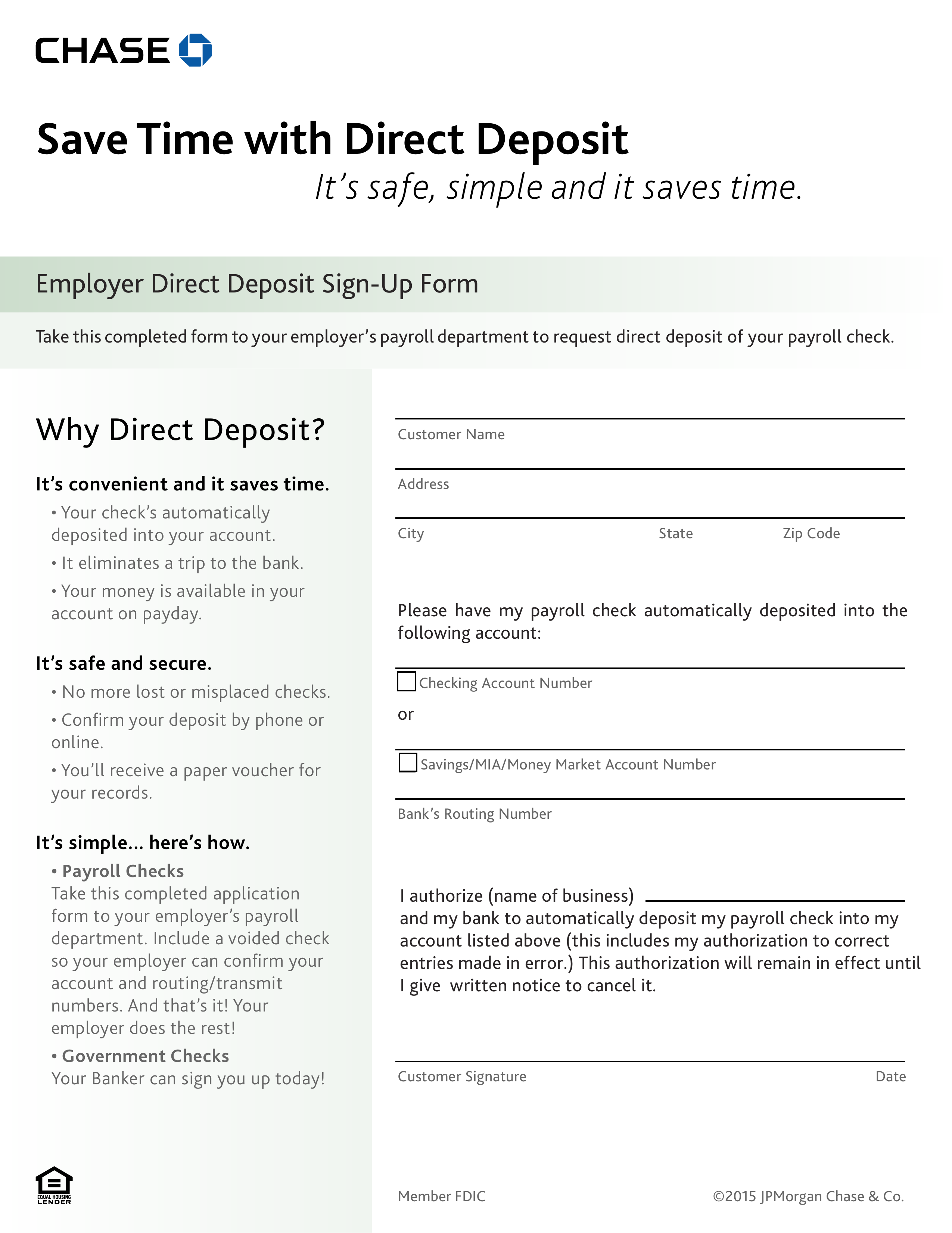
Request a Direct Deposit Form: Contact your employer’s human resources or payroll department. They will provide you with a direct deposit authorization form. Many companies also have these forms available on their internal employee portals or Intranet.
-
Fill Out the Form Accurately: This form will ask for your personal details, your Chase bank name, the Chase routing number, and your Chase account number. Carefully enter all information. If you’re splitting your deposit, specify the allocation for each account.
-
Attach a Voided Check (Optional but Recommended): While not always mandatory for electronic forms, attaching a voided check from your Chase account can serve as a visual confirmation of your routing and account numbers, reducing the chance of errors. Do not sign the check; simply write “VOID” largely across the front.
-
Submit the Form: Return the completed and signed form to your employer’s payroll department. Follow their specific submission instructions (e.g., email, secure upload, in-person drop-off).
Some modern employers may offer an entirely online direct deposit setup through their employee self-service portal, eliminating the need for paper forms. In this case, you will input your Chase account details directly into their secure system.
Using Chase’s Direct Deposit Form
While your employer’s form is usually the primary method, Chase also provides its own direct deposit form that can sometimes be used, especially if your employer doesn’t have a specific form or for government benefits.
-
Access the Chase Direct Deposit Form: You can typically download a pre-filled direct deposit form from your Chase online banking portal or the Chase mobile app. Look for “Direct Deposit Form” or “Get Account Details” under your checking or savings account. This form will already contain your name, account number, and the correct Chase routing number.
-
Complete Employer/Payer Information: You will need to add your employer’s name, address, and any other requested information on this form.
-
Submit to Your Employer/Payer: Sign the form and submit it to your employer’s payroll department or the government agency providing benefits.
Using the Chase-generated form can reduce errors since your bank details are pre-populated.
Submitting and Verifying Your Setup
After submitting the form, there’s typically a processing period.
-
Processing Time: It usually takes one to two pay cycles for direct deposit to take effect. Your employer will likely issue one or two more paper checks before the direct deposit starts. Confirm the expected timeline with your payroll department.
-
Verification: On the first expected direct deposit date, check your Chase account via online banking or the mobile app to ensure the funds have arrived. If there’s a delay or an issue, contact your employer’s payroll department first, then Chase if needed.
-
Keep Records: Retain a copy of the direct deposit authorization form for your records. This can be helpful if any discrepancies arise.
Maximizing Your Financial Strategy with Direct Deposit at Chase
Setting up direct deposit is just the first step. To truly harness its power for your financial well-being, integrate it with Chase’s broader suite of financial tools and actively monitor your accounts.
Leveraging Chase’s Features: Automatic Savings and Bill Pay
Chase offers robust online banking and mobile app features that seamlessly complement direct deposit, allowing you to automate crucial aspects of your financial life:
-
Automated Transfers: Set up recurring transfers from your Chase checking account to your Chase savings account immediately after your direct deposit hits. This reinforces the “pay yourself first” principle. You can schedule transfers weekly, bi-weekly, or monthly, aligning with your pay cycle.
-
Automated Bill Pay: Link your direct deposit-receiving Chase checking account to Chase’s online bill pay service. You can schedule automatic payments for rent, utilities, credit cards, and other recurring expenses. This ensures bills are paid on time, avoiding late fees and protecting your credit score.
-
Budgeting Tools: Utilize Chase’s budgeting tools within online banking or the mobile app. Many features can help you categorize spending, track income, and set financial goals, all powered by the consistent influx of your direct deposit.
By leveraging these features, your direct deposit becomes the fuel for an automated financial engine, streamlining your money management and freeing up valuable time.
Monitoring Your Deposits and Account Activity
Even with automation, vigilance is key. Regularly monitoring your Chase accounts for direct deposit arrivals and overall activity is a vital financial habit:
-
Chase Mobile App Alerts: Set up alerts through the Chase mobile app or online banking to notify you when a direct deposit is received. You can also get alerts for low balances, large transactions, or suspicious activity.
-
Online Banking Review: Periodically log into your Chase online banking to review your transaction history, ensuring all deposits are accurate and no unauthorized activity has occurred.
-
Reconcile with Pay Stubs: Compare the net amount of your direct deposit in your Chase account with the net pay listed on your pay stub to catch any discrepancies immediately.
Proactive monitoring helps you quickly identify and resolve any issues, protecting your finances.
Troubleshooting Common Direct Deposit Issues
While direct deposit is generally reliable, occasional issues can arise:
-
Delayed Deposit: If your direct deposit doesn’t appear on time, first check with your employer’s payroll department. There might have been a processing delay on their end or an incorrect pay date. If they confirm the deposit was sent, then contact Chase.
-
Incorrect Amount: If the deposited amount doesn’t match your pay stub, again, start with your employer’s payroll. It could be an error in their system or a deduction you weren’t aware of.
-
Incorrect Account: If funds were sent to the wrong account due to an error in the routing or account number, immediately contact your employer’s payroll and Chase. This can be a complex issue, requiring swift action to try and recover funds.
-
Cancelled Direct Deposit: If your direct deposit suddenly stops, confirm with your employer if there was a change in your employment status or if your direct deposit authorization expired or was inadvertently cancelled.
In all troubleshooting scenarios, document your communications and keep records of dates, times, and who you spoke with.
Beyond the Basics: Advanced Direct Deposit Strategies and Financial Wellness
Direct deposit with Chase is more than a way to get paid; it’s a foundational element of a robust financial wellness strategy. Once the basic setup is complete, you can explore more advanced uses to optimize your financial journey.
Splitting Deposits for Automated Savings Goals
Beyond just a general savings account, strategically splitting direct deposits can target specific financial goals:
-
Emergency Fund: Dedicate a fixed amount from each paycheck to automatically flow into a Chase savings account designated solely as your emergency fund. This builds your financial safety net without conscious effort.
-
Specific Purchase Goals: Planning for a down payment on a car, a vacation, or a large electronics purchase? Allocate a portion of your direct deposit to a separate savings account for that specific goal. This visual separation can be highly motivating.
-
Investment Contributions: Some employers or financial institutions allow direct deposit portions to go directly into investment accounts (e.g., 401(k) beyond your standard contributions, or an external brokerage account). Inquire about these options to automate your wealth building.
This strategy transforms saving from a discipline into a default, making financial goals much more attainable.
Direct Deposit for Gig Workers and Freelancers
While typically associated with W-2 employees, direct deposit principles extend to gig workers and freelancers who use platforms that offer direct bank transfers (e.g., PayPal, Stripe, various gig platforms). For those who invoice clients directly, consider leveraging Chase’s business checking accounts.
-
Chase Business Checking: If you operate as a sole proprietor or have a small business, a Chase Business Checking account can receive direct deposits from payment processors or even client transfers. This separates personal and business finances, simplifying tax preparation and professionalizing your operations.
-
Automating Self-Employment Tax Savings: As a freelancer, you’re responsible for self-employment taxes. You can mimic the direct deposit split by automatically transferring a percentage of your incoming payments into a separate Chase savings account earmarked for taxes.

The Role of Direct Deposit in Building Financial Stability
Ultimately, direct deposit is a powerful enabler of overall financial stability:
-
Credit Building: Consistent direct deposits ensure you have funds available to pay bills on time, a critical factor in building a strong credit history.
-
Loan Applications: When applying for loans (e.g., mortgage, auto loan), lenders often look for stable income. Direct deposit statements serve as clear, verifiable proof of regular income, which can strengthen your application.
-
Financial Planning: The predictability of direct deposit allows for more accurate long-term financial planning, including retirement planning, investment strategies, and significant life purchases.
By embracing direct deposit with Chase, you’re not just ensuring your paycheck arrives on time; you’re actively constructing a more secure, efficient, and prosperous financial future. It’s a fundamental step that empowers you to take control of your money and build lasting financial wellness.
aViewFromTheCave is a participant in the Amazon Services LLC Associates Program, an affiliate advertising program designed to provide a means for sites to earn advertising fees by advertising and linking to Amazon.com. Amazon, the Amazon logo, AmazonSupply, and the AmazonSupply logo are trademarks of Amazon.com, Inc. or its affiliates. As an Amazon Associate we earn affiliate commissions from qualifying purchases.