
Navigating the landscape of financial assistance can sometimes feel complex, especially when it comes to understanding the practicalities of accessing benefits. For individuals and families relying on Electronic Benefit Transfer (EBT) for cash assistance, knowing how to effectively get cash off your card is not just a convenience, but a vital part of managing household finances. This comprehensive guide aims to demystify the process, offering clear, actionable insights into accessing your EBT cash benefits responsibly and securely.
EBT cards serve as a digital conduit for government-issued benefits, primarily encompassing food assistance (SNAP – Supplemental Nutrition Assistance Program) and cash aid (often through programs like TANF – Temporary Assistance for Needy Families). While both types of benefits are loaded onto the same EBT card, their usage guidelines, particularly regarding cash withdrawal, differ significantly. This article will specifically focus on the “cash” component, providing a roadmap for beneficiaries to understand, access, and manage these crucial funds.

Understanding Your EBT Cash Benefits
Before delving into the methods of withdrawal, it’s essential to have a clear understanding of what EBT cash benefits are, how they differ from food benefits, and how to keep track of your available funds. This foundational knowledge empowers you to make informed decisions and avoid potential pitfalls.
What is EBT and Cash Assistance?
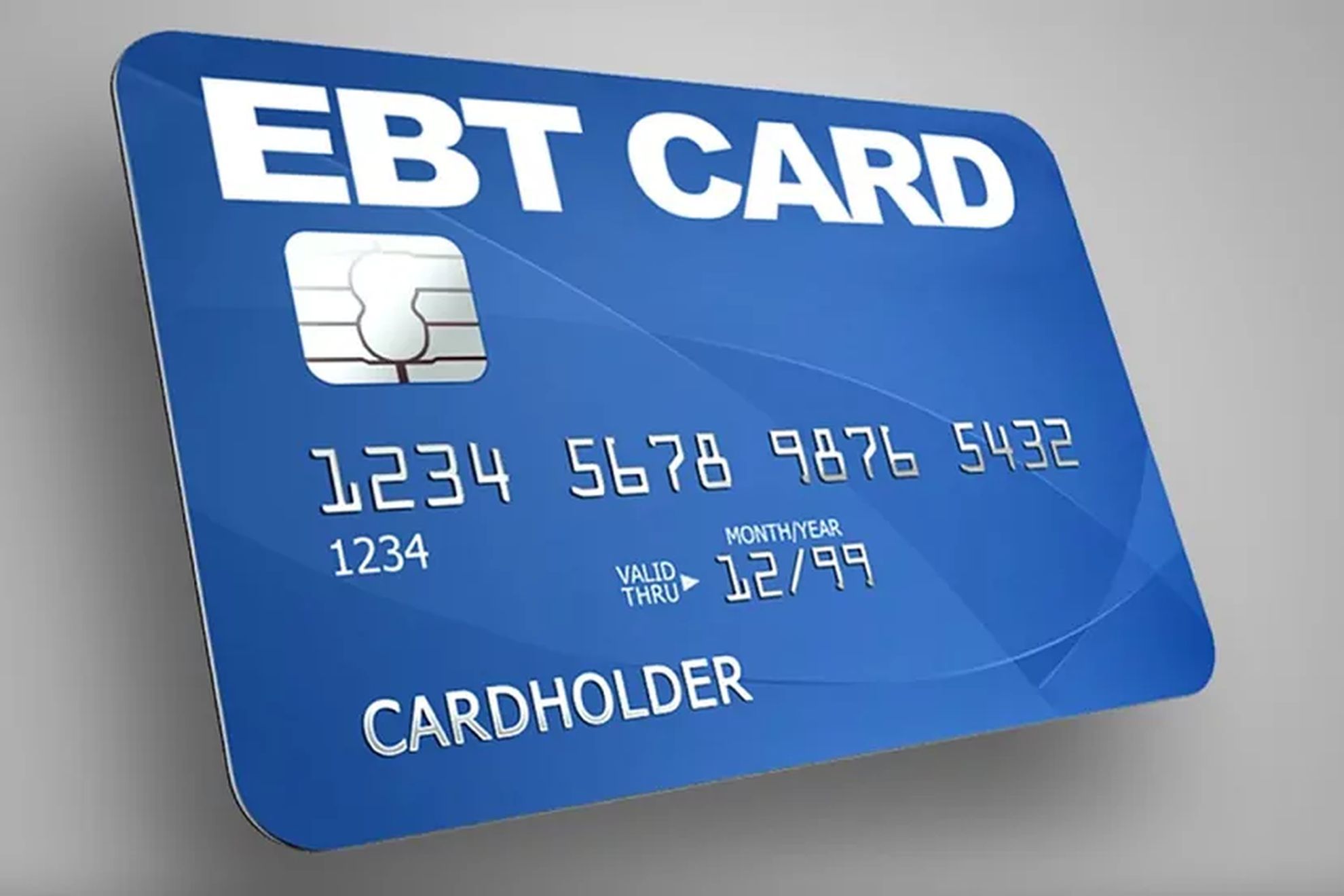
EBT is an electronic system that allows state welfare departments to issue benefits via a plastic debit card. This system replaced paper food stamps and checks, making the distribution of aid more efficient and discreet. While many associate EBT solely with food benefits (SNAP), it also serves as the primary method for disbursing cash assistance in most states. Cash assistance programs, such as TANF, are designed to help low-income families with dependent children meet basic needs beyond food, like rent, utilities, clothing, and transportation. These funds are more flexible than SNAP benefits and can generally be withdrawn as cash.
Distinguishing Between Food Benefits (SNAP) and Cash Benefits
It’s crucial to understand that not all funds on your EBT card are eligible for cash withdrawal. SNAP benefits, specifically allocated for purchasing eligible food items, cannot be converted into cash. Attempting to withdraw SNAP funds will result in a declined transaction. On the other hand, the cash assistance portion of your benefits is explicitly designed to be withdrawn as physical currency or used for direct debit purchases. Most EBT cards display separate balances for food and cash, or your state’s online EBT portal will clearly delineate between the two. Always confirm which portion of your balance is designated as cash before attempting a withdrawal.
Checking Your EBT Balance
Knowing your available balance is paramount to successful financial management. Attempting to withdraw more cash than available can lead to declined transactions and potentially unnecessary fees. Here are the common ways to check your EBT cash balance:
-
Online Portal: Most states provide a dedicated EBT online portal where you can securely log in to view your current balances, transaction history, and benefit issuance dates.
-
Customer Service Hotline: The toll-free number for your state’s EBT customer service is typically found on the back of your EBT card. Call this number and follow the prompts to access your balance information.
-
ATM Inquiry: Many ATMs that accept EBT cards (look for the Quest® logo) allow you to perform a balance inquiry without making a withdrawal. Be aware that some ATMs may charge a fee for this service.
-
Store Cashier: At participating stores, you can often ask a cashier to check your balance at the point-of-sale (POS) terminal without making a purchase.
Practical Methods for Accessing EBT Cash
Once you’ve confirmed your cash balance, there are several straightforward ways to get money off your EBT card. Each method has its own set of considerations, including potential fees, transaction limits, and accessibility.
ATM Withdrawals
Using an Automated Teller Machine (ATM) is one of the most common ways to access EBT cash.
-
How it Works: Insert your EBT card, enter your Personal Identification Number (PIN), select “withdrawal” from “checking” or “debit,” and enter the desired amount.
-
Finding an ATM: Look for ATMs displaying the Quest® logo, or other network logos like Cirrus or Plus, which indicate they accept EBT cards. Many major banks and credit unions will have these. Some states also have dedicated EBT ATM locators online.
-
Fees: Be mindful of ATM fees. While your state may not charge for EBT withdrawals, the ATM owner (the bank or third-party company) might impose a surcharge. Look for ATMs from banks that participate in surcharge-free networks or offer fee-free EBT withdrawals. It’s always best to choose an ATM that clearly states it will not charge a fee, or to confirm with your state’s EBT program if they reimburse ATM fees.
-
Limits: States often impose daily withdrawal limits. These limits vary, so it’s wise to check with your state’s EBT program or review your benefit guide.
Cash Back at Participating Retailers
Many grocery stores and other retailers offer cash back with a purchase when you use your EBT card. This can be a convenient way to get cash without ATM fees.
-
How it Works: At checkout, after your items are scanned, swipe your EBT card, select “debit” or “cash back,” enter your PIN, and then specify the amount of cash you wish to receive. The amount will be deducted from your cash balance, and the cashier will give you the physical currency.
-
Identifying Retailers: Look for signs indicating EBT acceptance and cash back services. Major supermarkets, discount stores, and some convenience stores are common participants. When in doubt, ask the cashier before initiating your transaction.
-
Transaction Limits: Retailers may have their own limits on the amount of cash back they provide per transaction, which can be lower than ATM limits.
-
No Purchase Necessary (in some cases): While most cash back transactions require a purchase, some retailers in certain states might allow a “cash-only” transaction at the POS terminal, similar to an ATM but without a specific machine. This is less common but worth inquiring about.
Using Your Card for Direct Purchases (Debit Transactions)
While not “getting cash off” in the literal sense, using your EBT cash benefits directly as a debit card for eligible purchases is an equally valid and often more convenient way to utilize your funds.
-
How it Works: When paying for non-food items (like household goods, clothing, bus fare, or even some bill payments if the vendor accepts EBT debit), simply swipe your EBT card, select “debit,” and enter your PIN. The funds are directly deducted from your cash balance.
-
Benefits: This method avoids the need to carry physical cash and can be used for a wide array of necessities that you might otherwise pay for with withdrawn cash. It’s particularly useful for online purchases where EBT debit is accepted.
Over-the-Counter Withdrawals at Banks or Credit Unions
In some instances, particularly for larger cash withdrawals or if you’re unable to find a suitable ATM or cash back retailer, you might be able to withdraw cash directly from a teller at a bank or credit union.
-
Availability: This option is less universally available than ATMs or cash back, and policies vary significantly by bank and state. You may need to visit a branch of a bank that is specifically contracted with your state’s EBT program.
-
Procedure: You will typically need to present your EBT card and a valid form of identification (photo ID). The teller will process the withdrawal against your EBT cash balance.
-
Benefits: This can be useful for larger sums that exceed daily ATM or retailer cash back limits, and it generally avoids ATM surcharges.
Important Considerations and Best Practices
Responsible management of your EBT cash benefits extends beyond simply knowing how to withdraw funds. It involves understanding associated costs, security measures, and the overall purpose of these benefits.
Understanding Fees and Surcharges
Fees can erode your benefits quickly.
-
ATM Surcharges: As mentioned, ATM owners often charge a fee. Always look for signage indicating fees before proceeding with a transaction. Some states offer a limited number of free ATM withdrawals per month, after which fees may apply.
-
Balance Inquiry Fees: Some ATMs might charge a small fee even for just checking your balance.
-
Foreign Transaction Fees: If you travel out of state, be aware that some networks might treat EBT cards differently, potentially incurring additional fees, though EBT cards are generally valid nationwide.
Transaction Limits and Frequency
Each state sets its own daily and sometimes monthly limits on EBT cash withdrawals. These limits are designed to prevent fraud and encourage responsible spending. Familiarize yourself with your state’s specific regulations, as attempting to withdraw beyond these limits will result in a declined transaction. Similarly, there might be limits on the number of transactions you can make within a specific period.
Security Tips for Your EBT Card
Protecting your EBT card and PIN is crucial to safeguarding your benefits.
-
Keep Your PIN Secret: Never share your PIN with anyone, including family members, friends, or anyone claiming to be from EBT or government agencies.
-
Memorize Your PIN: Avoid writing your PIN down or storing it with your card.
-
Inspect ATMs and POS Devices: Before use, quickly check the ATM or card reader for any suspicious attachments or tampering, which could indicate a skimming device.
-
Report Lost or Stolen Cards Immediately: If your card is lost, stolen, or you suspect unauthorized use, report it immediately to your state’s EBT customer service hotline. Prompt reporting can help prevent further fraudulent activity, though policies on replacing stolen cash benefits vary by state.
-
Review Your Transactions: Regularly check your transaction history via the online portal or customer service to ensure all activities are legitimate.
Responsible Use of Cash Benefits
EBT cash benefits are intended to help families meet essential needs. Budgeting and responsible spending are key to making these funds last.
-
Prioritize Needs: Allocate funds to critical expenses first, such as rent, utilities, transportation, and basic supplies.
-
Create a Budget: Track your income and expenses to ensure you’re not overspending.
-
Avoid Impulsive Purchases: Think carefully before making non-essential purchases.
-
Save When Possible: If you have any surplus, consider setting it aside for emergencies.
Navigating Challenges and Finding Support
Even with a clear understanding, issues can arise. Knowing how to address common problems and where to find help is an important part of managing your EBT cash.
What to Do if Your Card is Lost, Stolen, or Damaged
If your EBT card is lost, stolen, or damaged, it’s imperative to act quickly.
-
Contact EBT Customer Service: Immediately call the toll-free number on the back of your card (or find it on your state’s EBT website). Report the card as lost or stolen. The customer service representative will typically deactivate your old card to prevent further unauthorized use.
-
Order a Replacement: You will be guided through the process of ordering a new card, which usually takes 5-10 business days to arrive by mail. Any remaining benefits on your old card will be transferred to your new one.
-
Inquire About Replacement Policies: Be aware that some states have limits on how many free replacement cards you can receive, and subsequent replacements might incur a fee.
Troubleshooting Transaction Issues
Occasionally, you might encounter issues such as a declined transaction, an incorrect balance, or a disputed charge.
-
Declined Transactions: If a transaction is declined, first check your balance. If funds are sufficient, confirm you are selecting the correct payment type (e.g., “debit” for cash transactions). If the problem persists, contact EBT customer service.
-
Incorrect Balance: If you believe your balance is incorrect, review your transaction history. If there’s a discrepancy, contact customer service to investigate.
-
Disputed Charges: If you notice unauthorized transactions, report them to EBT customer service immediately. They will guide you through the dispute resolution process, which may involve filling out forms and providing details of the unauthorized activity.
State-Specific Regulations and Resources
It cannot be overstressed that EBT programs are administered at the state level, meaning rules, limits, and specific procedures can vary significantly from one state to another.
-
Official State EBT Websites: Always refer to your specific state’s EBT program website for the most accurate and up-to-date information regarding policies, benefit schedules, ATM locators, and customer service contacts.
-
Local Assistance Offices: Your local Department of Social Services or Human Services office can provide in-person assistance, answer questions, and offer guidance on managing your benefits.

Conclusion
Accessing EBT cash off your card is a fundamental aspect of utilizing vital government assistance programs. By thoroughly understanding the nuances of your benefits, knowing the various withdrawal methods, diligently protecting your card, and practicing responsible financial habits, you can effectively manage these funds to support your household’s needs. Remember that accurate information for your specific situation is always available through your state’s official EBT resources. Empower yourself with knowledge and confidence to make the most of your EBT cash benefits.
aViewFromTheCave is a participant in the Amazon Services LLC Associates Program, an affiliate advertising program designed to provide a means for sites to earn advertising fees by advertising and linking to Amazon.com. Amazon, the Amazon logo, AmazonSupply, and the AmazonSupply logo are trademarks of Amazon.com, Inc. or its affiliates. As an Amazon Associate we earn affiliate commissions from qualifying purchases.