
The narrative arc of Ragnar Lothbrok in the History Channel series Vikings is a cornerstone of the show’s enduring popularity and its complex exploration of history, ambition, and mortality. While the series takes significant creative liberties with historical figures, Ragnar’s journey from a simple farmer with grand aspirations to a legendary king who reshaped the Viking world is a captivating saga. This exploration delves into the pivotal moments of his life, from his initial raids and quest for discovery to his tragic end and the enduring legacy he left behind.
The Rise of a Visionary: From Farmer to Earl
Ragnar Lothbrok’s story begins not with royal blood or inherent power, but with an insatiable curiosity and a vision that set him apart from his peers. Born into a relatively humble existence in Kattegat, Ragnar was a man perpetually looking beyond the horizon, questioning the established order and yearning for the unknown lands rumored to lie to the west. This inherent restlessness, coupled with a sharp intellect and a natural aptitude for leadership, laid the foundation for his remarkable ascent.
The Spark of Ambition: Challenging Earl Haraldson
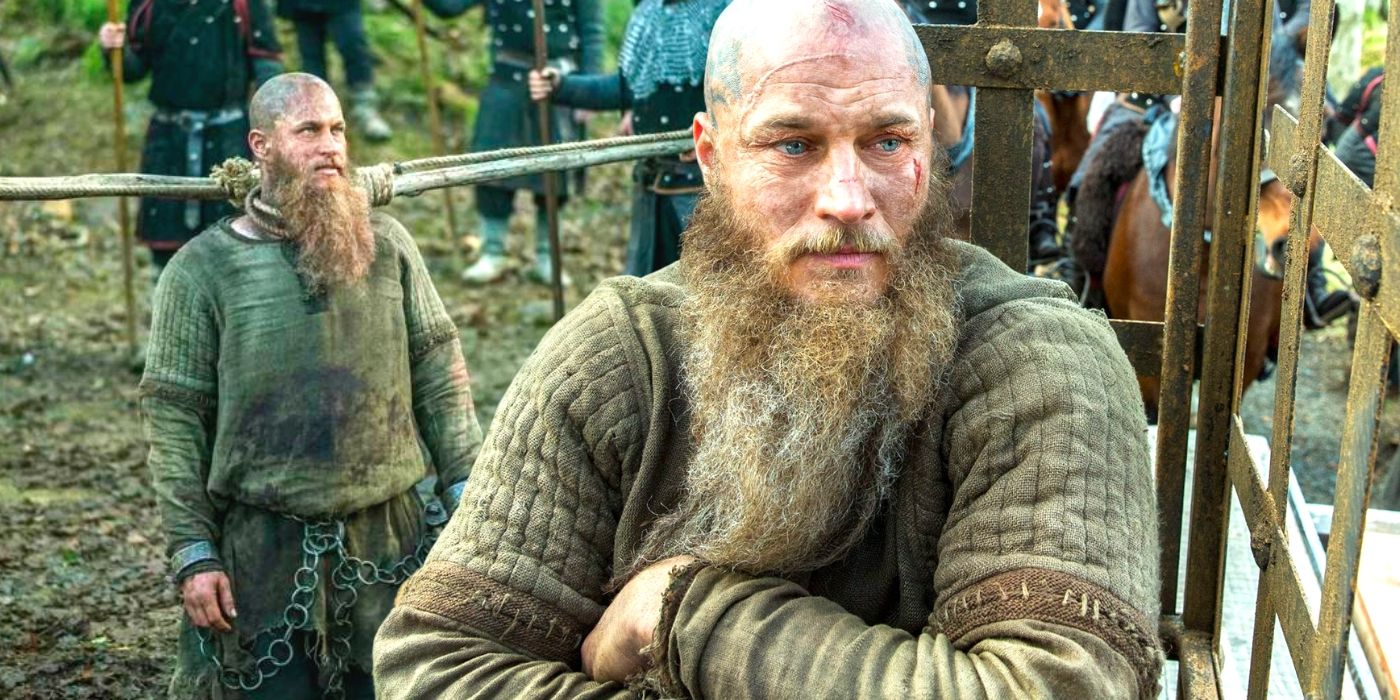
Ragnar’s initial challenge was not to kings or emperors, but to his own chieftain, Earl Haraldson. Haraldson, a cautious and traditional leader, was content with the predictable raids on the East, focusing on plunder and survival. Ragnar, however, harbored a far grander ambition: to explore the fabled lands of England, a realm rich in resources and ripe for conquest. His visionary proposals were met with derision and resistance from the more conservative elements of Kattegat, but Ragnar’s charisma and the sheer audacity of his dream began to garner him followers.
He understood that to achieve his goals, he needed to break free from the limitations imposed by Haraldson. This led to a series of strategic moves, including forming alliances and subtly undermining Haraldson’s authority. His belief in superior shipbuilding and seafaring technology, evident in his construction of the experimental longship, demonstrated his practical approach to realizing his grander visions. The eventual confrontation and Ragnar’s triumph over Haraldson marked his formal ascension to power, ushering in a new era for Kattegat, one driven by exploration and expansion.
The First Raids and the Taste of Power
Ragnar’s successful raid on the monastery at Lindisfarne, depicted in the early seasons of Vikings, was a watershed moment. It wasn’t merely about acquiring wealth; it was a confirmation of his theories and a testament to his strategic brilliance. The sheer shock and awe experienced by the English, coupled with the immense riches brought back to Kattegat, solidified Ragnar’s reputation and cemented his status as a formidable leader. This victory fueled his ambition, proving that the unknown lands were not only accessible but also offered unprecedented rewards.
This initial success had a profound impact on Ragnar’s personal trajectory. He transitioned from a respected warrior to a figure of immense influence, his decisions shaping the future of his people. The taste of power, however, was not without its complications. It brought with it greater responsibilities, intricate political maneuvering, and the envy of those who sought to usurp his position. Yet, Ragnar navigated these challenges with a combination of ruthlessness and cunning, further solidifying his legend.
The Pursuit of Knowledge and the Weight of Empire
As Ragnar’s influence grew, so did his thirst for knowledge and understanding. His raids became less about mere plunder and more about diplomacy, cultural exchange, and the acquisition of wisdom. He was fascinated by different cultures, religions, and ways of life, a stark contrast to the ethnocentric views often prevalent among his contemporaries. This intellectual curiosity set him apart and drove his interactions with the world.
Encounters with the Franks and the Sons of God
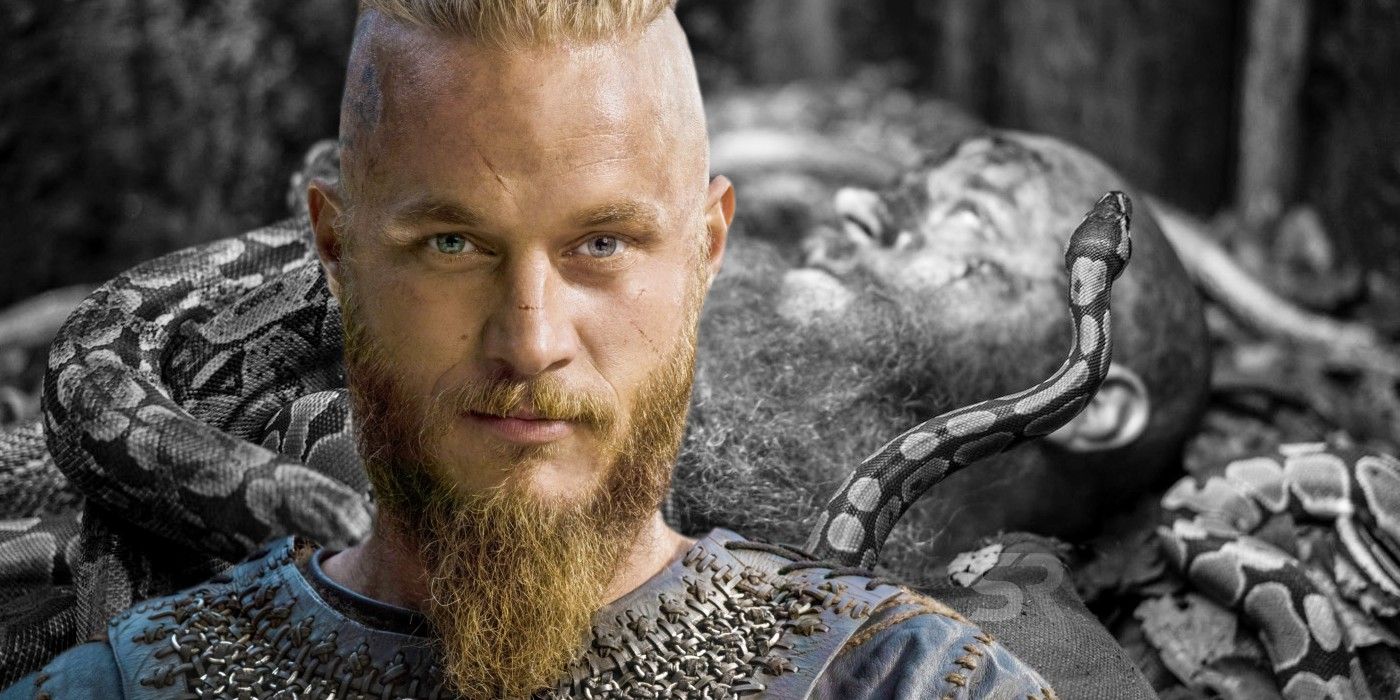
Ragnar’s campaigns extended beyond England to the shores of Francia, introducing him to a different facet of European society – Christianity. His interactions with the Frankish kingdoms were marked by a complex blend of warfare, negotiation, and an underlying fascination with the Christian faith. He engaged with religious figures, notably the monk Athelstan, who would become his closest confidant and intellectual equal. Athelstan served as Ragnar’s window into the Western world, teaching him about their history, their God, and their customs.
This intellectual exchange was not one-sided. Ragnar, in turn, introduced Athelstan to the Viking way of life, challenging his deeply held beliefs and forging a unique bond that transcended cultural and religious divides. Their conversations were pivotal in shaping Ragnar’s worldview, fostering a more nuanced understanding of the world beyond the simplistic dichotomy of Viking versus non-Viking. He saw the strengths and weaknesses in both cultures, recognizing that true understanding required an open mind.
The Burden of Leadership and Shifting Alliances
As Ragnar consolidated his power, he also became increasingly entangled in the complex web of Viking politics. The leadership of Kattegat, once a straightforward matter, became a source of constant contention. His decisions, often driven by strategic foresight or personal relationships, were not always understood or accepted by all. His willingness to embrace foreign cultures and forge alliances with those traditionally considered enemies often alienated some of his own people.
This period saw the rise of internal strife and shifting alliances. Characters like Rollo, Ragnar’s brother, wrestled with their own ambitions and loyalties, creating personal and political turmoil. Ragnar’s focus on long-term goals, such as establishing Viking settlements in new lands and fostering trade, sometimes overshadowed the immediate concerns of his warriors, leading to resentment. The weight of his decisions, the constant threat of betrayal, and the immense responsibility of leading his people through turbulent times began to take a toll.
The Decline and Sacrifice: The Serpent’s Pit
Ragnar Lothbrok’s later years were defined by a profound sense of weariness, a longing for his past glory, and an increasing detachment from the political machinations that once consumed him. His ambitious raids had paved the way for a larger Viking presence in England, but the initial fervor of conquest had waned, replaced by the arduous task of governance and conflict. The gods, whom he had once so confidently defied and appeased, seemed to have turned their backs on him.
The Failed Invasion of Wessex and Political Exile
The turning point in Ragnar’s physical and political decline can be largely attributed to his disastrous attempt to conquer Wessex. Driven by a desire to prove his invincibility one last time and perhaps to reclaim the glory of his youth, Ragnar led a massive invasion. However, he underestimated the resilience of King Ecbert and the tactical prowess of the Saxons. The resulting defeat was not just a military setback; it was a crushing blow to Ragnar’s aura of invincibility.
Following this catastrophic failure, Ragnar was forced to retreat and eventually faced betrayal and capture by his former adversaries. His sons, now grown and with their own ambitions, were increasingly distant and embroiled in their own power struggles. Ragnar found himself isolated, stripped of his former influence, and facing the grim reality of his mortality. This period marked a stark contrast to the triumphant warrior who had once sailed west with boundless confidence.
The Serpent’s Pit and the Legacy of Sacrifice
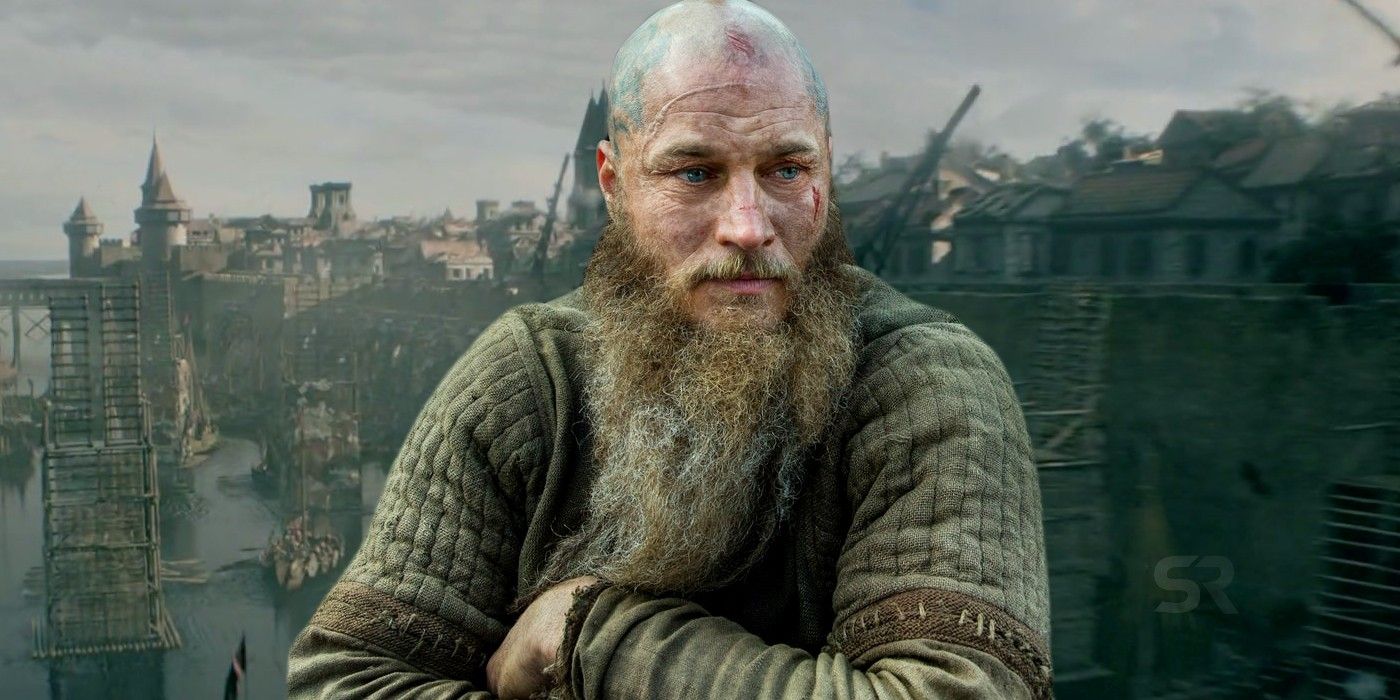
Ragnar’s final act was one of profound defiance and strategic foresight, even in the face of death. Captured by King Ælla of Northumbria, Ragnar was subjected to a brutal execution: thrown into a pit of venomous snakes. However, Ragnar, ever the strategist, had anticipated this outcome and had a plan. He declared that his death would be avenged by his sons, who would unleash a fury upon England that would shake its foundations.
This was not merely a boast but a carefully orchestrated prophecy. Ragnar knew that his sons, particularly the formidable Ivar the Boneless, were capable of enacting his revenge. His death, therefore, was not an end but a catalyst. He used his final moments to ignite the fires of vengeance in his sons, ensuring that his legacy would be one of brutal retribution and the ultimate Viking conquest. The “sons of Ragnar” would indeed rise, driven by the memory of their father’s sacrifice and the promise of a brutal reckoning. His death, though agonizing, secured his place in legend, transforming him from a fallen king into a martyr whose martyrdom spurred an even greater era of Viking expansion and terror. His final moments in the serpent’s pit, filled with a grim satisfaction, cemented his myth and ensured that Ragnar Lothbrok would be remembered not just for his conquests, but for his ultimate act of self-sacrifice that fueled the destiny of his progeny.
aViewFromTheCave is a participant in the Amazon Services LLC Associates Program, an affiliate advertising program designed to provide a means for sites to earn advertising fees by advertising and linking to Amazon.com. Amazon, the Amazon logo, AmazonSupply, and the AmazonSupply logo are trademarks of Amazon.com, Inc. or its affiliates. As an Amazon Associate we earn affiliate commissions from qualifying purchases.