
In an era dominated by instant digital transfers, peer-to-peer payment apps, and contact-less cards, the humble paper check remains a vital tool for many banking customers. Whether you are paying rent to a landlord who prefers physical documentation, settling a government fee, or giving a wedding gift, having a checkbook on hand is often a logistical necessity. If you bank with JPMorgan Chase, one of the largest financial institutions in the world, the cost of these checkbooks is not a one-size-fits-all figure. Instead, the price is dictated by your specific account tier, the level of customization you choose, and your standing with the bank.
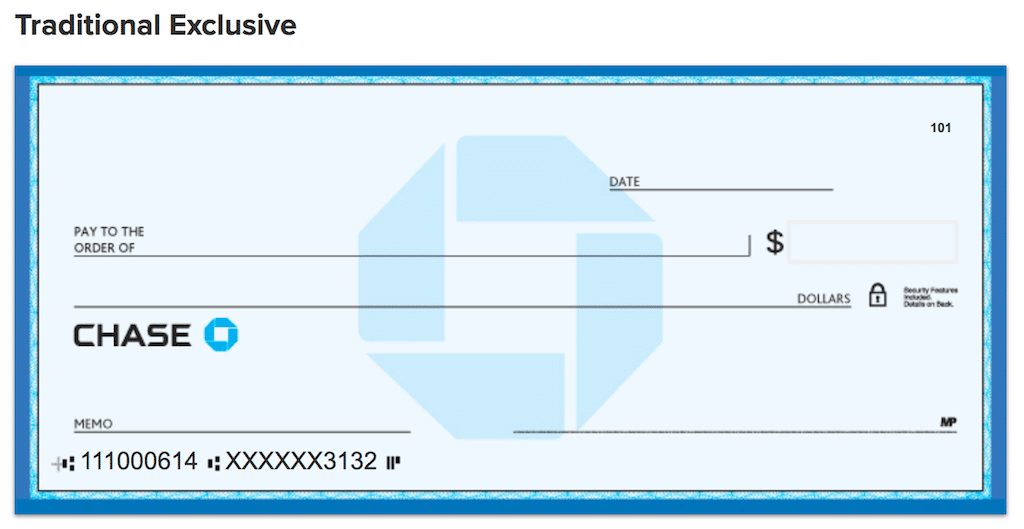
Understanding these costs is essential for effective personal finance management. While the price of a single box of checks might seem negligible in the short term, it is part of a broader ecosystem of banking fees that can impact your bottom line.
The Cost of Convenience: Breaking Down Chase Checkbook Pricing
The price you pay for a checkbook at Chase is primarily determined by the type of checking account you hold. Chase offers several tiers of service, ranging from basic entry-level accounts to high-net-worth private client services. Generally, the more premium the account, the more likely you are to receive complimentary checks.
Standard Accounts and Retail Pricing
For customers with a Chase Total Checking® account—the bank’s most popular retail offering—checks are typically not free. When you order a standard box of checks (which usually contains about 100 to 120 checks), you can expect to pay anywhere from $20 to $35, depending on the design and shipping options.
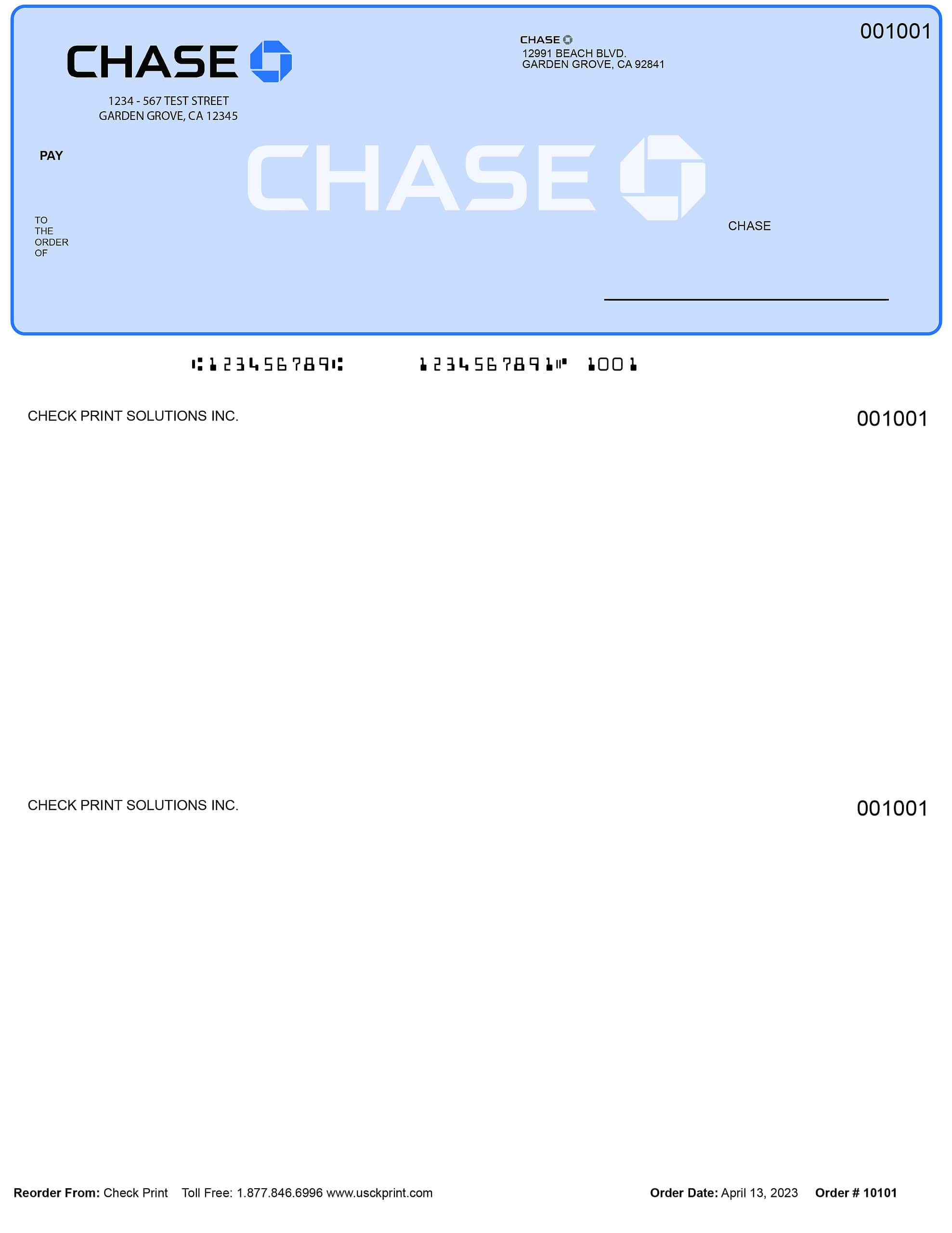
Chase partners with Deluxe Financial Services to fulfill check orders. When you navigate the ordering portal, you will find a variety of styles, from basic blue safety paper to premium designs featuring landscapes or licensed characters. It is important to note that the “base price” often reflects the simplest design. If you opt for “high-security” checks, which include additional features like holograms or heat-sensitive ink to prevent fraud, the price can climb significantly.
Premium Tiers and Complimentary Services
Chase rewards higher-tier account holders by waiving the fees for personal checks. If you hold a Chase Premier Plus Checking℠ or a Chase Sapphire℠ Banking account, one of the core benefits is free personal style checks.
For those in the Chase Private Client category, the perks extend even further. Not only are standard checks free, but the bank often waives fees for specialized orders and offers expedited shipping. This is part of the bank’s strategy to provide a seamless, fee-free experience for customers who maintain high combined balances across their deposit and investment accounts.
Business Checking Accounts
For entrepreneurs and small business owners, the pricing structure is slightly different. Chase Business Complete Banking® and higher business tiers often require specialized “business-sized” checks that fit into three-ring binders or are compatible with accounting software like QuickBooks. These checks are generally more expensive than personal checks due to their size and the inclusion of payment stubs. While some business accounts may offer an introductory set of checks for free, subsequent orders usually incur a cost that reflects the professional utility of the product.
Navigating the Ordering Process for Chase Checks
The process of obtaining a checkbook has become streamlined through digital integration. You no longer need to visit a physical branch and wait for a teller to process a manual request. Instead, the bank encourages the use of its digital infrastructure to manage supply.
Step-by-Step Online Ordering
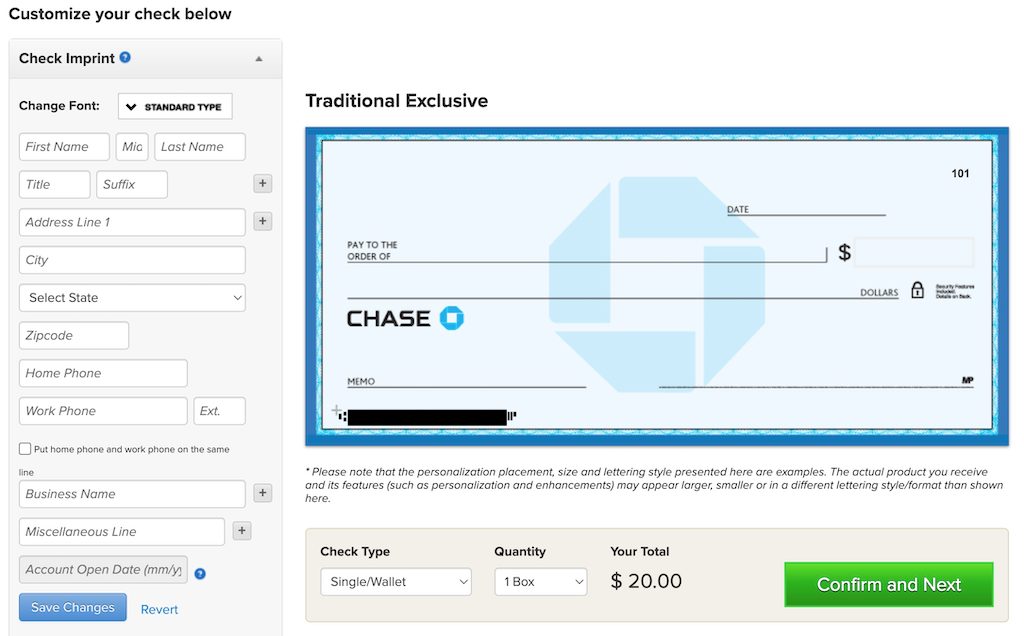
The most efficient way to see your specific pricing and place an order is through the Chase website or mobile app. Once logged in, you navigate to the specific checking account you wish to order for. Under the “Account Services” or “More…” menu, you will find an option to “Order Checks.”
This link redirects you to the Deluxe website, which is integrated with your Chase account information. The benefit of this integration is that your routing number and account number are automatically populated, reducing the risk of printing errors. During this process, the system will recognize your account type and automatically apply any discounts or “free” status associated with your tier.
Customization and Add-Ons
When ordering, you are presented with several choices that can affect the final price:
-
Quantity: Ordering in bulk (two or four boxes at once) usually reduces the per-check cost.
-
Format: You can choose between single checks or carbonless duplicate checks. Duplicates provide an immediate physical record of your transaction, which is useful for manual bookkeeping, but they typically cost more and result in fewer checks per box.
-
Accessories: The ordering portal will often prompt you to buy leather checkbook covers, deposit slips, or personalized address labels. While these add a professional touch, they are the primary drivers of increased “checkout” prices for standard account holders.
In-Branch Requests and “Counter Checks”
If you are in an urgent situation and cannot wait the 7 to 10 business days for a checkbook to arrive by mail, you can visit a Chase branch. While branches do not print full checkbooks on-site, they can often provide “counter checks.” These are a few temporary checks printed with your account information. Chase typically charges a small fee (often around $2 or $3) for a sheet of three counter checks. This is a stop-gap measure for those who need a physical check immediately for a closing or a deposit.
Strategic Alternatives: When to Use a Check vs. Digital Payments
Given that checkbooks can represent an out-of-pocket expense for many, it is worth evaluating whether you need a physical checkbook at all. Chase provides several digital tools that serve the same purpose as a check, often with more security and lower costs.
The Rise of Chase Online Bill Pay
One of the most underutilized tools in personal finance is the Online Bill Pay service. Through the Chase dashboard, you can enter the name and address of any individual or business you need to pay. If the recipient is not set up for electronic transfers, Chase will actually print a physical check and mail it to them on your behalf, covering the cost of the check, the envelope, and the postage.
For a Chase Total Checking customer, using Bill Pay is a strategic way to avoid buying a checkbook. It provides a digital paper trail, allows for scheduled payments, and shifts the cost of materials onto the bank.
Peer-to-Peer Transfers and Zelle
For casual payments between friends or family, Zelle is integrated directly into the Chase Mobile app. It allows for near-instant transfers without the need for routing numbers or physical checks. In the modern financial landscape, using a check for a $50 reimbursement is increasingly viewed as inefficient. Reservist checks for larger, more formal transactions where a digital record and a “pull” payment are preferred by the recipient.
When a Cashier’s Check is Necessary
It is important to distinguish between a personal check from your checkbook and a cashier’s check. For large transactions like a home down payment or a car purchase, a personal check may be rejected due to the risk of insufficient funds. In these cases, you need a cashier’s check, which is guaranteed by the bank. Even if you have a free checkbook from a Sapphire account, a cashier’s check usually carries a separate fee (standardly $8 to $10, though waived for premium accounts).
Security and Financial Management in the Physical Check Era
Owning a checkbook brings a level of responsibility that digital payments do not always require. Because a check contains your full account number and routing number, it is essentially a blueprint for your bank account.
Protecting Your Information from Fraud
If you decide to purchase a checkbook from Chase, security should be your top priority. “Check washing” remains a prevalent form of fraud, where criminals use chemicals to erase the recipient and amount on a stolen check, rewriting it to themselves. To combat this, financial experts recommend using pens with “unerasable” gel ink (like the Uni-ball 207) which traps the ink in the paper fibers.
Furthermore, always opt for tracked shipping when ordering your checks. A lost box of checks in the mail is a significant security breach that might require you to close your account and open a new one to prevent unauthorized access.
Best Practices for Record Keeping
The primary advantage of a physical checkbook is the check register. Even in the age of digital apps, manually recording your transactions in a register provides a level of cognitive awareness of your spending that “auto-syncing” apps sometimes lack. By reconciling your checkbook with your monthly Chase statement, you can catch errors, unauthorized charges, or forgotten subscriptions that might otherwise go unnoticed.
Conclusion
The cost of a checkbook from Chase is more than just a line item; it is a reflection of your relationship with the bank. While standard account holders should expect to pay a modest fee for the convenience of paper transactions, premium and private banking clients can enjoy this service as a complimentary perk. However, by leveraging tools like Chase Online Bill Pay and Zelle, almost any customer can minimize their reliance on physical checks, saving money and increasing security. Whether you choose the traditional path of a customized Deluxe checkbook or the modern efficiency of digital payments, understanding the costs and alternatives ensures that you remain in total control of your financial tools.
aViewFromTheCave is a participant in the Amazon Services LLC Associates Program, an affiliate advertising program designed to provide a means for sites to earn advertising fees by advertising and linking to Amazon.com. Amazon, the Amazon logo, AmazonSupply, and the AmazonSupply logo are trademarks of Amazon.com, Inc. or its affiliates. As an Amazon Associate we earn affiliate commissions from qualifying purchases.