
In an increasingly digital financial landscape, the humble checkbook might seem like an anachronism. Yet, for many individuals and businesses, checks remain a necessary tool for various transactions, from paying rent to managing business expenses. If you bank with Chase, one of the largest financial institutions in the United States, you might naturally wonder about the cost of acquiring a new checkbook. Understanding these costs, along with the available ordering methods and potential alternatives, is crucial for effective personal and business finance management.
This article delves into the specifics of obtaining a checkbook from Chase, exploring the typical pricing structures, how different account types can influence costs, and practical strategies to minimize or even avoid these expenses. We will also examine the enduring relevance of checks in modern finance and the growing suite of digital payment options that often serve as cost-effective substitutes.
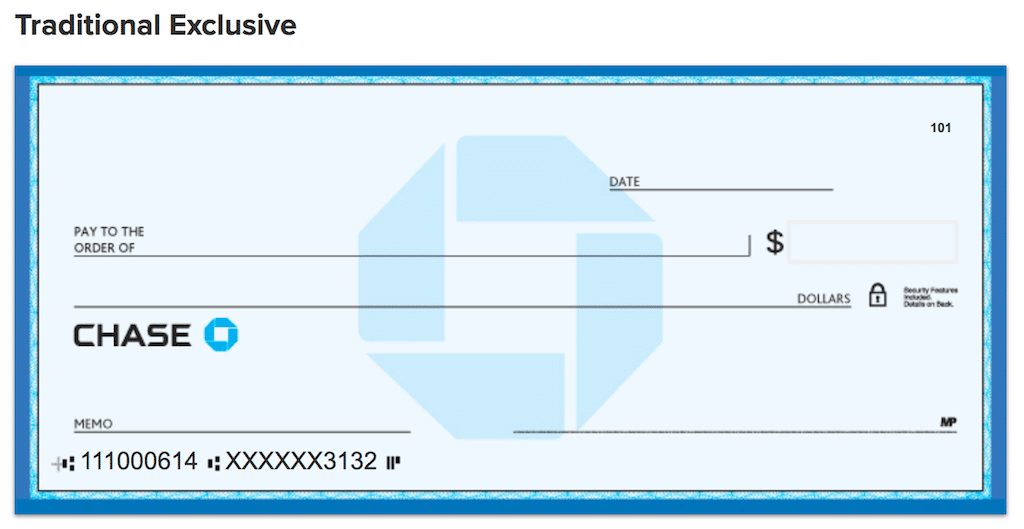
The Core Costs of Obtaining a Checkbook from Chase
When considering the price of a checkbook from Chase, it’s important to understand that there isn’t a single, fixed cost. Several factors can influence the final price, from the quantity of checks to the type of account you hold. Chase, like most major banks, offers a range of options designed to meet diverse customer needs, each with its own price point.
Standard Checkbook Pricing Tiers
Typically, checkbooks are sold in quantities, with common options including books of 100, 150, or 200 checks. The per-check cost generally decreases as the quantity increases. Basic personal checkbooks usually start at a certain price point, which can vary. For instance, a standard book of 100 checks might cost anywhere from $20 to $35. These prices are competitive with the broader banking industry, reflecting the operational costs of printing and processing. Business checkbooks, which often feature additional security features or specific formatting for ledgers, can be more expensive due to their specialized nature and typically higher volume usage. Prices also fluctuate, so checking the most current rates directly with Chase is always advisable.
Account Type Influence on Checkbook Costs
One of the most significant determinants of checkbook cost at Chase is the type of checking account you maintain. Chase offers a spectrum of accounts, from basic checking to premium services, and these often come with varying benefits, including complimentary checkbooks.
-
Standard Checking Accounts: For basic accounts like Chase Total Checking®, customers typically bear the full cost of checkbooks. While convenient, the expense for checks is an additional line item in your financial planning.
-
Premium Checking Accounts: Accounts such as Chase Sapphire Banking℠ or Chase Private Client often include free standard checkbooks as a perk. These accounts generally require higher balances or specific relationship criteria but offer a host of benefits, including waived fees for certain services, higher interest rates, and dedicated financial advisors, making the free checks a welcome addition.
-
Business Checking Accounts: Chase Business Checking accounts generally require customers to purchase their checks. However, for larger businesses or those with specific needs, there might be options for bulk orders or specialized checks that could influence pricing.
Understanding your account benefits is key to predicting checkbook expenses. A quick review of your account’s terms and conditions or a conversation with a Chase representative can clarify if you’re eligible for complimentary checks.
Expedited Shipping and Customization Fees
Beyond the basic cost of the checks themselves, additional charges can accrue, particularly if you opt for convenience or personalization.
-
Expedited Shipping: If you need checks quickly, standard shipping times can be several business days. Opting for expedited shipping (e.g., overnight or two-day delivery) will incur an extra charge, which can significantly increase the total cost. This is often a necessary expense for last-minute needs but should be budgeted for.
-
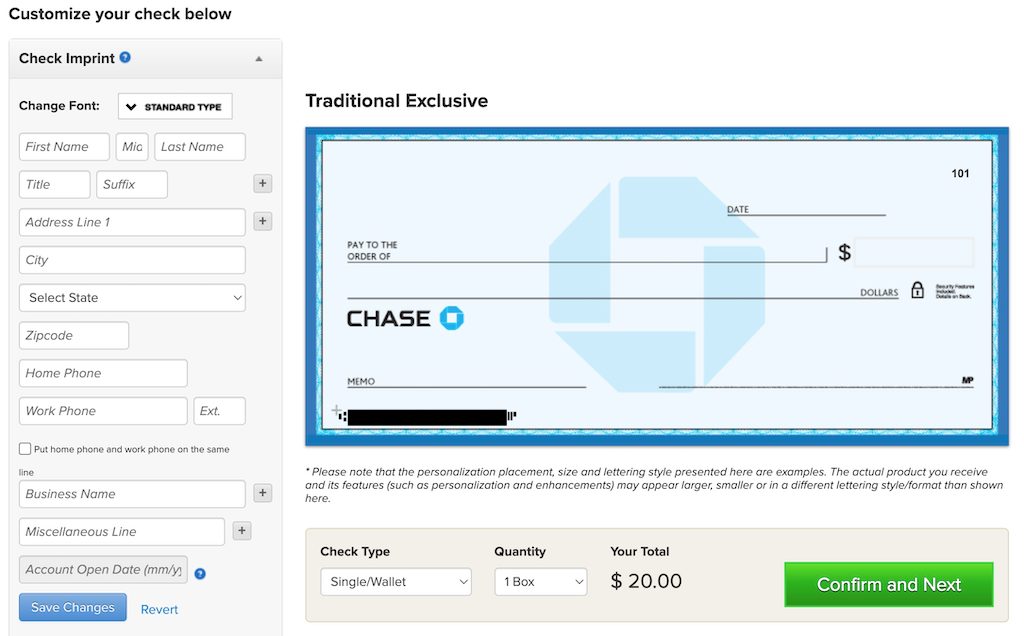
Customization Options: While basic checkbooks come with standard designs, many customers prefer to personalize their checks. This could include adding unique images, special fonts, or advanced security features beyond the standard offerings. Each layer of customization typically adds to the overall cost. For businesses, specific logo placement or unique sequential numbering requirements might also lead to additional fees. Carefully consider whether these aesthetic or niche functional upgrades are worth the added expense for your specific financial needs.
Navigating Chase’s Checkbook Ordering Process
Obtaining a checkbook from Chase is a straightforward process, designed for convenience through multiple channels. Whether you prefer the ease of online transactions or the personal touch of in-branch service, Chase provides options to suit your preference.
Online Ordering through Chase’s Website
The most common and often most convenient method for ordering checks is through Chase’s secure online banking portal. After logging into your account, you can typically navigate to a section dedicated to ordering checks or managing account services. This platform allows you to:
-
Select Account: Choose the checking account for which you need checks.
-
Review Options: Browse various checkbook designs, quantities, and security features.
-
Customize: Add personal details, choose unique images, or specify numbering if desired.
-
Confirm Details: Verify your shipping address and the payee information printed on the checks.
-
View Cost: The system will display the total cost, including any shipping or customization fees, before you finalize the order.
-
Place Order: Complete the transaction, and the checks will be shipped to your specified address.
Online ordering offers the benefit of 24/7 accessibility and allows you to compare options and costs at your leisure, often providing the most up-to-date pricing.
In-Branch Ordering and Customer Service
For those who prefer face-to-face interaction or need assistance with their order, visiting a Chase branch is an excellent option. A customer service representative can:
-
Guide You Through Options: Explain the different checkbook types, pricing tiers, and customization possibilities.
-
Verify Account Benefits: Confirm if your account qualifies for free checks or discounts.
-
Assist with Order Placement: Help you fill out the necessary forms and ensure all details are correct.
-
Answer Questions: Address any concerns about security, shipping, or specific check features.
While in-branch ordering might take slightly longer than an online transaction, it offers a personalized service that can be invaluable, especially if you have complex needs or require clarification on terms. Some branches might even be able to provide temporary checks on the spot for immediate needs, though this is not a full checkbook replacement.
Phone Orders and Automated Systems
Chase also facilitates checkbook orders over the phone. You can call Chase’s customer service number and either speak to a representative or navigate an automated system.
-
Automated System: For reordering basic checks with no changes to personal information or design, an automated phone system can be quick and efficient. You’ll typically need your account number and other verification details.
-
Customer Service Representative: If you’re ordering checks for the first time, need to make changes, or have questions, speaking with a representative is advisable. They can provide personalized assistance, explain pricing, and help you customize your order over the phone.
Phone orders offer a good balance of convenience and support, particularly for those who are less comfortable with online banking or prefer direct verbal communication.
Strategies to Minimize or Avoid Checkbook Costs
While checkbooks serve a vital function, their recurring cost can add up over time. Fortunately, there are several strategic approaches you can take to reduce or even eliminate these expenses, primarily by leveraging account benefits or adopting digital alternatives.
Leveraging Premium Account Benefits
As previously mentioned, certain premium checking accounts at Chase, such as Chase Sapphire Banking or Chase Private Client, often include free standard checkbooks as part of their comprehensive benefits package. If you maintain higher balances, meet specific eligibility criteria, or are considering upgrading your banking relationship, exploring these accounts could offer significant value. The free checks, combined with other perks like waived ATM fees, higher interest rates, and personalized financial advice, might make the slightly higher requirements worthwhile for your overall financial health. Always evaluate the total value proposition of such accounts to ensure the benefits outweigh any associated fees or minimum balance requirements.
Utilizing Third-Party Check Providers (with caveats)
Many consumers find that ordering checks from third-party providers (e.g., Deluxe, Checks.com, Vistaprint) can be significantly cheaper than ordering directly from their bank. These companies specialize in check printing and often offer a wider array of designs and competitive pricing, especially for bulk orders.
However, when considering third-party providers, it’s crucial to exercise caution:
-
Security: Ensure the provider is reputable and uses secure printing processes to prevent check fraud. Look for companies that adhere to industry standards and have a strong track record.
-
Compatibility: While most third-party checks are compatible with bank processing systems, always double-check. Ensure the routing and account numbers are correctly printed and that the check format meets Chase’s requirements.
-
Privacy: Be mindful of sharing your banking information with external vendors. Use secure websites and look for privacy policies that protect your data.
While third-party checks can offer substantial savings, the added layer of vigilance regarding security and compatibility is a necessary consideration.
Embracing Digital Payment Alternatives
The most effective way to eliminate checkbook costs is to reduce or remove your reliance on physical checks altogether. The advent of digital banking and payment platforms has revolutionized how we conduct financial transactions, offering convenient, often free, and secure alternatives.
-
Online Bill Pay: Chase’s online bill pay service allows you to pay virtually any bill directly from your checking account without writing a physical check. Payments are processed electronically (ACH) or, if the recipient cannot accept electronic payments, the bank will mail a check on your behalf, typically at no charge to you.
-
Zelle®: For person-to-person payments, Zelle is a fast, free, and secure way to send money directly from your Chase app to friends, family, or even small businesses that use Zelle. It eliminates the need for checks entirely for these types of transactions.
-
Direct Deposit: For income, always opt for direct deposit. This is the most efficient and secure way to receive payments, bypassing physical checks.
-
Wire Transfers/ACH Payments: For larger or more formal transfers, especially for businesses, ACH (Automated Clearing House) payments or wire transfers offer electronic solutions that are faster and more trackable than physical checks, albeit sometimes with associated fees for wire transfers.
-
Debit/Credit Cards: For everyday purchases, debit and credit cards provide immediate, traceable payment methods that completely circumvent the need for checks.
By strategically utilizing these digital tools, many individuals and businesses find they can drastically reduce their need for physical checks, thereby saving money and enjoying greater convenience and security.
The Evolving Role of Checks in Modern Finance
Despite the undeniable shift towards digital payments, checks have not entirely faded into obsolescence. They retain a niche but important role in specific financial contexts, even as their overall usage declines and security concerns persist.
Why Checks Still Matter
While less frequent, there are still scenarios where checks are either preferred or necessary:
-
Certain Government Payments: Some government agencies, particularly at local levels, may still prefer or require checks for certain payments, fines, or fees.
-
Landlord Payments: Many landlords, especially independent ones, still request rent payments via check, offering a tangible record of payment.
-
Specific Business Transactions: For some B2B transactions, particularly with smaller vendors or for specific legal reasons, paper checks might still be exchanged.
-
Personal Gifts: For gifting money, a check remains a common and widely accepted method, often enclosed in a card.
-
Proof of Payment: A cancelled check can serve as undeniable proof of payment, sometimes more readily accepted than digital transaction records in specific disputes.
-
Payments to Individuals Without Digital Access: For individuals who may not have bank accounts set up for digital transfers, a check remains a viable option.
These use cases highlight that while checks are no longer the primary payment method for most, they maintain a functional relevance in particular situations.
Security Concerns with Physical Checks
One of the significant drawbacks of physical checks in the digital age is the inherent security risk. Unlike encrypted digital transactions, checks contain sensitive personal and banking information (account number, routing number, signature).
-
Check Fraud: Lost or stolen checks can be altered or forged, leading to unauthorized withdrawals and potential identity theft.
-
Information Exposure: When you write a check, you’re essentially providing a stranger with your bank account details, which can be exploited if the check falls into the wrong hands.
-
Storage and Handling: Proper storage of blank checks and careful handling of written checks are crucial to mitigate these risks. Shredding voided or old checks is also a critical security measure.
These vulnerabilities underscore why banks and financial experts increasingly advocate for digital payment methods, which typically offer higher levels of encryption and fraud protection.
The Future of Payments and Banking
The trajectory of payments is undeniably digital. The future of banking will likely see a continued acceleration towards contactless payments, mobile wallets, blockchain-based transactions, and artificial intelligence-driven financial management. While checks may persist in niche applications, their prominence will continue to diminish as more secure, efficient, and user-friendly digital alternatives become universally adopted. Understanding this evolution allows individuals and businesses to adapt their financial practices, ensuring they leverage the most effective tools for their needs.
Conclusion
Understanding “how much is a checkbook at Chase” involves more than just a simple price tag. It encompasses recognizing the factors that influence cost, navigating the various ordering channels, and strategically exploring options to minimize or avoid these expenses. While standard checkbooks typically cost between $20-$35 for a basic pack of 100-200, premium Chase accounts might offer them for free, and third-party providers can present cheaper alternatives.
However, the most insightful approach in modern personal finance is to evaluate your actual need for physical checks. By embracing the robust suite of digital payment options offered by Chase and other financial institutions – such as online bill pay, Zelle, and direct deposit – you can significantly reduce your reliance on checks, save money, and enhance the security and convenience of your financial transactions. The checkbook, while still a relevant tool for specific situations, is increasingly giving way to a more agile, digital-first financial ecosystem that savvy consumers and businesses are wise to embrace.
aViewFromTheCave is a participant in the Amazon Services LLC Associates Program, an affiliate advertising program designed to provide a means for sites to earn advertising fees by advertising and linking to Amazon.com. Amazon, the Amazon logo, AmazonSupply, and the AmazonSupply logo are trademarks of Amazon.com, Inc. or its affiliates. As an Amazon Associate we earn affiliate commissions from qualifying purchases.