
In an increasingly digital financial landscape, traditional payment methods like certified checks continue to hold significant sway, especially for substantial transactions where security and guaranteed funds are paramount. When faced with a requirement for a certified check, one of the first questions that often arises is: “How much will it cost?” While the answer isn’t a single, fixed number, understanding the various factors influencing the fee, along with the inherent benefits, is crucial for making informed financial decisions. This comprehensive guide will delve into the intricacies of certified checks, exploring their purpose, typical costs, acquisition process, and whether they remain the optimal choice for your financial needs.
What is a Certified Check and Why Does it Matter?
Before discussing costs, it’s essential to grasp what a certified check is and why it stands out among other payment methods. It’s not just another piece of paper; it’s a financial instrument backed by the issuing bank, offering a heightened level of security and assurance.
Defining a Certified Check
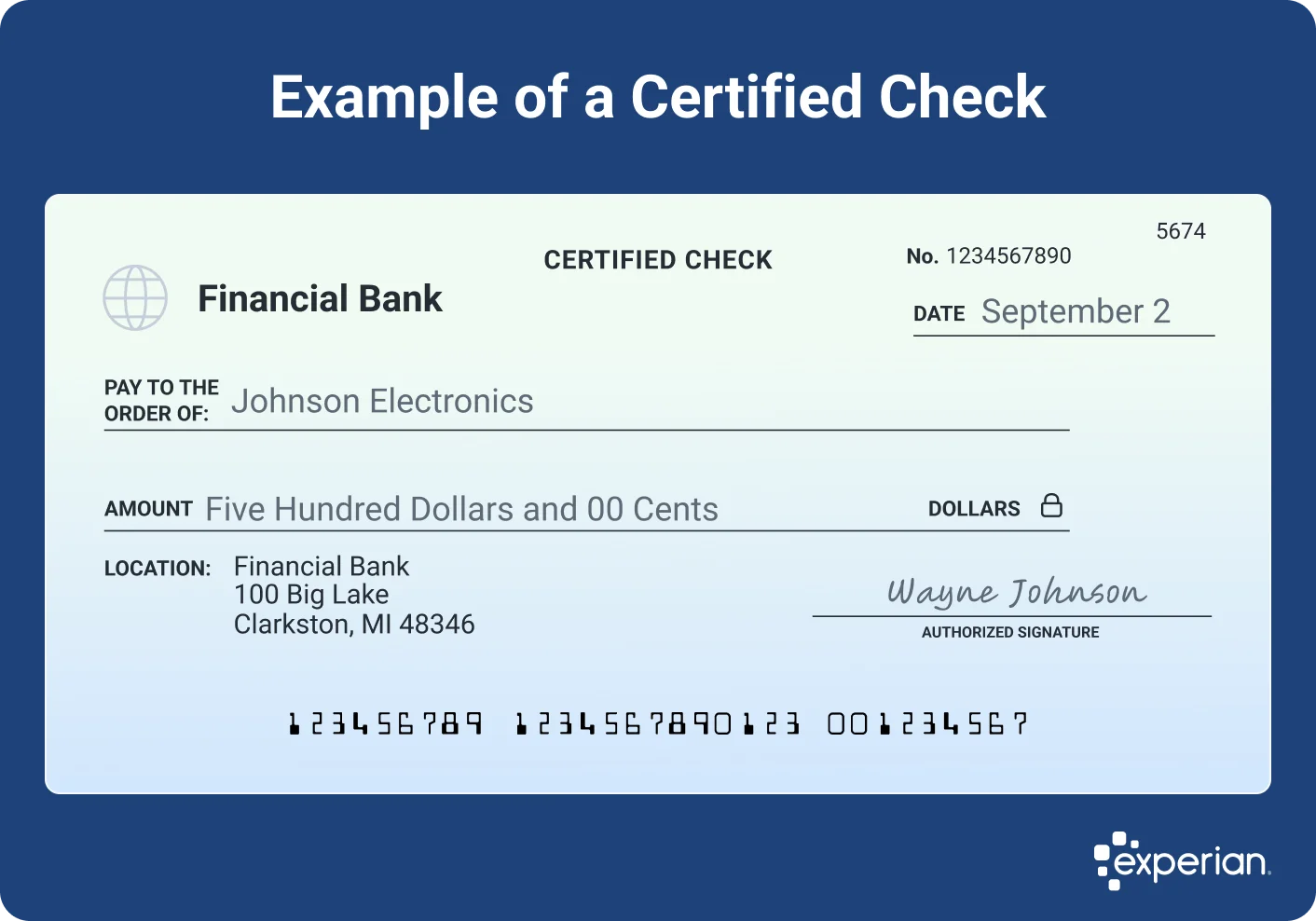
A certified check is a personal check (drawn from your own checking account) that the bank has verified, authenticated, and guaranteed. When you request a certified check, your bank essentially “freezes” the amount of the check in your account. This means the funds are immediately set aside and cannot be spent on other transactions. The bank then stamps or signs the check, certifying that the funds are available and that the signature of the account holder is genuine. This certification makes the bank directly responsible for honoring the check.
Key Characteristics and Security Features
The primary appeal of a certified check lies in its security. Unlike a standard personal check, which can bounce if the account lacks sufficient funds, a certified check provides a guarantee to the payee that the money is indeed available and will be paid.
-
Guaranteed Funds: The bank ensures the money is present and reserved.
-
Authenticity Verification: The bank verifies the account holder’s signature.
-
Reduced Risk for Payee: The recipient doesn’t have to worry about the check being returned unpaid.
-
Traceability: Like other checks, certified checks provide a clear paper trail for transactions.
Common Scenarios for Use
Certified checks are typically requested in situations where large sums of money are involved, and the payee requires assurance that the payment is secure.
-
Real Estate Transactions: Down payments, earnest money deposits, or closing costs.
-
Vehicle Purchases: Buying a car from a private seller often requires a certified check.
-
Rent or Security Deposits: Landlords may request certified funds for initial payments.
-
Large Personal Loans: Repaying a significant personal debt.
-
Legal Settlements: In some cases, court-ordered payments or settlements.
-
High-Value Purchases from Private Sellers: Any transaction where trust might be an issue.
Distinguishing it from Cashier’s Checks, Money Orders, and Personal Checks
It’s easy to confuse certified checks with other secure payment methods. Understanding the differences is key:
-
Certified Check vs. Personal Check: A personal check is drawn directly from your account, with no bank guarantee. A certified check is your personal check, but with the bank’s guarantee of funds and signature authenticity.
-
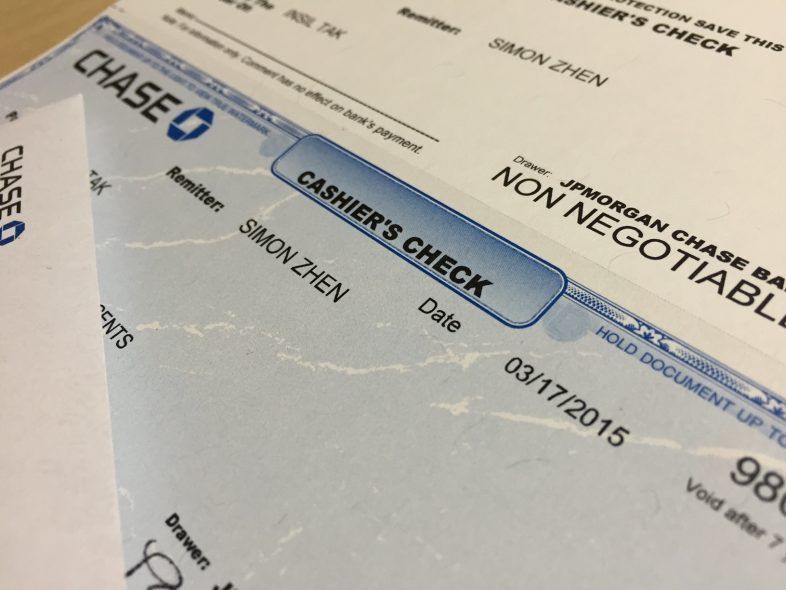
Certified Check vs. Cashier’s Check: This is the most common point of confusion. A cashier’s check is issued by the bank itself, drawn on the bank’s own funds, not your personal account. You provide the bank with the funds, and they issue a check. Both offer guaranteed funds, but a certified check is your check that the bank has authenticated, while a cashier’s check is the bank’s check. For the payee, both offer similar security.
-
Certified Check vs. Money Order: Money orders are generally for smaller amounts, typically under $1,000, and can be purchased at post offices, convenience stores, and banks. They are pre-paid instruments that guarantee funds but usually have lower limits and are not typically used for very large transactions.
The Cost of a Certified Check: What to Expect
Now, to the heart of the matter: the cost. While the security and peace of mind offered by a certified check are invaluable for certain transactions, they aren’t free. Banks charge a fee for the service of verifying funds, authenticating signatures, and guaranteeing the payment.
Typical Fee Ranges
The cost of a certified check can vary significantly depending on the financial institution. Generally, you can expect to pay anywhere from $5 to $20 for a certified check. Some institutions may charge slightly more, while others might offer them for free under specific conditions.
-
Most Common Range: $10 – $15
-
Lower End: $5 – $8 (often at credit unions or for premium account holders)
-
Higher End: $18 – $25 (typically for non-customers or specific bank policies)
Factors Influencing the Fee
Several elements can impact how much you’ll ultimately pay for a certified check:
-
Your Financial Institution: Large national banks often have a standard fee structure that might be slightly higher than smaller community banks or credit unions, which sometimes offer lower fees as a perk for membership.
-
Your Account Type: If you have a premium checking account, a high-balance account, or a certain level of relationship with the bank, certified checks might be offered for free or at a reduced cost. Some banks waive fees for specific account tiers.
-
Customer vs. Non-Customer Status: Most banks will only issue certified checks to their account holders, as it requires verifying the funds in an existing account. If, by some rare chance, a bank agrees to issue one to a non-customer, the fee will almost certainly be substantially higher, often exceeding $25, if they even offer the service at all.
-
Branch vs. Online: While certified checks typically require an in-person visit to a branch for verification, the fee structure is usually consistent across all branches of the same institution.
Are There Ways to Avoid or Reduce Fees?
While not always possible, there are a few strategies to potentially reduce or avoid certified check fees:
-
Check Your Account Benefits: Review the terms and conditions of your checking account. Many premium or interest-bearing accounts include a certain number of free certified checks per month or year.
-
Credit Union Membership: Credit unions are often known for lower fees and more member-friendly services. If you’re a member, you might find certified checks are cheaper or even free.
-
Negotiate with Your Bank: For long-standing customers with good banking relationships, sometimes a polite request can lead to a fee waiver, especially if it’s an infrequent request.
-
Consider Alternatives: If the fee is a significant concern and the payee is flexible, explore alternative payment methods that might be cheaper or free, such as wire transfers (though these have their own fees), Zelle, or other electronic transfers, if they offer sufficient security for the transaction.
The Value Proposition: Why Pay for Security?
When considering the fee, it’s crucial to weigh it against the value provided. For a small fee, you gain:
-
Peace of Mind: Knowing the transaction is secure for both parties.
-
Reduced Risk: Eliminating the chance of a returned check due to insufficient funds.
-
Transaction Finality: Once the certified check is deposited, the funds are guaranteed.
In the grand scheme of a large transaction, a $10-$20 fee is a minimal investment for the significant security and assurance it provides.
Where to Obtain a Certified Check
Obtaining a certified check is a straightforward process, but it almost always requires an in-person visit to your financial institution.
Traditional Banks and Credit Unions
The most common place to get a certified check is at a branch of your own bank or credit union. Since the bank needs to verify your account balance and authenticate your signature, this service is typically not available online or through ATMs.
What to Bring: Required Documentation
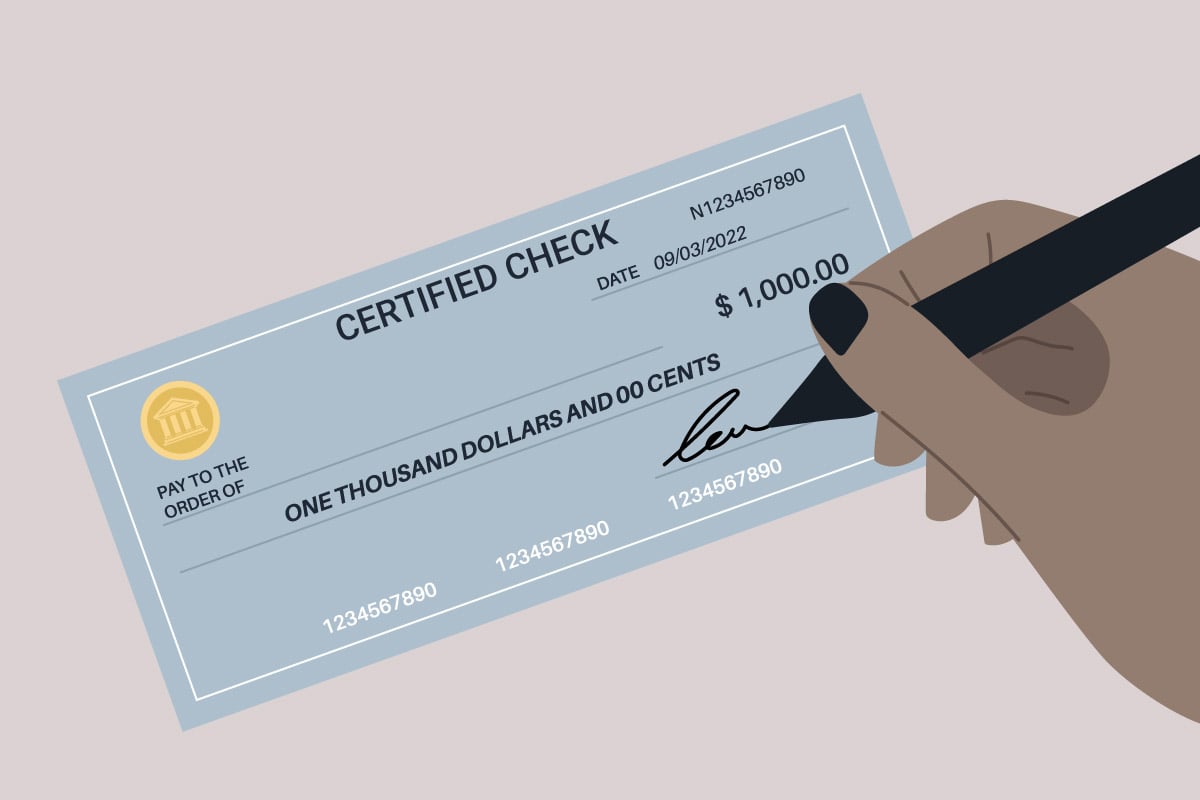
To ensure a smooth process, gather the following before heading to the bank:
-
Valid Photo Identification: A government-issued ID like a driver’s license or passport is essential to verify your identity.
-
Your Account Number or Debit Card: The bank will need to access your checking account to verify funds and debit the check amount.
-
The Exact Name of the Payee: Double-check the spelling of the individual or entity you are paying.
-
The Exact Amount of the Check: Know the precise amount you need to pay.
-
Any Relevant Account Information for the Payee (Optional but helpful): If the check is for an account (e.g., an escrow account number).
The Process: Step-by-Step Issuance
-
Approach a Teller or Customer Service Representative: Inform them you need a certified check.
-
Provide Required Information: Present your ID, account details, payee name, and the check amount.
-
Fund Verification: The bank will verify that you have sufficient funds in your account.
-
Funds Hold/Deduction: The bank will place a hold on the funds or directly deduct the amount from your account, plus the service fee.
-
Check Certification: Your personal check will be stamped, signed, or otherwise marked by the bank to indicate it’s certified. Sometimes, a new check is printed and then certified.
-
Receive Your Check: You will be given the certified check to deliver to the payee. It’s wise to make a photocopy or take a picture of the check for your records before handing it over.
Non-Customer Options
As mentioned, obtaining a certified check as a non-customer is highly unlikely. Because the core function of a certified check involves guaranteeing funds from your specific account, a bank cannot offer this service if you don’t have an account with them. If you absolutely cannot open an account, a cashier’s check from any bank (if they offer it to non-customers, usually for a higher fee) or a wire transfer might be your only alternatives.
Beyond the Fee: Other Considerations for Certified Checks
While the cost is a primary concern, several other factors related to certified checks warrant attention to ensure a smooth and secure transaction.
Availability of Funds
This is non-negotiable. You must have the full amount of the check, plus the bank’s fee, available in your checking account at the time you request the certified check. If your balance is insufficient, the bank cannot certify the check.
Potential Delays and Processing Times
While the funds are guaranteed immediately once certified, the physical process of obtaining the check requires a bank visit, which may involve waiting in line. Once deposited, certified checks generally clear faster than personal checks, often within one business day, because the funds are already verified. However, institutions can still place holds on funds for various reasons, so it’s wise to confirm the payee’s expected clearing time.
Security Best Practices
Even with a certified check, vigilance is key:
-
Record Information: Always make a photocopy or take a clear picture of the certified check before you hand it over. Note the check number, date, payee, amount, and the bank’s certification details. This is vital for your records and in case of dispute or loss.
-
Verify Recipient: Ensure you are giving the check to the correct, intended recipient. Scammers often try to intercept payments or trick individuals into sending money to fraudulent entities.
-
Avoid Overpayment Scams: Be extremely cautious of situations where someone sends you a certified check for more than the agreed amount and asks you to refund the difference. This is a common scam, as the initial “certified” check can still turn out to be fraudulent, leaving you out of pocket for the refunded amount.
What if a Certified Check is Lost or Stolen?
Losing a certified check can be a significant headache because the funds are guaranteed. If a certified check is lost or stolen, immediately contact your bank. They will likely require you to:
-
File a Police Report: Especially if it was stolen.
-
Sign an Indemnity Agreement: Because the bank has guaranteed the funds, they will require you to sign an agreement stating you will reimburse them if the original check is cashed by someone else. This protects the bank from double payment.
-
Wait for a Replacement: It can take several weeks or even months for the bank to issue a replacement check, as they must ensure the original hasn’t been cashed. This process highlights why keeping a record of the check is so important.
Is a Certified Check Always the Best Option? Alternatives to Consider
While certified checks offer robust security, they are not always the most convenient or necessary option. Depending on your needs, other financial tools might be more suitable.
Cashier’s Checks
As discussed, cashier’s checks are very similar to certified checks in terms of security and guaranteed funds. The main difference is that a cashier’s check is drawn directly on the bank’s own funds. For the payee, the security is virtually identical. Fees are usually comparable to certified checks. If your bank doesn’t offer certified checks, a cashier’s check is an excellent alternative.
Wire Transfers
For immediate and direct transfers, especially for very large sums or international payments, wire transfers are often preferred. Funds are electronically transferred from one bank account to another.
-
Pros: Fastest method, funds are typically available within hours (sometimes minutes), direct bank-to-bank transfer.
-
Cons: Higher fees (can range from $25 to $50+ domestically, more for international), irreversible once sent, requires accurate recipient bank details.
Electronic Funds Transfers (EFTs)
Modern digital payment platforms offer increasingly secure and often free ways to transfer money electronically for smaller to moderate amounts.
-
ACH Transfers: Automated Clearing House transfers are common for direct deposit, bill pay, and person-to-person payments like Zelle. They are generally free but can take 1-3 business days to clear.
-
Zelle, Venmo, PayPal: These peer-to-peer payment apps are convenient for smaller transactions, often free, and instant for services like Zelle. However, they typically have daily/weekly limits and don’t offer the same level of protection for very large or complex transactions as certified checks or wires.
Escrow Services for Large Transactions
For extremely high-value transactions, particularly in real estate or business acquisitions, an escrow service might be the most secure option. An impartial third party holds the funds (and sometimes documents) until all conditions of a contract are met, ensuring both buyer and seller are protected. While more complex and involving higher fees, it provides the ultimate layer of security.
When a Personal Check Suffices
For smaller, routine transactions with trusted individuals or businesses, a standard personal check is perfectly acceptable and incurs no direct fee (beyond your bank account’s monthly maintenance fees, if any). Judge the risk: if a bounced check would cause significant hardship or distrust, opt for a more secure method. If it’s a small bill to a reputable company, a personal check is likely fine.
Conclusion: Making an Informed Financial Decision
The question of “how much for a certified check” opens a broader discussion about secure payment methods and financial literacy. While typically costing between $5 and $20, this fee represents an investment in security, offering guaranteed funds and peace of mind for significant transactions. Understanding when and why to use a certified check, where to obtain one, and what to consider beyond the immediate cost is vital.
By weighing the benefits of security against the associated fee and exploring suitable alternatives, you can confidently navigate your financial transactions, choosing the most appropriate and secure payment method for every situation. In a world where financial fraud is a constant threat, knowing your options and making informed choices remains your best defense.
aViewFromTheCave is a participant in the Amazon Services LLC Associates Program, an affiliate advertising program designed to provide a means for sites to earn advertising fees by advertising and linking to Amazon.com. Amazon, the Amazon logo, AmazonSupply, and the AmazonSupply logo are trademarks of Amazon.com, Inc. or its affiliates. As an Amazon Associate we earn affiliate commissions from qualifying purchases.