
In an increasingly digital world, the need for physical cash might seem to dwindle, yet there are countless situations where having immediate access to paper currency remains essential. From paying for small transactions at cash-only establishments to ensuring you have funds during an emergency, understanding your bank’s ATM withdrawal policies is a crucial aspect of personal financial management. For Chase account holders, knowing the specifics of how much cash you can withdraw from a Chase ATM can prevent unexpected inconveniences and help you manage your liquidity effectively. This article delves into the nuances of Chase ATM withdrawal limits, strategies for accessing larger sums, and best practices for managing your cash flow.
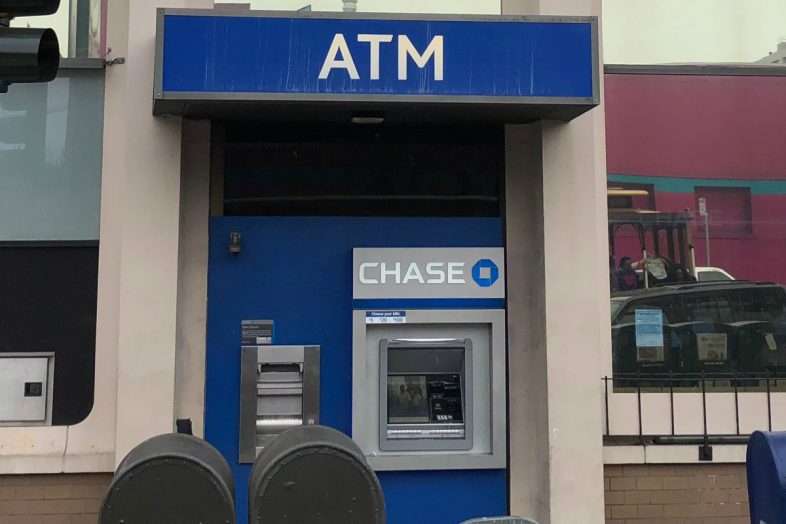
Understanding Chase ATM Withdrawal Limits
ATM withdrawal limits are a standard practice across the banking industry, implemented for several reasons, including security, fraud prevention, and to manage the physical cash supply within the ATM network. Chase, like other major financial institutions, sets daily limits that can vary based on several factors.
Daily Standard Limits for Personal Accounts
For most personal checking and savings accounts with Chase, the standard daily ATM withdrawal limit typically ranges from $500 to $1,000. It’s important to understand that this limit is generally calculated on a rolling 24-hour basis, not strictly a calendar day. This means if you withdraw $500 at 10 PM on Monday, that $500 counts towards your limit for the next 24 hours, meaning you might not be able to withdraw more until 10 PM on Tuesday.
This standard limit is designed to accommodate the everyday cash needs of the vast majority of customers. It allows for gas money, groceries, small purchases, and minor emergencies without exposing your account to excessive risk should your card be compromised. While these figures serve as a general guideline, your specific limit might be higher or lower.
Factors Influencing Your Specific Limit
Several variables can influence the precise ATM withdrawal limit Chase assigns to your account:
-
Account Type: Different types of checking or savings accounts may come with varying limits. For instance, premium checking accounts, such as Chase Sapphire Checking or Chase Private Client accounts, often feature higher daily withdrawal limits compared to basic checking accounts. These accounts are designed for clients with more substantial financial assets and, consequently, greater liquidity needs.
-
Relationship with Chase: Your overall banking relationship with Chase can play a significant role. Long-standing customers with a history of responsible banking and multiple accounts (e.g., checking, savings, credit cards, investments) might be afforded greater flexibility. Chase often evaluates a customer’s total assets under management and banking history when determining these limits.
-
Debit Card Type: While most Chase debit cards adhere to similar limits, certain specialized cards or business debit cards might have different thresholds.
-
Account Balance: While not always a direct determinant of the limit itself, having a sufficiently high account balance is a prerequisite for withdrawing any amount. The ATM will, of course, only dispense cash up to your available balance, even if that amount is below your daily withdrawal limit.
It’s always best to verify your specific daily withdrawal limit directly with Chase. This information is often accessible through your online banking portal, the Chase mobile app, or by contacting customer service.
Business Account Considerations
Business checking accounts at Chase typically have higher ATM withdrawal limits than personal accounts. Recognizing that businesses often have greater cash flow requirements for operational expenses, payroll, or petty cash, Chase adjusts these limits accordingly. Business ATM withdrawal limits can range from $1,000 to $3,000 or more per day, depending on the specific business account type, the business’s banking history, and the volume of transactions it processes. Businesses with substantial and frequent cash needs may even be able to negotiate custom limits by speaking directly with a Chase business banking representative.
Strategies to Increase Your ATM Withdrawal Limit
While daily limits are in place for valid reasons, there are times when you genuinely need to access a larger sum of cash than your standard ATM limit allows. Fortunately, Chase provides several avenues to address these situations.
Contacting Chase Customer Service
The most direct and often most effective way to temporarily or permanently increase your ATM withdrawal limit is to contact Chase customer service. You can do this by calling the number on the back of your debit card, logging into your online banking and using the secure message feature, or visiting a local branch.
When you contact them, be prepared to:
-
Explain your need: Clearly state why you need a higher limit (e.g., purchasing a used car, a large down payment, travel expenses).
-
Provide identification: You will need to verify your identity to ensure account security.
-
Request a temporary increase: For one-off large withdrawals, Chase is often willing to grant a temporary increase for a specific period (e.g., 24-48 hours). Permanent increases are less common but possible for long-standing, high-value clients.
It’s advisable to make this request in advance, especially if you plan to visit a branch, as some processes might require manager approval.
Upgrading Your Account or Card
As mentioned, certain premium checking accounts offer higher standard limits. If your cash access needs are consistently above the basic limits, it might be worthwhile to explore upgrading your Chase account. Accounts like Chase Sapphire Checking come with a suite of benefits, including potentially higher ATM withdrawal limits, though they may also have higher balance requirements or monthly fees that need to be waived. Similarly, if you have a specialized debit card associated with a particular account tier, upgrading that account could automatically lead to an increased limit.
Using Alternative Withdrawal Methods
While not an “increase” to the ATM limit itself, leveraging other Chase services can effectively allow you to access more cash than an ATM permits. This strategy is particularly useful when immediate ATM access is insufficient.
-
In-Branch Teller Withdrawals: Visiting a Chase branch and withdrawing cash directly from a teller is often the best option for very large sums. Teller withdrawals are generally limited only by your available account balance and the cash on hand at the branch. For exceptionally large amounts (e.g., tens of thousands of dollars), it’s courteous and practical to call the branch ahead of time to ensure they have the necessary funds available.
-
Debit Card Purchases with Cashback: Many retailers, especially grocery stores and pharmacies, offer a “cashback” option when you make a purchase with your debit card. While typically limited to smaller amounts (e.g., $20-$100 per transaction), this can be a convenient way to get a bit more cash if you’re close to your ATM limit and need a small top-up. These cashback amounts are usually separate from your daily ATM withdrawal limit, though they do count against your daily debit card spending limit.
Navigating Common Withdrawal Scenarios
Understanding the limits is one thing; applying that knowledge in real-world scenarios is another. Here are a few common situations and how to navigate them effectively.
Urgent Large Cash Needs
If you suddenly find yourself needing a significant amount of cash (e.g., for a last-minute down payment on a vehicle from a private seller, an unexpected home repair, or an international trip), the best course of action is to:
-
Check your current limit: Verify your daily ATM withdrawal limit via the Chase app or online banking.
-
Contact Chase immediately: If your need exceeds the limit, call customer service or visit a branch as soon as possible. Explain the urgency and your specific need. They may be able to temporarily adjust your limit or advise on the fastest way to get the funds.
-
Consider alternative methods: If the ATM limit cannot be immediately increased, plan to visit a branch for a teller withdrawal, or use a combination of ATM withdrawals over consecutive days if time permits.
International ATM Withdrawals and Fees
When traveling internationally, your Chase ATM withdrawal limit generally remains the same as your domestic limit. However, there are additional considerations:
-
Exchange Rates: Withdrawals will be converted to the local currency at Chase’s exchange rate, which usually includes a small markup.
-
Foreign Transaction Fees: Chase typically charges a foreign transaction fee (often 3%) on international ATM withdrawals. This is separate from any fee charged by the local ATM operator.
-
Local ATM Fees: Many foreign ATMs levy their own fees for non-customer withdrawals.
-
Notify Chase of Travel: Always inform Chase of your travel plans in advance to prevent your card from being flagged for suspicious activity and potentially blocked.
For large international cash needs, consider a combination of methods: some local currency withdrawn from an ATM (being mindful of fees), using a no-foreign-transaction-fee credit card for larger purchases, and perhaps carrying a small amount of USD for emergency exchange.
Safeguarding Your Transactions and Account Security
While accessing cash, always prioritize security:
-
Choose well-lit, public ATMs: Avoid isolated or dimly lit ATMs, especially at night.
-
Be aware of your surroundings: Look out for suspicious individuals or devices attached to the ATM (skimmers).
-
Shield your PIN: Always cover the keypad with your hand when entering your PIN.
-
Keep your receipts: Reconcile your ATM receipts with your account statements.
-
Report suspicious activity immediately: If you notice any unauthorized transactions or believe your card information has been compromised, contact Chase immediately.
Beyond the ATM: Other Cash Access Options
While ATMs are incredibly convenient, they are not the only way to get cash from your Chase account. Diversifying your methods can provide greater flexibility.
In-Branch Teller Services
As previously mentioned, visiting a Chase branch provides the highest degree of flexibility for cash withdrawals. There are generally no daily limits on teller withdrawals other than your available balance and the branch’s cash on hand. This is the go-to method for very large cash needs, and it also allows for personalized service and advice.
Using Debit Cards for Purchases with Cash Back
This method, popular at many retail outlets, allows you to get a small amount of cash back when you make a debit card purchase. For example, if you buy groceries for $50 and request $20 cash back, $70 will be debited from your account, and you’ll receive $20 in physical cash. This is a convenient option for small, unplanned cash needs and can complement your ATM withdrawals without impacting your ATM limit.
Digital Wallets and P2P Transfers
While not direct cash withdrawals, digital wallets (like Apple Pay, Google Pay) and peer-to-peer (P2P) payment apps (like Zelle, Venmo, PayPal) reduce the overall need for physical cash in many situations. You can pay merchants directly with your phone or send money to friends and family instantly without ever touching cash. This indirect method of managing funds can significantly lessen your reliance on ATMs for everyday transactions, thereby reserving your ATM limit for actual cash requirements.
Best Practices for Managing Your Cash Flow with Chase
Effective cash management is a cornerstone of sound personal finance. Understanding and strategically using Chase’s cash access options can significantly contribute to your financial well-being.
Regular Monitoring of Account Balances
Always be aware of your current checking and savings account balances. Use the Chase mobile app or online banking to check your balance before making a withdrawal. Overdrawing your account can lead to fees and potential complications, even if you are within your withdrawal limit.
Planning for Large Cash Expenditures
If you anticipate needing a large sum of cash, plan ahead. Don’t wait until the last minute. By planning, you can contact Chase customer service in advance to request a temporary limit increase or schedule a branch visit to ensure the funds are available. This proactive approach prevents stress and ensures you have the money when you need it.

Understanding Fees Associated with Withdrawals
Be mindful of potential fees. While withdrawing from a Chase ATM with your Chase debit card is generally free, using out-of-network ATMs (non-Chase ATMs) can incur both a fee from Chase and a fee from the ATM operator. International withdrawals almost always come with foreign transaction fees and potentially local ATM fees. Factor these costs into your financial planning to avoid unexpected expenses.
In conclusion, knowing “how much cash can I withdraw from a Chase ATM” involves understanding not just a single number but a dynamic set of factors including your account type, banking relationship, and specific circumstances. By familiarizing yourself with these details and leveraging the various tools Chase offers, you can confidently and securely manage your cash access, ensuring you always have the funds you need, when you need them.
aViewFromTheCave is a participant in the Amazon Services LLC Associates Program, an affiliate advertising program designed to provide a means for sites to earn advertising fees by advertising and linking to Amazon.com. Amazon, the Amazon logo, AmazonSupply, and the AmazonSupply logo are trademarks of Amazon.com, Inc. or its affiliates. As an Amazon Associate we earn affiliate commissions from qualifying purchases.