
In an increasingly digital financial landscape, the humble paper check might seem like a relic of a bygone era. Yet, for many individuals and businesses, checks remain an essential tool for managing payments, whether it’s for paying rent, contractors, or making a thoughtful gift. If you bank with Chase, one of the largest financial institutions in the United States, understanding the cost and process of ordering checks is a fundamental aspect of managing your personal finances. This comprehensive guide delves into the various factors that influence the price of checks from Chase Bank, explores your ordering options, and offers insights into navigating the modern payment ecosystem efficiently and economically.
Understanding the Cost of Checks at Chase
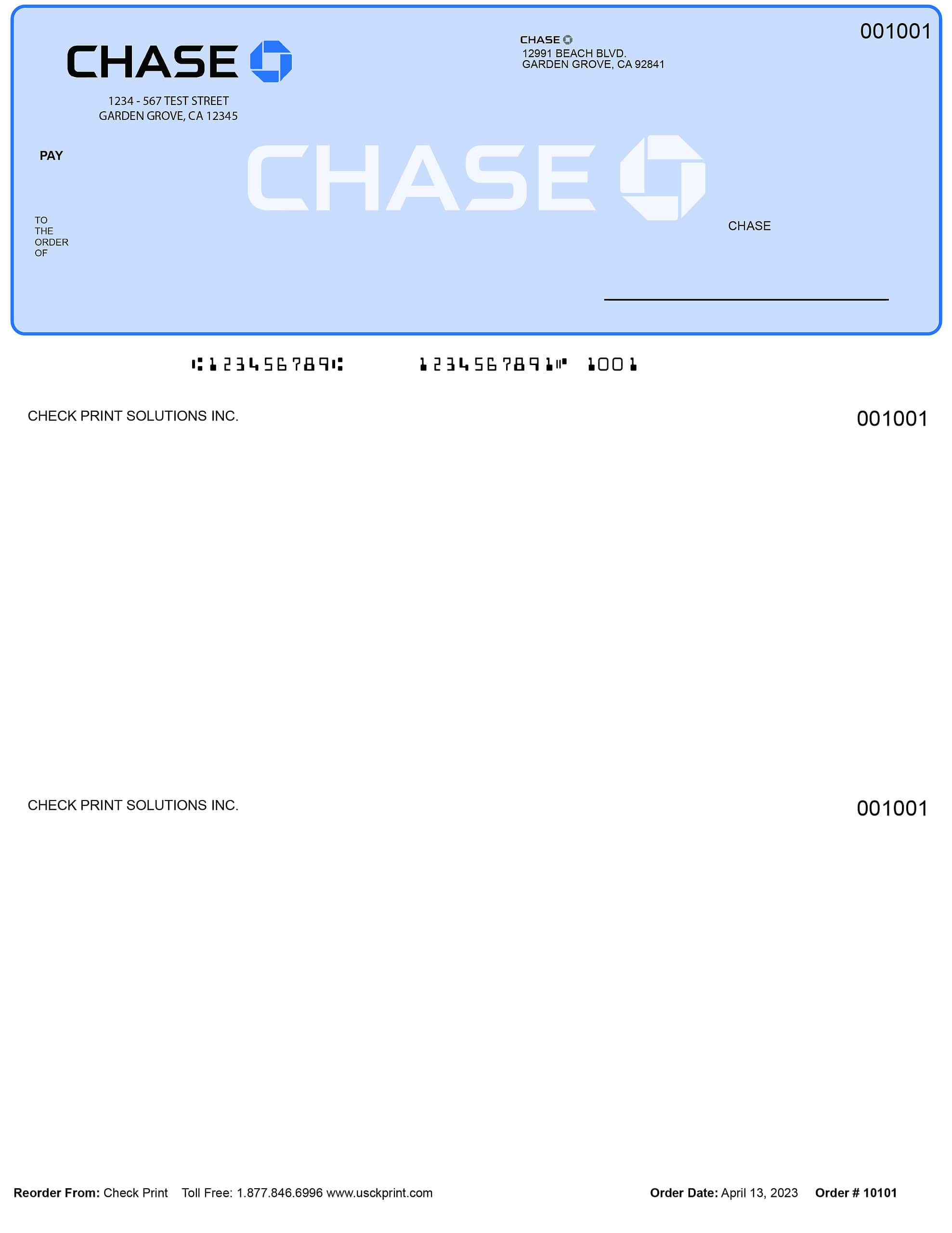
The price you pay for checks from Chase Bank isn’t a fixed, one-size-fits-all figure. Several variables come into play, influencing the final cost. These factors range from the quantity you order to the style and even the specific type of checking account you hold with Chase. Discerning these elements is the first step toward making informed decisions about your check-ordering needs.
Factors Influencing Check Costs
The primary determinants of check costs are generally consistent across most financial institutions, including Chase. Firstly, the quantity of checks you order significantly impacts the per-check price. Typically, ordering a larger batch (e.g., 200 or 400 checks) will result in a lower cost per check compared to ordering a smaller quantity (e.g., 100 checks). This is due to economies of scale in printing.
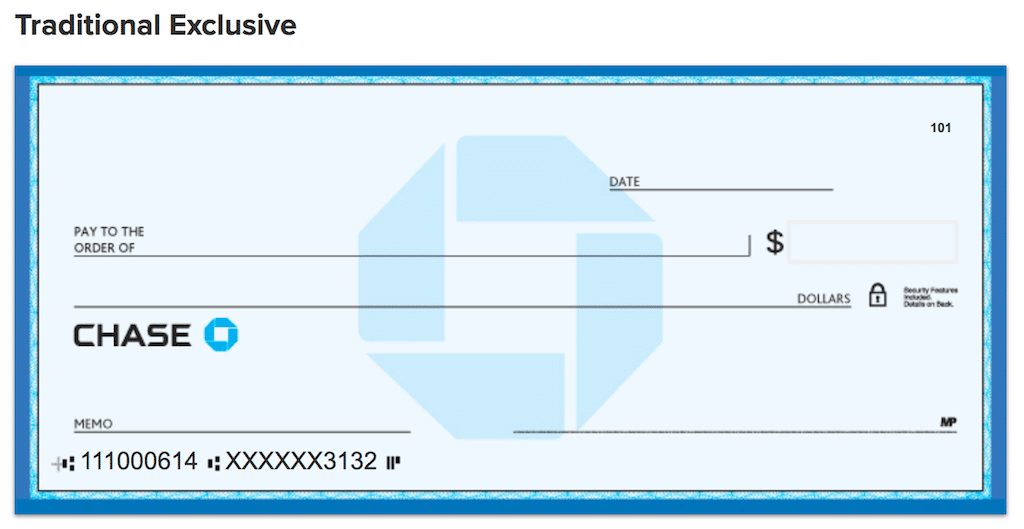
Secondly, the style and design of your checks play a crucial role. Standard, basic checks are usually the most affordable option. However, if you opt for personalized designs, themed checks, security features beyond the basic standard, or specialty checks like carbon-copy duplicate checks, the price will increase. These custom features add to the complexity and material cost of production.
Thirdly, expedited shipping is an additional cost many customers encounter. While standard shipping might be included or minimally priced, if you need your checks delivered quickly, Chase, like other providers, will charge a premium for express services. It’s important to factor in your urgency when considering this extra expense.
Finally, any additional features such as deposit slips, checkbook covers, or specialized registers, which might be bundled with your check order, can also contribute to the overall cost. These accessories, while convenient, are typically not included in the base price of the checks themselves.
Standard Ordering Methods and Associated Fees
Chase offers several convenient ways to order checks, each with its own nuances regarding potential fees and ease of use. The most common methods are through their online banking portal, by visiting a physical branch, or by calling their customer service line.
Ordering online through Chase’s website or mobile app is often the most straightforward and sometimes the most cost-effective method. You can typically view various styles, quantities, and pricing options transparently. While the price of the checks themselves will be displayed, any associated shipping fees will also be itemized. Chase often partners with a specific check printer (like Deluxe Corporation) for these orders, and their pricing structure is integrated into the online platform.
Ordering checks at a Chase bank branch provides the benefit of speaking directly with a representative who can guide you through the options and answer any questions. While the base price for checks will be the same as online, there might be slight variations in how shipping is handled or if certain promotions are available exclusively through a branch visit. The primary “cost” here might be your time, as waiting in line is a possibility. However, it can be beneficial for complex orders or first-time users.
Placing an order via phone through Chase’s customer service typically follows a similar pricing structure to online orders. A customer service representative will assist you in selecting your checks and processing the order. This method is convenient if you prefer verbal assistance or have specific questions that require direct interaction. Again, standard check costs and shipping fees will apply.
It’s important to note that the cost of the checks themselves is distinct from any potential service fees Chase might charge for maintaining your checking account. The price of checks is essentially a charge for a product and its delivery, not a banking service fee.
The Role of Account Type in Check Pricing
Your specific checking account type with Chase can sometimes influence the cost of your checks, or even whether you receive some for free. Chase offers a variety of checking accounts, designed for different financial needs, and some come with perks that can mitigate check-ordering expenses.
For instance, customers with premium accounts, such as Chase Sapphire Checking or Chase Private Client Checking, often receive benefits like free standard checks. These higher-tier accounts typically come with higher balance requirements or monthly fees, but they bundle in various conveniences, including complimentary checks, identity theft protection, and personalized financial services. For individuals who frequently use checks, this can be a significant cost-saving perk that offsets some of the account’s premium nature.
Conversely, standard accounts like Chase Total Checking® or student accounts may not include free checks as a default benefit. In these cases, customers will be responsible for the full cost of ordering checks. However, Chase occasionally runs promotions where new account holders or existing customers might receive a free box of checks. It’s always a good idea to inquire about any such offers when opening an account or when you need to reorder checks.
Understanding your account’s benefits is crucial. Before placing an order, log into your Chase online account or contact customer service to ascertain if your account type qualifies for any discounts or complimentary check orders. This small step can lead to unexpected savings.
Navigating Your Options for Ordering Chase Checks
Once you understand the cost structure, the next step is to choose the most convenient and efficient method for ordering your checks. Chase provides multiple avenues, each with its own set of advantages depending on your preferences and circumstances.
Ordering Checks Online Through Chase’s Website
For most customers, ordering checks through Chase’s official website or mobile app is the simplest and fastest method. After logging into your account, navigate to the “Account Services” or “Order Checks” section, which is typically found within your checking account details.
The online portal will guide you through a step-by-step process:
-
Select Account: Choose the checking account for which you need checks.
-
Verify Information: Confirm your name, address, and account number are accurate.
-
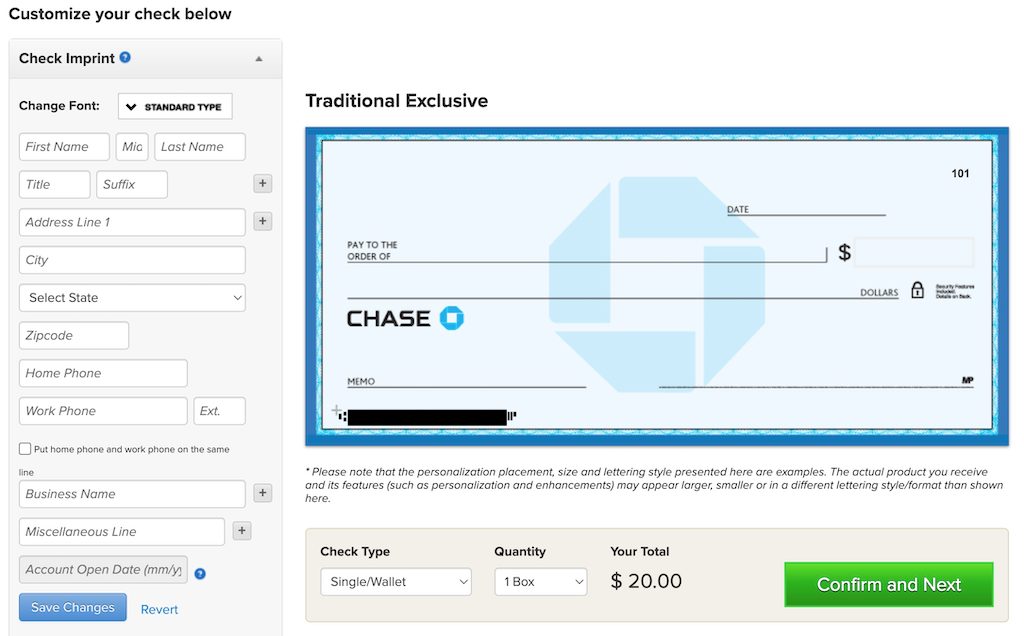
Choose Style & Quantity: Browse various check designs, security features, and select the number of checks you wish to order (e.g., 100, 200, 400). You’ll see real-time pricing updates as you make your selections.
-
Add Accessories: Opt for optional items like deposit slips or checkbook covers if needed.
-
Shipping Options: Select your preferred shipping speed. Standard shipping is usually the most economical, but expedited options are available for an extra charge.
-
Review & Confirm: Double-check all details, including the total cost, before finalizing your order.
The advantages of online ordering include convenience (24/7 access), transparency in pricing, and the ability to visually preview your check design. Orders typically take 7-10 business days for standard delivery.
In-Branch Ordering: Personalized Service vs. Convenience
If you prefer face-to-face interaction or have specific questions, ordering checks at a Chase branch can be a suitable option. This method allows you to speak with a banking representative who can:
-
Help you navigate different check designs and security features.
-
Confirm your account details and ensure accuracy.
-
Process the order directly for you.
-
Potentially inform you of any current promotions not immediately visible online.
While in-branch ordering offers personalized service, it might not be the quickest method due to potential wait times. However, for those who are less comfortable with online transactions or prefer direct assistance, it’s an invaluable resource. The pricing for checks ordered in-branch will align with the prices found online, though sometimes a representative might be able to help identify the most cost-effective option for your needs.
Phone Orders and Customer Service Assistance
For customers who prefer to order checks over the phone, Chase’s customer service line is readily available. You can find the contact number on the back of your debit card, on your bank statements, or on Chase’s official website.
When you call, a customer service representative will:
-
Verify your identity and account information.
-
Guide you through the available check options, styles, and quantities.
-
Provide pricing details, including any shipping costs.
-
Process the order on your behalf.
Phone ordering combines the convenience of not needing a computer with the benefit of speaking to a human. This can be particularly useful if you have complex instructions or need immediate clarification on specific aspects of your order. It’s also a good option if you’re traveling or don’t have immediate access to a branch or the internet.
Utilizing Third-Party Check Providers (Pros and Cons)
While Chase provides its own channels for ordering checks, you are not strictly limited to them. Many third-party check printing companies specialize in producing checks that are compatible with all major banks, including Chase. Websites like Checks.com, VistaPrint, and CheckAdvantage often offer competitive pricing, a wider array of designs, and frequent promotional discounts.
Pros of Third-Party Providers:
-
Cost Savings: Often significantly cheaper than ordering directly through your bank, especially for standard designs.
-
Greater Design Variety: A much broader selection of personal and business check designs, themes, and customization options.
-
Promotional Offers: Frequent sales, discounts, and free shipping promotions.
Cons of Third-Party Providers:
-
Security Concerns: While reputable third-party vendors use secure printing processes, some customers might feel more secure ordering directly through their bank. Always ensure the provider is well-established and has strong security protocols.
-
Data Entry: You are responsible for accurately entering your bank account number, routing number, and personal information. Any error could render the checks unusable or cause financial complications.
-
No Bank Support: If there’s an issue with your order, Chase will not be able to assist; you’ll need to work directly with the third-party company.
When considering a third-party provider, always verify their credibility and carefully double-check all information before finalizing your order. This method can lead to substantial savings but requires a higher degree of personal vigilance.
Exploring Alternatives to Traditional Paper Checks
While this guide focuses on the cost of checks, it’s equally important to consider whether a paper check is truly the most efficient or cost-effective payment method for your specific needs. The financial industry has seen a dramatic shift towards digital solutions, offering numerous alternatives that are often faster, more secure, and sometimes even free.
Digital Payment Solutions
The digital age has introduced a plethora of payment solutions that can often replace the need for a physical check.
-
Zelle: Integrated directly into the Chase mobile app, Zelle allows you to send and receive money directly between bank accounts, often within minutes, using just an email address or U.S. mobile number. It’s free for Chase customers and ideal for sending money to friends, family, or small businesses for everyday expenses.
-
Online Bill Pay: Chase offers a robust online bill pay service that enables you to schedule and send payments electronically to virtually any biller, from utilities to credit card companies. In many cases, Chase will send an electronic payment directly to the biller’s account; if the biller isn’t set up for electronic payments, Chase will often mail a paper check on your behalf, typically at no charge to you. This service eliminates the need for you to buy checks, stamp envelopes, or visit a mailbox.
-
ACH Transfers (Automated Clearing House): These electronic funds transfers are commonly used for direct deposits (paychecks) and automatic bill payments. While typically set up by companies or service providers, you can often initiate ACH payments for larger transactions through your bank. They are generally secure and cost-effective, though processing times can be longer than instant payment apps.
-
Wire Transfers: For larger, time-sensitive, or international payments, wire transfers are an option. They are very fast and secure but typically come with higher fees from Chase (e.g., $25-$50 for domestic wires, more for international). They are generally not a substitute for routine check use.
Money Orders and Cashier’s Checks for Secure Payments
For situations where a paper payment is required, but you don’t have checks, or the recipient requires a guaranteed form of payment, money orders and cashier’s checks serve as excellent alternatives.
-
Money Orders: Available at post offices, convenience stores, and some banks, money orders are prepaid paper instruments used for sending smaller amounts of money. They are less secure than cashier’s checks but more secure than a personal check, as they are guaranteed funds. Chase may offer money orders, often for a small fee (e.g., $5-$10).
-
Cashier’s Checks: These are checks drawn directly from the bank’s own funds, guaranteeing payment. They are commonly required for large transactions, such as real estate deposits or car purchases, where the recipient needs assurance that the funds are available. Chase offers cashier’s checks, typically for a fee ranging from $5 to $15, though premium account holders might get them for free.
These options provide guaranteed funds and a paper trail, fulfilling many of the same functions as a personal check but with added security or formality, albeit at a per-transaction cost.
The Decline of Paper Checks and the Rise of Digital Banking
The trend away from paper checks is undeniable. Statistics from the Federal Reserve show a steady decline in check usage over the past two decades, with digital payments rapidly ascending. This shift is driven by several factors:
-
Convenience: Digital payments are faster and can be initiated from anywhere with an internet connection.
-
Security: While checks offer a paper trail, they are susceptible to fraud if lost or stolen, revealing sensitive account information. Digital payments often use encryption and multi-factor authentication.
-
Cost-Effectiveness: Many digital payment methods are free, while checks carry printing and potentially shipping costs.
-
Environmental Impact: Reducing paper consumption aligns with environmental goals.
Despite this decline, paper checks are unlikely to disappear entirely soon. They retain a niche for specific transactions, particularly among older demographics, for payments to individuals or small businesses without digital infrastructure, and in scenarios where a physical, verifiable payment instrument is explicitly required (e.g., certain government forms or escrow payments).
Tips for Saving Money on Checks and Managing Payments
Optimizing your payment strategy with Chase involves more than just knowing how much checks cost; it’s about making smart decisions that save you money and simplify your financial life.
Comparing Costs: Chase vs. Third-Party Vendors
As discussed, third-party check providers often offer significantly lower prices than ordering directly through Chase. Before placing an order, take a few minutes to compare prices for the same quantity and style of checks from:
-
Chase’s online portal (check if your account type offers free checks).
-
Reputable third-party websites like Deluxe, Checks.com, or VistaPrint.
Be sure to factor in shipping costs for all options. For standard checks, a third-party vendor can often save you 30-70% compared to bank-direct prices. However, always prioritize security and ensure the third-party site is legitimate and uses strong encryption for your personal and banking information.
Strategic Ordering: Bulk Purchases and Timing
If you anticipate needing checks over an extended period, consider ordering in bulk. As noted, larger quantities typically result in a lower per-check cost. While this requires a larger upfront investment, it can yield significant savings over time compared to placing multiple small orders.
Additionally, pay attention to timing. Don’t wait until you’re down to your last few checks to reorder. Place your order well in advance to avoid needing expedited shipping, which can add a substantial amount to your total cost. Standard shipping is usually the most economical and sufficient if you plan ahead.
Leveraging Digital Tools to Reduce Check Reliance
The most effective way to save money on checks is to reduce your reliance on them. Embrace Chase’s extensive suite of digital banking tools:
-
Automate Bill Payments: Set up recurring payments for bills like rent, utilities, and loan payments through Chase’s online bill pay. This eliminates the need for checks and ensures timely payments, potentially avoiding late fees.
-
Use Zelle: For person-to-person payments, Zelle is free, fast, and secure. It’s an ideal alternative for splitting costs, paying babysitters, or sending money to family.
-
Debit Card and Credit Card: For everyday purchases, your Chase debit or credit card is almost always a more convenient and often more secure option than writing a check.
-
Direct Deposit: Ensure your paycheck is directly deposited into your Chase account to eliminate paper checks entirely for income.
By integrating these digital solutions into your financial routine, you’ll find fewer instances where a paper check is truly necessary, thereby reducing your check ordering frequency and associated costs.
Understanding When a Check is Still Necessary
Despite the push towards digital, there are still specific scenarios where a paper check remains the preferred or required method of payment:
-
Rent Payments: Many landlords, especially independent ones, still prefer or require paper checks for rent.
-
Payments to Individuals or Small Businesses: Some contractors, gardeners, or other service providers may not have digital payment setups and prefer a check.
-
Gifts: A personal check tucked into a greeting card is still a common and thoughtful way to give money.
-
Proof of Payment: For certain large purchases or contractual agreements, a canceled check can serve as undeniable proof of payment, though digital records can also serve this purpose.
-
Government or Institutional Payments: Certain tax payments, school fees, or other official transactions might specifically require a physical check.
Before defaulting to a check, always ask the recipient if they accept alternative payment methods. This simple question can often save you time, effort, and money.
In conclusion, while the cost of checks from Chase Bank can vary, understanding the influencing factors, exploring ordering options, and strategically utilizing modern digital payment methods can empower you to manage your finances more efficiently. By making informed choices, you can ensure you have access to the payment tools you need without overspending on paper checks in the digital age.
aViewFromTheCave is a participant in the Amazon Services LLC Associates Program, an affiliate advertising program designed to provide a means for sites to earn advertising fees by advertising and linking to Amazon.com. Amazon, the Amazon logo, AmazonSupply, and the AmazonSupply logo are trademarks of Amazon.com, Inc. or its affiliates. As an Amazon Associate we earn affiliate commissions from qualifying purchases.