
Navigating the landscape of personal finance often involves understanding the seemingly minor details that underpin major transactions. Among these details, your checking account number stands as a unique identifier, crucial for a wide array of financial activities. For Chase Bank customers, grasping the specifics of this number—its length, location, and purpose—is not just about curiosity, but about ensuring secure and efficient financial management.
While many financial institutions adopt various conventions, a Chase checking account number typically consists of 10 digits. This standard length is a critical piece of information for customers, enabling them to correctly set up direct deposits, pay bills, and manage their funds with precision. Understanding this specific detail is the first step in demystifying one of your most important financial identifiers. However, the true utility of this knowledge extends far beyond simply counting digits; it delves into the broader context of how your account number integrates into the secure and efficient functioning of your financial life.
Demystifying Your Chase Checking Account Number
Your Chase checking account number is more than just a sequence of digits; it’s a unique identifier that sets your account apart from millions of others. Unlike a Social Security number or a driver’s license number, which identify individuals, your account number specifically identifies your financial repository within Chase Bank’s extensive system.
The Standard Length and Why It Matters
As established, a Chase checking account number generally comprises 10 digits. This length is not arbitrary; it’s a carefully chosen standard designed to offer a vast number of unique combinations, ensuring that every customer’s account has its own distinct identifier. The fixed length also serves a practical purpose: it helps in verifying accuracy. If you’re asked for your 10-digit Chase checking account number and you provide fewer or more digits, it immediately flags a potential error, preventing misdirected funds or failed transactions.
This standardization is crucial for the automated systems that process billions of financial transactions daily. From an algorithmic perspective, a consistent length simplifies data validation and processing, reducing the likelihood of human error when inputting or transcribing the number. For the individual, knowing this standard length offers a quick mental checklist when dealing with financial forms or online portals.
Differentiating Account Numbers from Debit Card Numbers
A common point of confusion for many individuals is the distinction between their checking account number and their debit card number. While both are critical for accessing funds, they serve fundamentally different purposes and have distinct characteristics:
-
Checking Account Number: This is the primary identifier for your actual bank account. It’s used for behind-the-scenes transactions like direct deposits, wire transfers, and automated bill payments. It rarely changes unless you open a new account.
-
Debit Card Number: This number, typically 16 digits long, is embossed on your physical debit card. It’s used for point-of-sale purchases, online shopping, and ATM withdrawals. It’s linked to your checking account but is primarily a payment instrument. If your card is lost or stolen, you’ll receive a new card with a new debit card number, but your underlying checking account number will remain the same.
Understanding this distinction is vital for security and transaction accuracy. Providing a debit card number when an account number is requested can lead to delays, errors, or even security risks if you’re not careful about where and why you’re sharing information.
What Other Numbers Are Associated with Your Account?
Beyond your checking account number, several other crucial numerical identifiers play a role in managing your finances, particularly when dealing with transfers to or from other financial institutions, or internationally:
-
Routing Number: This nine-digit number identifies your specific financial institution and the branch where your account was opened. It’s essential for all electronic fund transfers (EFTs) within the U.S., including direct deposits, ACH transfers (like bill payments), and wire transfers. Chase, being a large bank, has several routing numbers depending on the state or region where your account was opened. It’s important to use the correct one for your specific account to avoid transaction delays.
-
SWIFT/BIC Code (for international transfers): For international wire transfers, you’ll need Chase’s SWIFT (Society for Worldwide Interbank Financial Telecommunication) or BIC (Bank Identifier Code) code. This alphanumeric code (typically 8 or 11 characters) identifies Chase Bank globally and is critical for directing funds across international borders. Unlike account and routing numbers, which are unique to your account or your U.S. branch, the SWIFT code identifies the entire bank internationally.
Grasping the function of each of these numbers ensures that you can confidently navigate various financial transactions, from receiving your paycheck to sending money abroad.
Locating Your Chase Checking Account Number
Knowing that your Chase checking account number is typically 10 digits long is only part of the equation; you also need to know where to find it. Fortunately, Chase provides several convenient and secure methods for customers to access this information.
Online Banking and Mobile App
In today’s digital age, the quickest and most accessible way to find your checking account number is through Chase’s online banking platform or mobile app.
-
Online Banking (Website): After logging into your Chase.com account, navigate to the specific checking account you wish to view. Most often, you’ll find the account number displayed prominently on the account details page. Sometimes, you may need to click on an “Account Details” or “Show More” option to reveal the full number, especially for security reasons where only the last few digits are shown initially.
-
Mobile App: The Chase Mobile app offers similar functionality. Log in, select your checking account, and look for an option like “Account Details” or “Show Account and Routing Numbers.” For added security, the app might require you to enter your password or use biometric authentication (like Touch ID or Face ID) to reveal sensitive information.
Using these digital tools not only provides instant access but also allows you to copy the number directly, reducing the chance of transcription errors.
On Your Checks
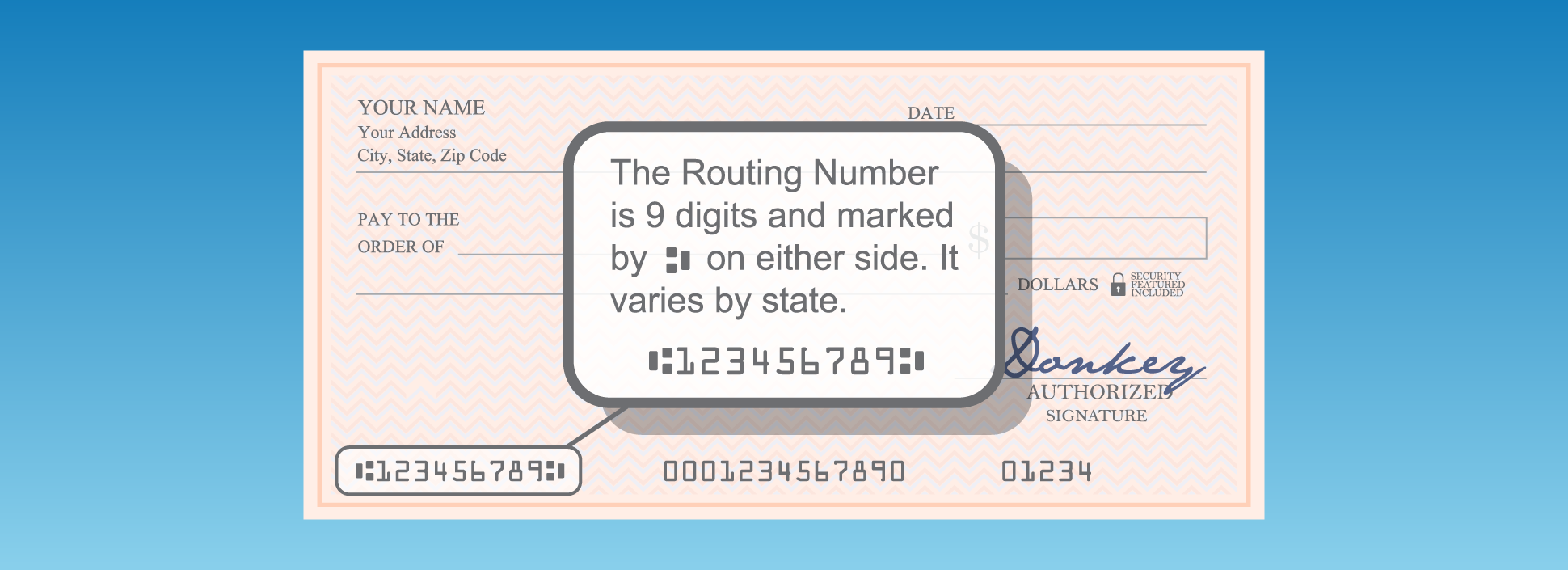
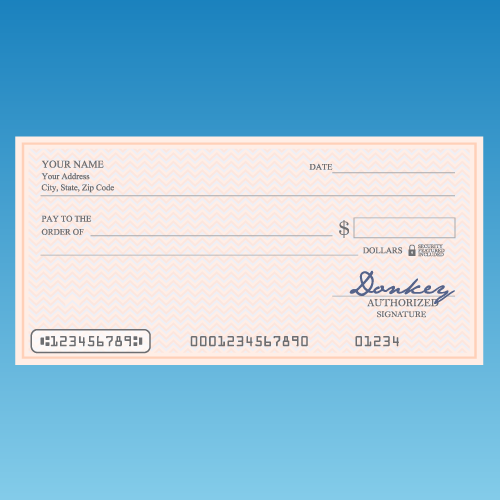
For those who still use paper checks, your checking account number is printed on every check, usually located at the bottom. This is the traditional method many people are familiar with.
-
Layout: At the bottom of a standard check, you’ll see a series of numbers separated by special symbols.
-
The first set of nine digits is your routing number.
-
The second set of digits, typically 10 digits, is your checking account number.
-
The final set is the check number (matching the number in the top right corner of the check).
-
This physical location on checks makes it very convenient when setting up direct deposits or providing information for payments where a voided check might be required. However, relying solely on checks means you need to have a checkbook handy, which isn’t always practical.
Bank Statements
Your monthly or quarterly bank statements are another reliable source for your checking account number. Whether you receive paper statements in the mail or access e-statements through your online banking portal, your account number is typically listed near the top of the statement, alongside your name and address.
Bank statements offer a comprehensive overview of your account activity, and the inclusion of your account number ensures that you can always reference it when reconciling transactions or needing to provide details to financial institutions or payees. Be mindful that for security, sometimes only the last few digits are shown on physical statements.
Direct Contact with Chase
If for any reason you cannot find your account number through the methods above, or if you prefer direct assistance, you can always contact Chase customer service.
-
Phone Support: Call the customer service number listed on Chase’s official website or the back of your debit card. Be prepared to verify your identity through security questions, your Social Security number, or other personal details.
-
In-Person at a Branch: Visiting a local Chase branch is another option. A bank teller or customer service representative can provide you with your account number after verifying your identity with a valid ID.
While these methods might take slightly longer, they provide a secure way to retrieve your information, especially if you’re concerned about online security or have specific questions.
The Critical Role of Your Account Number in Financial Transactions
Your checking account number is the bedrock for a multitude of essential financial operations. Its accuracy is paramount, as a single incorrect digit can lead to significant delays, complications, or even misdirection of funds. Understanding its role empowers you to manage your finances more effectively and securely.
Setting Up Direct Deposit and Bill Pay
Perhaps the most common use of your checking account number is for automated payments and deposits.
-
Direct Deposit: To receive your salary, government benefits, or tax refunds directly into your Chase checking account, your employer or payer will require your account number along with Chase’s routing number. This eliminates the need for paper checks, ensuring funds are available faster and reducing the risk of lost or stolen checks. An incorrect account number here can mean a delayed paycheck or, in extreme cases, funds being deposited into another person’s account (though banks have protocols to recover such errors).
-
Automated Bill Pay: When setting up recurring payments for utilities, loans, or credit cards directly from your bank account (often referred to as ACH payments), you’ll provide your account number. This automates your financial obligations, helping you avoid late fees and manage your budget more predictably. Again, accuracy is key to ensuring your bills are paid on time and to the correct recipients.
Initiating Wire Transfers
Wire transfers, especially those involving large sums or international destinations, heavily rely on the correct account number. Unlike ACH transfers, which are processed in batches over several days, wire transfers are typically faster and involve more direct communication between banks.
-
Domestic Wire Transfers: To send or receive a domestic wire transfer, both the sender and recipient will need the account number and routing number.
-
International Wire Transfers: For international wires, the SWIFT/BIC code will also be necessary in addition to the recipient’s account number and the receiving bank’s SWIFT code.
Because wire transfers are often irrevocable once processed, double-checking all numerical details—account number, routing number, and SWIFT code—is absolutely critical to prevent significant financial loss or delays.
Avoiding Common Mistakes
The most frequent issues arising from incorrect account numbers stem from simple human error.
-
Typographical Errors: A single misplaced digit can invalidate a transaction. When entering your account number online or dictating it over the phone, always double-check.
-
Confusing Account Types: Mistaking a savings account number for a checking account number, or vice-versa, can cause transactions to fail. Always ensure you’re providing the number for the correct account type.
-
Using Old Numbers: If you’ve recently closed an account and opened a new one, ensure you’re using the number for your active account.
-
Sharing with Untrusted Parties: Never provide your full account number, routing number, or other sensitive financial details to unverified sources. This is a common tactic for phishing and identity theft.
Vigilance in providing and verifying your account number prevents financial headaches and ensures your money moves as intended.
Protecting Your Financial Information: Security Best Practices
Understanding how many numbers are in your Chase checking account number and where to find it is only half the battle; protecting this vital information is equally, if not more, important. In an increasingly digital world, financial security is a continuous effort that requires awareness and proactive measures.
Recognizing Phishing Scams and Identity Theft Risks
Criminals constantly evolve their tactics to gain unauthorized access to financial information. Phishing is a primary method, where attackers impersonate legitimate entities (like Chase Bank) via email, text message, or phone calls to trick individuals into revealing sensitive data.
-
Email Phishing: Be wary of emails requesting your account number, password, or other personal details, especially if they contain urgent language, spelling errors, or suspicious links. Chase will never ask for your full account number or password via unsolicited email.
-
Smishing (SMS Phishing): Similar to email phishing, but conducted via text messages. Fraudulent texts might contain links to fake login pages.
-
Vishing (Voice Phishing): Scammers might call pretending to be from Chase, claiming there’s an issue with your account and asking for verification details. Always be suspicious of unsolicited calls asking for personal financial information. If in doubt, hang up and call Chase directly using the official number from their website or your debit card.
-
Public Wi-Fi Risks: Avoid accessing your banking apps or inputting sensitive information over unsecured public Wi-Fi networks, as these can be vulnerable to eavesdropping.
Recognizing these red flags is your first line of defense against identity theft. Your checking account number, combined with other personal details, can be used to drain your account or open new lines of credit in your name.
Safeguarding Physical and Digital Records
The physical and digital locations where your account number resides also require attention to security.
-
Physical Checks and Statements:
-
Store unused checks in a secure location.
-
Shred old bank statements, voided checks, and any documents containing your account number before discarding them. Do not simply throw them in the trash.
-
Be cautious when writing checks in public places.
-
-
Online Banking and Mobile App:
-
Use strong, unique passwords for your Chase online banking account. Consider using a password manager.
-
Enable two-factor authentication (2FA) whenever possible. This adds an extra layer of security, usually requiring a code sent to your phone in addition to your password.
-
Keep your banking app and device’s operating system updated to benefit from the latest security patches.
-
Never share your login credentials with anyone.
-
-
Public Computers: Avoid accessing your bank account on public or shared computers. If you must, ensure you log out completely and clear browser data afterwards.
A proactive approach to securing both physical and digital records significantly reduces your vulnerability to fraud.
Leveraging Chase’s Security Features
Chase Bank, like other major financial institutions, invests heavily in security measures to protect its customers. As a user, understanding and utilizing these features enhances your own security posture.
-
Fraud Monitoring: Chase employs sophisticated fraud detection systems that monitor transactions for unusual activity. If they detect something suspicious, they may contact you to verify the transaction. Respond promptly to these inquiries.
-
Security Alerts: Set up alerts through your online banking or mobile app for various activities, such as large transactions, login attempts from new devices, or changes to your account profile.
-
Zero-Liability Protection: Chase generally offers zero-liability protection for unauthorized debit card transactions, meaning you won’t be held responsible for fraudulent purchases if you report them promptly. While this pertains more to debit card numbers, it reflects the bank’s commitment to protecting your funds.
-
Secure Messaging: When communicating with Chase online, always use their secure messaging system within the online banking portal or app, rather than replying to emails that may not be secure.
-
Reporting Suspicious Activity: If you ever suspect that your account has been compromised or that you’ve been targeted by a scam, contact Chase immediately. They have dedicated teams to assist with fraud and security concerns.
By combining your personal vigilance with Chase’s robust security infrastructure, you can maintain a high level of protection for your checking account and overall financial well-being.
Beyond the Digits: Maximizing Your Chase Checking Account
While understanding the numerical intricacies of your Chase checking account is fundamental, truly maximizing its value involves looking beyond the digits. It’s about leveraging the features, integrating it into a sound financial strategy, and continually assessing its fit for your evolving financial needs.
Understanding Account Features and Benefits
A Chase checking account is more than just a place to hold money; it comes with a range of features designed to facilitate everyday banking and financial management.
-
Transaction Tracking: Utilize Chase’s online banking and mobile app to monitor your transactions, set up budgets, and categorize spending. This provides real-time insights into your cash flow.
-
Bill Pay Services: Take advantage of Chase’s integrated bill pay service to schedule one-time or recurring payments, ensuring you never miss a due date.
-
Zelle®: Many Chase checking accounts come with access to Zelle, a fast and free way to send and receive money with friends, family, and other people you trust, directly from your banking app.
-
ATM Access and Debit Card Benefits: Understand the extensive ATM network, international transaction fees, and any rewards or protections associated with your Chase debit card.
-
Overdraft Protection Options: Familiarize yourself with Chase’s overdraft services, including linking a savings account or credit card to cover potential shortfalls, and understand any associated fees. This knowledge can prevent unexpected charges.
-
Customer Service and Branch Network: Recognize the value of Chase’s widespread branch network and robust customer service, which can be invaluable for complex transactions or troubleshooting.
Regularly reviewing your account’s specific features and benefits ensures you’re making the most of what Chase offers and are aware of any changes that might affect your financial routines.
Tips for Effective Financial Management
Your Chase checking account is a central hub for your daily finances. Integrating it into broader financial management practices can significantly improve your financial health.
-
Budgeting: Use your checking account activity to inform and refine your personal budget. Track where your money is going and identify areas for saving.
-
Emergency Fund: While a checking account is ideal for day-to-day spending, consider maintaining a separate, easily accessible savings account (perhaps also with Chase) for your emergency fund. This keeps your emergency savings distinct from your spending money while still allowing quick transfers if needed.
-
Automate Savings: Set up automatic transfers from your checking account to your savings account each payday. Even small, consistent transfers can build substantial savings over time.
-
Reconcile Statements: Periodically compare your checking account statement with your own records (or memory) to catch any discrepancies or unauthorized transactions promptly.
-
Regular Review: Annually review your checking account fees, interest rates (if applicable), and overall satisfaction. Ensure the account continues to meet your needs as your financial situation evolves.
Effective financial management turns your checking account from a mere repository of funds into a powerful tool for achieving your financial goals.
When to Consider Other Banking Solutions
While a Chase checking account serves a broad range of needs, it’s also wise to consider if it remains the optimal solution for all your financial endeavors as your circumstances change.
-
High Yield Savings: If you accumulate substantial savings, a traditional checking account may not offer the best interest rates. Explore high-yield savings accounts or money market accounts, which can provide better returns on your idle cash.
-
Investment Accounts: For long-term wealth building, consider investment vehicles like brokerage accounts, IRAs, or 401(k)s, which offer greater growth potential than a checking or even a savings account.
-
Specialized Needs: If you have highly specialized banking needs, such as extensive international transfers, business banking requirements, or unique lending needs, you might explore institutions or accounts tailored to those specific demands.
-
Fee Structures: Periodically review Chase’s fee structure for your checking account. If you find yourself frequently incurring fees (e.g., maintenance fees, overdraft fees) that could be avoided elsewhere, it might be time to reassess.
-
Customer Service Preferences: While Chase has a vast network, some individuals might prefer the personalized touch of a local credit union or a fully online bank with specific digital tools.
Your Chase checking account number is a foundational element of your personal finance toolkit. By understanding its characteristics, safeguarding its security, and integrating your account effectively into your broader financial strategy, you transform a simple sequence of digits into a powerful instrument for achieving financial stability and growth. Continual education and proactive management are the keys to unlocking its full potential.
aViewFromTheCave is a participant in the Amazon Services LLC Associates Program, an affiliate advertising program designed to provide a means for sites to earn advertising fees by advertising and linking to Amazon.com. Amazon, the Amazon logo, AmazonSupply, and the AmazonSupply logo are trademarks of Amazon.com, Inc. or its affiliates. As an Amazon Associate we earn affiliate commissions from qualifying purchases.