
In the era of instant peer-to-peer payment apps and near-field communication (NFC) mobile wallets, the traditional paper check might seem like a relic of a bygone financial era. However, for many Chase customers, checks remain a critical tool for managing personal and business finances. Whether you are paying a contractor who prefers physical documentation, settling monthly rent with a landlord who hasn’t embraced digital portals, or handling complex legal and real estate transactions, having a book of checks is an essential component of a robust financial toolkit.
Chase, as one of the largest financial institutions in the world, has streamlined the process of ordering checks to bridge the gap between traditional banking and digital convenience. Understanding how to navigate their online ecosystem not only saves time but also ensures that your sensitive financial information remains secure throughout the procurement process.
The Continued Relevance of Checks in Modern Personal Finance
Despite the ubiquity of digital transactions, the paper check maintains a unique position in the financial landscape. From a personal finance perspective, checks provide a tangible paper trail that some find easier to track than a digital ledger. They function as a formal promissory note, carrying a level of legal weight and descriptive detail—via the memo line—that some digital transfers lack.
Why Paper Checks Still Matter in a Digital World
For many high-value transactions, such as a down payment on a home or a significant vehicle purchase, a personal or cashier’s check is often a requirement. Furthermore, many small businesses and independent contractors prefer checks because they avoid the processing fees associated with credit cards or certain merchant services. By maintaining a supply of checks, you ensure that your liquidity remains flexible, allowing you to interact with all sectors of the economy, regardless of their technological adoption level.
The Security of Using Official Bank Channels
When you need new checks, the safest route is always through your primary financial institution. While third-party printers often market cheaper alternatives, ordering directly through the Chase online portal ensures that your account and routing numbers are handled within a closed, secure environment. This significantly reduces the risk of identity theft and ensures that the checks produced meet the specific magnetic ink character recognition (MICR) standards required for seamless automated processing by the Federal Reserve and other clearinghouses.
Step-by-Step Guide: Ordering Checks via Chase Online
Ordering checks through the Chase website is a straightforward process designed to minimize friction. By integrating the ordering system directly into the account dashboard, Chase allows users to verify their balance and account status before committing to a purchase.
Accessing Your Account via the Web Portal
The first step is to log in to your account at the official Chase website. Once you have navigated past the multi-factor authentication—a critical step in protecting your financial assets—you will be presented with your account overview. From here, you must select the specific checking account for which you wish to order checks. Each account (e.g., Chase Total Checking, Chase Sapphire Banking, or Chase Private Client) may have different features and fee structures associated with check orders.
Navigating the “Account Services” Menu
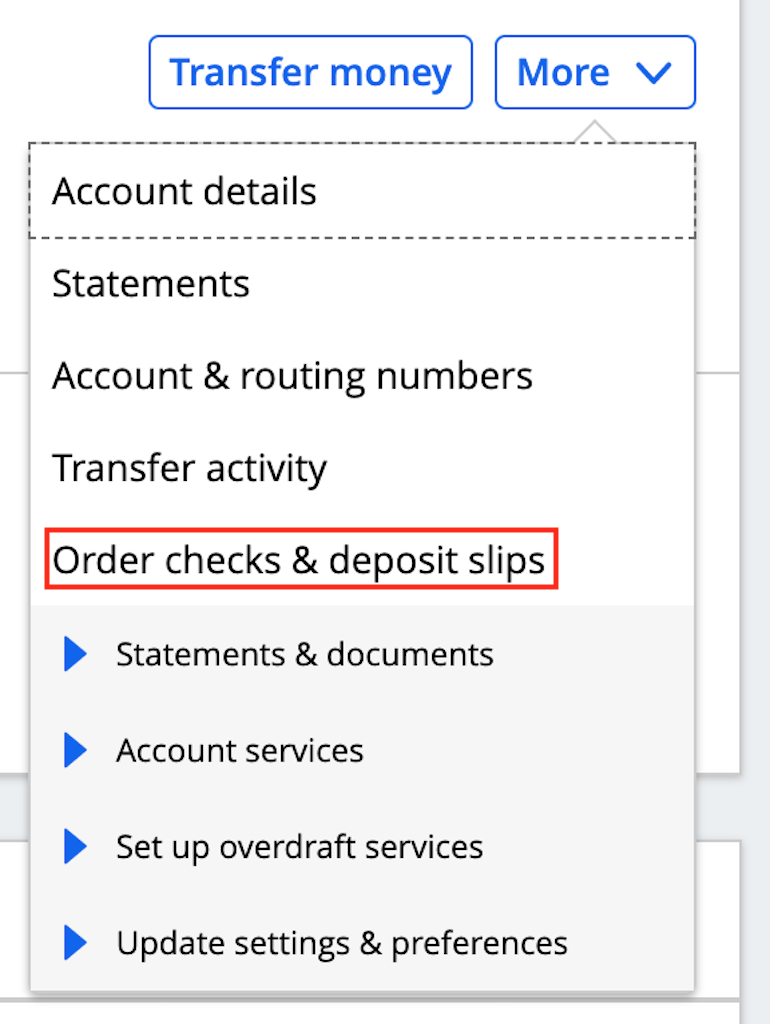
Once the specific account is selected, look for the “Account services” tab or the “More…” menu, which is usually located near the account balance or transaction history. Within this menu, you will find an option labeled “Order checks & supplies.” Clicking this link will typically redirect you to a secure interface hosted by Deluxe, which is the long-standing partner Chase uses for check printing and fulfillment.
Customizing Your Order: Design and Quantity
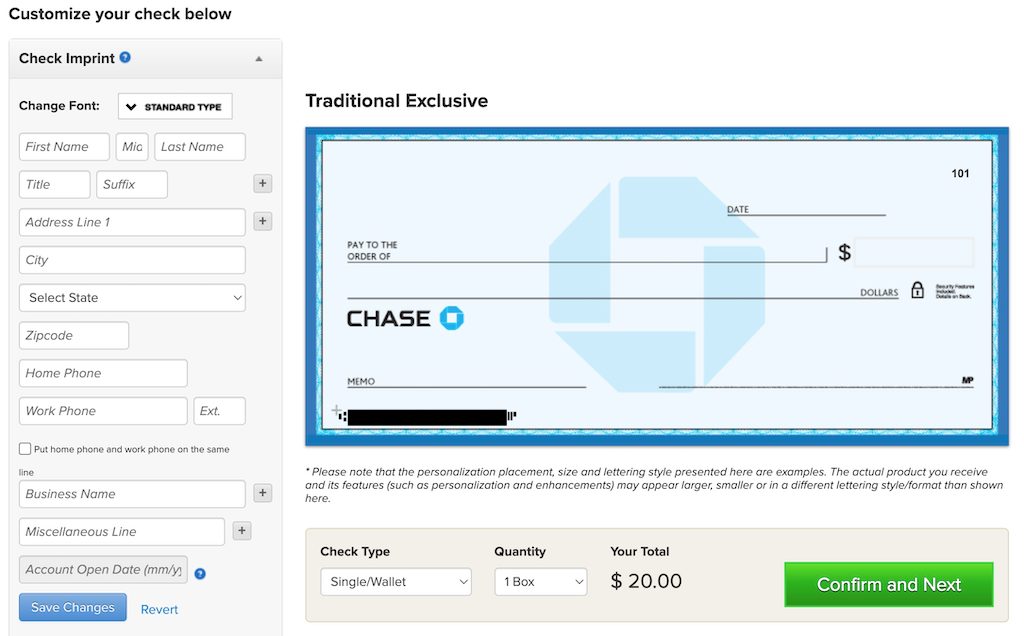
Within the ordering portal, you have the opportunity to customize your checks. While the financial utility of the check remains the same, users can choose from various designs, from professional high-security blue to personalized themes. More importantly, you must select the quantity. For most individuals, a standard box of 100 to 125 checks is sufficient for several years. However, high-volume users or small business owners may find it more cost-effective to order multiple boxes or “value packs” to reduce the per-unit cost.
Using the Chase Mobile App for Check Reordering
For those who manage their money primarily on the go, the Chase Mobile app provides an equally efficient path to reordering checks. The mobile experience is optimized for speed and leverages the security features inherent in modern smartphones, such as biometric authentication.
Mobile Banking Convenience
To order via the app, open the Chase Mobile app and log in. Tap on the checking account you are interested in, then scroll down to the “Account services” section. You will see the “Order checks” option. The app will transition you to a mobile-responsive version of the check-ordering portal. This integration allows you to place an order in minutes, whether you are in a coffee shop or between meetings, ensuring that you never run out of checks when you need them most.
Security Protocols and Authentication
Ordering checks through the app is inherently secure because it utilizes the app’s encrypted tunnel. Chase employs advanced encryption to ensure that your request is verified and that the shipping address matches the one on file. If you have recently moved, it is a sound financial practice to update your official address with the bank at least several days before ordering checks to prevent your sensitive documents from being sent to an old residence.
Financial Management: Costs, Fees, and Strategic Banking
A key aspect of personal finance is understanding the fee structures associated with your banking tools. The cost of ordering checks from Chase is not uniform; it varies significantly depending on the type of account you hold.
Understanding Check Order Pricing
For a standard “Chase Total Checking” account, there is usually a fee for ordering checks, which includes the cost of printing and shipping. These costs are deducted directly from your account balance. However, if you are a “Chase Premier Plus Checking” or “Chase Sapphire Banking” customer, one of the primary perks of these higher-tier accounts is the waiver of fees for standard check designs.
Chase Private Client and Premium Account Benefits
Chase Private Client members enjoy the highest level of benefits, which often includes unlimited free personal checks, including custom designs and even free cashier’s checks or money orders. From a strategic money management perspective, if you find yourself ordering checks frequently, it may be worth calculating whether the benefits of a higher-tier account—which might require a higher minimum balance to avoid monthly service fees—outweigh the incidental costs of lower-tier banking.
Third-Party Check Printers vs. Direct Bank Orders
Many financial advice columns suggest using third-party printers like Vistaprint or CheckAdvantage to save money. While these services are often cheaper, they require you to manually input your routing and account numbers. A single typo can lead to rejected payments and overdraft fees. Ordering directly through Chase online eliminates this manual entry risk, as the system automatically pulls your verified account data. For many, the peace of mind and time saved are worth the slightly higher cost of a direct bank order.
Best Practices for Check Security and Management
Once your checks arrive, they represent a direct gateway to your liquid assets. Managing them with a security-first mindset is essential for protecting your net worth and maintaining financial health.
Safeguarding Your Physical Financial Tools
Treat your checkbook with the same level of security as you would your debit card or a stack of cash. Store unused checkbooks in a locked drawer or a home safe. When writing checks, use a gel pen with ink that permeates the paper fibers, making “check washing”—a form of fraud where criminals erase the payee and amount—significantly more difficult.
Tracking Your Order and Delivery Security
When you order checks online, Chase provides tracking information. Monitor this closely. If your checks do not arrive within the estimated window, contact Chase immediately to put a stop on those check numbers. Criminals often target mailboxes specifically for check orders because they contain all the information needed to initiate unauthorized ACH transfers or forge signatures.
Strategic Record Keeping
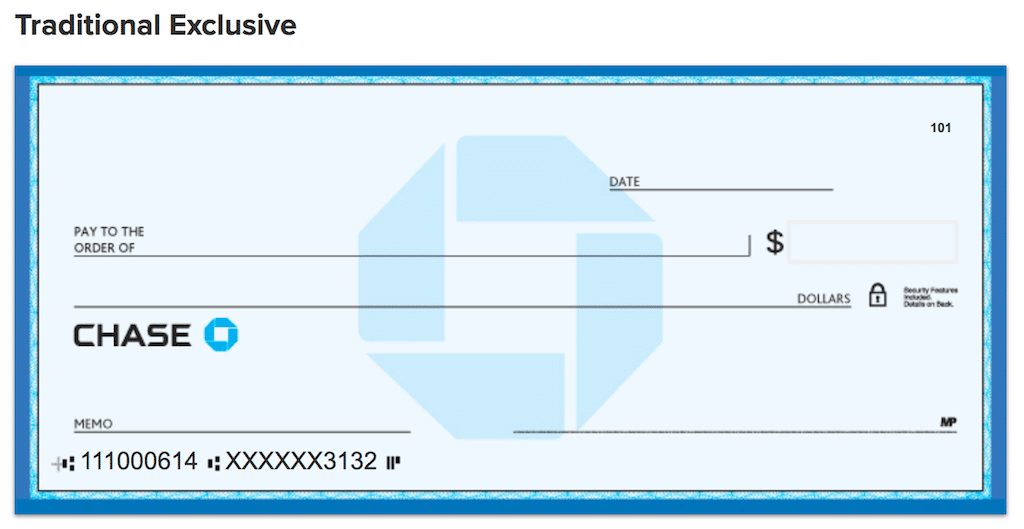
Modern Chase checking accounts offer “check imaging,” which allows you to view a digital scan of every check that clears your account. However, maintaining your own physical or digital ledger is a hallmark of disciplined financial management. By recording the check number, date, payee, and amount at the moment of the transaction, you maintain a real-time understanding of your available balance, accounting for funds that have been committed but not yet withdrawn by the recipient.
In conclusion, while the digital revolution has changed how we move money, the ability to order and use checks remains a vital skill in personal finance. By leveraging Chase’s online and mobile tools, you can manage this traditional financial instrument with modern efficiency, ensuring that you are always prepared for any transaction that requires the unique utility of a paper check. Through careful attention to account tiers, security protocols, and record-keeping, the humble checkbook remains a powerful asset in your overall financial strategy.
aViewFromTheCave is a participant in the Amazon Services LLC Associates Program, an affiliate advertising program designed to provide a means for sites to earn advertising fees by advertising and linking to Amazon.com. Amazon, the Amazon logo, AmazonSupply, and the AmazonSupply logo are trademarks of Amazon.com, Inc. or its affiliates. As an Amazon Associate we earn affiliate commissions from qualifying purchases.