
In the intricate world of personal finance, a few key numbers serve as the bedrock for countless transactions. Among these, your bank’s routing number stands out as a critical identifier, acting as a digital address for your financial institution. For Chase customers, understanding how to quickly and accurately locate this 9-digit code is essential for everything from setting up direct deposits to making online bill payments. This guide will demystify the Chase routing number, explaining its significance, outlining various methods to find it, and offering crucial advice for its proper use.
Understanding Routing Numbers: What They Are and Why They Matter
A routing number, also known as an ABA (American Bankers Association) routing transit number, is a nine-digit code used by financial institutions in the United States to identify themselves in payment transactions. Its primary purpose is to ensure that funds are transferred to the correct bank or credit union. Think of it as a street address for your bank, while your account number is the specific apartment unit within that building.
The Purpose of a Routing Number
Every financial transaction that moves money between different banks within the U.S. relies on routing numbers. When you initiate a payment, transfer, or deposit, the routing number directs the funds to the specific bank where your account is held, and your account number then identifies your individual account within that bank. Without this crucial identifier, electronic transfers would be impossible, leading to a chaotic and inefficient financial system. While similar in function to a SWIFT/BIC code for international transfers, routing numbers are exclusively for domestic transactions within the United States.
When You’ll Need Your Chase Routing Number
Knowing your Chase routing number is not just a point of trivia; it’s a practical necessity for a wide array of financial activities. You’ll frequently encounter situations where this number is required:
-
Direct Deposit Setup: This is perhaps the most common use. Whether for your paycheck, tax refunds, or government benefits (like Social Security), your employer or the issuing agency will require your routing number along with your account number to ensure funds are deposited directly into your Chase account.
-
Automated Bill Payments: Setting up recurring payments for utilities, mortgage, loans, or other services often requires your bank’s routing number to enable direct debits from your account.
-
Wire Transfers (Domestic): While wire transfers often use a specific routing number distinct from standard ACH, you will certainly need one to send or receive funds via wire within the U.S.
-
ACH Transfers: Automated Clearing House (ACH) transfers facilitate various electronic fund transfers, including direct deposits, direct payments, and person-to-person payments via apps like Zelle (when linked directly to your bank).
-
Linking External Accounts: If you use budgeting apps, investment platforms, or other financial tools that link to your bank account, you may need to provide your routing number during the setup process.
Primary Methods to Locate Your Chase Routing Number
Fortunately, Chase makes it relatively easy to find your routing number through several convenient channels. The method you choose will often depend on your immediate access to physical documents or digital banking services.
On Your Chase Checks
For many, the quickest and most traditional way to find their routing number is by looking at a physical check.
-
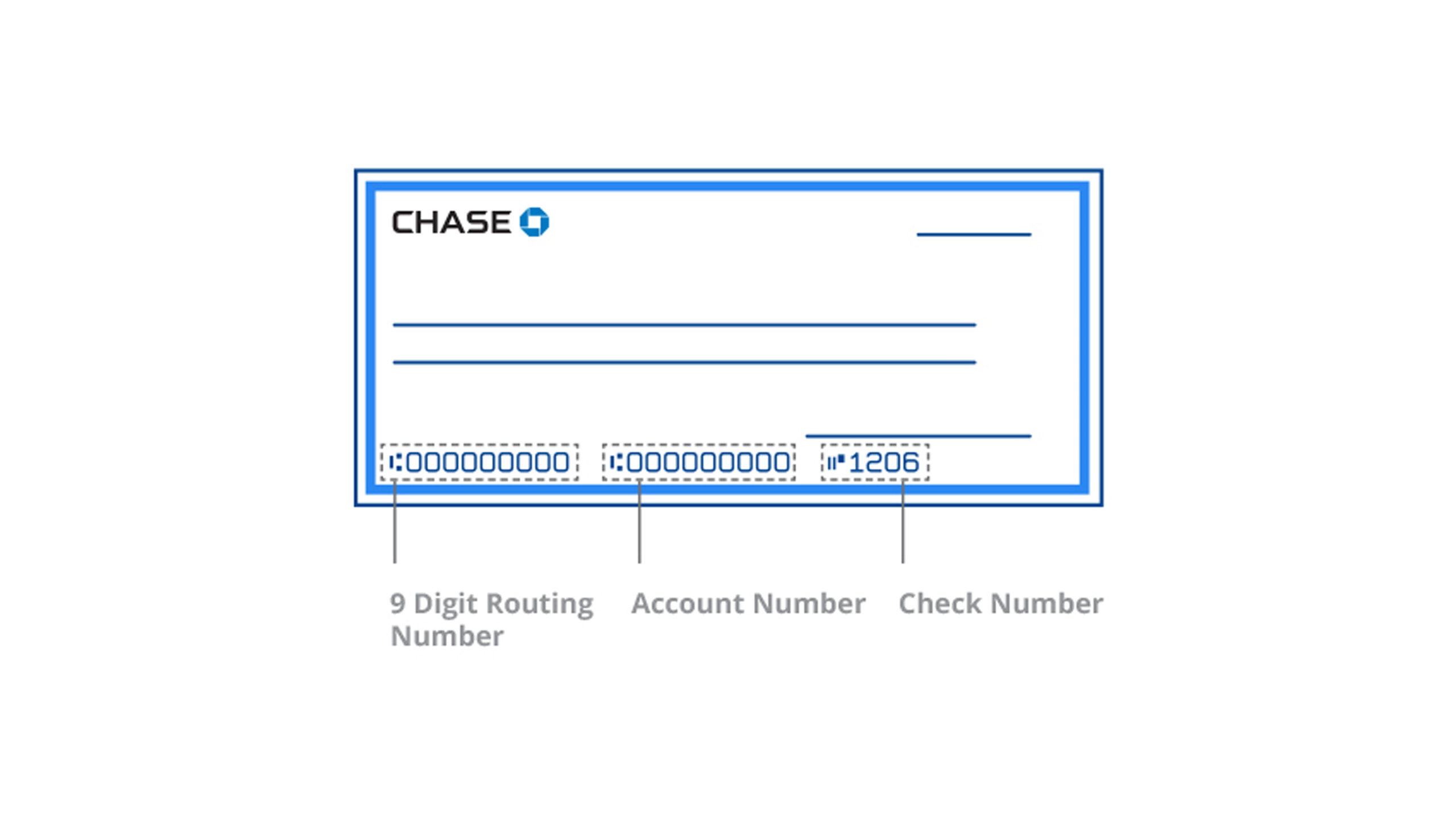
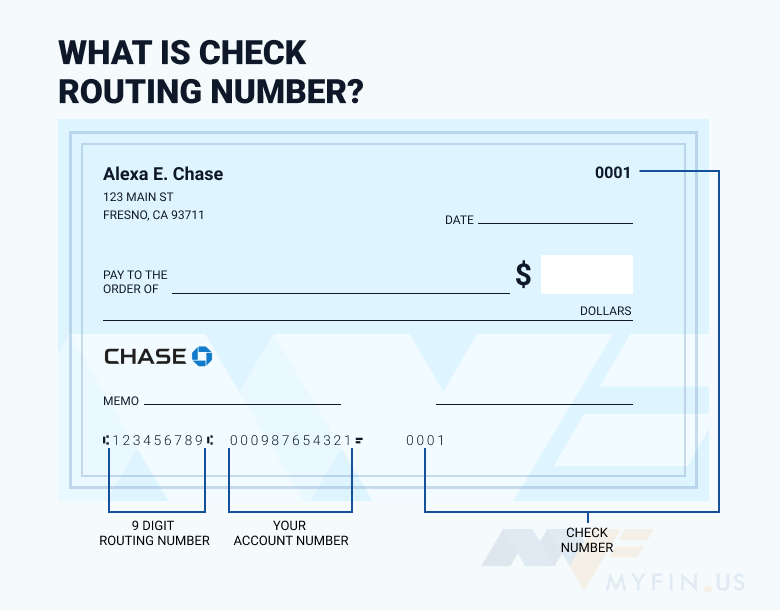
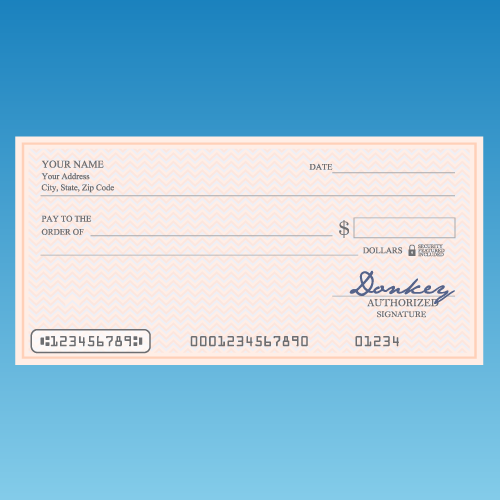
Location: On the bottom of a Chase check, you will typically see three sets of numbers. From left to right, these are usually: your 9-digit routing number, followed by your account number, and then the check number.
-
Appearance: The routing number is usually the first set of numbers, enclosed between two special symbols (often called transit symbols or E13B characters). This is often referred to as the ABA transit number.
-
Important Note: While generally reliable, if you have checks for a different type of account (e.g., a business account vs. a personal checking account) or if your account was opened in a different state, the routing number might vary. Always confirm it’s for the specific account you intend to use.
Through Chase Online Banking or Mobile App
In today’s digital age, online banking and mobile apps offer the most convenient and up-to-date method for accessing your financial details.
-
Chase Online Banking:
-
Log in to your Chase online account at Chase.com.
-
Once logged in, navigate to the “Accounts” section.
-
Select the specific checking or savings account for which you need the routing number.
-
Look for an “Account Details,” “Account Summary,” or “Show Details” link or tab. Your routing number will typically be displayed here, often alongside your account number.
-
-
Chase Mobile App:
-
Open the Chase Mobile App on your smartphone or tablet.
-
Log in using your credentials.
-
Tap on the specific account (checking or savings) you need information for.
-
Scroll down or look for an option like “Show details,” “Account details,” or “See more” to reveal the routing number.
-
This method is highly recommended as it provides the most accurate and current routing number associated with your specific digital account.
Using Your Chase Bank Statements
Your monthly bank statements, whether paper or electronic, are another reliable source of your routing number.
-
Paper Statements: If you receive paper statements, look for the routing number usually near the top of the statement, close to your account number and other personal details. It’s often printed in a section dedicated to “Your Account Information” or similar.
-
Electronic Statements (e-Statements): You can access e-statements by logging into your Chase online banking account. Navigate to the “Statements & Documents” section, select the desired account and month, and open the PDF. The routing number will be found in a similar location as on paper statements.
Chase’s Official Website or Online Search
If the above methods are inaccessible, Chase’s official website can also provide the information.
-
Chase.com Help/FAQ: Visit Chase.com and navigate to the “Help & FAQs” or “Contact Us” section. Search for “routing number.” Chase typically provides a list of routing numbers based on the state where your account was opened or for specific transaction types.
-
Online Search (with caution): You can perform a quick online search for “Chase routing number [your state].” However, always cross-reference the information with an official Chase source or one of the methods above. Third-party sites can sometimes be outdated or incorrect. Chase itself has a dedicated page listing routing numbers, which is the safest external source.
Specific Considerations for Chase Routing Numbers
While finding a routing number might seem straightforward, Chase’s vast national presence and diverse account offerings introduce a few nuances worth understanding.
Geographic Variations and Account Types
One of the most critical points to remember for Chase customers is that routing numbers are not always universal across the entire bank.
-
State of Account Opening: Chase, like many large national banks, uses different routing numbers depending on the state where your account was originally opened. This helps streamline processing within regional clearing houses. For example, a Chase checking account opened in California will likely have a different routing number than one opened in Florida.
-
Account Type: While checking and savings accounts often share the same routing number within a given state, there can sometimes be distinctions, particularly for specialized accounts. It’s always best to verify the number specifically for the account you are using for the transaction.
Given these variations, always specify your account type (checking, savings) and the state where your account was opened if you are looking up routing numbers on a general list or asking a representative.
Routing Number for Wire Transfers (Domestic vs. International)
Another crucial distinction involves wire transfers.
-
Domestic Wire Transfers: For incoming domestic wire transfers, Chase often uses a specific routing number that is different from the standard ACH routing number found on your checks or for direct deposits. This “wire routing number” is designed for the expedited and irrevocable nature of wire transfers. You must ensure you use the correct one to avoid delays or returned funds. These can typically be found within your online banking details under wire transfer instructions or by contacting Chase customer service.
-
International Wire Transfers: For international transfers, a routing number is not used. Instead, you will need Chase’s SWIFT/BIC code (Society for Worldwide Interbank Financial Telecommunication / Bank Identifier Code). The SWIFT code for Chase is typically CHASUS33. Always confirm the specific SWIFT code if you are sending or receiving an international wire, as different branches or specific types of international transfers could have slight variations or additional requirements.
Best Practices and Troubleshooting
Having the correct routing number is paramount for smooth financial operations. Mistakes can lead to significant headaches and potential financial implications.
Always Verify Your Routing Number
The most important advice is to always double-check the routing number before initiating any transaction.
-
Consequences of Using the Wrong Number: Inputting an incorrect routing number can cause funds to be delayed, sent to the wrong bank (or worse, a non-existent bank, causing a return), or incur fees for failed transactions. In some cases, if the incorrect routing number corresponds to another valid bank, your funds could even be mistakenly deposited into an account at that institution, making recovery a lengthy and difficult process.
-
Double-Check for Critical Transactions: For large sums, recurring payments, or essential direct deposits, take an extra moment to verify the routing number using one of the primary methods discussed. When setting up a direct deposit with a new employer, for instance, it’s wise to confirm the details directly from your online banking portal or a check.
When to Contact Chase Customer Service
If you’ve exhausted the self-service options and are still unsure, or if you have a complex transaction:
-
Uncertainty: If you’re unsure which routing number to use for a specific type of transaction (especially wire transfers or if your account was opened long ago), it’s always best to contact Chase directly.
-
Access Issues: If you’re unable to access online banking, have lost your checks, or can’t locate statements, a customer service representative can provide the correct number after verifying your identity.
-
Contact Methods: You can typically reach Chase customer service by phone (the number is usually on the back of your debit card or on their website), via secure message through your online banking portal, or by visiting a local Chase branch.
Keeping Your Financial Information Secure
While a routing number alone isn’t enough for someone to access your funds, combined with an account number, it can be used for fraudulent activities.
-
Protect Your Details: Always treat your bank statements, checks, and online login credentials with care. Be wary of phishing scams that try to trick you into revealing this information.
-
Secure Channels: Only provide your routing and account numbers through secure, encrypted channels when required, such as directly on your employer’s secure portal or a bank-verified financial application. Never email these details in plain text or share them over unsecured public Wi-Fi.
Conclusion
Your Chase routing number is an indispensable component of modern personal finance, enabling a seamless flow of funds within the U.S. financial system. Whether you rely on the convenience of your Chase mobile app, the familiarity of your checkbook, or the detailed records of your bank statements, finding this critical 9-digit code is straightforward. By understanding its purpose, being mindful of geographic and transaction-specific variations, and always prioritizing verification and security, you can ensure that your financial transactions with Chase remain accurate, efficient, and hassle-free. Proactive financial management, including knowing how to access your key banking details, empowers you to navigate your financial life with confidence.
aViewFromTheCave is a participant in the Amazon Services LLC Associates Program, an affiliate advertising program designed to provide a means for sites to earn advertising fees by advertising and linking to Amazon.com. Amazon, the Amazon logo, AmazonSupply, and the AmazonSupply logo are trademarks of Amazon.com, Inc. or its affiliates. As an Amazon Associate we earn affiliate commissions from qualifying purchases.