
In the modern financial landscape, the seamless movement of capital is the lifeblood of both personal and business operations. Whether you are setting up a direct deposit for a new job, authorizing an automated bill payment for your mortgage, or sending a domestic wire transfer to a family member, you will inevitably be asked for two critical pieces of information: your account number and your routing number. While most individuals are familiar with their account number—the unique identifier for their specific funds—the routing number often remains a bit of a mystery.

Technically known as an ABA (American Bankers Association) Routing Transit Number (RTN), this nine-digit code acts as the “address” for your financial institution. It tells the Federal Reserve and other banks exactly where to send money so it reaches the correct destination without delay. Understanding how to find this number quickly and ensuring you have the correct one for your specific transaction is a fundamental skill in personal finance management.
Practical Methods to Locate Your Routing Number
Finding your routing number is generally a straightforward process, provided you know where to look. Depending on whether you prefer physical documents or digital tools, there are several reliable ways to retrieve this information.
Using a Physical Check
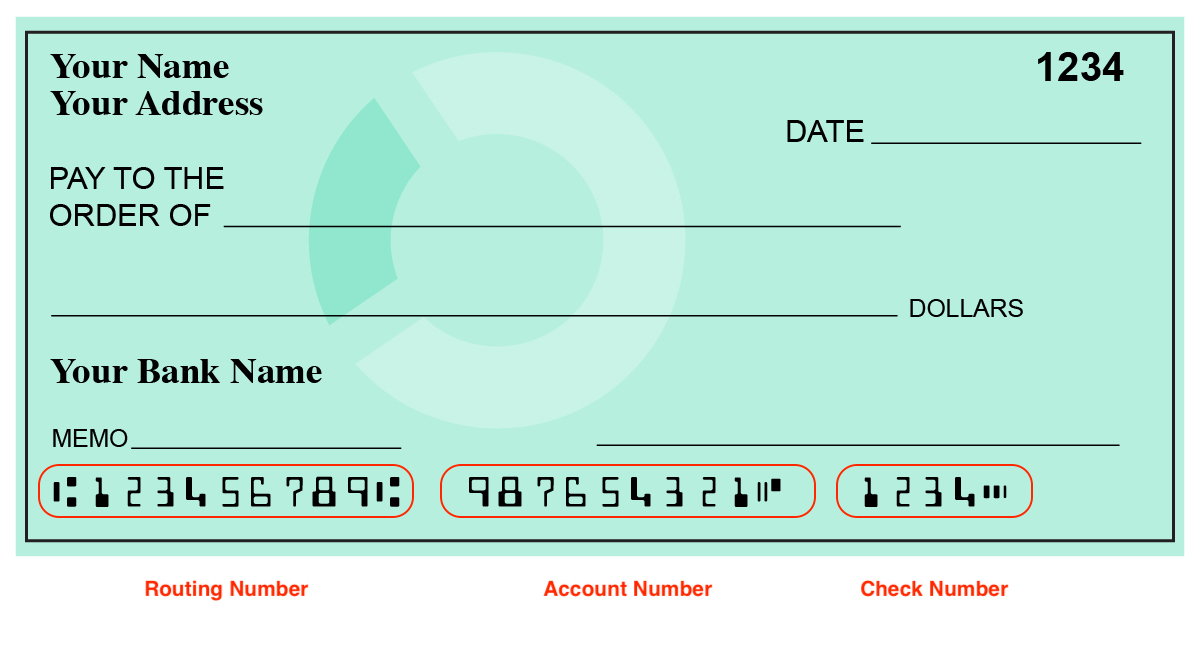
The most traditional way to find a routing number is by looking at a physical check associated with your checking account. At the bottom of every check, you will see a string of numbers printed in a specialized font known as MICR (Magnetic Ink Character Recognition). This line typically contains three distinct sets of numbers:
-
The Routing Number: This is the first set of nine digits on the far left. It is always nine digits long and is flanked by a specific symbol.
-
The Account Number: This is the second set of numbers, usually located in the middle.
-
The Check Number: This is the third, shorter set of numbers on the far right, which corresponds to the number in the top-right corner of the check.
It is important to note that deposit slips also contain routing numbers, but these are sometimes different from the routing numbers used for checks or outgoing transfers. Always prioritize the number found on a check for standard ACH transfers.
Online Banking and Mobile Apps
In the era of paperless banking, most consumers find their routing numbers through their bank’s digital portal. Once you log into your online dashboard or mobile app, navigate to the specific account details page. Banks often hide the full account and routing numbers behind a “show” or “details” button for security purposes.
Most major financial institutions provide a dedicated “Account Info” or “Direct Deposit” tab where both the ACH routing number and the wire transfer routing number are clearly displayed. If you are using a mobile app, look for an “Info” icon (often represented by a small “i”) near your account balance.
Monthly Bank Statements
If you do not have a checkbook and cannot access your online account, your monthly bank statement is the next best source. Statements, whether received via mail or downloaded as a PDF, typically list the routing number in the header or the account summary section. This document serves as an official record, making it a highly reliable source for verifying your banking coordinates.
The Bank’s Public Website
For many large, national banks, routing numbers are public information. You can often find them by searching the bank’s name followed by “routing number” on a search engine or by visiting the bank’s official website. Many institutions have a “Contact Us” or “Help Center” page with a list of routing numbers organized by state. However, use caution with this method; large banks may use different routing numbers for different regions or different types of transactions.
Understanding the Difference Between ACH and Wire Routing Numbers
One of the most common pitfalls in personal finance is the assumption that a bank has only one routing number. In reality, many institutions utilize different numbers depending on how the money is being moved. Failing to distinguish between these can lead to rejected transactions or significant delays.
ACH Routing Numbers
ACH (Automated Clearing House) routing numbers are used for the vast majority of electronic transfers. This includes direct deposits of your paycheck, IRS tax refunds, and recurring bill payments like utilities or insurance. When a form asks for a “routing number” without further specification, it is almost always referring to the ACH number.
Wire Transfer Routing Numbers
Wire transfers are specialized, high-speed transfers typically used for large sums, such as a down payment on a home. Because wire transfers move through a different clearing system (often the Fedwire Funds Service), some banks require a specific “Wire Routing Number.” If you use your standard ACH routing number for an incoming domestic wire, the transfer may be returned to the sender, often incurring a fee. Always verify with your bank if they have a dedicated wire transfer ID before initiating or receiving a wire.
Regional Variations
Large national banks often grew through a series of mergers and acquisitions. As a result, they may maintain multiple routing numbers based on the state or region where the account was originally opened. If you opened an account in New York but have since moved to California, your routing number will likely remain the one associated with the New York branch network. When looking up a routing number on a bank’s public website, always ensure you are selecting the state where you established the account.
The Anatomy of a Routing Number
To the untrained eye, a routing number is just a random string of digits. However, each segment of the nine-digit code serves a specific purpose in the identification process. Understanding this structure can help you spot errors before they cause financial headaches.
The First Four Digits: The Federal Reserve Symbol
The first two digits of a routing number indicate the Federal Reserve district where the bank is located. There are 12 districts in the United States (e.g., 01 for Boston, 02 for New York, 12 for San Francisco). The third digit identifies the specific Federal Reserve check processing center, and the fourth digit represents the state or a special processing status.
Digits Five Through Eight: The Institutional Identifier
These four digits are unique to the specific financial institution. No two banks share the same institutional identifier within the same district. This is essentially the bank’s “name” in numerical form, allowing the clearinghouse to route the funds to the correct corporate entity.
The Ninth Digit: The Checksum
The final digit is a mathematical “check digit” used to verify the validity of the preceding eight digits. When a routing number is typed into a system, an algorithm calculates a value based on the first eight digits. If that value does not match the ninth digit, the system immediately flags the number as invalid. This prevents simple typos from sending money to a non-existent bank.
When You Will Need Your Routing Number
The routing number is a vital tool for various financial tasks. Recognizing these scenarios will help you stay prepared.
-
Setting Up Direct Deposit: Employers require your routing and account numbers to electronically transfer your wages into your account.
-
Tax Filings: When you file your taxes, providing your routing number allows the IRS to deposit your refund directly into your account, which is significantly faster than waiting for a paper check.
-
Automatic Bill Pay: Linking your checking account to your electric, water, or credit card accounts for monthly payments requires a routing number. This is often preferred over using a debit card to avoid issues with expiring card numbers.
-
External Bank Transfers: If you are moving money between a traditional bank and an online high-yield savings account or a brokerage account, you will need to link the two using the routing number.
-
Applying for Loans: Lenders often require your banking information to deposit loan proceeds or to set up an automated repayment schedule.
Security and Best Practices
While a routing number is technically public information—anyone who sees one of your checks has access to it—it should still be handled with care. A routing number alone cannot be used to withdraw money from your account, but when combined with your account number, it provides the necessary keys to initiate electronic transfers.
Protecting Your Financial Data
Be wary of providing your routing and account numbers over the phone or via email unless you have initiated the contact and are certain of the recipient’s identity. Scammers often use “phishing” techniques to gather these details to create fraudulent checks or unauthorized ACH withdrawals.

Verifying Before Sending
Before finalizing any transaction, double-check the nine digits. A single misplaced number can result in your funds being sent to the wrong institution or suspended in a “suspense account” for days while the banks attempt to reconcile the error. If you are ever in doubt, the most secure action is to call your bank’s customer service line and ask a representative to confirm the correct routing number for your specific transaction type.
By mastering the simple task of locating and identifying your routing number, you gain greater control over your personal finances. It ensures that your transactions remain accurate, your payments stay on schedule, and your money always ends up exactly where it belongs.
aViewFromTheCave is a participant in the Amazon Services LLC Associates Program, an affiliate advertising program designed to provide a means for sites to earn advertising fees by advertising and linking to Amazon.com. Amazon, the Amazon logo, AmazonSupply, and the AmazonSupply logo are trademarks of Amazon.com, Inc. or its affiliates. As an Amazon Associate we earn affiliate commissions from qualifying purchases.