
In the intricate landscape of personal finance, knowing how to quickly and accurately access your account number is not merely a convenience—it’s a fundamental necessity. From setting up direct deposits and paying bills to applying for loans or simply keeping meticulous financial records, your account number serves as a unique identifier for your funds within a financial institution. Yet, for many, finding this crucial piece of information can sometimes feel like a treasure hunt.
This comprehensive guide will demystify the process, walking you through the various avenues available for locating your account number across different types of financial accounts. We’ll delve into why this number is so important, explore common places it’s displayed, discuss best practices for security, and offer solutions for when it seems to be eluding you. Arm yourself with this knowledge, and you’ll navigate your financial world with greater confidence and efficiency.

The Unseen Backbone: Why Your Account Number Matters
Your account number is more than just a string of digits; it’s the primary identifier that links you to your specific funds at a bank, credit union, or investment firm. Unlike a debit or credit card number, which is tied to a specific card that can expire or be replaced, your account number is a permanent identifier for your actual account. Understanding its significance underscores why knowing how to access it readily is so vital.
Facilitating Seamless Transactions: Payments, Transfers, and Payroll
At its core, your account number enables the movement of money. Whether you’re sending funds to a friend via an electronic transfer, setting up recurring payments for utilities, or receiving your bi-weekly paycheck, this number is the key. Without it, financial institutions would have no way to accurately direct funds to and from your specific account. For instance, when you set up direct deposit with your employer, you provide your account number (along with your bank’s routing number) to ensure your salary lands directly in your checking or savings account. Similarly, when paying a bill online directly from your bank account, you might be asked for your account number to authorize the withdrawal.
Verifying Account Ownership and Identity
In an age where digital security is paramount, your account number plays a crucial role in verifying your ownership of an account. When interacting with customer service, particularly for sensitive requests like changing account details or disputing transactions, you will often be asked to provide your account number as part of the authentication process. This helps financial institutions confirm your identity and protect your funds from unauthorized access. It’s a layer of security, albeit one that should be handled with care and never shared indiscriminately.
Foundation for Financial Planning and Record Keeping
Beyond day-to-day transactions, your account number is fundamental to effective financial planning and robust record-keeping. When consolidating financial information for tax purposes, budgeting, or estate planning, having quick access to all your account numbers simplifies the process. It allows you to track balances, reconcile statements, and maintain an organized overview of your entire financial portfolio. This meticulous approach can save significant time and effort, especially when dealing with multiple accounts across different institutions.
Navigating the Labyrinth: Where to Find Your Account Number
While the importance of your account number is clear, its precise location can vary depending on the financial institution and the type of account. Fortunately, there are several reliable places to look, ranging from traditional paper documents to cutting-edge digital platforms.
The Paper Trail: Physical Statements and Checkbooks
For many, the most intuitive place to find an account number is on physical documents.
-
Bank Statements: Every month, your bank or credit union typically sends a statement detailing your account activity. Your account number is prominently displayed on these statements, usually near the top, alongside your name and address. Be aware that some institutions might truncate or mask a portion of the number for security reasons on the physical mail, so always verify if a full number is available elsewhere if you need the complete string.
-
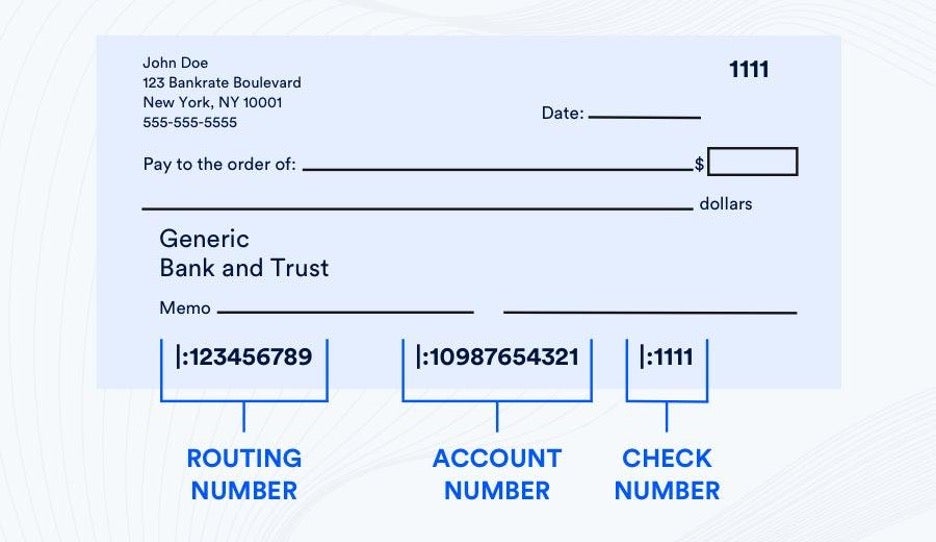
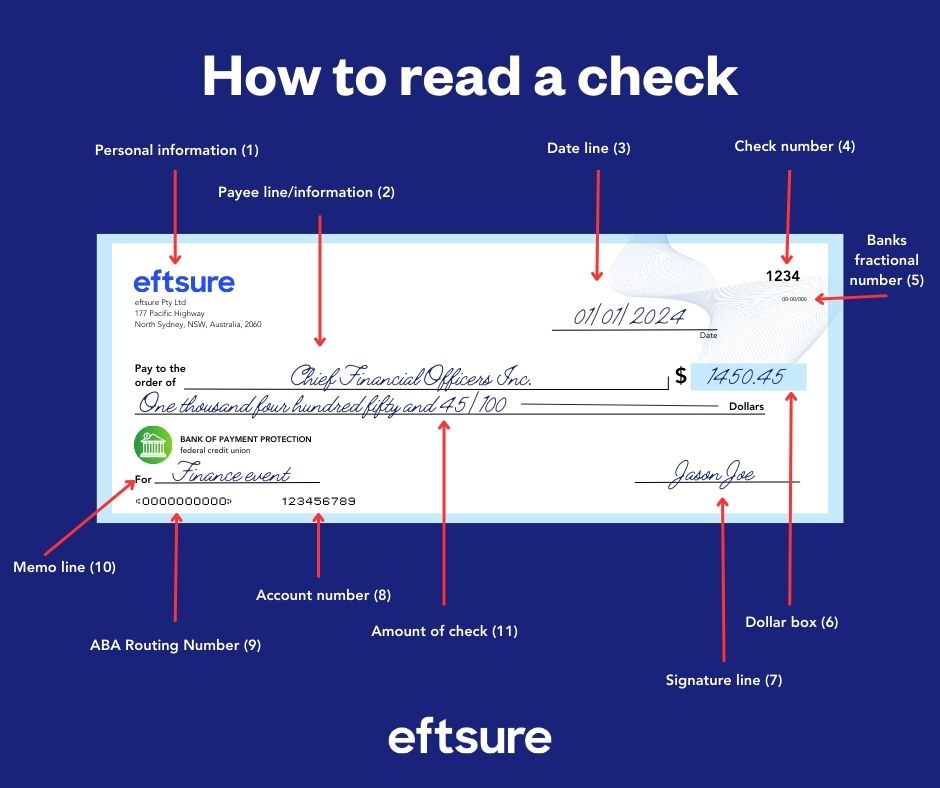
Checkbooks: If you have a checking account, your account number is printed on the bottom of your checks. It’s usually the middle set of numbers, situated between your bank’s routing number (the first set of nine digits) and the individual check number (the last set). This is one of the most common and accessible places to find your full checking account number.
-
Deposit Slips: Similar to checks, deposit slips also typically feature your account number, making them another quick reference point.
The Digital Frontier: Online Banking and Mobile Apps
In our increasingly digital world, online banking portals and mobile apps have become indispensable tools for managing finances. They are also excellent sources for locating your account number.
-
Online Banking Portals: Log in to your bank’s website. Once authenticated, navigate to the specific account (e.g., checking, savings, money market). You’ll typically find your account number displayed within the “Account Summary,” “Account Details,” or “Statements” section. Many banks offer an option to “Show Account Number” or access “Direct Deposit Information,” which will reveal the full number.
-
Mobile Banking Apps: Most financial institutions offer robust mobile applications that mirror many features of their online portals. After logging into your app, select the relevant account. Look for options like “Account Details,” “Show Account Number,” or “Routing & Account Numbers.” Some apps might require an additional security step, like a fingerprint or PIN, to display the full number for your protection.
Reaching Out: Contacting Customer Service
When all other methods fail, or if you simply prefer direct assistance, contacting your financial institution’s customer service is a reliable option.
-
Phone Support: Call your bank or credit union directly. Be prepared to go through a verification process, which will likely involve answering security questions, providing personal details, and possibly confirming recent transactions to prove your identity. Once verified, the representative can provide your account number.
-
In-Person Visit: If you prefer face-to-face interaction or have a particularly complex query, visiting a local branch can be beneficial. Bring a valid form of identification (e.g., driver’s license, passport) as you will need it to verify your identity before staff can provide your account information.
Beyond Basic Accounts: Other Financial Identifiers
While checking and savings accounts are the most common contexts for needing an account number, other financial products also have unique identifiers. It’s crucial to understand these distinctions.
Credit Card Account Numbers: A Nuance
It’s important to distinguish between your primary credit card number (the 16-digit number on the front of your card) and the account number associated with your credit line. While the 16-digit number is for transactions, your actual credit card account number might be different and is typically found on your monthly credit card statements. This number is often shorter and is used by the bank internally to manage your credit line, reconcile payments, and identify your specific account when you contact customer service. You typically won’t use this account number for making purchases.
Investment Accounts: Brokerage and Retirement Funds
For investment vehicles like brokerage accounts, 401(k)s, IRAs, or 529 plans, you will also have a unique account number. This number identifies your specific investment portfolio with the brokerage firm or fund administrator.
-
Statements and Trade Confirmations: Your investment account number will be prominently displayed on your monthly or quarterly statements, as well as on any trade confirmation notices.
-
Online Portals: Similar to banks, investment firms provide online portals where you can log in and find your account number within the “Account Summary” or “Profile” sections.
Loan Accounts: Mortgages, Auto Loans, Personal Loans
Any loan you take out—be it a mortgage, an auto loan, or a personal loan—will be assigned a unique loan account number. This number is crucial for making payments, inquiring about your balance, or discussing the terms of your loan.
-
Loan Statements and Coupons: Your loan statements (monthly or quarterly) will clearly display your loan account number. If you receive payment coupon books, the number will be on each coupon.
-
Online Loan Servicing Portals: Most lenders offer online platforms where you can manage your loan, make payments, and access your account number.
Fortifying Your Finances: Security Best Practices
Knowing how to find your account number is crucial, but equally important is understanding how to protect it. Your account number, especially when combined with your routing number and other personal details, could be exploited by fraudsters.
Differentiating Between Account Numbers and Sensitive Credentials
It’s vital to understand that your account number is not a password or PIN. While it’s a sensitive piece of information, it’s often shared in specific, trusted contexts (like setting up direct deposit). However, you should never share your online banking username, password, or PIN with anyone. These are the keys to directly accessing and manipulating your account.
When and How to Share Your Account Number Safely
You will need to share your account number in legitimate situations, such as:
-
Setting up direct deposit or direct debit.
-
Initiating a wire transfer.
-
Providing it to a verified biller for recurring payments (though many now use debit card numbers or payment portals).
-
Verifying your identity with your bank’s customer service (after you initiated the call).
Always ensure you are dealing with a trusted and legitimate entity. If you’re unsure, independently verify the recipient through official channels before providing your account number. Be wary of unsolicited requests via email, text, or phone.
Safeguarding Digital and Physical Records
Treat your account numbers with the same care you would your social security number.
-
Physical Documents: Store physical statements and checkbooks in a secure location, such as a locked drawer or safe. Shred old documents containing account numbers before discarding them.
-
Digital Files: Avoid saving unencrypted copies of your account numbers on easily accessible devices or cloud storage. If you must store them digitally, use strong passwords and consider encrypted file storage solutions. Be cautious about public Wi-Fi networks when accessing financial information.
Recognizing Phishing Scams and Identity Theft Risks
Fraudsters often attempt to trick individuals into revealing their account numbers and other sensitive information through phishing scams.
-
Unsolicited Communications: Be suspicious of emails, texts, or calls claiming to be from your bank and asking for your account number or other personal details. Banks rarely ask for this information directly via these methods, especially without you initiating the contact.
-
Look for Red Flags: Poor grammar, generic greetings (“Dear Customer”), suspicious links, and urgent threats are all common indicators of phishing attempts.
-
Verify Independently: If you receive a suspicious communication, do not click on any links or call any numbers provided. Instead, directly contact your bank using the official phone number from their website or your statement.
Troubleshooting and Best Practices for Accessibility
Even with all this knowledge, there might be times when finding your account number proves challenging.
What to Do If You Can’t Find It
-
Double-Check All Sources: Go through all the physical and digital sources mentioned above. Sometimes it’s just a matter of overlooking it.
-
Use the Bank’s Search Function: If using an online portal, look for a search bar or FAQ section that might guide you to “account numbers” or “direct deposit information.”
-
Be Patient with Customer Service: If you call your bank, have all your personal identification ready. The verification process is for your protection.
-
Consider a Branch Visit: For complex situations or if you’re uncomfortable with phone verification, an in-person visit might be the most reassuring option.
Keeping Records Organized and Secure
Proactive organization can save you a lot of hassle.
-
Consolidate Information: Maintain a secure, password-protected document (digital or physical) listing all your account numbers, routing numbers, and relevant contact information for each financial institution.
-
Regular Review: Periodically review your financial statements and online accounts to ensure all information is accurate and to familiarize yourself with where your account numbers are located.
-
Understand Bank Specifics: Each bank has slightly different layouts for their statements and online portals. Take a moment to understand where key information is presented for each of your accounts.
The Bottom Line
Your account number is a cornerstone of your financial identity. Being able to locate it quickly and securely is a vital skill in managing your personal finances effectively. By understanding its importance, knowing where to look, and employing robust security practices, you empower yourself to navigate your financial journey with clarity, confidence, and peace of mind. Make it a habit to know where your account numbers are, and you’ll be well-prepared for any financial task that comes your way.
aViewFromTheCave is a participant in the Amazon Services LLC Associates Program, an affiliate advertising program designed to provide a means for sites to earn advertising fees by advertising and linking to Amazon.com. Amazon, the Amazon logo, AmazonSupply, and the AmazonSupply logo are trademarks of Amazon.com, Inc. or its affiliates. As an Amazon Associate we earn affiliate commissions from qualifying purchases.