
The intersection of individual artistry and corporate branding has never been more precarious than it is in the digital age. When we ask “what happened to Perry Farrell,” we are not merely inquiring about a physical altercation on a stage in Boston; we are examining the sudden fracturing of a multi-million dollar personal brand that has stood as a pillar of alternative culture for over three decades.
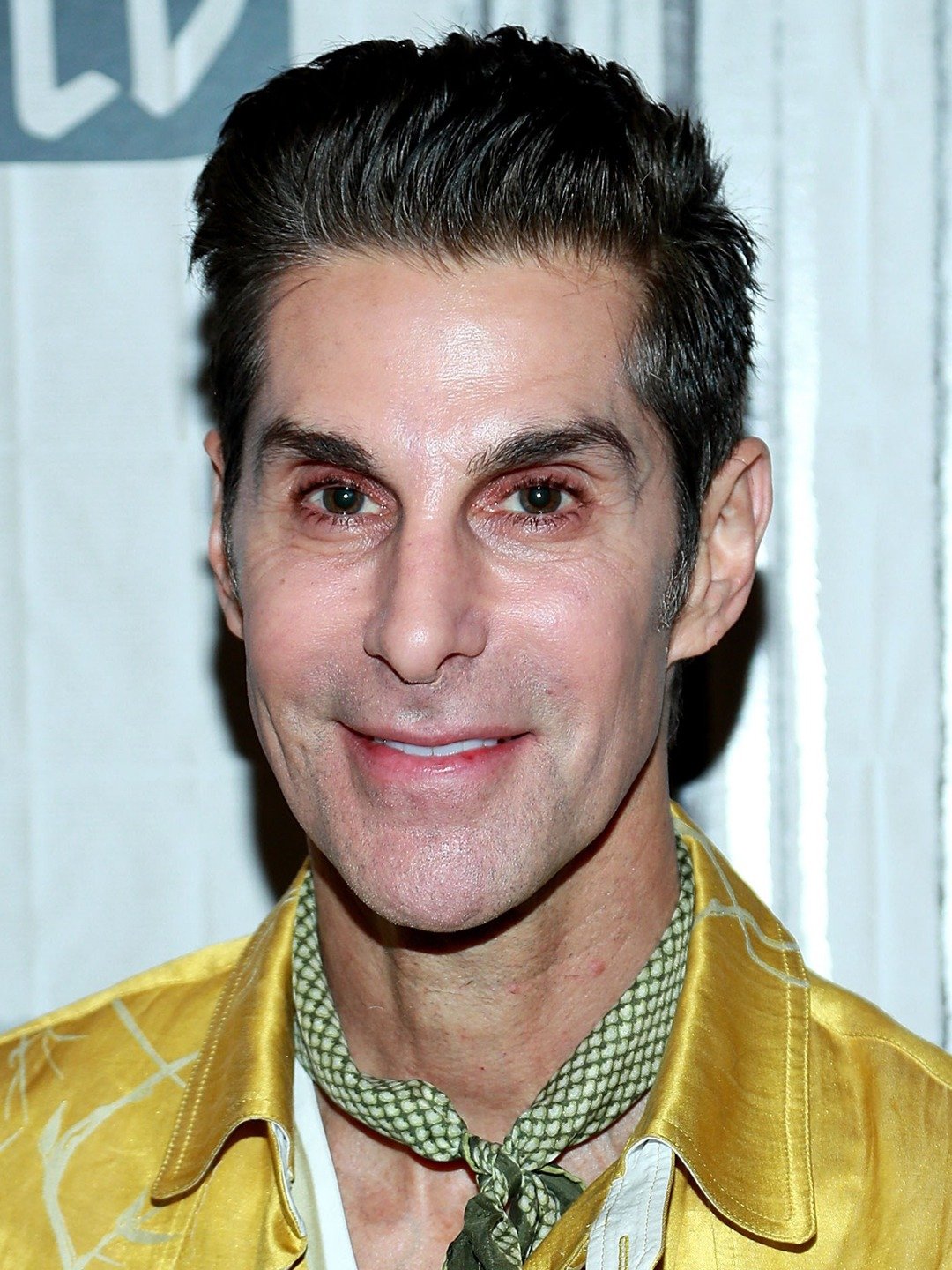
Perry Farrell is more than a frontman; he is a brand architect. As the founder of Jane’s Addiction and the visionary behind Lollapalooza, Farrell transitioned from a counter-culture provocateur to a high-equity brand entity. However, the events of September 2024, where an onstage physical confrontation led to the cancellation of a major tour, provide a stark lesson in how personal volatility can instantly devalue years of brand building.
The Architecture of an Alt-Rock Brand: Building the Farrell Identity
To understand the weight of recent events, one must first analyze the strategic construction of the Perry Farrell brand. Unlike many of his contemporaries who remained localized within the music industry, Farrell scaled his personal identity into a global corporate asset.
The Legacy of Lollapalooza as a Corporate Identity
In 1991, Farrell didn’t just launch a tour; he launched a brand ecosystem. Lollapalooza became synonymous with “Generation X” and alternative lifestyle. From a brand strategy perspective, Farrell successfully leveraged his “Godfather of Alt-Rock” persona to create a recurring revenue stream that eventually expanded to multiple continents. This move transformed his personal brand from “unpredictable artist” to “curator of culture,” a transition that requires a high degree of trust from sponsors, investors, and fans.
The “Godfather” Persona and Brand Equity
For decades, the Farrell brand was built on a foundation of “ordered chaos.” His brand promise was one of spiritual exploration, artistic boundary-pushing, and a certain bohemian elegance. This specific niche allowed him to command high ticket prices and secure lucrative partnerships with global promoters like Live Nation. The brand equity was tied to the idea that while Farrell was eccentric, he was a professional visionary capable of leading a massive touring machine.
The Breakdown: Crisis Management in the Social Media Age
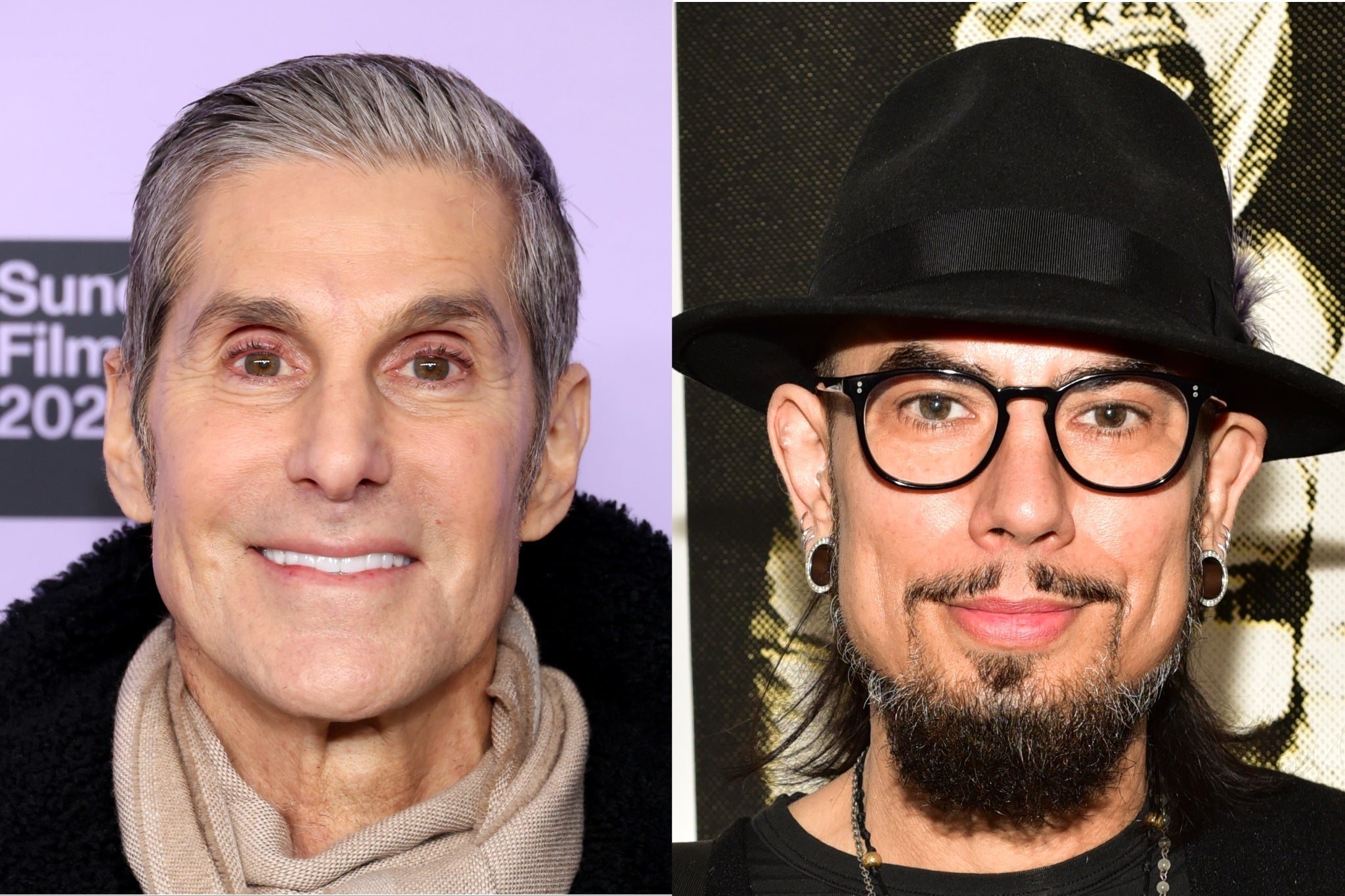
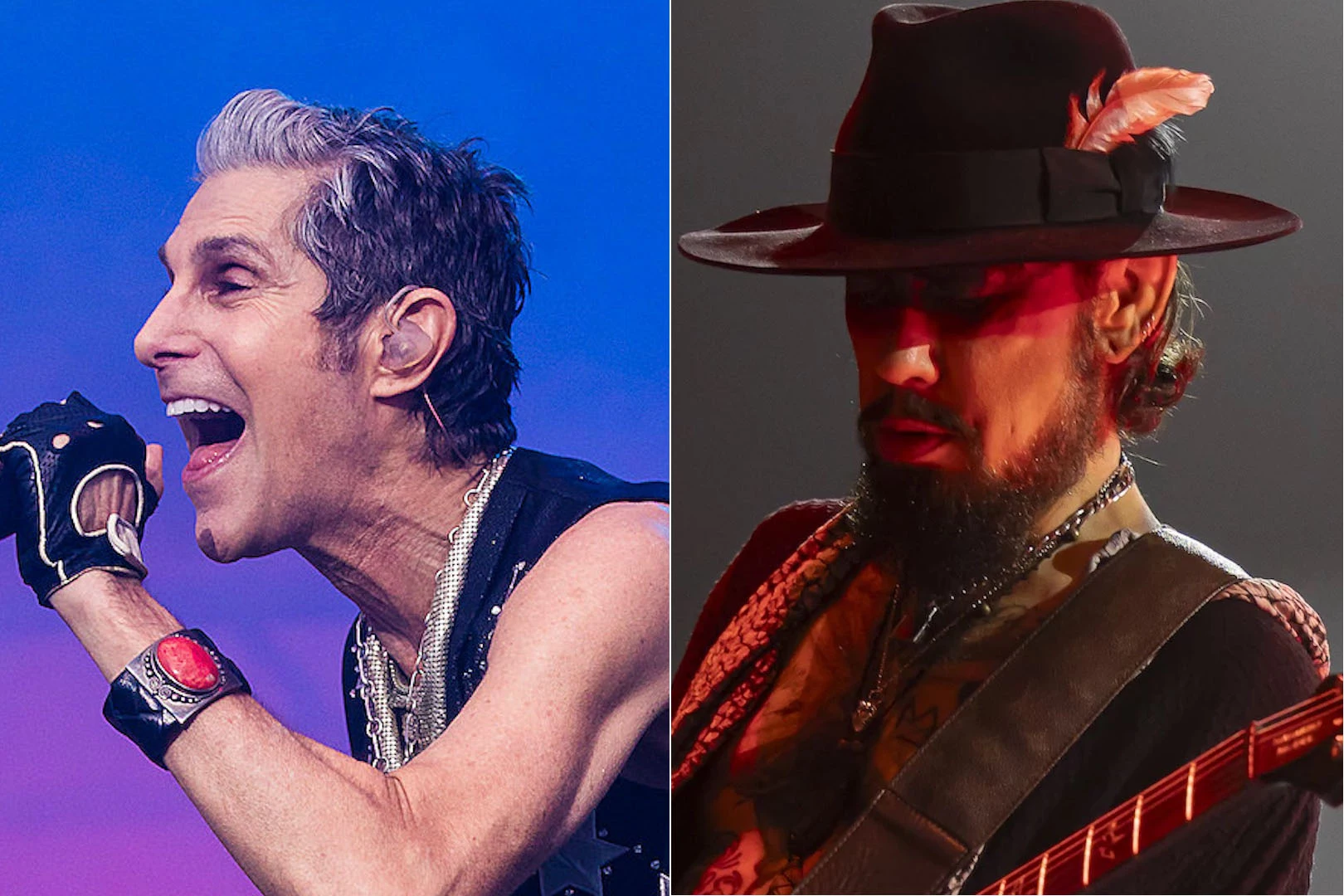
The incident at the Leader Bank Pavilion in Boston—where Farrell lunged at guitarist Dave Navarro—was not just a band dispute; it was a catastrophic brand failure. In the world of high-stakes personal branding, the “Product” (the performance) failed to be delivered, and the “Brand Ambassador” (Farrell) violated the core safety and professional expectations of the audience.
The Viral Incident as a Reputational Inflection Point
In the era of smartphones, brand crises are broadcast in real-time. Within minutes, the Farrell brand shifted from “legendary performer” to “liability.” From a brand management standpoint, the damage was multifaceted: it alienated the loyal customer base (the fans), endangered the “sub-brands” (Jane’s Addiction and its individual members), and created a legal and financial nightmare for the umbrella corporation (the tour promoters).
Impact on Stakeholders and B2B Relationships
Personal branding often focuses on the B2C (Business to Consumer) relationship, but the Farrell incident highlights the B2B (Business to Business) risks. When a personal brand becomes volatile, it loses the “trust equity” required for large-scale partnerships. Promoters, venue owners, and insurance underwriters view such incidents through the lens of risk assessment. When the “Founder” of the brand becomes the primary source of operational risk, the brand’s market value plummets, leading to the immediate termination of contracts—as seen with the cancellation of the remainder of the 2024 tour.
Brand Erosion vs. Brand Authenticity: The Fine Line
A recurring theme in personal branding for artists is the tension between “authenticity” and “professionalism.” For years, Farrell’s brand thrived on being “raw.” However, there is a point where authenticity ceases to be a marketing asset and begins to act as brand erosion.
When the Persona Overwhelms the Business
Farrell’s brand was built on the “rock star” archetype, which historically allowed for a certain level of erratic behavior. However, modern brand strategy demands a level of reliability that the 1990s did not. In 2024, a brand that cannot guarantee the delivery of its core service (the show) is a failing brand. The “what happened” in this context is a case of a persona overwhelming the logistical and professional requirements of the corporate entity it supports.
Reconciling the Artist with the Professional
For legacy brands, the challenge is maintaining the “edge” that created the brand while adopting the stability required to sustain it. The Farrell incident serves as a warning to personal brands in any industry: if your “creative temperament” interferes with your “operational delivery,” the brand will eventually collapse under the weight of its own inconsistency. This is a crucial lesson for founders who are the “face” of their companies.
Recovery Strategies for Legacy Brands
What happens next for the Perry Farrell brand? In the world of brand strategy, recovery requires a calculated shift from the “offensive” (promotion) to the “defensive” (damage control and rebranding).
Transparency and the “Apology” Asset
The initial response from the Farrell camp—specifically the public apology issued to his bandmates and fans—is the first step in a “Brand Rehabilitation” strategy. In high-level crisis management, accountability is a currency. By acknowledging “unacceptable behavior,” the brand attempts to decouple the “temporary lapse” from the “permanent identity.” However, for a brand as established as Farrell’s, words must be backed by “structural changes,” such as seeking professional help or taking a hiatus to reset public perception.
Rebranding the Return: The Pivot to Vulnerability
If and when the Perry Farrell brand returns to the public eye, it will likely undergo a strategic pivot. We often see legacy brands transition from “The Aggressor” to “The Survivor” or “The Reflective Elder.” This allows the brand to maintain its history while signaling to the market that the volatility has been addressed. The success of this pivot depends entirely on whether the audience perceives the change as authentic or merely a tactical move to resume revenue generation.
The Future of the Farrell Brand: Lessons in Longevity
The Farrell saga is a poignant reminder that a personal brand is a fragile ecosystem. Even after forty years of success, a single moment of unmanaged volatility can trigger a total system shutdown.
The Founder-Dependent Risk Model
Many modern businesses are built around a single “North Star” personality. Whether it’s a tech CEO, a celebrity, or a musician like Perry Farrell, these brands suffer from “Founder-Dependent Risk.” If the founder falters, the entire structure—including the livelihoods of dozens of employees and the investments of partners—is jeopardized. Diversifying a brand so it is not entirely dependent on the emotional state of one individual is a vital strategy for long-term stability.
Conclusion: The Cost of Brand Instability
“What happened to Perry Farrell” is ultimately a story of the high cost of brand instability. In a professional landscape that values consistency and reliability above all else, the erratic behavior of a brand leader is the ultimate liability. As the dust settles on the 2024 tour cancellation, the Farrell brand faces its greatest challenge: proving that it can still provide value in a market that has little patience for the “unpredictable genius” archetype when it prevents the “product” from reaching the consumer.
The path forward for Farrell involves a rigorous commitment to brand restoration. It will require moving away from the spotlight to rebuild the trust that was shattered in a single night in Boston. For observers of brand strategy, it remains a textbook example of why the “Personal” in personal branding must always be tempered by the “Professional.”
aViewFromTheCave is a participant in the Amazon Services LLC Associates Program, an affiliate advertising program designed to provide a means for sites to earn advertising fees by advertising and linking to Amazon.com. Amazon, the Amazon logo, AmazonSupply, and the AmazonSupply logo are trademarks of Amazon.com, Inc. or its affiliates. As an Amazon Associate we earn affiliate commissions from qualifying purchases.