
Securing a credit card from a reputable issuer like Chase can be a significant step in managing your personal finances, unlocking a world of rewards, benefits, and financial flexibility. Chase is one of the largest and most respected financial institutions globally, renowned for its diverse portfolio of credit cards catering to various spending habits, financial goals, and credit profiles. From lucrative travel rewards and robust cash-back programs to business solutions and credit-building tools, Chase offers a card for nearly every need. However, navigating the application process and understanding the criteria for approval can seem daunting. This comprehensive guide will demystify how to get a Chase credit card, providing insights into preparation, application strategies, and responsible card ownership.

Why Choose a Chase Credit Card? Unpacking the Value Proposition
Before diving into the mechanics of application, it’s crucial to understand why a Chase credit card might be an excellent addition to your financial toolkit. Chase’s reputation is built on a foundation of diverse product offerings, competitive rewards, and a strong commitment to customer service.
The Diverse Portfolio: From Travel to Cash Back
Chase boasts an impressive array of credit cards, each meticulously designed to appeal to specific consumer segments. Their flagship cards often fall into distinct categories:
-
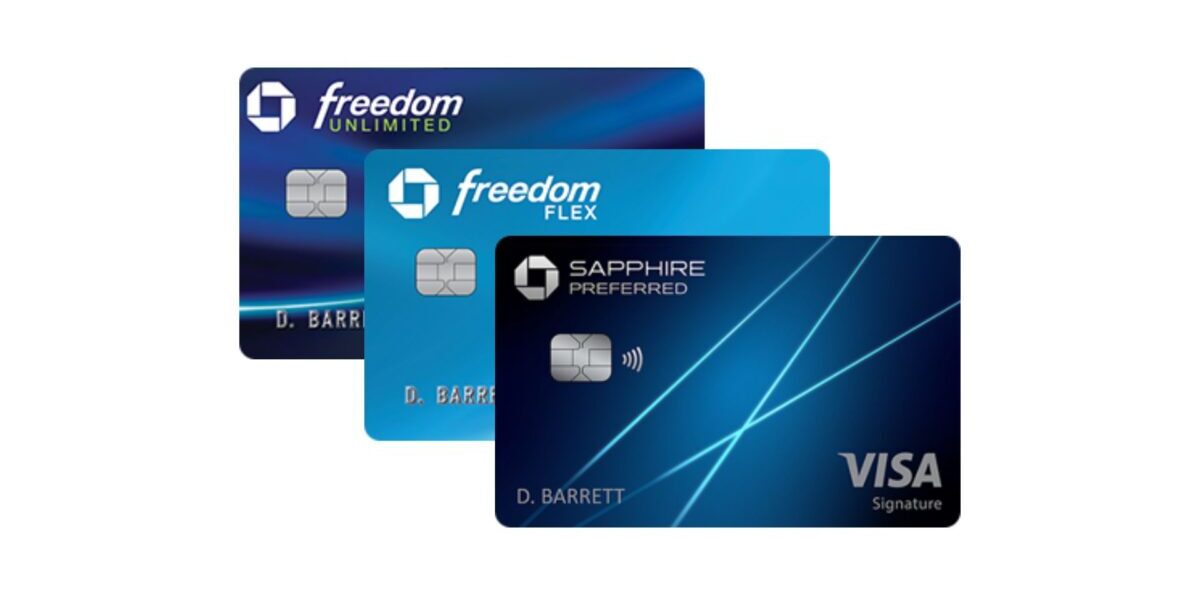
Travel Rewards: Cards like the Chase Sapphire Preferred® Card and Chase Sapphire Reserve® are cornerstones of the travel hacking community, offering valuable points that can be redeemed for flights, hotels, or transferred to airline and hotel loyalty programs at a premium. These cards often come with travel protections, lounge access, and other perks designed for frequent travelers.
-
Cash Back: For those who prefer direct savings, cards such as the Chase Freedom Flex℠ and Chase Freedom Unlimited® provide generous cash back on everyday purchases, often with rotating bonus categories or flat-rate rewards on all spending.
-
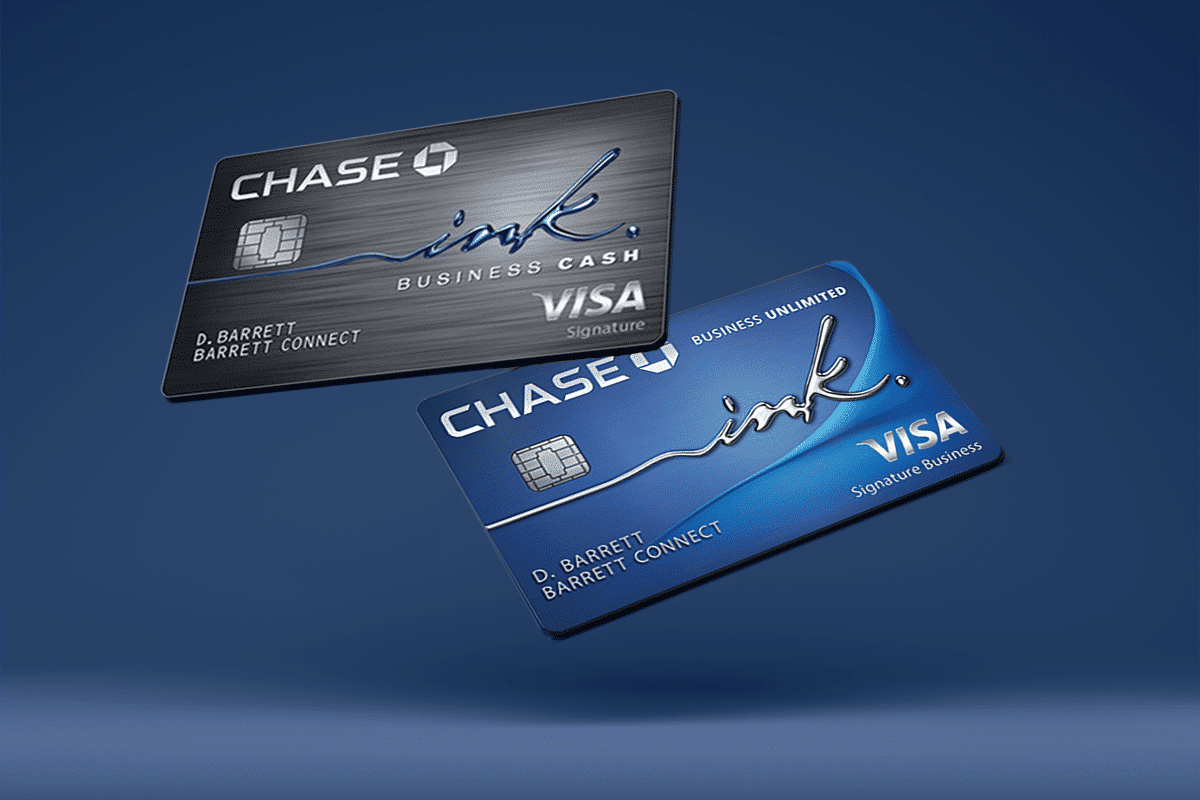
Business Cards: Chase also offers a strong suite of business credit cards, including the Ink Business Preferred® Credit Card and Ink Business Cash® Credit Card, tailored to help small business owners manage expenses, earn rewards, and streamline operations.
-
Co-Branded Cards: Partnerships with major brands like Southwest Airlines, United Airlines, Marriott Bonvoy, and Hyatt allow Chase to offer co-branded cards that provide exclusive loyalty program benefits and accelerated points earning with those specific brands.
Premium Rewards and Redemption Options
One of Chase’s most compelling features is its Ultimate Rewards® program. This flexible points system allows cardholders to earn points across various categories and redeem them for a wide range of options, including travel through the Chase travel portal, cash back, gift cards, or transfers to a host of airline and hotel partners. The ability to transfer points often unlocks the highest value, making Chase cards incredibly attractive for those seeking to maximize their rewards. Many cards also come with generous sign-up bonuses, offering a substantial influx of points after meeting initial spending requirements.
Chase’s Reputation for Customer Service and Innovation
Beyond rewards, Chase is known for its robust digital banking experience, including a highly-rated mobile app and online portal that make managing accounts, tracking spending, and redeeming rewards seamless. Their customer service is generally well-regarded, providing support when cardholders encounter issues or have questions about their accounts. Furthermore, Chase often introduces innovative features and benefits, ensuring their card offerings remain competitive and relevant in an evolving financial landscape.
Essential Preparations: Setting the Stage for Approval
Getting approved for a Chase credit card, especially their premium offerings, typically requires a solid financial foundation. Preparation is key to boosting your chances of success.
Understanding Your Credit Score: The Cornerstone of Approval
Your credit score is arguably the most critical factor Chase will consider. For most of their desirable cards, particularly those with travel or premium rewards, a good to excellent credit score is usually required. This generally means a FICO score of 670 or higher, with scores above 740 significantly increasing your approval odds.
-
Check Your Score: Before applying, obtain your credit score from one of the major credit bureaus (Experian, Equifax, TransUnion) or through various free services offered by banks or financial apps.
-
Understand What Influences It: Your credit score is based on payment history (most important), credit utilization, length of credit history, new credit, and credit mix.
Assessing Your Financial Health: Income, Debt, and Stability
Chase wants to ensure you can responsibly manage new credit. They will look at your income, existing debts, and overall financial stability.
-
Income: While there’s no strict income threshold, a higher income generally indicates a greater ability to pay back debts, which can strengthen your application. Ensure your reported income is accurate and includes all verifiable sources.
-
Debt-to-Income Ratio (DTI): A low DTI indicates that a smaller portion of your income is going towards existing debt payments. Lenders prefer applicants with a lower DTI, as it suggests you have more disposable income to handle new credit obligations.
-
Employment Stability: A stable employment history can also signal financial reliability to lenders.
The Importance of a Clean Credit Report
A clean credit report, free of late payments, defaults, bankruptcies, or collection accounts, is paramount. Even a single late payment can negatively impact your score and signal risk to lenders. Review your credit report from all three major bureaus annually (you can get a free copy from AnnualCreditReport.com) to identify and dispute any errors. Rectifying inaccuracies can significantly improve your credit standing.
Building a Relationship with Chase (Optional but Beneficial)
While not a strict requirement, having an existing relationship with Chase (e.g., a checking or savings account) can sometimes be a soft advantage. It allows Chase to have a more comprehensive view of your financial habits and might be a tie-breaker in borderline approval cases.
The Application Process: A Step-by-Step Walkthrough
Once you’ve done your homework and feel confident in your financial standing, the application process itself is relatively straightforward.
Choosing the Right Card for Your Financial Goals
This is perhaps the most crucial decision. Don’t apply for a card just because it has a large sign-up bonus. Consider:
-
Your Spending Habits: Do you travel frequently? Do you spend a lot on groceries, gas, or dining?
-
Your Financial Goals: Are you saving for a large purchase? Do you want to earn cash back for everyday expenses? Are you aiming for a specific travel experience?
-
Annual Fees: Are you comfortable paying an annual fee in exchange for premium benefits, or do you prefer no-annual-fee options?
Thoroughly research the benefits, rewards structure, and fees of several Chase cards before making your choice.
Gathering Necessary Information and Documentation
Before you start the online application, have the following information readily available:
-
Full legal name, date of birth, and Social Security Number (SSN)
-
Current residential address (and previous if less than two years at current)
-
Contact information (phone number, email address)
-
Employment status and annual income (including all verifiable sources)
-
Monthly housing payment (rent or mortgage)
-
Any existing Chase banking relationships (optional)
Navigating the Online Application Form
Most Chase credit card applications are completed online and can take as little as 10-15 minutes. The form will guide you through sections requesting personal information, financial details, and consent to a credit check.
-
Accuracy is Key: Double-check all entered information for accuracy. Errors can lead to delays or even denial.
-
Read the Fine Print: Carefully review the cardmember agreement, interest rates, fees, and terms and conditions before submitting.
-
Submission: Once submitted, you’ll typically receive an immediate decision (approved, denied, or pending review). If pending, Chase may require additional verification or a deeper dive into your credit profile.
Common Reasons for Application Delays or Denials
If your application isn’t immediately approved, it’s not necessarily a denial. Common reasons for delays include:
-
Verification Issues: Chase may need to verify your identity or income.
-
High Credit Utilization: If your existing credit lines are nearly maxed out, it signals higher risk.
-
Recent Credit Activity: Too many recent applications or new accounts can be a red flag (see ‘5/24 rule’ below).
-
Insufficient Credit History: For premium cards, a longer, established credit history is preferred.
-
Errors on Application: Minor typos or incorrect information can cause a hold-up.
If denied, Chase is legally obligated to provide a reason. Review this reason carefully to understand what areas of your financial profile need improvement.
Strategies for Enhancing Your Approval Odds
Beyond maintaining a good credit score and stable income, there are specific strategies to consider when aiming for a Chase credit card.
The ‘5/24 Rule’ Explained
One of the most infamous unwritten rules in the credit card world is Chase’s “5/24 rule.” This rule dictates that Chase will generally deny your application for most of their cards if you have opened 5 or more personal credit card accounts (from any issuer, not just Chase) in the past 24 months.
-
What Counts: Most personal credit cards, store cards, and even some business cards from other issuers count towards 5/24. Authorized user accounts typically do not, but sometimes do.
-
Strategic Planning: If you’re planning to apply for multiple credit cards over time, consider applying for Chase cards first, especially if you’re close to or at the 5/24 limit. This rule applies to both approved and denied applications.
-
Exceptions: Some specific Chase business cards might not count towards your 5/24 limit, and certain co-branded cards might occasionally offer exceptions, but these are rare.
Understanding and planning around the 5/24 rule is critical for anyone serious about accumulating Chase rewards cards.
Leveraging Existing Banking Relationships with Chase
As mentioned, having a checking, savings, or investment account with Chase can provide a slight edge. It demonstrates a history with the institution and might give them more data points to assess your financial responsibility, potentially improving your chances if your application is on the borderline. This isn’t a guarantee of approval but can be a helpful factor.
The Power of the Reconsideration Line
If your application is denied, don’t despair immediately. Chase, like many other issuers, has a “reconsideration line” – a dedicated phone number where you can speak to a credit analyst.
-
Be Prepared: Call with a clear understanding of why you were denied (from your denial letter) and be ready to articulate why you believe you deserve the card.
-
Highlight Strengths: Emphasize your positive attributes: stable income, low debt, long credit history, existing Chase relationships, and how you plan to use the card responsibly.
-
Address Concerns: If Chase cited specific reasons (e.g., too much credit recently), you can explain the context or rationale. For instance, if you opened a card for a specific purpose that’s now fulfilled, or if your income has recently increased.
-
Politeness Pays: Always be courteous and professional. The analyst has the discretion to overturn an automated denial.
A successful reconsideration call can turn a denial into an approval, making it a valuable tool in your credit card application strategy.
Patience and Persistence: What to Do If Denied
If, after reconsideration, you’re still denied, view it as an opportunity to improve.
-
Understand the Reasons: Use the denial letter to pinpoint areas for improvement (e.g., lower credit utilization, longer credit history, more stable income).
-
Work on Your Credit: Focus on paying bills on time, reducing debt, and avoiding new credit applications for a few months.
-
Reapply Later: After 6-12 months of consistent credit improvement, you can consider reapplying.
Responsible Card Ownership: Maximizing Benefits Post-Approval
Congratulations! If you’ve been approved for a Chase credit card, the journey doesn’t end there. Responsible management is key to long-term financial health and maximizing the card’s benefits.
Activating Your Card and Understanding Your Limits
Upon receiving your card, activate it immediately, usually through a website or phone number provided. Familiarize yourself with your credit limit, interest rate, and any introductory APR offers. Understanding these terms will help you manage your spending effectively.
Responsible Spending and Payment Habits
-
Pay in Full, On Time: The golden rule of credit card use. Paying your statement balance in full each month avoids interest charges and builds excellent payment history. If you can’t pay in full, always pay at least the minimum amount due by the due date.
-
Keep Utilization Low: Aim to keep your credit utilization ratio (the amount of credit you’re using compared to your total available credit) below 30%, and ideally even lower (e.g., 10%), to positively impact your credit score.
-
Budgeting: Integrate your credit card spending into your overall budget to prevent overspending.
Utilizing Card Benefits and Protections
Chase cards often come with a suite of benefits beyond rewards:
-
Purchase Protection: Coverage for new purchases against damage or theft.
-
Extended Warranty: Adds additional time to the original manufacturer’s warranty.
-
Travel Insurance: Trip cancellation/interruption, baggage delay, and rental car insurance.
-
Fraud Protection: Zero liability for unauthorized charges.
Read your card’s guide to benefits to understand and leverage all the protections and perks available to you. These can save you money and provide peace of mind.
Monitoring Your Credit and Financial Growth
Regularly monitor your credit score and credit report for any changes or inaccuracies. Continue to track your spending and review your monthly statements to ensure all charges are legitimate and to understand your financial patterns. As your credit profile strengthens, you may be eligible for higher credit limits or even more premium Chase cards in the future.
Getting a Chase credit card is a strategic financial decision that can unlock substantial value. By understanding their offerings, meticulously preparing your application, navigating the process with informed strategies, and committing to responsible card ownership, you can successfully integrate a Chase credit card into your financial life and reap its many rewards.
aViewFromTheCave is a participant in the Amazon Services LLC Associates Program, an affiliate advertising program designed to provide a means for sites to earn advertising fees by advertising and linking to Amazon.com. Amazon, the Amazon logo, AmazonSupply, and the AmazonSupply logo are trademarks of Amazon.com, Inc. or its affiliates. As an Amazon Associate we earn affiliate commissions from qualifying purchases.