
JPMorgan Chase & Co. stands as one of the “Big Four” banks in the United States, offering a sophisticated ecosystem of financial products that cater to everyone from college students to high-net-worth investors. Opening an account with Chase is more than just securing a place to store your cash; it is an entry point into a comprehensive financial network that includes world-class credit cards, mortgage services, and investment platforms through J.P. Morgan.
Navigating the process requires a strategic approach. Whether you are looking for a basic checking account or a premium private client relationship, understanding the requirements, the digital interface, and the long-term financial benefits is essential for maximizing your banking experience.

Understanding Your Options: Selecting the Right Chase Account
Before beginning the application process, you must identify which financial vehicle best serves your current goals. Chase offers a diverse menu of accounts, each designed with specific fee structures and perks.
Checking Accounts for Everyday Liquidity
The “Chase Total Checking” account is the flagship product for most consumers. it provides access to over 15,000 ATMs and 4,700 branches. However, for those looking to avoid monthly service fees through specific behaviors, other options may be more suitable.
“Chase Secure Banking” is an excellent entry-level choice for those who want to avoid overdraft fees entirely, as it does not allow spending more than what is in the account. On the higher end, “Chase Sapphire Banking” and “Chase Private Client” offer prioritized service, waived fees on international ATM withdrawals, and higher transfer limits, provided you maintain a significant daily balance (typically $75,000 or more across linked accounts).
Savings and Wealth Accumulation
Chase Savings accounts are often used as secondary vehicles to hold emergency funds. While the interest rates on standard savings accounts are often lower than online-only high-yield savings accounts (HYSA), the primary value lies in the “Relationship Rates” and the seamless integration with your checking account. For serious investors, the “J.P. Morgan Self-Directed Investing” account can be opened simultaneously, allowing you to trade stocks and ETFs with zero commissions while keeping your entire financial portfolio under one digital roof.
Specialized Accounts: Students and Businesses
Chase offers tailored solutions for specific demographics. The “Chase College Checking” account is designed for students aged 17–24, offering zero monthly fees for up to five years while in school. For entrepreneurs, “Chase Business Complete Banking” provides a robust platform for managing cash flow, integrated credit card processing through Chase QuickAccept, and the ability to scale as the business grows.
Preparation and Documentation: What You Need to Gather
The efficiency of your application depends largely on your preparation. Whether applying online or in person, Federal law—specifically the USA PATRIOT Act—requires financial institutions to verify the identity of every person who opens an account.
Personal Identification and Legal Residency
You will need to provide two forms of government-issued identification. A valid U.S. Driver’s License or State ID is standard. If you are a non-citizen, a Passport or Matrícula Consular card is generally required. Additionally, you must provide your Social Security Number (SSN) or Individual Taxpayer Identification Number (ITIN).
Contact Information and Proof of Address
Chase requires a physical U.S. address to establish an account (P.O. Boxes are usually not sufficient for the primary address). You should be prepared to provide your full legal name, date of birth, phone number, and email address. If your current address does not match your ID, having a utility bill or a lease agreement on hand can prevent delays in the verification process.
Initial Funding Requirements
While some accounts may have a $0 minimum opening deposit requirement, it is best practice to have funds ready to transfer via ACH from another bank or a debit card. If you are opening an account in a branch, you can use cash or a check. Establishing your initial deposit immediately ensures that the account remains active and avoids any “low balance” flags during the first 30 days.

The Step-by-Step Application Journey
Chase has streamlined its application process to take approximately 10 to 15 minutes online. However, some users may prefer the personalized touch of a branch visit.
The Online Application Process
-
Visit the Official Portal: Navigate to the Chase website and select the “Open an Account” button under the specific product you have chosen.
-
Input Personal Data: You will enter your SSN, address, and employment information. Chase uses encrypted systems to ensure this data remains secure.
-
Account Customization: You will be asked if you want to opt into overdraft protection or link an existing Chase account.
-
Identity Verification: Chase may ask a series of “out-of-wallet” questions—questions based on your credit report (e.g., “Which of these addresses have you lived at previously?”)—to confirm your identity.
-
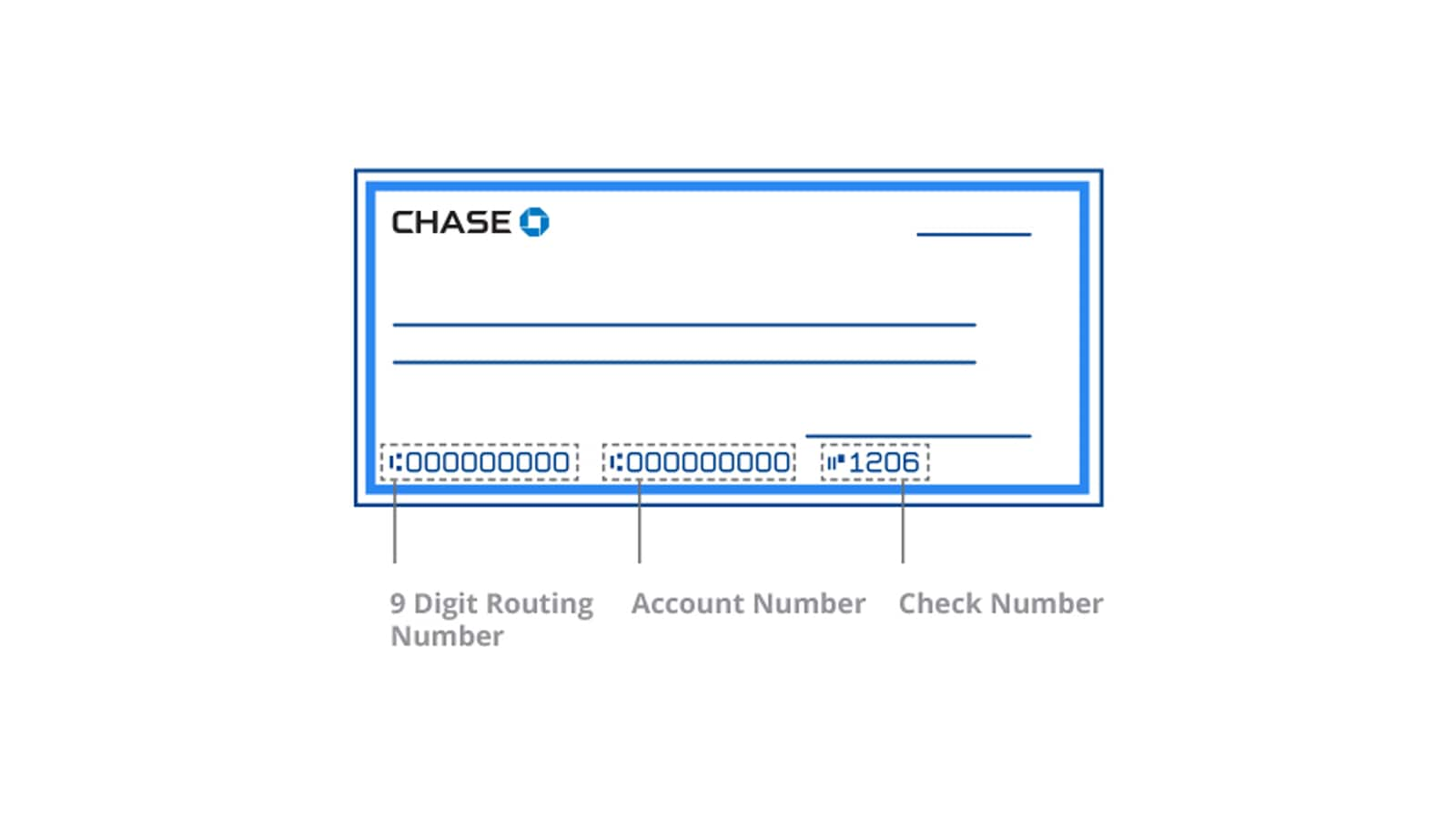
Funding: Enter the routing and account number of your external bank to pull the initial deposit.
-
Review and Sign: Read the Deposit Account Agreement and Electronic Disclosure. Once you click “Submit,” you will often receive an instant decision.
The In-Branch Experience
For those with complex financial needs or those who prefer physical interaction, visiting a Chase branch is recommended. It is advisable to schedule an appointment online beforehand. In a branch, a Personal Banker can help you navigate the nuances of “Relationship Banking,” potentially linking family accounts to hit balance requirements for fee waivers. This is also the best route for non-U.S. citizens who may have specific documentation that requires manual review by a bank officer.
Maximizing Value: Bonuses, Digital Tools, and Financial Integration
Opening a Chase account is a strategic move in a broader personal finance plan. To truly benefit, you must look beyond the basic functions of deposit and withdrawal.
Capitalizing on New Account Bonuses
Chase is famous for its “New Account” coupons. It is common to see offers ranging from $200 to $600 for new customers who open a checking and savings account and set up a direct deposit. Before you apply, always search for a “Chase coupon code.” Ensure you meet the criteria—usually a minimum direct deposit amount within the first 90 days—to ensure the bonus is credited to your account.
Leveraging the Digital Ecosystem
The Chase Mobile App is consistently rated as one of the best in the industry. Once your account is open, setting up “QuickDeposit” allows you to deposit checks via your smartphone camera. Furthermore, “Zelle” is integrated directly into the app, allowing for near-instant peer-to-peer transfers without fees. For security, you should immediately enable “Security Alerts,” which notify you of any transaction over a specific dollar amount, helping you catch fraudulent activity in real-time.
Building a Path to Premium Credit
One of the most significant advantages of banking with Chase is the impact it has on your ability to access their credit products. Chase is known for the “5/24 Rule” and other internal metrics when approving credit cards like the Chase Sapphire Preferred or the Ink Business Preferred. By maintaining a healthy depository relationship, you build “internal data” with the bank, which can be a deciding factor in credit approvals and higher credit limits.
Maintaining Your Account and Avoiding Common Pitfalls
Once the account is active, the focus shifts to management. Financial discipline is required to ensure that the costs of banking do not outweigh the benefits.
Navigating Fees and Waivers
Most Chase accounts have a monthly service fee ($12 to $25 typically), but these are easily waived. For the Total Checking account, a monthly direct deposit of $500 or more usually waives the fee. Alternatively, maintaining a minimum daily balance of $1,500 achieves the same result. Understanding these thresholds is vital to ensuring your banking remains “free.”
Managing Overdrafts and Security
Chase offers “Overdraft Assist,” which waives the overdraft fee if you are overdrawn by $50 or less at the end of the business day, or if you bring the balance back up by the next business day. However, for the best financial health, linking a savings account as a backup for overdraft protection is a safer strategy. Additionally, monitor your account for “Paper Statement Fees.” Switching to paperless statements is not only environmentally friendly but also removes a small, unnecessary monthly charge.
The Long-term Banking Relationship
As your net worth grows, your relationship with Chase should evolve. Moving from a standard checking account to “Chase Private Client” can grant you access to dedicated advisors, better rates on mortgages, and even free safe deposit boxes. By starting with a simple account today, you are laying the groundwork for a comprehensive financial partnership that can support your wealth-building journey for decades to come.
Opening an account with Chase is a straightforward process, but when executed with an eye toward bonuses, fee waivers, and credit building, it becomes a powerful tool in your financial arsenal. Prepare your documents, choose the account that fits your cash flow, and engage with the digital tools provided to ensure your money is working as hard as you are.
aViewFromTheCave is a participant in the Amazon Services LLC Associates Program, an affiliate advertising program designed to provide a means for sites to earn advertising fees by advertising and linking to Amazon.com. Amazon, the Amazon logo, AmazonSupply, and the AmazonSupply logo are trademarks of Amazon.com, Inc. or its affiliates. As an Amazon Associate we earn affiliate commissions from qualifying purchases.