
In the modern financial landscape, the ubiquity of digital payments and direct deposits has not entirely phased out the traditional paper check. Chase Bank, as one of the largest financial institutions in the world, issues millions of checks annually, ranging from personal payments to corporate payroll and insurance settlements. If you have found yourself holding a Chase bank check, the immediate question is how to convert that paper into liquid capital efficiently and safely. Whether you are an existing Chase customer or a non-account holder looking for a quick payout, understanding your options is essential for navigating the complexities of banking fees, identification requirements, and processing times.

Cashing Your Check Directly at Chase Bank
The most straightforward and often the most reliable method for cashing a check issued by Chase is to visit a physical Chase branch. Because the check is drawn on their own accounts, Chase has immediate access to the internal data required to verify funds and the validity of the signature. However, the experience differs significantly depending on your relationship with the bank.
Policies for Chase Account Holders
If you maintain a personal or business account with Chase, the process is seamless. Account holders can cash a Chase check at any branch without paying a check-cashing fee. Furthermore, Chase customers have the option of depositing the check via an ATM or the Chase Mobile app. When cashing in person, the bank will typically verify your identity through your debit card and PIN or a government-issued photo ID.
One of the primary advantages for account holders is the ability to bypass the “immediate availability” hurdles often found at other institutions. While a portion of a deposited check might be held for a business day, cashing it directly often provides the full amount instantly, provided the funds are available in the issuer’s account.
Information for Non-Account Holders
For those who do not hold an account with Chase, cashing a check at the source is still possible, but it comes with specific stipulations. Chase generally allows non-customers to cash checks drawn on Chase accounts, but they often charge a flat fee for this service. This fee is typically around $8 to $10, though it can vary based on the check amount or regional policies.
To cash a check as a non-customer, you must provide two forms of identification, at least one of which must be a primary government-issued photo ID (such as a driver’s license, passport, or state ID). The second form can often be a debit card from another bank, a social security card, or a major credit card. It is important to note that Chase branches may refuse to cash checks for non-customers if the check amount exceeds a certain threshold—often $2,000 to $5,000—directing the individual instead to deposit the check into their own bank account.
Retail Options and Major Supermarkets
When a bank branch is not accessible or if the bank’s hours do not align with your schedule, retail locations offer a viable alternative. Many major retailers have integrated financial services into their customer service departments to facilitate check cashing for a broad range of consumers.
Big Box Retailers: Walmart and Target
Walmart is perhaps the most well-known retail destination for cashing checks. They have a standardized policy for cashing payroll, government, and cashier’s checks, including those issued by Chase. Walmart typically charges a fee (usually under $4 for checks up to $1,000 and around $8 for checks between $1,000 and $5,000). The advantage here is the extended operating hours and the ability to load the funds directly onto a Walmart MoneyCard or receive them in cash.
Target, conversely, does not offer check-cashing services in the traditional sense. While they accept checks as a form of payment for goods, they are not a destination for liquidating a check. Understanding these distinctions between big-box retailers can save significant time and travel.
Grocery Store Chains
Many regional and national grocery chains provide check-cashing services at their “Money Services” or customer service desks. Companies such as Kroger, Publix, and Wegmans are frequent choices for cashing Chase checks.
Kroger, for example, utilizes a tiered fee system based on the check’s value. Like Walmart, they focus primarily on “pre-printed” checks, such as payroll or tax refunds. If the Chase check you hold is a handwritten personal check, you may find that most grocery stores will decline to cash it due to the higher risk of fraud. Always call ahead to confirm if a specific grocery location handles personal checks before making the trip.
Specialized Check-Cashing Services
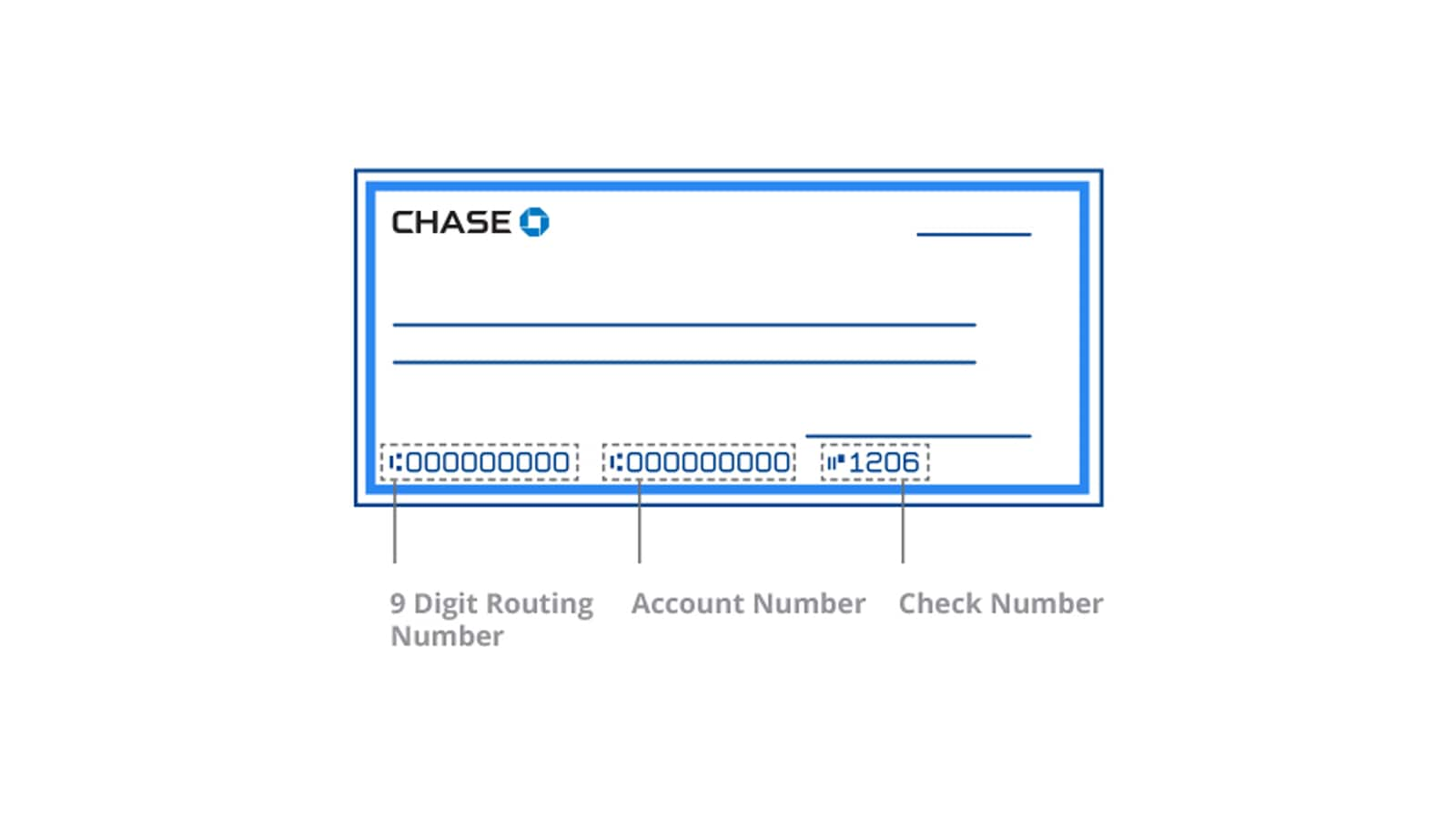
For individuals who are unbanked or need access to funds outside of standard retail and banking hours, specialized check-cashing stores are a prominent fixture in the financial ecosystem. These include brands like PLS, Check Into Cash, and Money Mart.
Dedicated Financial Service Centers
Dedicated check-cashing centers are designed for speed and convenience. They are often open 24/7 or have very late hours, making them accessible to those working non-traditional shifts. These centers will cash almost any type of Chase check, including personal checks, which are often rejected by retailers.
The trade-off for this convenience is the cost. These institutions operate on a high-risk model and compensate for that risk by charging percentage-based fees. While a bank might charge a flat $10, a check-cashing store might charge 2% to 5% of the check’s total value. On a $2,000 check, a 3% fee results in a $60 charge, which is significantly higher than other options.
Understanding High-Interest Fees
It is vital to view specialized check-cashing services as a last resort due to their impact on your net income. Over time, the fees paid at these centers can erode a significant portion of a worker’s take-home pay. For those frequently cashing Chase checks at these locations, the most sound financial advice is often to look into low-fee “second chance” checking accounts or prepaid debit cards that allow for mobile deposits, thereby keeping more money in their own pockets.
Digital and Mobile Cashing Alternatives
The rise of financial technology (FinTech) has introduced ways to cash a Chase check without ever leaving your home. If you do not have a traditional bank account, several apps and digital wallets now offer check-processing features.
Prepaid Card Apps and Mobile Wallets
Apps associated with prepaid cards, such as Netspend or the Bluebird by American Express card, often feature mobile check capture. You simply take a photo of the front and back of the Chase check within the app. The funds are then verified and loaded onto your prepaid card.
Similarly, PayPal and Venmo have introduced “Cash a Check” features. By utilizing third-party processors, these apps allow users to deposit checks into their digital balance. If you are willing to wait 10 days, the service is often free. However, if you need the funds “instantly” (usually within minutes), a fee—typically 1% to 5% with a minimum of $5—is deducted from the total.
Ingo Money and Instant Verification
Ingo Money is the powerhouse behind many of the mobile check-cashing features found in other apps. By using the Ingo Money app directly, you can cash a Chase check and have the funds sent to a linked debit card, a PayPal account, or even used to pay off a credit card. Ingo’s verification process is rigorous but fast, making it a favorite for those who need to bypass the traditional banking infrastructure entirely.
Navigating Identification Requirements and Security
Regardless of where you choose to cash your Chase bank check, certain security protocols are universal. These measures are in place to protect the bank, the check issuer, and the person cashing the check from the rampant issue of identity theft and financial fraud.
Standard Identification Documents
The cornerstone of any financial transaction is “KYC” or “Know Your Customer” regulations. You should always carry a valid, unexpired government-issued ID. While a driver’s license is the standard, a state ID, military ID, or U.S. passport is generally accepted.
If you are cashing a check at a location where you are not a member, expect to have your ID scanned and your fingerprint taken. This is a standard security practice in the check-cashing industry to deter fraud. If a check later bounces or is found to be fraudulent, the institution has the necessary documentation to pursue the individual who cashed it.
Safeguarding Against Check Fraud
Before heading to a cashing location, ensure the check is in good condition. Do not sign (endorse) the back of the check until you are physically at the counter. A check that is endorsed ahead of time is essentially as good as cash; if you lose it, anyone who finds it could theoretically attempt to cash it.
Furthermore, be aware of the “stale-dated” check rule. Most Chase personal checks are valid for six months (180 days) from the date of issue. After this period, a bank is not legally obligated to honor the check. If you have a Chase check that is several months old, it is best to contact the issuer and ask for a replacement to avoid having the check rejected at the teller window.
By understanding these various avenues—ranging from the source bank to digital FinTech solutions—you can make an informed decision that balances speed, cost, and convenience. Cashing a Chase bank check does not have to be a complicated endeavor if you are prepared with the right documentation and knowledge of the fee structures involved.
aViewFromTheCave is a participant in the Amazon Services LLC Associates Program, an affiliate advertising program designed to provide a means for sites to earn advertising fees by advertising and linking to Amazon.com. Amazon, the Amazon logo, AmazonSupply, and the AmazonSupply logo are trademarks of Amazon.com, Inc. or its affiliates. As an Amazon Associate we earn affiliate commissions from qualifying purchases.