
Credit cards are an indispensable tool in modern finance, offering convenience, security, and the ability to build a credit history. However, not all credit cards are created equal, particularly when it comes to their fee structures. One common point of confusion and frustration for consumers often revolves around the annual fee, and Credit One Bank has a unique approach that frequently sparks questions: why do they charge an annual fee every month? This article will delve into the intricacies of Credit One’s fee model, exploring the underlying business reasons, the impact on consumers, and how it compares to the broader credit card landscape.

The immediate reaction to a “monthly annual fee” is often one of skepticism, as most annual fees are levied once a year. Credit One’s structure, however, isn’t about charging an annual fee plus a monthly fee; it’s about breaking down the yearly charge into more frequent, smaller installments. Understanding this distinction is crucial to comprehending their operational strategy and whether their products align with your financial goals.
Understanding Credit Card Annual Fees
Before dissecting Credit One’s specific model, it’s essential to grasp the general concept of annual fees in the credit card industry. These fees are a standard practice for many lenders, serving various purposes depending on the card type and the target demographic.
The Standard Annual Fee Model
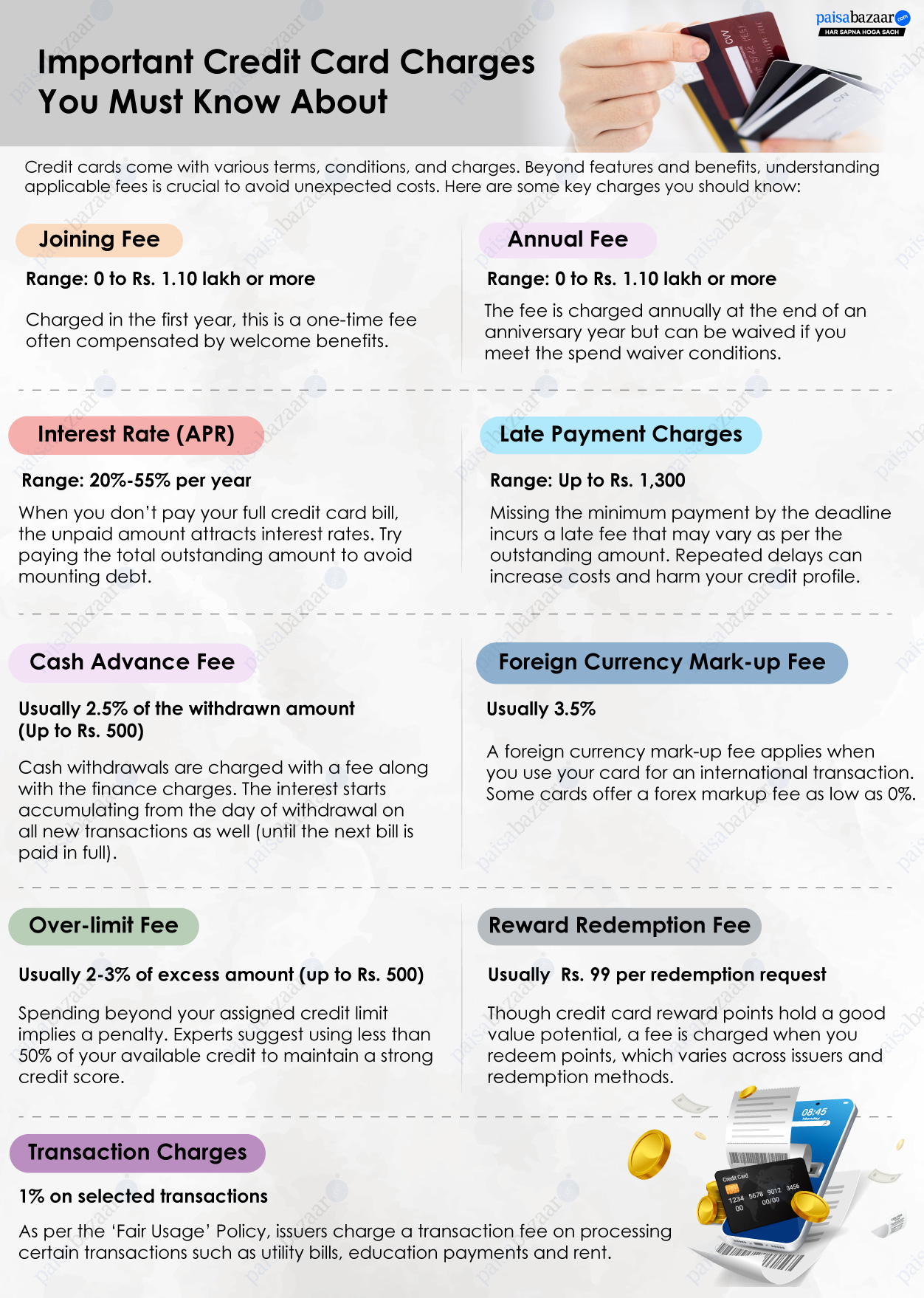
A typical annual fee is a charge applied once every 12 months for the privilege of using a credit card. These fees vary widely, from around $25 for basic cards to hundreds or even thousands of dollars for ultra-premium travel or exclusive rewards cards. For premium cards, the annual fee is usually justified by the extensive benefits offered, such as travel credits, airport lounge access, accelerated rewards earning, concierge services, and comprehensive insurance coverage. Cardholders paying these higher fees often do so because the value of the perks and rewards significantly outweighs the cost.
On the other end of the spectrum, some annual fees are associated with cards designed for individuals with developing or less-than-perfect credit. In these cases, the fee serves as a way for the issuer to offset the higher risk associated with lending to this demographic. It helps to cover potential losses from defaults and the administrative costs of managing accounts that might require more hands-on oversight. For these cards, the benefits are typically minimal, with the primary value being the opportunity to build or rebuild credit history.
Credit One’s Unique Approach: Annual Fee, Monthly Installments
Credit One Bank stands out because it takes the annual fee and divides it into 12 equal monthly payments. So, if a card has a $75 annual fee, instead of seeing a single $75 charge once a year, the cardholder will see a $6.25 charge on their statement every month. This isn’t a separate monthly fee; it’s simply the annual fee collected in installments.
This structure can be confusing because the term “annual fee” inherently implies a yearly charge. When it appears monthly, it can feel like a perpetual drain on one’s credit limit and budget. However, from Credit One’s perspective, this method offers certain advantages, particularly when serving their specific market segment. It provides a more consistent revenue stream and aims to make the fee feel less daunting to consumers who might be hesitant about a large, one-time upfront charge.
The Business Model Behind Monthly Annual Fees
Credit One Bank’s fee structure is not arbitrary; it’s a calculated business decision designed to address the unique challenges and opportunities present in the subprime lending market. Their model is deeply intertwined with their target audience and risk management strategies.
Targeting a Specific Demographic
Credit One Bank primarily caters to individuals who are rebuilding their credit, have limited credit history, or possess lower credit scores. This demographic often struggles to qualify for traditional credit cards from major banks, which typically require good to excellent credit. For many, a Credit One card might be one of their few options to access revolving credit and begin establishing a positive payment history.
The challenge with lending to this segment is the inherently higher risk of default. Individuals with lower credit scores have historically demonstrated a greater likelihood of missing payments or defaulting on their debts. This increased risk translates into higher operational costs for the lender, including greater resources dedicated to collections, account management, and potential write-offs.
Mitigating Risk and Ensuring Profitability
Charging an annual fee, especially one collected monthly, serves as a crucial mechanism for Credit One to mitigate this elevated risk and ensure profitability.
-
Consistent Revenue Stream: By collecting the annual fee in monthly installments, Credit One secures a more consistent and predictable revenue stream. This steady income helps offset administrative costs and potential losses from defaults. Even if a cardholder stops making payments after a few months, Credit One has already collected a portion of that year’s fee, reducing their immediate loss compared to waiting for a full year’s payment.
-
Offsetting Higher Operating Costs: The subprime market often requires more robust customer service and collections efforts, which are more expensive to maintain. The annual fee contributes directly to covering these increased operational expenses.
-
Financial Qualification Indicator: While not explicitly stated, the willingness of a consumer to accept and pay a monthly annual fee can, in a subtle way, indicate a certain level of commitment or need for credit, helping Credit One identify viable customers within a higher-risk pool.
Accessibility vs. Cost: The Trade-Off
For consumers, Credit One’s model represents a clear trade-off: accessibility to credit versus a higher overall cost. For someone who has been repeatedly denied credit, a Credit One card, despite its fees, can be a valuable tool. It offers a path to build credit responsibly, which can eventually lead to qualification for cards with better terms and fewer fees. However, this accessibility comes at a price. Beyond the monthly annual fee, these cards often feature higher Annual Percentage Rates (APRs), additional fees for services like late payments or exceeding credit limits, and generally lower credit limits compared to prime credit cards.

The Impact on Consumers: Pros and Cons
Understanding Credit One’s business model helps clarify why they charge fees this way. But what does this mean for the individual cardholder? The impact can be significant, both positive and negative, depending on one’s financial discipline and understanding of the card’s terms.
The Upsides for Credit Builders
For individuals with poor or limited credit history, Credit One cards can offer a crucial stepping stone:
-
Access to Credit: The most significant benefit is gaining access to a revolving line of credit when other options are scarce. This is vital for participating in the financial system and making necessary purchases.
-
Credit Building Opportunity: When managed responsibly (payments made on time, balances kept low), a Credit One card can help establish or improve a credit score. Positive payment history is the most important factor in FICO scores.
-
Financial Literacy Practice: For some, it serves as a practical lesson in managing credit, understanding interest, and the impact of fees, preparing them for more favorable financial products in the future.
The Downsides and Potential Traps
However, the structure of Credit One’s fees, combined with other common features of subprime cards, presents several potential pitfalls:
-
Erosion of Credit Limit: The monthly annual fee directly reduces your available credit from day one. If you have a $300 limit and a $6.25 monthly fee, your effective starting limit is $293.75, which can quickly shrink further if you carry a balance.
-
High APRs: Credit One cards typically come with high Annual Percentage Rates. This means if you carry a balance, the interest charges will accumulate rapidly, making it difficult to pay down debt.
-
Psychological Impact: Seeing a recurring monthly fee can be demotivating and make it harder to feel like you’re making progress, especially when combined with high interest and low credit limits.
-
Easy to Fall into Debt: The combination of low limits, high APRs, and monthly fees makes it very easy for small purchases to balloon into unmanageable debt if not paid off in full each month.
-
Other Fees: Beyond the monthly annual fee, be vigilant for other charges like late payment fees, cash advance fees, and foreign transaction fees, which can further erode your financial standing.
The Importance of Understanding Terms and Conditions
The core lesson for any consumer considering a Credit One card is the absolute necessity of reading and understanding the fine print. The Cardholder Agreement will detail all fees, APRs, payment due dates, and other critical terms. Don’t assume anything; verify every charge and condition before activating the card. Awareness is your best defense against unexpected costs and can help you develop a strategy for using the card effectively.
Is a Credit One Card Right for You? Alternatives and Best Practices
Given the unique fee structure and the specific market Credit One serves, it’s crucial to assess whether their product truly aligns with your financial situation and goals.
When a Credit One Card Might Make Sense
A Credit One card might be a viable option in very specific circumstances:
-
Last Resort for Credit Building: If you’ve exhausted all other avenues for obtaining credit (including secured cards), a Credit One card could be your only option to start building credit history.
-
Emergency Access to Credit: In a dire financial emergency where no other credit is available, it might provide a temporary bridge, but this should be approached with extreme caution due to the high costs.
-
Disciplined Spenders: If you are extremely disciplined and can commit to paying off your balance in full every single month (and ideally, paying the monthly fee as soon as it posts), you can minimize interest charges and use the card solely for credit building.
Exploring Alternatives for Credit Building
Before opting for a Credit One card, it’s highly recommended to explore more affordable and potentially more effective alternatives for building credit:
-
Secured Credit Cards: These cards require an upfront security deposit, which typically becomes your credit limit. They are often easier to get than unsecured cards for those with poor credit, usually have lower fees (or no annual fee), and still report to credit bureaus, making them excellent credit-building tools. After a period of responsible use, many can graduate to an unsecured card and get their deposit back.
-
Credit Builder Loans: Offered by some credit unions and online lenders, these loans work in reverse. You make payments into a savings account, and once the loan is fully repaid, you receive the funds. The regular, on-time payments build positive credit history.
-
Authorized User Status: If a trusted family member or friend has good credit, becoming an authorized user on their account can help you piggyback on their positive payment history (though this should only be done if the primary cardholder is responsible).
-
Alternative Lenders: Some fintech companies and credit unions offer unsecured credit cards or personal loans with more favorable terms for those with limited credit, albeit still with higher APRs than prime cards.
Strategies for Managing a Credit One Card
If you do decide to get a Credit One card, employing responsible financial habits is paramount:
-
Pay on Time, Every Time: This is the most critical step for credit building. Even a single late payment can severely damage your credit score.
-
Pay More Than the Minimum: Always aim to pay your full statement balance. If that’s not possible, pay as much as you can above the minimum to reduce interest accrual.
-
Keep Utilization Low: Try to keep your credit utilization (the amount of credit you’re using compared to your total available credit) below 30%, ideally even lower (10% or less). With low credit limits, this means making small purchases and paying them off quickly.
-
Monitor Your Account Regularly: Check your statements and online account frequently for the monthly annual fee, interest charges, and any other fees.
-
Graduate to a Better Card: As your credit score improves (typically after 6-12 months of responsible use), actively seek out better credit card options with lower fees, lower APRs, and better rewards. Credit One may offer upgrades, or you might qualify for cards from other issuers.
In conclusion, Credit One charges an “annual fee every month” not as a separate monthly charge, but as an annualized fee broken down into 12 smaller installments. This strategy is primarily driven by their business model of serving the subprime credit market, allowing them to manage higher lending risks and maintain profitability. While these cards offer a pathway to credit for those who might otherwise be denied, they come with higher costs and potential pitfalls. For consumers, understanding these nuances, diligently managing their accounts, and proactively seeking better financial products as their credit improves are essential steps toward building a strong financial future.
aViewFromTheCave is a participant in the Amazon Services LLC Associates Program, an affiliate advertising program designed to provide a means for sites to earn advertising fees by advertising and linking to Amazon.com. Amazon, the Amazon logo, AmazonSupply, and the AmazonSupply logo are trademarks of Amazon.com, Inc. or its affiliates. As an Amazon Associate we earn affiliate commissions from qualifying purchases.