
For many consumers working to rebuild their credit scores or looking for their first entry point into the world of revolving credit, Credit One Bank is a name that appears frequently. Often arriving in the form of a pre-approved mailer, the bank positions itself as a savior for the “subprime” borrower—those with thin credit files or histories marred by late payments and bankruptcies. However, if you spend any time browsing financial forums, consumer advocacy sites, or the Better Business Bureau, a different narrative emerges.

The question “what is wrong with Credit One Bank” is not a simple one to answer, as the bank operates within the legal frameworks of the U.S. banking system. However, for the average consumer, the “wrongness” lies in a combination of high-cost fee structures, confusing branding, and a lack of standard consumer protections that are common among major issuers. In the world of personal finance, Credit One is often viewed as a lender of last resort, and for good reason.
The Identity Crisis: Branding and Market Perception
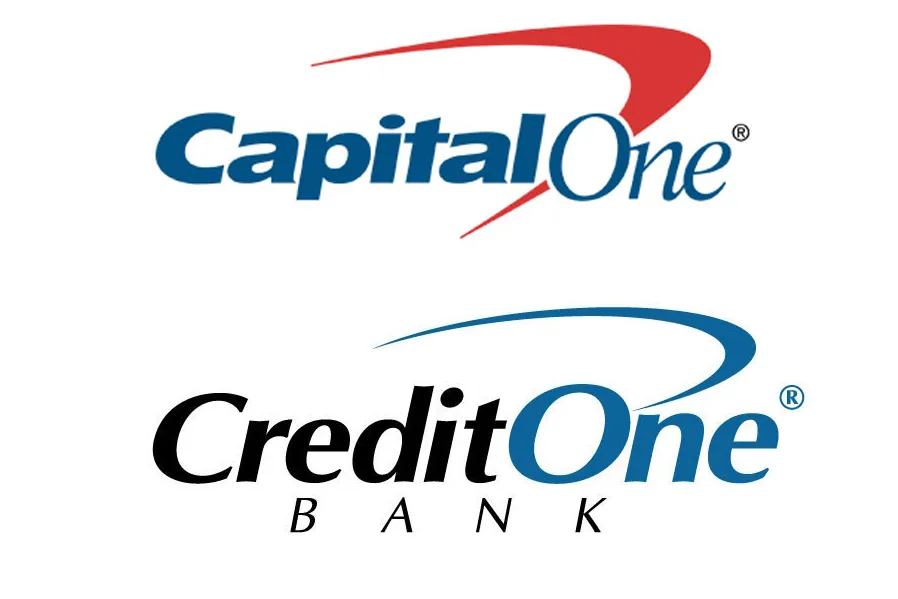
One of the most frequent criticisms leveled against Credit One Bank is its branding. To the untrained eye, Credit One Bank looks remarkably similar to Capital One, one of the largest and most reputable credit card issuers in the United States.
The Capital One Confusion
The similarity between Credit One and Capital One is not a coincidence, though the history is nuanced. Credit One actually adopted its “swoosh” logo before Capital One did. However, Capital One’s massive marketing budget has made its brand synonymous with accessible credit. Consequently, many consumers apply for a Credit One card under the mistaken impression that they are dealing with Capital One.
This brand confusion is a significant issue because the two institutions cater to very different tiers of consumers and offer vastly different terms. While Capital One offers a range of products from subprime to premium travel cards (like the Venture X), Credit One focuses almost exclusively on the subprime market. When a consumer realizes they have signed up for a high-fee Credit One card thinking it was a Capital One product, the relationship begins with a sense of deception, whether intentional or not.
Targeting the Vulnerable Subprime Market
Credit One’s primary business model is built on targeting individuals who have few other options. This demographic often includes those who have recently exited bankruptcy, young adults with no credit history, or immigrants. Because these individuals are often desperate to improve their credit scores, they may overlook predatory terms in the fine print. The “wrongness” here is a matter of ethics: the bank provides a necessary service (access to credit), but it does so at a price point that can keep the borrower in a cycle of debt.
A Complex and Costly Fee Structure
In the realm of personal finance, the goal of a credit card should be to provide liquidity and build credit at a minimal cost. Credit One Bank flips this model on its head. For many of its products, the cost of simply holding the card can outweigh the benefits of the credit line provided.
The Burden of Annual and Monthly Fees
Most entry-level credit cards from major banks like Discover or Chase have no annual fee. In contrast, almost all Credit One cards carry an annual fee, which can range from $39 to $99 or more. What makes this particularly egregious is that the annual fee is often deducted from the initial credit limit immediately upon opening the account. If a borrower is approved for a $300 limit and the annual fee is $75, they start their credit journey with only $225 in available credit and a balance already owed.
Furthermore, many Credit One cards transition to a monthly fee structure after the first year. Instead of a single annual charge, users may be billed $8.25 every month just for the “privilege” of keeping the account open. For a consumer trying to save money and rebuild their financial life, these “maintenance” fees represent a significant leak in their monthly budget.
The Hidden Costs of Credit Limit Increases
Standard credit card companies typically reward responsible behavior with automatic credit limit increases at no cost. Credit One has been known to charge “fee-based” credit limit increases. Users have reported being offered a higher limit in exchange for a one-time fee. This practice is virtually unheard of among reputable lenders and serves as another example of how the bank monetizes the basic components of credit management.
The Interest Trap: Missing Grace Periods
Perhaps the most significant “red flag” associated with Credit One Bank is its policy regarding grace periods. For the vast majority of credit cards in the U.S., there is a 21- to 25-day grace period between the end of a billing cycle and the payment due date. If you pay your balance in full during this time, you are not charged interest on your purchases.
Understanding the Lack of a Grace Period

Certain Credit One credit cards do not offer a grace period for purchases. This means that interest begins to accrue the moment a transaction is made. Even if the cardholder pays their balance in full every single month, they will still be hit with interest charges. This is a fundamental departure from how standard credit cards work and is often a shock to consumers who are used to the industry standard.
The Problem of Residual Interest
Because interest starts accruing immediately on some cards, cardholders often run into “residual interest” (also known as trailing interest). This happens when a balance is paid off, but interest that accrued between the statement closing date and the payment date appears on the next month’s bill. This makes it incredibly difficult for users to ever see a $0 balance on their statement, leading to a perpetual cycle of small payments and ongoing interest charges.
Operational Hurdles and Customer Service Pitfalls
Beyond the financial costs, the user experience at Credit One is frequently cited as a major pain point. Effective personal finance management requires transparency and reliability from your financial institution—two areas where Credit One often falls short.
Payment Processing Delays
A recurring complaint among Credit One customers is the speed—or lack thereof—at which payments are processed. While many modern banks reflect a payment on the available credit limit almost instantly, Credit One has been known to hold payments for several days, especially for new accounts. This delay can lead to accidental over-limit fees or missed opportunities to use the card for necessary expenses. Some users have even reported that the bank requires a “payment protection” fee to ensure payments are credited more quickly, which is another unnecessary cost.
The Difficulty of Account Termination
In a healthy financial ecosystem, closing an account should be a straightforward process. However, many Credit One users report significant hurdles when trying to cancel their cards. From long wait times on customer service lines to “retention offers” that are confusingly phrased, the bank makes it difficult to sever ties. Given that the bank charges monthly maintenance fees, every month a consumer is delayed in closing their account results in more profit for the bank and more loss for the consumer.
Digital Interface and Technical Limitations
While major banks have invested billions in intuitive mobile apps and robust digital security, Credit One’s digital interface is often described as clunky and outdated. Users frequently report issues with the mobile app crashing, difficulty setting up autopay, and a lack of detailed transaction data. In an era where digital security and real-time alerts are paramount, these technical shortcomings add an extra layer of risk and frustration for the cardholder.
Strategic Alternatives for Rebuilding Credit
If the goal is to improve a credit score without falling into the traps mentioned above, there are far better ways to navigate the money landscape than opening a Credit One account.
Secured Credit Cards from Tier-One Institutions
The most effective alternative to a subprime card like Credit One is a secured credit card from a reputable bank. Institutions like Discover, Capital One (the actual Capital One), and Bank of America offer secured cards where the user provides a refundable deposit that serves as their credit limit. These cards typically have no annual fees, provide a standard grace period, and—most importantly—offer a clear path to “graduate” to an unsecured card with the deposit returned.
Credit Builder Loans and FinTech Solutions
For those who do not have the cash upfront for a deposit, credit-builder loans (like those offered by Self or various credit unions) are an excellent way to build payment history without the risk of high-interest revolving debt. Additionally, new FinTech tools allow consumers to report rent and utility payments to credit bureaus, providing a boost to their scores without the need for a high-fee credit card.
Final Verdict: Is Credit One “Wrong”?
From a strictly legal standpoint, Credit One Bank operates within the regulations of the industry. However, from a personal finance and consumer advocacy perspective, what is “wrong” with Credit One is that its products are designed to profit from the financial instability of its customers. By leveraging brand confusion, implementing aggressive fee structures, and removing standard features like grace periods, the bank creates an environment where it is difficult for the consumer to win.
For anyone looking to take control of their financial future, the best move is usually to look past the pre-approved mailer and seek out institutions that offer transparency, lower costs, and a genuine path toward financial health. Credit is a tool for building wealth; it should not be a weight that pulls you further into debt.
aViewFromTheCave is a participant in the Amazon Services LLC Associates Program, an affiliate advertising program designed to provide a means for sites to earn advertising fees by advertising and linking to Amazon.com. Amazon, the Amazon logo, AmazonSupply, and the AmazonSupply logo are trademarks of Amazon.com, Inc. or its affiliates. As an Amazon Associate we earn affiliate commissions from qualifying purchases.