
The question “who owns Costco Kirkland” might seem straightforward at first glance, but delving into its answer reveals a sophisticated brand strategy that has become a cornerstone of Costco Wholesale Corporation’s phenomenal success. While the simplistic response is that Costco itself owns the Kirkland Signature brand, the implications of this ownership extend far beyond a mere corporate registration. It speaks volumes about brand identity, consumer trust, market positioning, and the strategic leverage of a private label in a fiercely competitive retail landscape. This article will unpack the intricate relationship between Costco and its flagship private label, exploring how Kirkland Signature isn’t just a product line, but a powerful brand in its own right, deeply intertwined with Costco’s corporate identity and marketing prowess.
The Definitive Answer: Costco Owns Kirkland Signature
To clarify unequivocally, the Kirkland Signature brand is 100% owned and operated by Costco Wholesale Corporation. It is not a separate entity, nor is it a collaboration with an independent manufacturer. Rather, it is Costco’s proprietary private label, developed and managed in-house to offer members high-quality products at competitive prices. This direct ownership is fundamental to understanding its strategic impact and success.
The Birth of a Private Label Powerhouse
The Kirkland Signature brand was introduced in 1992, named after Costco’s corporate headquarters in Kirkland, Washington, at the time. The initial motivation was clear: to create a line of products that would match or exceed the quality of national brands, but at a significantly lower price point. This wasn’t merely about offering cheaper alternatives; it was about establishing a benchmark for value that members could consistently rely on. From bottled water and toilet paper to premium spirits and organic foods, Kirkland Signature quickly expanded its footprint across virtually every product category available in Costco warehouses. The brand’s rapid acceptance by consumers wasn’t accidental; it was the result of a meticulously planned brand development process, focusing on stringent quality control, robust sourcing, and a clear value proposition.
The Strategic Imperative Behind Kirkland Signature
Costco’s decision to invest heavily in a private label like Kirkland Signature was a strategic masterstroke driven by multiple objectives. Firstly, it allowed Costco to exert greater control over product specifications, quality, and supply chains. Unlike stocking national brands where pricing and product changes are dictated by external suppliers, Kirkland products give Costco agency. Secondly, it provided a powerful tool for differentiation. In an increasingly homogenized retail environment, Kirkland Signature offered unique selling propositions that set Costco apart from competitors. Lastly, and perhaps most importantly from a brand perspective, it built unparalleled customer loyalty. Members quickly learned that the Kirkland name was synonymous with quality and value, making it a key reason they continued to renew their memberships and shop exclusively at Costco. This isn’t just about selling goods; it’s about selling an experience and a promise under a trusted name.
More Than Just a Name: Kirkland’s Role in Costco’s Corporate Identity
Kirkland Signature is not merely a collection of products; it is an extension of the Costco brand itself. It embodies the core values and promises that Costco makes to its members: quality, value, and consistency. This deep integration means that Kirkland Signature plays a critical role in shaping and reinforcing Costco’s corporate identity in the minds of consumers. When a member purchases a Kirkland product, they are implicitly trusting Costco’s judgment and commitment to excellence.
Fostering Member Loyalty and Trust
The success of Kirkland Signature is intrinsically linked to member loyalty. Costco operates on a membership model, and retaining those members is paramount. Kirkland products act as a powerful incentive for membership renewal. When consumers find they can consistently purchase high-quality staples and even luxury items under the Kirkland brand at prices significantly below comparable national brands, the value proposition of their Costco membership becomes undeniable. This fosters a deep sense of trust and perceived benefit, cementing their allegiance to the warehouse club. The brand perception of Kirkland is therefore directly linked to the brand equity of Costco—if Kirkland performs well, Costco’s brand value increases.
Quality Assurance and Value Proposition
A key pillar of the Kirkland Signature brand strategy is its unwavering commitment to quality. Costco maintains rigorous standards for all Kirkland products, often working directly with leading manufacturers (who sometimes also produce national brands) to meet specific, often higher, specifications. This dedication to quality assurance ensures that Kirkland products not only compete on price but also on performance and reliability. The value proposition is not just about a lower price; it’s about providing premium quality at an accessible price. This strategy directly reinforces Costco’s overall corporate identity as a provider of superior value. Consumers are not sacrificing quality for savings; they are getting both, and that distinction is crucial to the brand’s perceived integrity. This careful balance ensures that the Kirkland name never feels like a “generic” or “cheap” alternative, but rather a smart, high-quality choice.
The Brand Strategy of Kirkland Signature: Competing with National Brands
The very existence of Kirkland Signature is an audacious brand strategy to directly challenge established national and international brands. It’s not about avoiding competition; it’s about meeting it head-on with a distinct advantage rooted in the private label model. Kirkland Signature aims to occupy the same mental space as premium brands while delivering on a promise of superior value that national brands often struggle to match due to their own marketing and distribution costs.
Undercutting Competitors While Maintaining Perception
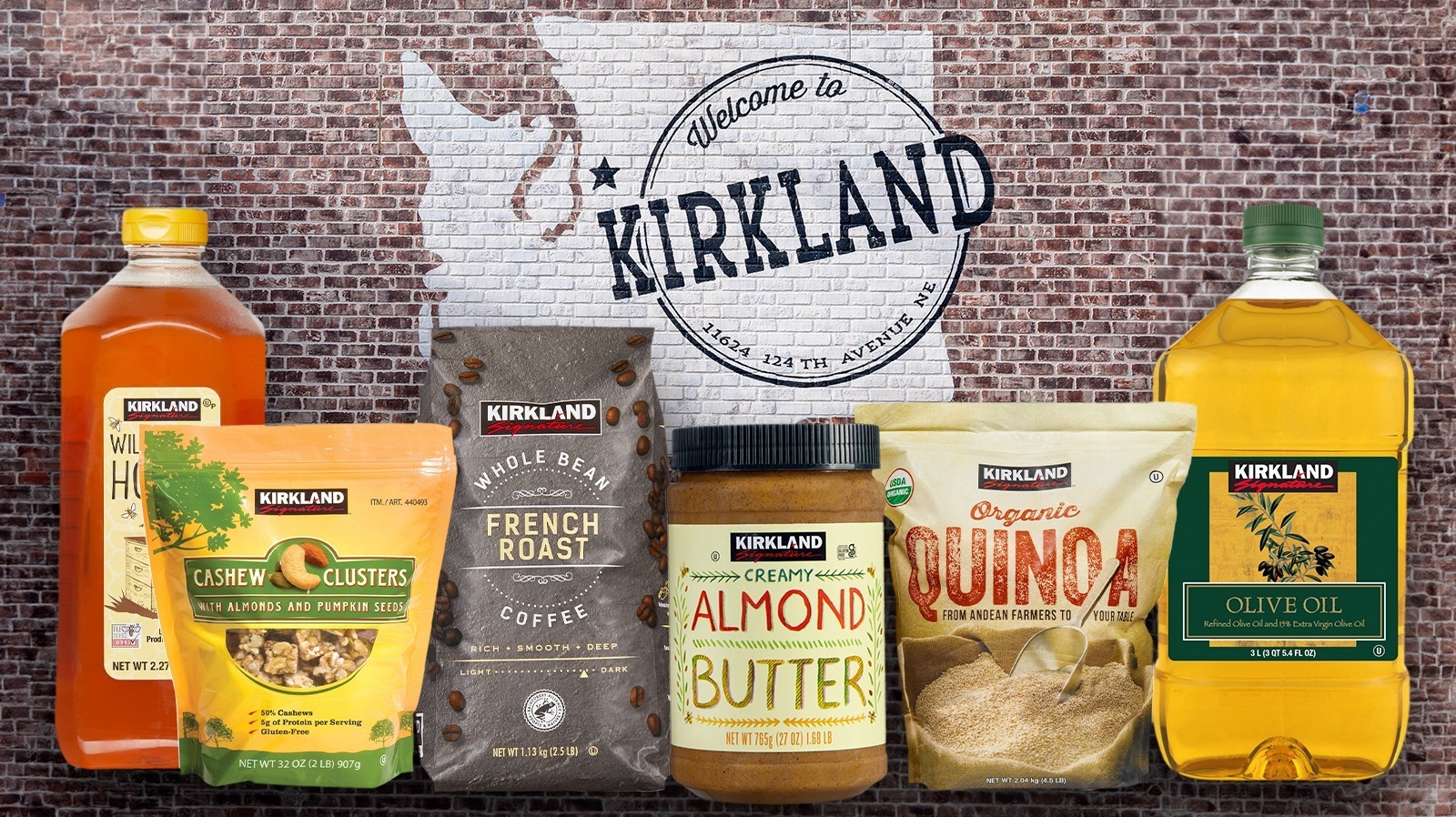
Kirkland Signature products are intentionally positioned to compete directly with, and often outperform, leading national brands in terms of both quality and price. Costco leverages its massive purchasing power and efficient supply chain to source products at lower costs. By eliminating many of the traditional marketing, advertising, and distribution expenses associated with national brands, Costco can pass significant savings directly to its members. The brand’s minimalist packaging design, often featuring clear information about the product’s origin or specifications, further reinforces an image of transparency and efficiency, rather than flashy marketing. This allows Kirkland to undercut prices without appearing “cheap,” instead fostering a perception of smart, informed purchasing. The lack of extensive marketing budget for Kirkland means the product quality itself has to be the marketing, relying heavily on word-of-mouth and customer satisfaction to build its reputation.
The “Treasure Hunt” Effect and Product Assortment
Costco’s general merchandising strategy, often referred to as the “treasure hunt” experience, also extends to its Kirkland Signature brand. While many Kirkland products are staples, others are introduced seasonally or for limited runs, creating a sense of urgency and discovery for members. This strategic assortment encourages members to explore new Kirkland offerings and reinforces the idea that unexpected value can be found around every corner. Furthermore, the breadth of the Kirkland product line—from clothing and home goods to gourmet foods and automotive supplies—demonstrates the brand’s versatility and Costco’s confidence in its ability to deliver quality across diverse categories. This wide-ranging presence solidifies Kirkland Signature as a holistic lifestyle brand within the Costco ecosystem, not just a label for basic commodities.
The Symbiotic Relationship: How Kirkland Elevates Costco
The relationship between Kirkland Signature and Costco is symbiotic. While Costco provides the platform, distribution, and reputation that allows Kirkland to thrive, Kirkland, in turn, elevates Costco’s overall business model and brand standing. It’s a powerful feedback loop where the success of one reinforces the strength of the other, ultimately benefiting the member and the company’s bottom line.
Enhancing Profit Margins and Business Model Resilience
From a business finance perspective, private labels like Kirkland Signature typically offer significantly higher profit margins compared to national brands. By controlling the entire process from sourcing to shelf, Costco captures a larger share of the value chain. These enhanced margins are crucial for Costco’s business model, which often operates on very thin margins for national brand products to maintain competitive pricing. The increased profitability from Kirkland products provides financial resilience, allowing Costco to continue offering exceptional value across its entire product range, further cementing its brand promise. This also helps offset the costs associated with operating large warehouses and managing extensive logistics, making the overall business more robust.
Data-Driven Insights and Market Power
The direct ownership of Kirkland Signature provides Costco with invaluable data and market insights. By monitoring sales data, member feedback, and product performance for its private label, Costco gains a deeper understanding of consumer preferences, emerging trends, and areas for improvement. This proprietary data can then inform merchandising decisions for both Kirkland and national brands, further optimizing product assortments and enhancing the overall shopping experience. Furthermore, the immense popularity and trust associated with the Kirkland brand give Costco significant leverage in negotiations with national brand suppliers. It allows Costco to dictate terms more effectively, ensuring better pricing and product availability, reinforcing its market power. This strategic leverage is a direct outcome of building a formidable private label brand.
The Future of Private Labels and the Kirkland Legacy
Kirkland Signature has not only achieved remarkable success but has also set a benchmark for what a private label brand can achieve. Its legacy extends beyond individual product sales; it has fundamentally altered consumer perceptions of private labels and influenced the strategies of other retailers. The ongoing evolution of the retail landscape, driven by e-commerce and changing consumer values, means that the Kirkland brand must continue to adapt while staying true to its core tenets.
Adapting to Evolving Consumer Expectations
As consumer preferences shift towards greater transparency, sustainability, and specific dietary needs (e.g., organic, plant-based), Kirkland Signature continues to evolve its product offerings. The brand has successfully integrated trends like organic certifications, gluten-free options, and ethically sourced ingredients into its lineup, demonstrating its agility and responsiveness to market demands. This adaptability is crucial for maintaining relevance and loyalty in an ever-changing retail environment. The brand’s ability to consistently deliver on these new expectations, without compromising its value proposition, will be key to its continued success.

Lessons from a Private Label Success Story
The story of Kirkland Signature offers invaluable lessons for any brand looking to build trust and loyalty. It demonstrates that a private label can transcend the “generic” stigma by focusing relentlessly on quality, providing exceptional value, and integrating seamlessly with the parent company’s core identity. Costco didn’t just create products; it created a brand that members actively seek out and trust. This strategic foresight and unwavering commitment to its brand promise have cemented Kirkland Signature’s position not just as a successful private label, but as a retail brand powerhouse that continues to shape consumer expectations and influence the broader market. Its success is a testament to the power of a well-executed brand strategy focused on quality, value, and unwavering consumer trust.
aViewFromTheCave is a participant in the Amazon Services LLC Associates Program, an affiliate advertising program designed to provide a means for sites to earn advertising fees by advertising and linking to Amazon.com. Amazon, the Amazon logo, AmazonSupply, and the AmazonSupply logo are trademarks of Amazon.com, Inc. or its affiliates. As an Amazon Associate we earn affiliate commissions from qualifying purchases.