
The ubiquitous red and black “Kirkland Signature” label has become a hallmark of quality and value for millions of shoppers worldwide. From colossal tubs of mixed nuts to premium golf balls and surprisingly good wines, Kirkland Signature products grace the shelves of Costco warehouses, embodying a promise of excellence at an accessible price point. But a question often lingers in the minds of curious consumers and astute business observers alike: where, precisely, are Kirkland products made? The answer is far more intricate and strategically significant than a single factory or a specific geographic region. It reveals the sophisticated brand strategy behind one of the most successful private label ventures in retail history, deeply intertwined with corporate identity, marketing, and the very foundation of Costco’s unique value proposition.

Understanding the manufacturing origins of Kirkland Signature isn’t merely about tracing supply chains; it’s about dissecting a brilliant branding exercise. Costco doesn’t just slap its name on generic products; it meticulously crafts and curates a portfolio designed to rival, and often surpass, national brands. This strategic sourcing and the deliberate ambiguity (or clarity, when it serves the brand) around manufacturing partners are central to how Kirkland Signature builds trust, delivers value, and reinforces Costco’s overall brand strength.
The Essence of a Private Label Brand: Kirkland Signature’s Unique Identity
At its core, Kirkland Signature is a private label brand, but it transcends the typical connotations of house brands often associated with lower quality or generic alternatives. For Costco, Kirkland Signature is an extension of its commitment to members, a guarantee of high standards, and a powerful tool for differentiation.
Defining Private Label: Beyond Just a Name
A private label brand is one that is owned by a retailer or supplier, rather than a manufacturer. The retailer then sells these products under its own brand name. Historically, private labels were seen as budget-friendly options, often with perceived lower quality than national brands. Kirkland Signature, however, has redefined this perception. It operates on a different plane, strategically positioned as an equal or superior alternative to leading national brands, often at a significant price advantage. This positioning is not accidental; it’s a deliberate brand strategy that hinges on careful product selection, rigorous quality control, and an often-transparent (yet sometimes discreet) manufacturing process. The “Signature” in its name isn’t just a flourish; it’s a promise of Costco’s endorsement and commitment to quality, elevating it above a mere “store brand.”
Costco’s Vision: Quality, Value, and Trust as Brand Pillars
The success of Kirkland Signature is inextricably linked to Costco’s overarching brand vision. Costco has built its reputation on delivering exceptional value to its members – not just cheap products, but high-quality goods at the lowest possible prices. Kirkland Signature is a direct manifestation of this vision. By controlling the brand from inception to shelf, Costco can dictate specifications, materials, and production processes to ensure they meet stringent quality benchmarks. This direct control, coupled with the ability to bypass traditional marketing and distribution costs associated with national brands, allows Costco to pass substantial savings directly to its members. The trust that members place in Costco as a brand is then extended to Kirkland Signature, forming a virtuous cycle of loyalty and perceived value. The brand pillars of quality, value, and trust are not abstract concepts for Kirkland; they are engineered into every product’s journey from manufacturing floor to the consumer’s pantry.
The Strategic Imperative: Why Private Labels Matter to Retailers
For retailers like Costco, private labels are more than just another revenue stream; they are strategic assets that enhance the core business model. Kirkland Signature provides Costco with several critical advantages. Firstly, it fosters customer loyalty. When members find that Kirkland products consistently meet or exceed their expectations, they are more likely to renew their memberships and make Costco their primary shopping destination. Secondly, it offers better profit margins. By cutting out the middleman and brand marketing expenses, Costco can achieve higher margins on Kirkland products compared to selling national brands, even when priced lower. Thirdly, it provides product differentiation. Kirkland Signature offers unique products that can’t be found anywhere else, giving Costco a competitive edge against other retailers. Finally, it grants greater control over the supply chain, pricing, and merchandising, allowing Costco to respond more dynamically to market conditions and consumer preferences. These strategic imperatives underscore why the “where” of Kirkland’s manufacturing is so critical to its brand identity and business success.
The Multifaceted Manufacturing Network: A Global Tapestry of Production
The question of “where are Kirkland products made?” often implies a single answer, but in reality, Kirkland Signature leverages a sophisticated, global network of manufacturers. This distributed production model is a cornerstone of its brand strategy, allowing it to achieve scale, maintain quality, and optimize costs.
The ‘Secret’ Manufacturers: Collaborating with Industry Leaders
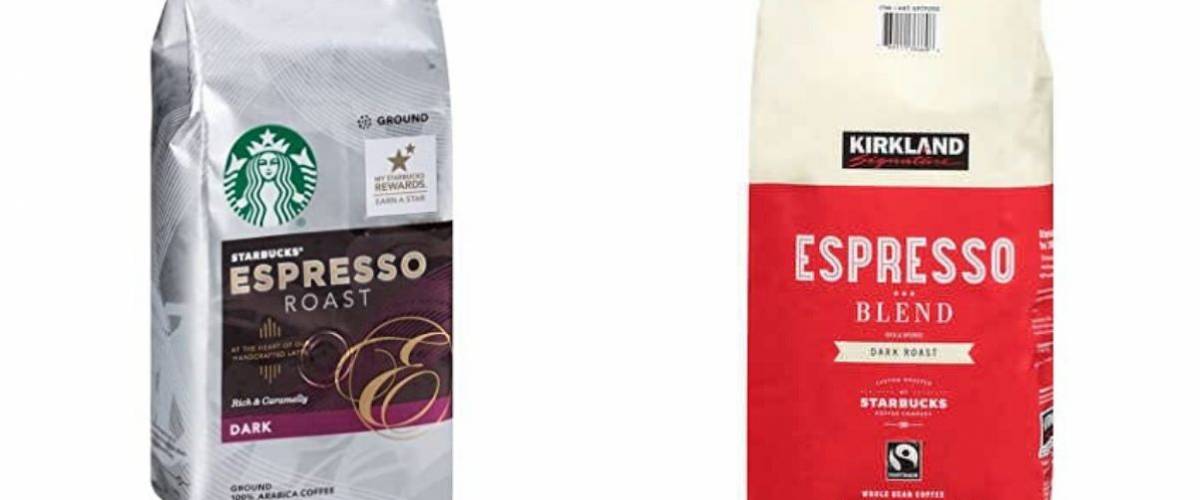
One of the most fascinating aspects of Kirkland Signature’s manufacturing strategy is its collaboration with, and often discreet use of, leading national brand manufacturers. It’s a poorly kept “secret” that many Kirkland products are produced in the very same factories that make well-known, premium brands. For example, specific types of Kirkland coffee might be roasted by Starbucks, batteries by Duracell, diapers by Kimberly-Clark (makers of Huggies), and even specific spirits by renowned distilleries. This strategy offers a dual advantage: Costco gains access to established manufacturing expertise, quality control, and economies of scale, while the manufacturers utilize excess capacity and gain a stable, high-volume client without diluting their primary brand. From a brand perspective, this direct lineage to established quality implicitly assures consumers of Kirkland’s pedigree, even if the specific factory names aren’t emblazoned on the packaging. This relationship solidifies Kirkland’s brand positioning as a premium product, often identical in formulation or production standards to its national brand counterparts.
Diverse Origins, Consistent Quality: Upholding Brand Standards
The manufacturing landscape for Kirkland Signature is incredibly diverse, spanning continents and industries. Products might be made in the United States, China, Vietnam, Mexico, Italy, France, Canada, or any number of other countries, depending on the product category, raw material availability, labor costs, and specific manufacturing expertise. For instance, Kirkland olive oil might come from Italy, clothing from Asia, and organic produce from various farms across North America. Despite this global dispersion, a consistent brand promise of quality is maintained through rigorous oversight. Costco employs a dedicated team of quality assurance professionals who work closely with manufacturers, setting exacting specifications, conducting regular audits, and performing extensive testing on both raw materials and finished goods. This unwavering commitment to quality control, regardless of the product’s origin, is paramount to maintaining the Kirkland Signature brand’s reputation and consumer trust. It demonstrates that “made anywhere” still means “made to Costco’s high standards.”
Geographic Dispersion: Mitigating Risk and Optimizing Supply Chains
A diversified manufacturing base is not just about finding the best producers; it’s a strategic move to build resilience and optimize the supply chain. Relying on a single source or region for manufacturing can expose a brand to significant risks, such as natural disasters, geopolitical instability, labor disputes, or trade tariffs. By sourcing from multiple locations globally, Costco mitigates these risks, ensuring a more stable and reliable supply of Kirkland Signature products for its members. Furthermore, geographic dispersion allows Costco to optimize logistics and distribution. Producing goods closer to major consumer markets can reduce transportation costs and lead times, contributing to the overall value proposition of the Kirkland brand. This smart, diversified approach to manufacturing ensures that the brand remains robust and responsive, capable of weathering external challenges while consistently delivering on its promise of value.
Brand Perception and Value Proposition: How Manufacturing Influences Trust
The mystery and eventual understanding surrounding Kirkland’s manufacturing origins profoundly shape consumer perception, reinforcing its unique value proposition and strengthening the overall Costco brand.
From Mystery to Assurance: Building Consumer Confidence
Initially, some consumers might view private labels with skepticism, associating them with lower quality. However, the open secret of Kirkland’s manufacturing often involving leading national brand producers has transformed this perception from mystery to assurance. When consumers discover that their favorite Kirkland batteries might come from the same factory as a leading brand, it creates an immediate sense of validation and confidence. This revelation is often shared through word-of-mouth or online communities, acting as an organic marketing tool that reinforces Kirkland’s brand equity. It’s a powerful narrative that tells consumers they are getting premium quality without the premium brand name markup. This transparency (even if indirect) demystifies the private label and elevates it in the consumer’s mind, cementing trust in the Kirkland Signature brand.
The ‘Bargain’ Narrative: Premium Quality Without the Premium Price Tag
Kirkland Signature expertly crafts a brand narrative around being the “smart bargain.” It’s not about being cheap; it’s about being intelligent. The knowledge that products are sourced from top-tier manufacturers, combined with Costco’s low-overhead business model, allows Kirkland to offer genuinely premium products at significantly lower prices than their branded counterparts. This “premium quality without the premium price tag” is the cornerstone of its value proposition. It appeals to a discerning consumer who seeks quality and is savvy enough to recognize that paying for a brand name often means paying for marketing, not necessarily superior product. This narrative reinforces the idea that Kirkland Signature is a brand for smart shoppers, aligning perfectly with Costco’s member-centric identity. It subtly communicates that the true value lies in the product itself, not in the branding on the outside.
Impact on Loyalty: The Costco-Kirkland Ecosystem
The consistent delivery of high-quality, value-driven Kirkland Signature products directly impacts member loyalty to Costco. When members consistently find satisfaction with Kirkland items—whether it’s the toilet paper, organic milk, or laundry detergent—it strengthens their bond with the warehouse club. Kirkland Signature isn’t just a product line; it’s a critical component of the entire Costco ecosystem. It provides compelling reasons for membership renewal and increases the average spend per visit. This deep integration means that the success of Kirkland Signature enhances the brand equity of Costco itself, and vice-versa. The brand trust built into Kirkland products makes members feel they are part of an exclusive club that provides unparalleled value, transforming transactional relationships into enduring loyalty.
Strategic Brand Advantages: Leveraging Manufacturing Diversity
Kirkland Signature’s diverse manufacturing strategy isn’t just about making products; it’s a powerful engine for building and sustaining a robust, competitive brand.
Market Agility: Adapting to Trends and Consumer Demands
By working with a wide array of manufacturers, Costco gains significant market agility for its Kirkland Signature brand. It can quickly identify emerging trends, develop new products, or adapt existing ones to meet evolving consumer demands without being constrained by the R&D cycles or production limitations of a single manufacturer. If, for instance, there’s a surge in demand for organic products, Costco can readily tap into its network of organic producers. If new sustainable materials become available, it can work with manufacturers capable of incorporating them. This flexibility allows Kirkland to remain relevant and responsive, continually refreshing its brand appeal and staying ahead of competitors. This agility is a strategic brand advantage, ensuring that Kirkland Signature continues to resonate with contemporary consumer values and preferences.
Cost Control and Competitive Edge: Enhancing the Brand’s Value
Direct control over manufacturing, coupled with the ability to choose among diverse suppliers, gives Costco immense power in cost control. This isn’t about cutting corners; it’s about optimizing efficiency and leveraging economies of scale. By purchasing raw materials in bulk, negotiating favorable production contracts, and minimizing marketing expenses, Costco can ensure that Kirkland products are produced at the lowest possible cost without compromising quality. This cost advantage is then translated into competitive pricing, which is a cornerstone of the Kirkland Signature brand’s value proposition. It allows the brand to consistently offer superior value compared to national brands, reinforcing its competitive edge in the marketplace and strengthening its brand image as the ultimate smart choice for consumers.
Innovation and Product Development: Expanding the Kirkland Portfolio
The widespread manufacturing network also fuels innovation and product development for Kirkland Signature. Rather than being limited to the capabilities of an in-house factory, Costco can collaborate with manufacturers specializing in various niches—from textiles to electronics, food processing to household goods. This broad access to expertise allows Kirkland to venture into diverse product categories, continuously expanding its portfolio and surprising members with unexpected offerings, such as premium spirits, high-performance golf clubs, or specialty food items. Each new, successful Kirkland product reinforces the brand’s versatility and reliability, further cementing its position as a trusted source for almost anything a member might need, all under the umbrella of its consistent quality promise.
Challenges and Future Outlook: Sustaining a Global Private Label Brand
Despite its successes, managing a global private label brand like Kirkland Signature comes with its own set of challenges, particularly as consumer expectations and global dynamics evolve.
Maintaining Quality Control Across Diverse Suppliers
One of the perpetual challenges for Kirkland Signature is maintaining consistent quality control across its vast and varied manufacturing base. While Costco has robust systems in place, ensuring uniform standards from dozens, if not hundreds, of different factories worldwide requires constant vigilance, significant resources, and a dedicated team. A single lapse in quality from one supplier could potentially damage the entire brand’s reputation, eroding the trust that has been so painstakingly built. As the brand expands into new categories and geographies, the complexity of this quality assurance process only increases, demanding continuous innovation in supply chain management and oversight. The brand’s future success hinges on its ability to consistently uphold its quality promise, regardless of the product’s origin.
Ethical Sourcing and Sustainability: Modern Brand Responsibilities
In an increasingly socially conscious marketplace, ethical sourcing and sustainability are no longer optional but essential components of a strong brand identity. Consumers are increasingly scrutinizing not just the quality of products but also the conditions under which they are made, the environmental impact of their production, and the fairness of labor practices. For a global brand like Kirkland Signature, ensuring that all its diverse manufacturers adhere to high ethical standards, fair labor practices, and sustainable environmental protocols is a monumental task. Costco must invest continuously in auditing, transparency, and collaborative efforts with its suppliers to meet these evolving brand responsibilities, ensuring that Kirkland Signature remains a brand that consumers can feel good about supporting on all fronts.

Evolving Consumer Expectations: The Future of Kirkland’s Brand Promise
The retail landscape is constantly shifting, driven by evolving consumer expectations regarding convenience, personalization, and digital engagement. For Kirkland Signature, the challenge will be to adapt its brand promise and offerings to these new realities while staying true to its core values of quality and value. This might involve further embracing e-commerce, enhancing product transparency through digital tools, or diversifying into new service-oriented categories. The future of Kirkland’s brand will depend on its ability to innovate within its private label framework, continue to surprise and delight its members, and maintain its relevance in a highly competitive and rapidly changing market. Ultimately, the story of “where Kirkland products are made” will continue to be a testament to strategic brand management, innovative sourcing, and an unwavering commitment to delivering exceptional value to its loyal membership base.
aViewFromTheCave is a participant in the Amazon Services LLC Associates Program, an affiliate advertising program designed to provide a means for sites to earn advertising fees by advertising and linking to Amazon.com. Amazon, the Amazon logo, AmazonSupply, and the AmazonSupply logo are trademarks of Amazon.com, Inc. or its affiliates. As an Amazon Associate we earn affiliate commissions from qualifying purchases.