
In the vast landscape of retail, where consumer choices are abundant and competition is fierce, understanding the intricate relationship between a brand’s operational details and its overall identity is paramount. The seemingly simple query, “What time does Costco Wholesale open?” transcends a mere factual lookup; it serves as a powerful lens through which to examine fundamental aspects of brand strategy, customer experience, and corporate identity. For a colossal retailer like Costco, known for its unique membership model, bulk offerings, and curated selection, the clarity and accessibility of such basic operational information are not just conveniences—they are foundational pillars of its brand promise and customer loyalty. This article will explore how brands, exemplified by Costco, strategically manage and communicate their operational accessibility, transforming mundane details into crucial elements of their overarching brand narrative.
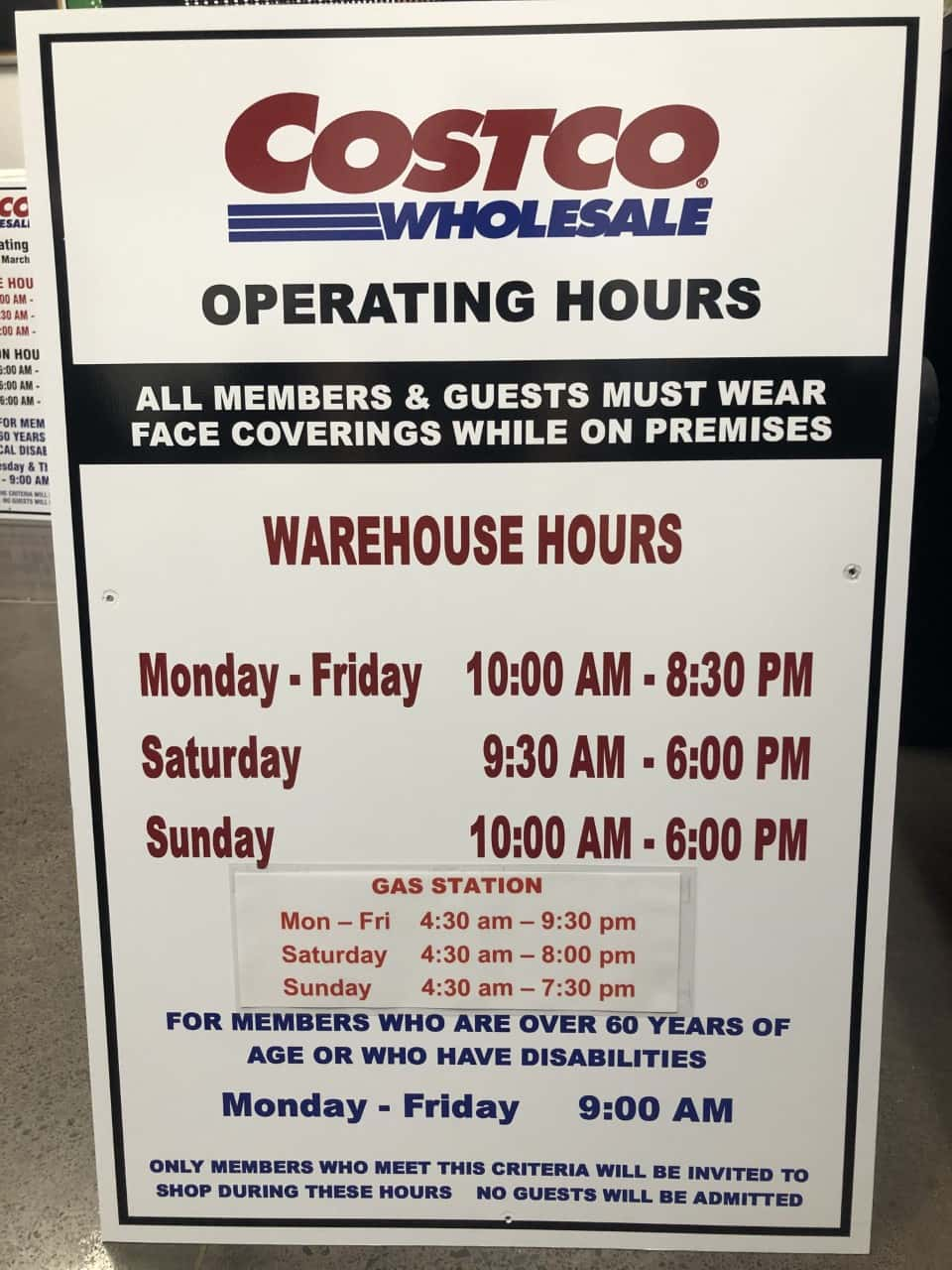
The Foundational Role of Operational Hours in Brand Perception
Operational hours, though often perceived as purely logistical information, play a critical and often underestimated role in shaping a brand’s perception and its relationship with its customer base. For a brand of Costco’s stature, which thrives on a high-volume, membership-driven model, these hours are not just guidelines but fundamental components of its customer value proposition.
Customer Convenience as a Brand Pillar
At its core, a brand’s accessibility directly translates to customer convenience. In an increasingly time-poor society, consumers seek ease and predictability in their interactions with businesses. Knowing when a store opens allows customers to plan their visits efficiently, integrate shopping into their busy schedules, and avoid frustration. For a brand like Costco, whose customers often travel considerable distances and plan large-scale shopping trips, this convenience is amplified. If a member arrives at 9:30 AM expecting to shop and finds the doors still closed until 10:00 AM, the immediate emotional response can range from minor annoyance to significant frustration, directly impacting their perception of the brand’s reliability and respect for their time. Conversely, a seamless, predictable experience reinforces positive brand associations, strengthening the bond between the customer and the enterprise. Convenience isn’t merely a perk; it’s a strategic imperative that underpins customer satisfaction and, consequently, brand equity.
Setting Expectations and Building Trust
Consistency in operational hours is a powerful builder of trust. When a brand reliably adheres to its advertised schedule, it communicates professionalism, organization, and a commitment to its customers. Discrepancies, such as unannounced changes or inconsistent information across different channels, erode this trust. For a brand like Costco, which operates on a membership model—meaning customers pay for the privilege of shopping there—maintaining trust is even more critical. Members expect a certain level of service and predictability in return for their annual fee. Clear, consistent communication of opening and closing times, holiday schedules, and any temporary adjustments fosters a sense of security and reliability. This predictability contributes to a positive corporate identity, positioning Costco as a dependable partner in its members’ household management and purchasing decisions.
The Impact on Customer Loyalty and Repeat Business
The cumulative effect of convenience and trust, directly influenced by factors like operational transparency, is profound for customer loyalty and repeat business. A positive, frictionless customer experience stemming from easily accessible and reliable information encourages customers to return. When a brand consistently meets or exceeds expectations regarding basic operational details, it reduces friction points in the customer journey, making the act of shopping more enjoyable and less stressful. This fosters a sense of ease and belonging that encourages regular visits and long-term engagement. For Costco, where the business model relies heavily on member retention and recurring revenue from annual fees, every positive interaction, even one as simple as accurately knowing the store’s opening time, contributes to the overall narrative of a brand that values its members and strives for operational excellence, thereby reinforcing loyalty and driving sustained patronage.
Strategic Communication of Key Operational Information
In today’s multi-channel world, effectively communicating operational details like store hours requires a sophisticated and integrated strategy. For a brand of Costco’s magnitude, simply posting a sign on the door is no longer sufficient. The brand must ensure that this critical information is readily available, consistent, and accurate across all potential touchpoints where a customer might seek it.
Multi-Channel Information Dissemination
A robust brand strategy dictates that key operational information must be disseminated across every relevant channel. This includes, but is not limited to, the brand’s official website, mobile application, social media profiles, in-store signage, and crucially, third-party platforms like Google My Business, Apple Maps, and various GPS navigation systems. For Costco, an extensive digital presence is critical, as many members will first consult their smartphones or computers for store hours before venturing out. The Costco website provides a dedicated store locator with individual store pages detailing hours, special departmental hours (e.g., optical, pharmacy, tire center), and holiday schedules. Their mobile app often includes similar functionality, leveraging location services to provide relevant information. This multi-channel approach ensures that no matter how a customer chooses to interact with the brand, the information they need is at their fingertips, reflecting a commitment to seamless customer service.
Consistency Across Touchpoints
The bedrock of effective multi-channel communication is consistency. Nothing undermines brand trust faster than contradictory information. If a customer finds one opening time on Google and another on the official website, confusion and frustration inevitably arise, creating a negative brand interaction before they even set foot in the store. A brand like Costco must implement rigorous internal processes to ensure that any changes to operational hours—whether for holidays, special events, or unforeseen circumstances—are updated simultaneously and accurately across all digital and physical platforms. This demands centralized data management and a disciplined approach to information sharing. Consistency reinforces the brand’s reliability and professionalism, indicating a well-organized operation that values clarity and precision in its communication with members.
Proactive Updates and Crisis Communication
Beyond static information, a proactive approach to updates and a clear crisis communication plan are vital for maintaining brand integrity. This means not only updating holiday hours well in advance but also having a rapid response system for unexpected closures due to weather events, power outages, or other emergencies. Brands that can quickly and clearly communicate such changes—via push notifications, website banners, social media alerts, or local news advisories—demonstrate responsiveness and consideration for their customers. For Costco, this might involve updating members about early closures due to severe weather, ensuring they don’t make an unnecessary trip. Such proactive communication minimizes inconvenience and demonstrates empathy, turning potential negative experiences into opportunities to reinforce the brand’s commitment to its community and members, even during challenging times.
Costco’s Model: Membership, Bulk, and Beyond Operating Hours
Costco’s brand identity is intrinsically linked to its unique business model, which revolves around membership, bulk purchasing, and a promise of value. While operational hours are a basic function, they are deeply intertwined with the execution and perception of this broader brand strategy.
The Membership Value Proposition and Time Sensitivity
The Costco membership model is a cornerstone of its brand. Members pay an annual fee for exclusive access to savings on bulk goods. This creates a psychological contract: members expect exceptional value and a streamlined shopping experience in return for their investment. The brand’s operational hours play a direct role in fulfilling this value proposition. Members often plan their visits to maximize efficiency, knowing they can purchase a large quantity of items in one trip. Extended or strategically timed hours, such as early openings or dedicated business hours, cater to different member segments, from busy families to small business owners, further enhancing the perceived value of the membership. If a member feels that store hours consistently impede their ability to shop conveniently, it dilutes the value of their membership and could lead to non-renewal. Therefore, managing hours isn’t just about store operations; it’s about safeguarding the core membership-driven brand experience.
Optimizing the In-Store Experience
Beyond the sheer fact of being open, the internal operations during those hours are crucial for the brand experience. Costco is renowned for its efficient warehouse layout, speedy checkout processes, and strategic product placement. The planning of operational hours often reflects these internal efficiencies. For instance, early morning hours might allow for restocking with minimal customer disruption, ensuring shelves are full and the store is tidy during peak shopping times. The brand experience is holistic: it encompasses the ease of finding information (like opening times), the journey to the store, and the in-store environment itself. Costco’s brand promise of “warehouse savings” is delivered most effectively when the shopping environment is optimized. This optimization is intrinsically linked to when and how the store operates, ensuring that the brand delivers on its promise of value and efficiency every time a member walks through its doors.
Extending Brand Reach Through E-commerce and Ancillary Services
While physical store hours remain vital, a modern brand like Costco also understands the importance of extending its reach beyond brick-and-mortar limitations. Its e-commerce platform, Costco.com, allows members to shop 24/7, offering a complementary channel that transcends traditional opening times. This digital extension ensures that the brand is always accessible, catering to members who prefer online shopping or who cannot visit during regular store hours. Furthermore, Costco’s extensive range of ancillary services—including gas stations, optical centers, pharmacies, food courts, and even business centers—often have different or extended operating hours from the main warehouse. Effectively communicating these varied schedules for specialized services is another layer of brand management. It demonstrates the brand’s commitment to providing comprehensive value and convenience, acknowledging the diverse needs of its membership base and strengthening its identity as a one-stop destination for various consumer needs.
Measuring the Brand Impact of Accessibility and Information Clarity
For any forward-thinking brand, understanding the efficacy of its operational communication and accessibility is not left to chance. Robust measurement and analytics are essential to gauge how factors like opening hours impact brand perception, customer satisfaction, and ultimately, the bottom line.
Customer Feedback and Analytics on Operational Issues
Brands like Costco leverage a variety of mechanisms to gather customer feedback, both solicited and unsolicited, regarding operational issues. This includes direct customer service inquiries, online reviews (Google, Yelp, etc.), social media comments, and internal surveys. Analyzing common themes related to store hours—such as complaints about inconsistent information, difficulties finding specific department hours, or suggestions for extended operating times—provides invaluable insights. By tracking these metrics, Costco can identify pain points and areas for improvement in its communication strategy. Furthermore, website and app analytics can reveal patterns in how customers search for store information, indicating which channels are most frequently used and where information might be difficult to locate. This data-driven approach allows the brand to refine its digital presence and information architecture, ensuring maximum clarity and ease of access.
The Link Between Convenience and Net Promoter Score (NPS)
The Net Promoter Score (NPS), a widely used metric for gauging customer loyalty and satisfaction, is directly influenced by the ease and convenience of interacting with a brand. When customers consistently find it easy to access information, plan their visits, and enjoy a seamless shopping experience, their likelihood of recommending the brand to others (and thus, a higher NPS) increases significantly. Conversely, frustrating experiences stemming from ambiguous or incorrect operational information can lead to negative word-of-mouth and a lower NPS. For Costco, maintaining a high NPS is critical for member retention and growth. By ensuring that basic operational details like opening hours are always clear and consistent, the brand contributes to a positive overall customer journey, strengthening the emotional connection and fostering advocacy among its members.
Competitive Advantage Through Operational Excellence
In a competitive retail landscape, operational excellence, including the precise management and communication of store hours, can be a significant differentiator and source of competitive advantage. While competitors might offer similar products or pricing, a brand that consistently provides a superior, hassle-free customer experience—beginning with the simple act of knowing when the store is open—stands out. Costco’s brand identity is built on efficiency, value, and a commitment to its members. Demonstrating meticulous attention to operational details reinforces this identity, signaling to customers that the brand is reliable, organized, and deeply committed to their satisfaction. This level of dedication translates into a stronger brand image, solidifying Costco’s position as a trusted and preferred retailer, ultimately driving sustained growth and market leadership through the seemingly small but profoundly impactful details of its daily operations.
The question, “What time does Costco Wholesale open?” is far more than a simple query about logistics. It encapsulates a brand’s dedication to customer convenience, its commitment to clear communication, and its strategic approach to building trust and loyalty. For a retail giant like Costco, these operational details are woven into the very fabric of its brand strategy, contributing significantly to its corporate identity and ensuring a consistently positive experience for its millions of members. By meticulously managing and communicating its accessibility, Costco reaffirms its brand promise and strengthens its indispensable position in the lives of its customers.
aViewFromTheCave is a participant in the Amazon Services LLC Associates Program, an affiliate advertising program designed to provide a means for sites to earn advertising fees by advertising and linking to Amazon.com. Amazon, the Amazon logo, AmazonSupply, and the AmazonSupply logo are trademarks of Amazon.com, Inc. or its affiliates. As an Amazon Associate we earn affiliate commissions from qualifying purchases.