
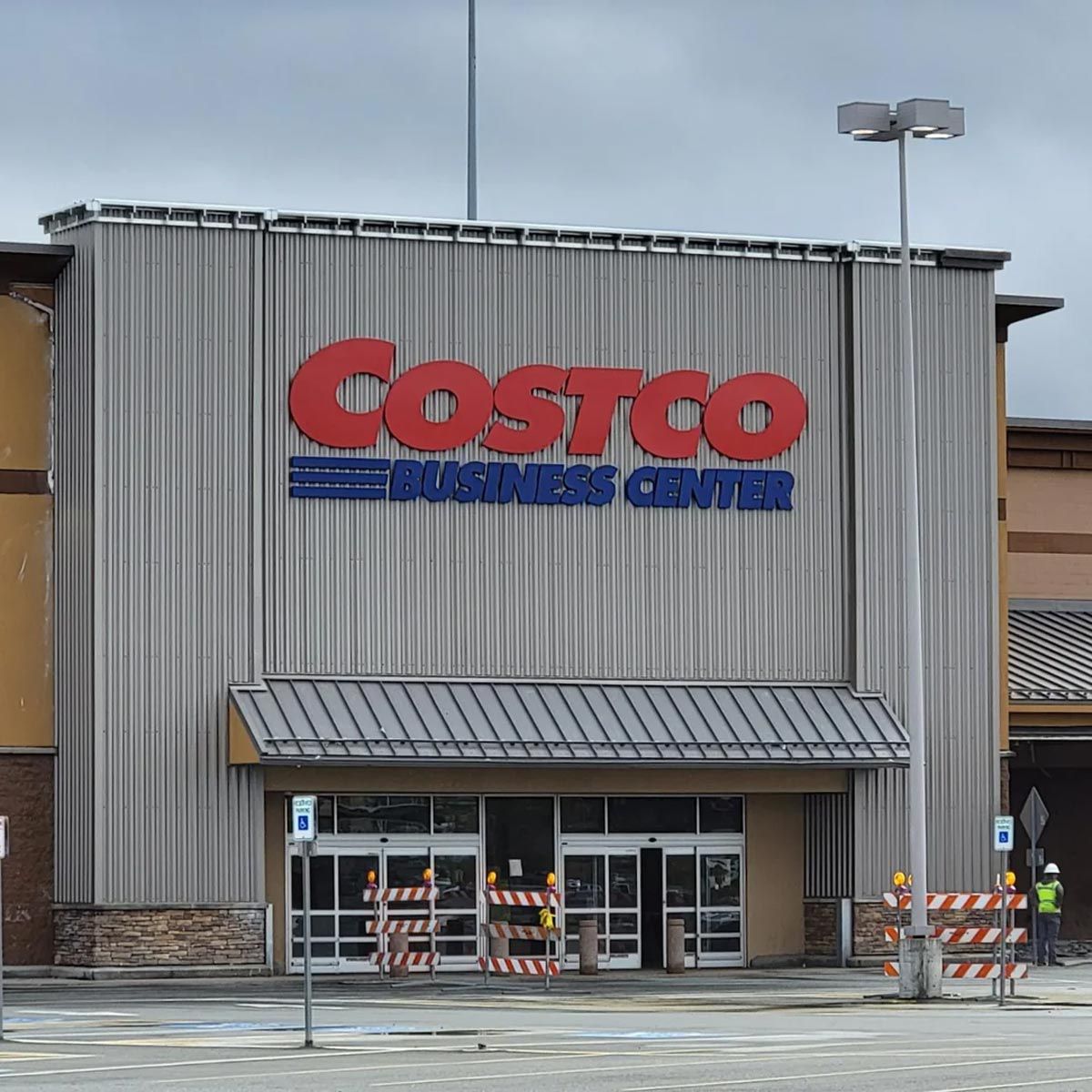
While the vast majority of consumers are familiar with the sprawling aisles of standard Costco wholesale warehouses, a smaller, more specialized segment of the company’s portfolio operates under the “Business Center” banner. As of the current fiscal period, there are 27 Costco Business Centers operating across the United States, with an additional location in Canada. While this number is a fraction of the 600+ standard warehouses in the U.S., these specific locations represent a critical component of Costco’s financial strategy and a vital resource for small-to-medium enterprises (SMEs).
To understand the footprint of these centers, one must look beyond the mere count and analyze the financial logic that dictates their placement, their inventory selection, and their role in the broader ecosystem of B2B (business-to-business) commerce. Unlike the standard warehouses designed for residential consumption, Business Centers are precision-engineered for the bottom line of professional clients.

The Current Distribution of Costco Business Centers
The 27 Costco Business Centers in the United States are strategically clustered in high-density commercial zones. They are not intended to serve the average suburban family; instead, they are positioned to act as the primary supply chain hub for restaurants, convenience stores, and professional offices.
Breaking Down the Geographic Footprint
California holds the lion’s share of these locations, a reflection of the state’s massive hospitality and small business sectors. Cities like Los Angeles, San Diego, and San Jose serve as anchor points for multiple Business Centers. Beyond California, the footprint extends to major metropolitan hubs including Seattle (Washington), Las Vegas (Nevada), Phoenix (Arizona), Salt Lake City (Utah), Denver (Colorado), Dallas and Houston (Texas), Chicago (Illinois), Minneapolis (Minnesota), Atlanta (Georgia), Orlando (Florida), and Hackensack (New Jersey).
Each location is chosen based on its proximity to dense business districts and ease of logistics for delivery fleets. In Canada, the lone Business Center in Scarborough, Ontario, serves as a pilot and primary hub for the Greater Toronto Area’s massive commercial market. The limited number of these centers—less than 5% of Costco’s total global locations—speaks to the highly specialized nature of their operations and the rigorous financial criteria required to open one.
Why Growth is Measured Rather Than Rapid
Costco does not expand its Business Center network with the same frequency as its standard warehouses. The financial barrier to entry for a Business Center is high because its success depends entirely on the health of the local B2B economy. While a standard warehouse can thrive in a growing residential suburb, a Business Center requires a mature ecosystem of local businesses.
Furthermore, these centers operate on a “delivery-first” model. A significant portion of their revenue is generated through a dedicated fleet of trucks that deliver directly to business addresses. This requires a different capital expenditure (CAPEX) structure compared to standard retail, involving high costs for logistics management and a workforce trained in commercial delivery rather than just shelf-stocking.
The Financial Blueprint: Why Business Centers Differ from Standard Warehouses
From a financial reporting and operational perspective, Business Centers are a distinct breed. They operate on a model of high-volume, low-margin efficiency that even the standard Costco warehouses rarely match. For an investor or a business owner, the differences in the financial blueprint are stark.
Operational Efficiency and Overhead Reduction
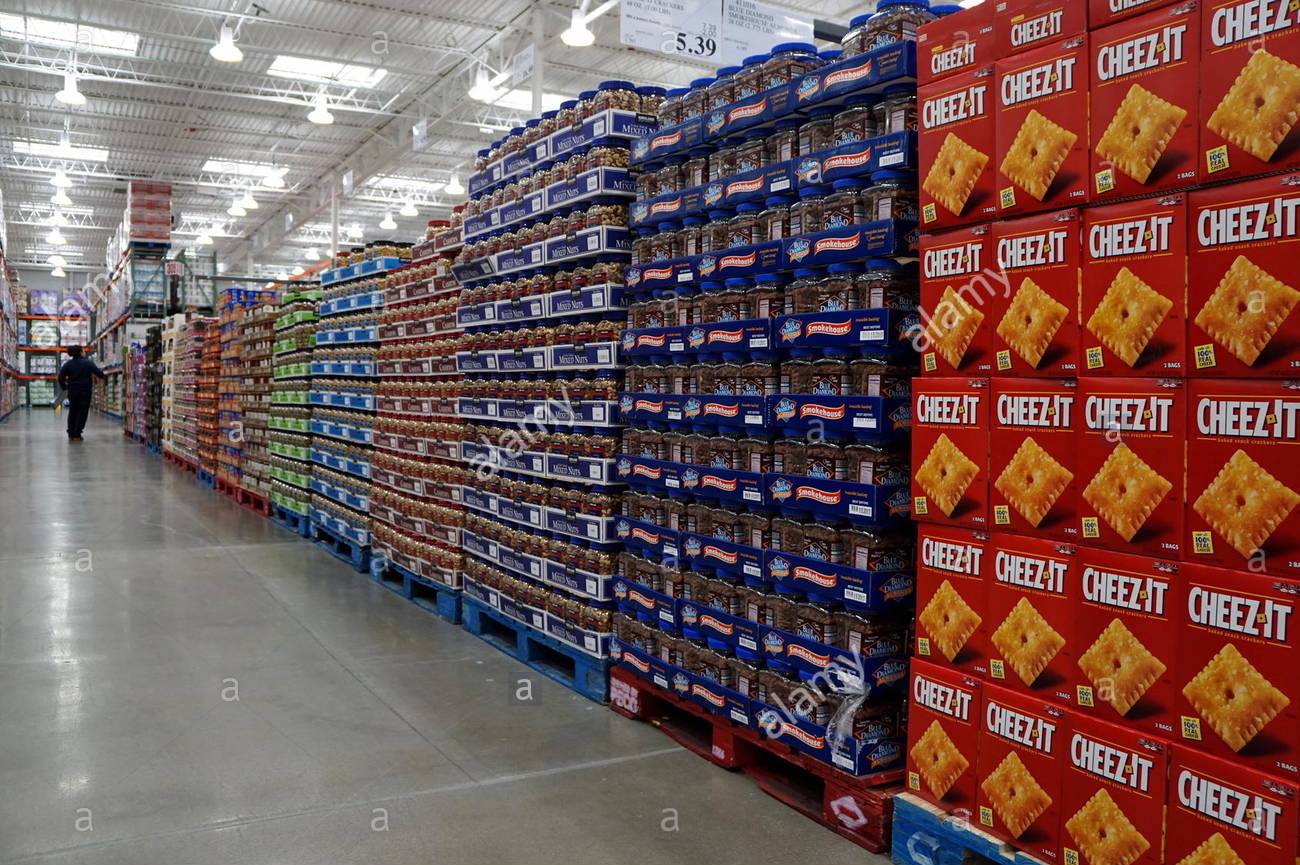
Costco Business Centers are designed to minimize “friction” costs. You will not find a pharmacy, a tire center, an optical department, or a food court inside these locations. By stripping away these high-maintenance, consumer-facing services, Costco significantly reduces labor costs and overhead. The floor space is instead dedicated to industrial-sized inventory.
The hours of operation also reflect a focus on business cash flow. These centers typically open at 7:00 AM—much earlier than standard warehouses—to accommodate business owners who need to stock their shelves or prep their kitchens before the workday begins. This allows for a higher “velocity of capital,” where inventory is moved out the door during hours when standard retail operations are still dormant.
Inventory Turnover and SKU Management
A standard Costco carries approximately 4,000 SKUs (Stock Keeping Units). A Business Center carries over 7,000, but 70% of those items are not found in a regular Costco. The financial strategy here is “depth over breadth.” Instead of ten different types of televisions, a Business Center offers 20 varieties of commercial-grade flour or 50 types of beverages in bulk quantities.
By focusing on “consumables” for the hospitality and retail sectors, Costco ensures a high rate of inventory turnover. In financial terms, this reduces the “days sales of inventory” (DSI), ensuring that capital is not tied up in stagnant products. For the business member, this means access to specialized products—like 50-pound bags of rice or industrial cleaning solvents—that would be inefficient to stock in a consumer-facing store.
Optimizing Business Cash Flow Through Strategic Procurement
For the business owner, the Costco Business Center is more than a store; it is a financial tool for managing margins and cash flow. In an era of rising inflation and supply chain volatility, the ability to procure goods at a predictable, wholesale price point is a competitive advantage.
Bulk Savings and the “Cost Per Ounce” Advantage
Small businesses often struggle with the “poverty trap” of procurement: they lack the volume to negotiate directly with major manufacturers but are too large to pay retail prices at a grocery store. The Business Center bridges this gap. By purchasing through these centers, small restaurants and “mom-and-pop” shops can access price points that are usually reserved for national chains.
The financial impact is most visible in the “Cost of Goods Sold” (COGS) on a business’s income statement. By lowering the unit price of staples through bulk procurement, a business can either increase its gross margin or offer more competitive pricing to its customers. For a convenience store owner, buying candy, cigarettes, and beverages at a Business Center can mean the difference between a 15% margin and a 25% margin.
Delivery Logistics as a Value Proposition
One of the most significant financial benefits of the Business Center model is the delivery service. For a nominal fee (or free for large orders), Costco delivers directly to the place of business. For a business owner, this is an exercise in “opportunity cost” management. The hours spent driving to a warehouse, loading a vehicle, and unloading it at the shop are hours diverted from revenue-generating activities. By outsourcing this logistics piece to Costco, the business owner optimizes their labor spend and focuses on operations.
The Investor’s View: How Business Centers Drive Costco’s Bottom Line
For those looking at Costco (NASDAQ: COST) from an investment perspective, the Business Centers are a “moat” that protects the company’s market share against competitors like Amazon Business or local wholesalers.
Membership Sticky-ness and B2B Loyalty
Costco’s business model is famously built on membership fees, which account for the vast majority of its net profit. Business members are arguably the most valuable segment of this membership base. A business membership is “stickier” than a personal one; once a restaurant integrates Costco’s supply chain into its daily operations, the cost of switching to another provider becomes high.
The renewal rate for Costco memberships consistently hovers around 90%. Within the business segment, this loyalty is reinforced by the Executive Membership tier, which offers a 2% reward on purchases. For a business spending $100,000 a year on inventory, that $2,000 rebate pays for the membership many times over, creating a virtuous cycle of reinvestment and loyalty that stabilizes Costco’s long-term cash flow.
Revenue Diversification in Volatile Markets
Business Centers provide a hedge against shifts in consumer spending. During economic downturns, households might cut back on luxury items found at standard warehouses. However, businesses—particularly those in the food service and janitorial sectors—must continue to purchase essentials. By maintaining a robust B2B arm, Costco diversifies its revenue streams, ensuring that a dip in discretionary consumer spending is offset by steady commercial demand.
Future Outlook: Scaling the B2B Retail Infrastructure
As we look toward the future, the expansion of Costco Business Centers will likely be tethered to two major trends: digital transformation and the decentralization of the supply chain.
Digital Transformation in Wholesale
While the physical number of centers is 27, their digital reach is expanding. Costco has invested heavily in its e-commerce infrastructure specifically for business members. The ability to manage recurring orders, track tax-exempt purchases, and analyze spending patterns through a digital portal adds a layer of financial “fintech” to the traditional wholesale experience. This digital integration allows Costco to serve businesses that may not be within driving distance of one of the 27 physical locations, effectively extending their market share without the immediate need for new brick-and-mortar CAPEX.
Navigating Inflationary Pressures in the Supply Chain
The primary challenge for Business Centers moving forward will be managing the “input costs” of their own logistics. As fuel prices and labor costs fluctuate, the cost of maintaining a delivery fleet increases. However, Costco’s scale allows it to absorb these shocks better than smaller regional distributors. For the business member, this stability is a form of financial insurance. Knowing that their primary supplier has the balance sheet to weather economic storms provides a level of fiscal security that is invaluable in a volatile market.
In conclusion, while there are only 27 Costco Business Centers in the United States, their influence on the landscape of business finance is disproportionately large. They represent a masterclass in operational efficiency, providing a blueprint for how bulk retail can be optimized for the professional sector. For the small business owner, these centers are an essential partner in margin preservation; for the investor, they are a high-performing engine of membership loyalty and revenue stability. As the economy continues to evolve, the strategic importance of these centers will only grow, regardless of whether their physical count increases rapidly or remains a select, elite group of hubs.
aViewFromTheCave is a participant in the Amazon Services LLC Associates Program, an affiliate advertising program designed to provide a means for sites to earn advertising fees by advertising and linking to Amazon.com. Amazon, the Amazon logo, AmazonSupply, and the AmazonSupply logo are trademarks of Amazon.com, Inc. or its affiliates. As an Amazon Associate we earn affiliate commissions from qualifying purchases.