
The word “semiannually” is a common fixture in financial discourse, often appearing in discussions about dividends, bond payments, financial reports, and strategic planning cycles. Yet, for all its prevalence, its simple meaning—twice a year—carries a surprising depth of implications that ripple through personal finance, investing, and corporate strategy. Grasping the nuances of this two-times-a-year rhythm is not merely an academic exercise; it’s a critical component of effective money management and wealth creation. This article delves into the precise definition of “semiannually” and explores its extensive financial significance, demonstrating how this seemingly basic concept underpins critical financial decisions and strategies for individuals and businesses alike.
The Fundamental Definition and Its Pervasive Role in Finance
At its core, understanding “semiannually” is straightforward, but appreciating its financial weight requires a broader perspective on how timing and frequency influence monetary outcomes.
Decoding “Semiannually”: The Simple Answer
Let’s begin with clarity: “Semiannually” means twice a year. The prefix “semi-” signifies “half,” and “annually” refers to “yearly.” Thus, something occurring semiannually happens with a six-month interval, or two times within a standard 12-month calendar or fiscal year. This contrasts with “biannually” (which can be ambiguous, sometimes meaning twice a year, sometimes every two years, though “semiannually” is clearer for the former), “quarterly” (four times a year), or “annually” (once a year). This precise definition is the bedrock upon which numerous financial structures are built.
Why Frequency Matters: The Time Value of Money
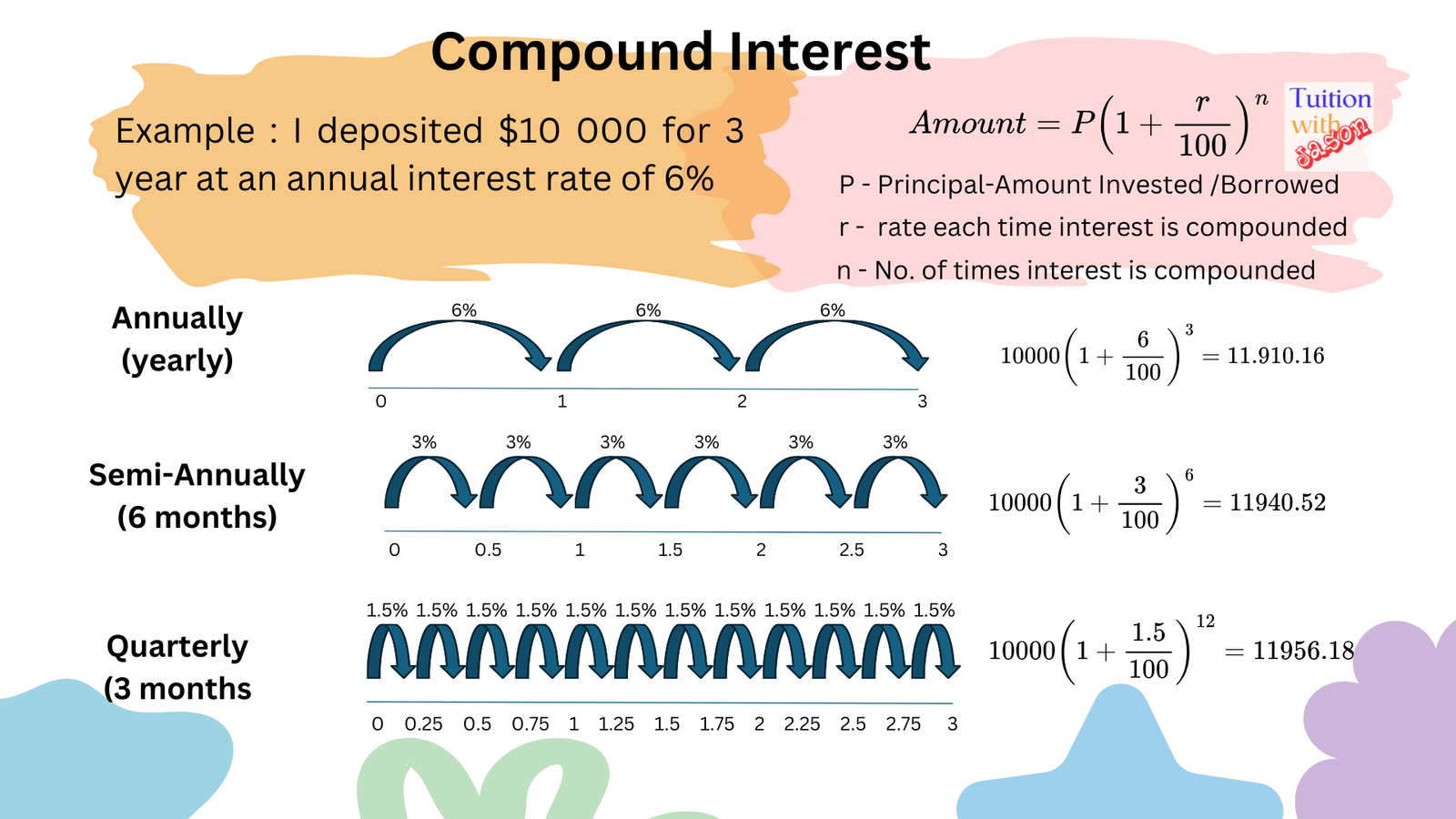
The simple act of receiving or paying money twice a year, rather than once or quarterly, has a direct impact due to the principle of the time value of money. A dollar today is worth more than a dollar tomorrow, primarily because of its potential earning capacity. When interest, dividends, or other payments are distributed semiannually, recipients gain earlier access to funds, which can then be reinvested sooner. This accelerates the compounding effect, potentially leading to greater overall returns over time. Conversely, for debtors, semiannual payment structures might mean higher cumulative interest paid if the principal is not reduced as frequently as, say, monthly payments. The frequency of cash flows, therefore, is not a mere logistical detail but a substantive financial consideration.
The Ubiquity of Semi-Annual Periods in the Financial World
From fixed-income securities to corporate governance, semiannual periods are deeply embedded in the financial ecosystem. Bond coupons, for instance, are almost universally paid semiannually. Many companies declare and pay dividends on a semiannual basis, and financial institutions often calculate interest on savings accounts or loan obligations using this frequency. Beyond direct payments, businesses frequently conduct internal performance reviews and external financial reporting on a semiannual cycle to provide regular updates to stakeholders and inform strategic adjustments. This consistent rhythm allows for structured financial analysis and planning, creating predictable intervals for assessment and action.
Semi-Annual Cycles in Personal Finance and Budgeting
For individuals, understanding and anticipating semiannual financial events is vital for robust personal finance management, allowing for proactive planning and avoiding unexpected financial strain.
Structuring Your Budget: Adapting to Semi-Annual Expenses
Many significant personal expenses don’t align with a monthly payment schedule. Car insurance premiums, property taxes, school tuition fees, professional subscriptions, or even major home maintenance costs often arrive semiannually. A well-structured personal budget must account for these less frequent but substantial outlays. Failing to earmark funds for these semiannual bills can lead to cash flow crises or force reliance on credit. By creating a dedicated savings category for semiannual expenses and contributing to it monthly, individuals can smooth out their cash flow and maintain financial stability throughout the year.
Loan Repayments and Interest Calculations: Understanding the Impact
While most mortgages and personal loans feature monthly payments, certain financial products, especially specialized loans or lines of credit, might have semiannual interest calculation or payment structures. For instance, some student loan interest might accrue or be capitalized semiannually. Understanding how interest is computed and when payments are due is crucial. A loan with semiannual interest accrual, even with monthly payments, could differ significantly from one where interest is calculated monthly, impacting the total amount repaid over the loan’s lifetime. Awareness allows consumers to compare loan products more effectively and manage their debt strategically.
Insurance Premiums and Savings Goals: Planning for Periodic Outlays
Beyond core budgeting, semiannual considerations extend to planning for larger savings goals or managing specific insurance policies. For example, some homeowners or auto insurance policies offer a discount for paying the premium in full semiannually, rather than monthly. While this requires a larger upfront payment, it can lead to savings. Similarly, individuals saving for specific goals that have a semiannual deadline, such as a mid-year vacation payment or a second-semester tuition bill, benefit from setting up consistent contributions that align with these two-times-a-year requirements.
Investing and Wealth Building: The Power of Semi-Annual Events
In the world of investing, semiannual events are frequently milestones for income generation and portfolio management, directly impacting an investor’s total return and long-term wealth accumulation.
Dividend Distributions: A Steady Stream of Income
Many companies, particularly mature, stable corporations, opt to pay dividends to their shareholders on a semiannual basis. For income-focused investors, these twice-yearly payouts form a critical component of their investment strategy, providing a predictable stream of income that can be used for living expenses or reinvested. Understanding the dividend yield and payment schedule, especially the ex-dividend date and payment date, is essential for timing investments to capture these semiannual distributions. This regularity allows for consistent portfolio income planning.

Bond Interest Payments: Regular Returns on Debt Securities
One of the most common applications of “semiannually” in finance is with bond interest payments, often referred to as coupon payments. When you buy a bond, you’re lending money to an issuer (government or corporation), and in return, you receive interest. The vast majority of fixed-income bonds pay interest twice a year. This predictable income stream makes bonds attractive to investors seeking stability and regular cash flow. The cumulative effect of these semiannual payments, especially when reinvested, significantly contributes to the bondholder’s total return over the bond’s life.
Rebalancing Portfolios: A Structured Approach to Risk Management
Beyond direct income, the semiannual frequency is often a natural interval for strategic investment actions like portfolio rebalancing. Investors establish an asset allocation strategy (e.g., 60% stocks, 40% bonds). Over time, market fluctuations can cause these allocations to drift. Reviewing and rebalancing a portfolio semiannually (or annually/quarterly, depending on strategy) involves selling assets that have performed well and buying those that have lagged, bringing the portfolio back to its target allocation. This disciplined approach helps manage risk, lock in gains, and ensures the portfolio remains aligned with the investor’s long-term goals and risk tolerance.
Business Finance and Reporting: Navigating Semi-Annual Milestones
For businesses, the semiannual rhythm dictates crucial cycles in financial reporting, operational reviews, and strategic financial management, influencing everything from investor relations to capital allocation decisions.
Corporate Financial Reporting: Transparency and Investor Relations
Publicly traded companies are often required to issue financial reports on a semiannual basis, alongside quarterly reports. These interim financial statements (e.g., Form 10-Q in the U.S. for quarters, which combine into annual 10-K) provide stakeholders, including investors, analysts, and regulators, with updated insights into the company’s financial health, performance, and outlook. Semiannual reports offer a more comprehensive look than quarterly updates without the full depth of an annual report, allowing for regular transparency and informing investment decisions. This consistent reporting fosters investor confidence and supports a well-functioning capital market.
Debt Servicing and Capital Allocation: Strategic Financial Management
Many corporate debt instruments, similar to individual bonds, require semiannual interest payments. For a business, managing these semiannual debt service obligations is a critical aspect of cash flow management and liquidity planning. Finance teams must forecast cash flow to ensure funds are available when these significant payments are due. Furthermore, internal capital allocation reviews and strategic budgeting often occur with a semiannual cadence, allowing management to assess progress against strategic goals, reallocate resources, and make informed decisions about new investments or divestitures halfway through the fiscal year.
Performance Reviews and Strategic Adjustments: Operationalizing Financial Data
Beyond formal reporting, semiannual cycles are vital for internal operational and strategic reviews. Business leaders use the halfway point of the year to conduct comprehensive performance assessments against key performance indicators (KPIs) and annual targets. This involves evaluating departmental budgets, sales figures, production efficiency, and overall profitability. Based on these semiannual reviews, companies can identify areas of underperformance or unexpected opportunities, enabling them to make timely strategic adjustments, pivot marketing efforts, or reallocate resources to better achieve their year-end objectives.
Strategic Financial Planning: Leveraging the Semi-Annual Rhythm
Integrating the understanding of “semiannually” into long-term financial planning transforms it from a mere definition into a powerful tool for achieving financial goals and adapting to change.
Setting and Reviewing Financial Goals: A Mid-Year Checkpoint
Just as businesses conduct semiannual performance reviews, individuals can greatly benefit from a mid-year financial check-up. This semiannual review provides an opportune moment to assess progress towards annual financial goals—whether it’s saving for a down payment, paying down debt, or funding a retirement account. It allows for course correction if targets are being missed or for celebrating success and setting new, more ambitious goals if performance exceeds expectations. This structured review prevents financial plans from becoming stagnant or irrelevant over time.
Tax Planning and Optimization: Taking Advantage of Calendar Breaks
While most tax filings are annual, effective tax planning is an ongoing process that benefits from semiannual reviews. A mid-year check (around June/July) can help individuals and businesses estimate their year-end tax liability, adjust withholding or estimated payments, and identify potential tax-saving opportunities before it’s too late. For instance, reviewing investment gains and losses semiannually can inform tax-loss harvesting strategies, and assessing income projections can help optimize retirement contributions or charitable giving before year-end deadlines.
Adapting to Market Changes: Proactive Financial Adjustments
The financial landscape is dynamic, with economic indicators, market trends, and personal circumstances constantly evolving. A semiannual financial review provides a natural interval to assess how these changes might impact your financial plan. For investors, this might mean adjusting asset allocations in response to market volatility or re-evaluating investment choices based on new economic forecasts. For individuals, it could involve revising budgets due to job changes, new family responsibilities, or shifts in income. Proactive adaptation, rather than reactive scrambling, is key to sustained financial health.

The Cumulative Effect: How Consistent Semi-Annual Actions Build Wealth
Ultimately, the power of “semiannually” lies not just in its definition, but in the cumulative effect of consistent actions taken at these regular intervals. Whether it’s the compounding of semiannual bond interest, the disciplined habit of rebalancing a portfolio twice a year, or the strategic advantage of conducting semiannual business reviews, these repeated actions, though seemingly small in isolation, contribute significantly to long-term financial growth and stability. Understanding and actively leveraging the semiannual rhythm transforms financial management from a sporadic chore into a predictable, powerful engine for wealth creation.
aViewFromTheCave is a participant in the Amazon Services LLC Associates Program, an affiliate advertising program designed to provide a means for sites to earn advertising fees by advertising and linking to Amazon.com. Amazon, the Amazon logo, AmazonSupply, and the AmazonSupply logo are trademarks of Amazon.com, Inc. or its affiliates. As an Amazon Associate we earn affiliate commissions from qualifying purchases.