
The term “semi-annually” is a seemingly simple one, yet its implications reverberate throughout the intricate landscapes of personal and business finance. Far from being a mere calendar marker, understanding and strategically utilizing semi-annual cycles can be a cornerstone of robust financial planning, astute investment management, and proactive business operations. In an era where financial data is abundant and economic conditions can shift rapidly, recognizing the power of a six-month interval provides a crucial rhythm for review, adjustment, and growth. This article delves deep into what “semi-annually” truly means in a financial context, exploring its multifaceted applications and underscoring why mastering this cadence is essential for achieving both individual prosperity and organizational success.
Defining “Semi-Annually” and Its Core Implications
At its heart, “semi-annually” simply means “twice a year” or “every six months.” While the definition is straightforward, its financial implications are anything but trivial. This specific periodicity offers a unique balance point between the rapid pace of quarterly reviews and the often-too-long span of annual assessments, making it an incredibly potent tool for financial management.
The Literal Translation: Six Months
When a financial obligation, report, or review is designated as semi-annual, it means these events will occur roughly at the six-month mark and again at the twelve-month mark within any given year. For instance, if an initial event happens in January, its semi-annual counterpart would typically occur in July. This predictable interval allows for systematic planning and anticipation, which are critical elements in effective financial strategy. Without a clear understanding of this timeframe, individuals might miss crucial payment deadlines, and businesses could fall short on their reporting requirements or strategic adjustments. The literal interpretation serves as the foundation for all subsequent financial applications.
Why This Frequency Matters: A Balance Point
The choice of a semi-annual cycle isn’t arbitrary; it represents a strategic sweet spot in the realm of financial oversight. Quarterly reviews, while offering high frequency and granular detail, can sometimes be too demanding, leading to analysis paralysis or reacting to short-term noise rather than long-term trends. Annual reviews, on the other hand, can be too infrequent, potentially allowing problems to fester or opportunities to be missed over an extended period.
Semi-annually strikes a harmonious balance. Six months is often enough time for market trends to become discernable, for business initiatives to show initial results, or for personal financial habits to reveal their true impact. Yet, it’s not so long that significant deviations from a plan become unmanageable. This frequency allows for meaningful adjustments without over-correction, providing sufficient data for insightful analysis without overwhelming the decision-making process. It cultivates a rhythm of consistent attention and measured response, fostering both stability and adaptability in financial planning.
Semi-Annual Cycles in Personal Finance: Planning for Prosperity
For individuals, leveraging the semi-annual rhythm can be a game-changer for personal financial health. It provides natural checkpoints to assess progress, adjust strategies, and ensure one stays on track toward their monetary goals. From investments to debt, a six-month pulse can significantly enhance financial well-being.
Investment Strategies: Compound Interest and Portfolio Reviews
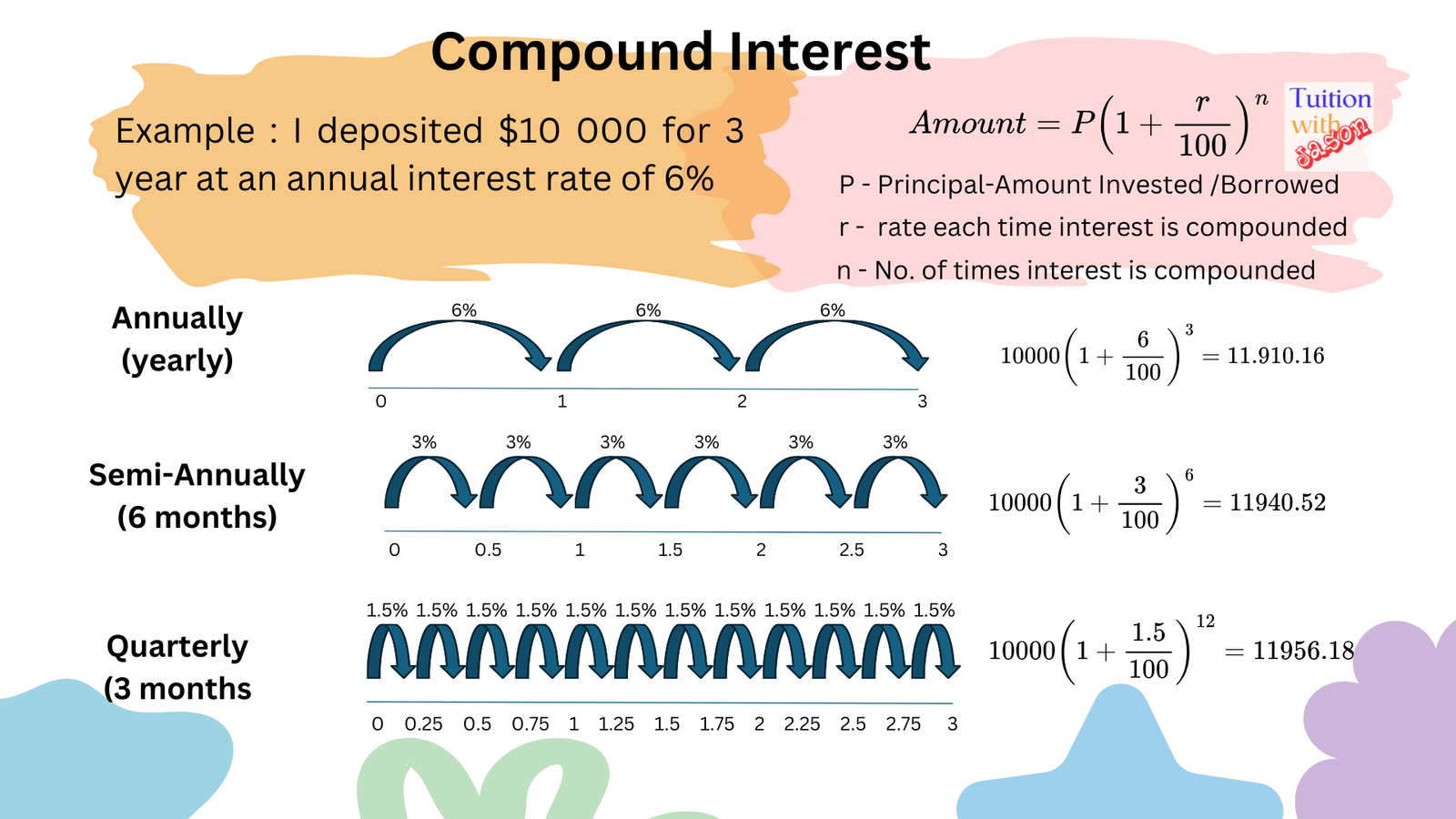
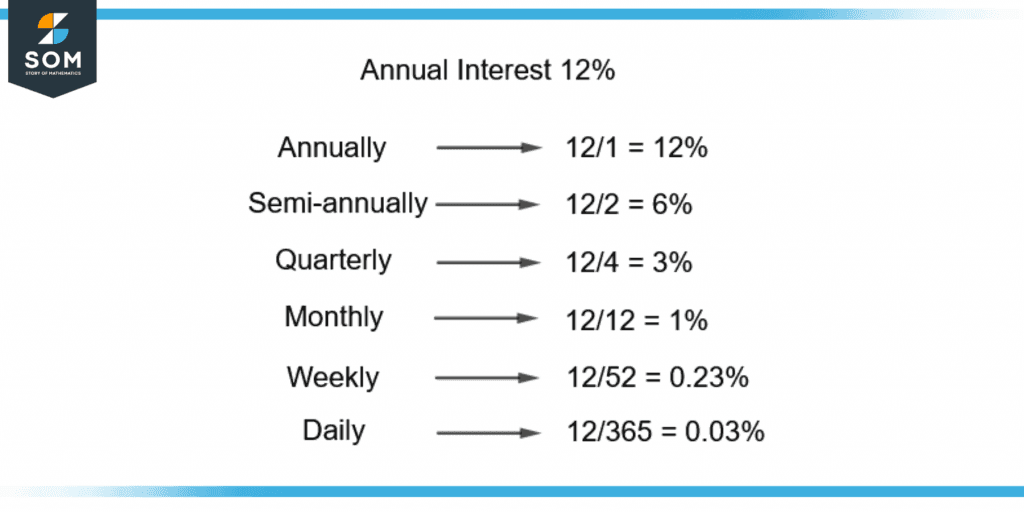
Many investment vehicles are structured around semi-annual cycles. Bonds, for instance, frequently pay interest semi-annually, providing a steady stream of income that can be reinvested to harness the power of compound interest. Understanding these payment schedules is crucial for income planning and maximizing returns. Beyond income, semi-annual periods are ideal for systematic portfolio reviews. This involves evaluating asset allocation, checking performance against benchmarks, and rebalancing the portfolio to align with evolving financial goals and risk tolerance. It’s a prime opportunity to sell off underperforming assets or invest more in promising sectors, ensuring your investment strategy remains agile and optimized for long-term growth. Furthermore, it’s a good time to consider potential tax implications of investment gains and losses, allowing for proactive planning.
Budgeting and Savings: Mid-Year Adjustments
While monthly budgeting is standard, a semi-annual review offers a broader perspective. It’s a chance to step back and assess whether your monthly budget is realistic and effective over a longer stretch. You can identify spending patterns that might not be obvious on a month-to-month basis, evaluate the cumulative impact of small discretionary expenses, and adjust your budget to reflect changes in income, expenses, or financial priorities. This mid-year check is also perfect for reviewing progress towards savings goals, whether it’s for a down payment, retirement, or an emergency fund. If you’re falling behind, a semi-annual review allows you to course-correct before the year ends, potentially by finding new ways to cut costs or increase income. It also helps in planning for irregular but significant expenses, such as annual insurance premiums or property taxes, which might be spread out but need to be factored into the overall budget.
Debt Management: Keeping Pace with Repayments
For those carrying debt, especially larger obligations like mortgages or student loans, a semi-annual review can be instrumental. It’s an opportunity to scrutinize interest rates, understand the amortization schedule, and evaluate whether accelerated payment strategies are feasible. For variable-rate debts, such as certain credit cards or lines of credit, semi-annual reviews allow you to assess interest rate changes and their impact on your repayment plan. This might prompt you to refinance, consolidate, or focus extra payments on high-interest debts. Keeping a regular pulse on your debt helps prevent it from spiraling out of control and ensures you’re consistently working towards financial freedom. This also applies to understanding how semi-annual interest calculations affect the total cost of your loans over time.
Insurance Premium Payments: Structuring Financial Outgoings
Many insurance policies, including auto, home, and life insurance, offer the option to pay premiums semi-annually. While often slightly more expensive than annual payments due to administrative costs or lost interest earnings for the insurer, this option can make large premium payments more manageable by splitting them into two installments. A semi-annual financial review provides the perfect context to assess these payments. It’s a chance to shop around for better rates, review your coverage needs, and ensure that your insurance policies are adequately protecting your assets without overpaying. By integrating insurance reviews into your semi-annual financial checks, you ensure these crucial protections remain cost-effective and appropriate for your current life stage.
Semi-Annual Applications in Business Finance: Operational Excellence and Growth
In the corporate world, “semi-annually” often signifies critical junctures for assessment, reporting, and strategic recalibration. It’s a frequency that supports robust governance, informs decision-making, and drives sustainable growth.
Financial Reporting and Compliance: Transparency and Trust
Many businesses, particularly publicly traded companies, are required to submit semi-annual financial reports to regulatory bodies. These reports, often called “interim reports,” provide shareholders and the market with an updated view of the company’s financial performance and position. Unlike quarterly reports which can be very short-term focused, semi-annual reports offer a more comprehensive snapshot, allowing for a deeper understanding of trends and underlying operational efficiency. These reports are vital for maintaining transparency, fostering investor confidence, and ensuring compliance with financial regulations. They detail revenues, expenses, profits, assets, and liabilities, giving stakeholders the necessary data to make informed decisions about their investments and the company’s future prospects.
Budgeting and Forecasting: Strategic Adjustments
For businesses, the annual budget is a fundamental roadmap, but economic realities rarely unfold exactly as predicted. A semi-annual budget review is a crucial exercise that allows management to compare actual performance against the initial budget. This mid-year check-up identifies significant variances in revenue or expenditure, prompting necessary adjustments. If sales are lagging, marketing efforts might need a boost or product pricing could be re-evaluated. If expenses are higher than anticipated, cost-cutting measures might be implemented. This periodic re-forecasting ensures that the company remains agile and responsive to market changes, preventing minor deviations from becoming major financial crises. It’s also an opportune moment to refine future projections and adjust resource allocation to optimize for the remainder of the fiscal year.
Performance Reviews and Strategic Planning: Course Correction
Beyond just financial numbers, semi-annual cycles are also valuable for broader business performance reviews and strategic planning. While comprehensive annual strategic planning sessions are common, a semi-annual check-in allows for evaluating the progress of key initiatives and making necessary course corrections. Has a new product launch met its targets? Is a marketing campaign yielding the expected ROI? Are operational efficiencies improving as planned? This rhythm facilitates a structured reflection on whether the current strategies are still aligned with the company’s long-term vision and market realities. It enables leadership to make timely adjustments to product roadmaps, sales strategies, or operational processes, preventing significant missteps and seizing emerging opportunities.
Loan Repayments and Bond Interest: Managing Liabilities
Similar to personal finance, many corporate loans and bonds are structured with semi-annual interest payments. Managing these liabilities efficiently is critical for a company’s cash flow and creditworthiness. Financial departments must accurately forecast and allocate funds for these payments to avoid defaults and maintain a strong financial standing. Understanding the semi-annual interest payment schedule for issued bonds is also crucial for investor relations, ensuring timely payouts to bondholders. A semi-annual financial review provides the perfect occasion to assess the company’s overall debt structure, considering options for refinancing or early repayment if market conditions or cash flow allow, thereby optimizing the cost of capital.
The Strategic Advantages of a Semi-Annual Approach
Embracing a semi-annual rhythm in financial management offers distinct strategic benefits that contribute to greater stability, insight, and adaptability.
Enhanced Agility and Responsiveness
Compared to annual cycles, a semi-annual approach significantly enhances an entity’s agility. Six months provides enough time for trends to solidify and for changes to have a measurable impact, yet it’s short enough to allow for prompt adjustments. This prevents issues from escalating and enables quicker capitalization on new opportunities, whether it’s reallocating investment funds, adjusting a business budget, or modifying a personal savings plan. This responsiveness is critical in today’s fast-evolving economic landscape.
Deeper Insights Without Overwhelm
The semi-annual period is long enough to provide meaningful data for analysis, allowing for the identification of genuine trends rather than just short-term fluctuations. Yet, it’s not so frequent as to create “analysis paralysis” or to demand constant, resource-intensive reviews. This balance allows individuals and organizations to gain deeper insights into their financial health and market position without being overwhelmed by an excessive amount of data or the pressure of constant re-evaluation. It fosters thoughtful reflection and considered decision-making.
Balancing Short-Term Needs with Long-Term Goals
A significant advantage of the semi-annual review is its ability to bridge the gap between immediate financial needs and long-term aspirations. Annual planning often focuses on the big picture, while monthly reviews can be consumed by immediate cash flow. A semi-annual check-in provides an opportunity to ensure that short-term actions are still aligned with long-term goals. For instance, a business can assess if current spending habits are supporting its five-year growth plan, or an individual can check if their current savings rate will actually meet their retirement goals. It acts as a necessary intermediary feedback loop, keeping both horizons in view.
Mitigating Risks and Seizing Opportunities
Regular semi-annual reviews serve as proactive risk mitigation tools. By systematically assessing financial performance and market conditions every six months, potential problems like budget overruns, declining investment performance, or emerging economic downturns can be identified and addressed before they become critical. Simultaneously, these reviews create structured opportunities to identify and capitalize on new market trends, investment opportunities, or strategic partnerships that may have arisen since the last review. This dual benefit of reducing downside risk and enhancing upside potential makes the semi-annual cycle indispensable.
Maximizing Your Semi-Annual Financial Reviews
To truly harness the power of the semi-annual cycle, it’s not enough just to conduct a review; it must be done effectively and systematically.
Setting Clear Objectives for Each Review
Before diving into numbers, define what you want to achieve. For personal finance, this might be “evaluate investment performance and rebalance if necessary” or “review budget for Q3/Q4 and adjust savings goals.” For businesses, it could be “assess Q1/Q2 financial performance against budget and re-forecast for the rest of the year” or “review progress on strategic initiatives and make necessary adjustments.” Clear objectives will guide your review process and ensure productive outcomes.
Gathering Comprehensive Data and Documents
Preparation is key. Collect all relevant financial statements, investment reports, bank statements, budget spreadsheets, and any other pertinent documents. For businesses, this includes quarterly financial statements, sales reports, operational metrics, and market analyses. Having all information readily accessible streamlines the review process and ensures accuracy in your assessment.
Utilizing Financial Tools and Software
Leverage technology to your advantage. Personal finance apps, budgeting software, and investment platforms can automate data aggregation, track spending, and provide insightful reports, making semi-annual reviews much more efficient. For businesses, enterprise resource planning (ERP) systems, financial modeling software, and business intelligence (BI) tools are invaluable for comprehensive data analysis and forecasting. These tools can highlight trends and anomalies that might otherwise be missed.

Taking Action and Implementing Changes
A review is only as good as the actions it inspires. Once you’ve analyzed the data and drawn conclusions, be prepared to implement changes. This could involve rebalancing your investment portfolio, adjusting your budget, refinancing a loan, modifying a business strategy, or reallocating resources. Document your decisions and assign accountability for their execution. Schedule a follow-up to ensure that the planned changes have been implemented and are yielding the desired results.
In conclusion, “semi-annually” is far more than just a temporal marker; it’s a powerful and practical rhythm for financial management. By consciously integrating semi-annual reviews into personal and business financial planning, individuals and organizations can cultivate enhanced control, foster proactive decision-making, and significantly increase their likelihood of achieving sustained prosperity and growth in an ever-changing economic landscape.
aViewFromTheCave is a participant in the Amazon Services LLC Associates Program, an affiliate advertising program designed to provide a means for sites to earn advertising fees by advertising and linking to Amazon.com. Amazon, the Amazon logo, AmazonSupply, and the AmazonSupply logo are trademarks of Amazon.com, Inc. or its affiliates. As an Amazon Associate we earn affiliate commissions from qualifying purchases.