
In an increasingly digitized financial landscape, the concept of “cash” itself is evolving. While physical currency still holds its place, the methods by which we access, manage, and spend our funds have diversified dramatically. Among the myriad financial instruments available today, the cash card has emerged as a particularly versatile and widely adopted tool. Far more than just a piece of plastic, a cash card represents a specific type of prepaid financial product that bridges the gap between traditional cash and modern electronic payments. It offers a unique blend of control, accessibility, and convenience, making it an indispensable asset for a diverse range of individuals and financial scenarios.
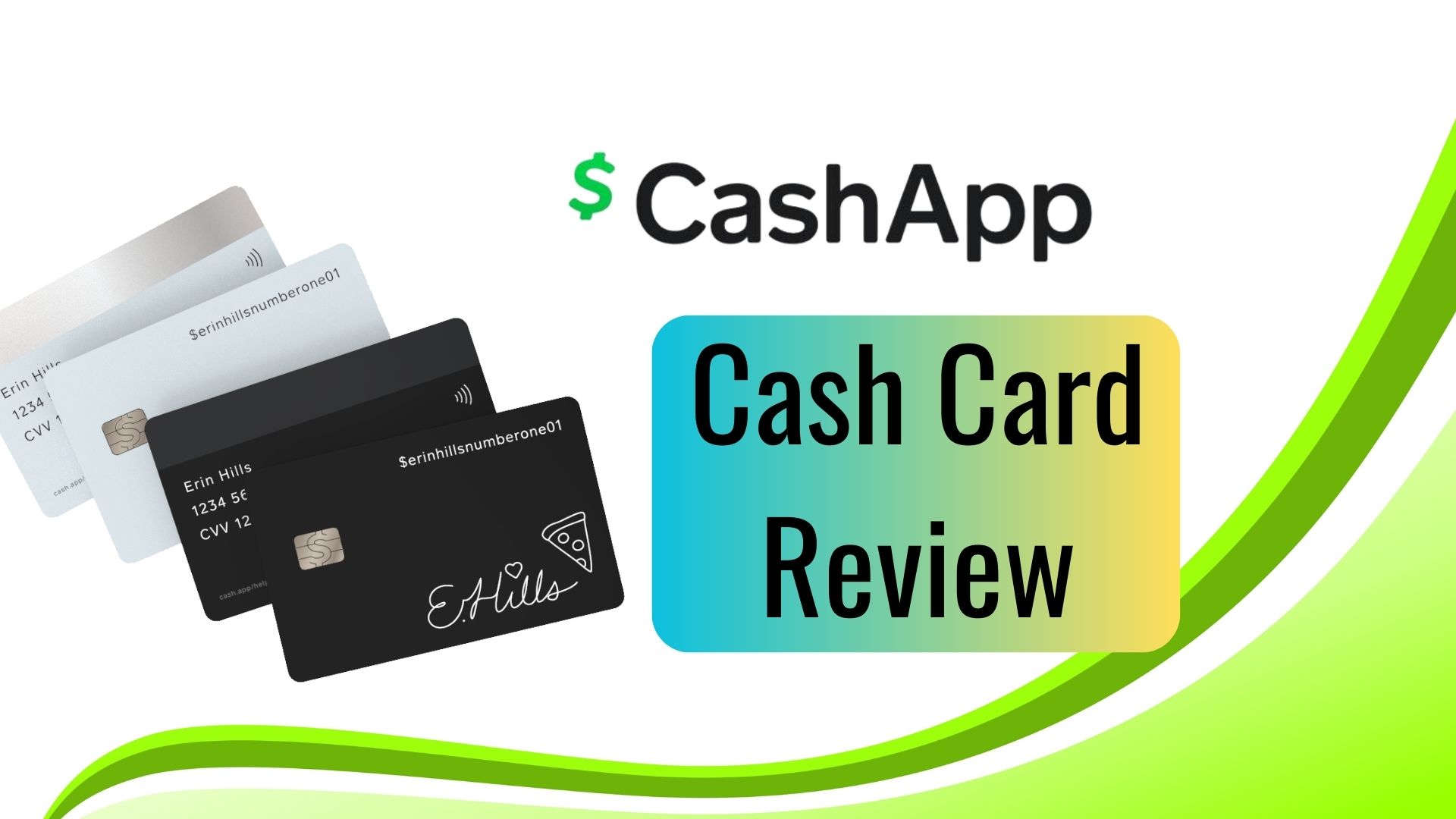
At its core, a cash card is a reloadable prepaid debit card that is not linked to a traditional bank account. Unlike a standard debit card, which draws funds directly from your checking or savings account, a cash card operates on a “load-and-spend” model. You load money onto the card in advance, and then you can use it to make purchases, pay bills, or withdraw cash from ATMs, just as you would with a regular debit or credit card. Its growing prominence underscores a broader trend towards financial inclusion, streamlined budgeting, and secure, adaptable payment solutions in the modern economy. For many, it represents a crucial step in navigating a financial world that increasingly demands electronic transactions, even for those who prefer or require an alternative to traditional banking relationships.
Understanding the Mechanics of a Cash Card
To truly grasp the value proposition of a cash card, it’s essential to understand its operational mechanics and how it distinguishes itself from other common financial instruments. Its fundamental design principles are rooted in simplicity and control, offering a straightforward approach to managing funds electronically.
How Cash Cards Work
The operational model of a cash card is remarkably straightforward, mirroring the simplicity of carrying cash but with the added benefits of electronic payment systems. The process begins with funding the card. Users can load money onto a cash card through various channels, including direct deposit of paychecks or government benefits, linking to a bank account for electronic transfers, depositing cash at participating retail locations, or even transferring funds from other digital payment platforms. Once loaded, the card functions much like any other payment card. It typically bears the logo of major payment networks like Visa, Mastercard, or Discover, ensuring wide acceptance at points of sale (POS) terminals, online retailers, and ATMs worldwide. When a transaction occurs, the funds are deducted directly from the loaded balance on the card. There’s no credit line involved, no debt incurred, and no connection to a personal bank account, which simplifies its usage and reduces potential liabilities. The cardholder can only spend what has been loaded onto the card, effectively creating a built-in spending limit.
Key Distinctions: Cash Card vs. Debit Card vs. Credit Card
While all three are plastic cards used for transactions, their underlying financial mechanisms and implications differ significantly, making it crucial for consumers to understand these distinctions.
-
Cash Card (Prepaid Debit Card):
-
Funding: Pre-funded. Money is loaded onto the card before use.
-
Account Linkage: Not linked to a bank account. It has its own isolated balance.
-
Credit Check: No credit check required as no credit is extended.
-
Debt: Impossible to go into debt or incur overdraft fees (unless specifically designed with an optional overdraft feature, which is rare for standard cash cards).
-
Credit Building: Does not help build credit history.
-
Best Use Cases: Budgeting, financial inclusion for the unbanked, secure online spending, travel money, allowances.
-
-
Debit Card:
-
Funding: Linked directly to a checking or savings account. Funds are deducted instantaneously from your bank balance.
-
Account Linkage: Requires and is intrinsically linked to a traditional bank account.
-
Credit Check: No credit check for the card itself, but opening a bank account might involve background checks.
-
Debt: Can lead to overdraft fees if you spend more than your account balance, unless overdraft protection is opted out or applied.
-
Credit Building: Does not directly build credit history, though responsible banking can indirectly support financial health.
-
Best Use Cases: Everyday spending, easy access to bank account funds, direct payment of bills.
-
-
Credit Card:
-
Funding: Extends a line of credit from a financial institution. You borrow money for purchases.
-
Account Linkage: Not linked to a personal bank account for funds, but payments are made from a bank account.
-
Credit Check: Requires a thorough credit check to assess eligibility and creditworthiness.
-
Debt: Allows users to incur debt if balances are not paid in full by the due date, incurring interest charges.
-
Credit Building: Crucial for building and establishing a credit history, which impacts loans, mortgages, and other financial products.
-
Best Use Cases: Building credit, earning rewards, large purchases, emergency funds, consumer protections.
-
Understanding these differences empowers individuals to choose the financial tool best suited for their specific needs, financial situation, and spending habits.
The Versatile Applications of Cash Cards
The utility of cash cards extends far beyond just simple transactions. Their unique characteristics make them invaluable tools for addressing a variety of personal finance challenges and opportunities. From stringent budgeting to ensuring financial accessibility, cash cards offer flexible solutions tailored to modern financial realities.
Budgeting and Financial Control
One of the most compelling advantages of a cash card lies in its inherent ability to enforce strict budgeting and provide unparalleled financial control. Because you can only spend the money you’ve loaded onto the card, it acts as a self-imposed spending limit. This “pay-as-you-go” model is highly effective for managing specific categories of expenses or for individuals prone to overspending. For instance, a cash card can be dedicated solely to a grocery budget, entertainment allowance, or online shopping, ensuring that funds allocated for these purposes are not exceeded. Many cash card providers also offer detailed transaction histories, allowing users to easily track their spending habits and identify areas where they might be overbudgeting. This transparency and immediate feedback loop make cash cards an excellent educational tool for financial literacy, particularly for younger individuals learning to manage money responsibly.
Financial Inclusion and Accessibility
For a significant portion of the global population, traditional banking services remain out of reach. These “unbanked” or “underbanked” individuals often face barriers such as insufficient funds to meet minimum balance requirements, lack of credit history, or distrust in traditional financial institutions. Cash cards serve as a vital bridge, offering a secure and widely accepted electronic payment solution without the need for a bank account or credit check. This accessibility allows individuals to receive wages via direct deposit, pay bills online, shop securely, and avoid the risks and inconveniences associated with carrying large amounts of physical cash. They empower those without traditional banking relationships to participate more fully in the digital economy, fostering greater financial inclusion and reducing reliance on costly check-cashing services or money orders.

Secure Online and International Transactions
In an era of increasing cyber threats and cross-border commerce, the security features of cash cards are particularly appealing. When using a cash card for online purchases, your primary bank account information remains entirely separate and unexposed. If the cash card’s details were ever compromised, the maximum loss is limited to the balance loaded on that specific card, offering a protective layer against potential fraud affecting your main financial assets. This makes them ideal for recurring online subscriptions, trial memberships, or transactions with unfamiliar merchants where one might be hesitant to use a primary debit or credit card. For international travel, cash cards offer a convenient and often cost-effective alternative to carrying large amounts of foreign currency or relying solely on a credit card. They are accepted wherever their associated payment network (Visa, Mastercard, etc.) is recognized, and many offer competitive exchange rates or lower foreign transaction fees than traditional banks, providing a secure way to manage travel expenses without exposing one’s primary banking details.
Navigating the Advantages and Disadvantages
Like any financial tool, cash cards come with their own set of benefits and potential drawbacks. A thorough understanding of these aspects is crucial for making an informed decision about whether a cash card is the right choice for your financial strategy.
The Benefits: Why Choose a Cash Card?
The popularity of cash cards stems from several compelling advantages that cater to specific financial needs and preferences:
-
No Debt Accumulation: Perhaps the most significant advantage is the impossibility of going into debt. Since you can only spend what you load, there’s no risk of accruing interest, late fees, or spiraling balances characteristic of credit cards. This makes them an excellent tool for those who struggle with credit card debt or prefer to operate strictly within their means.
-
Ease of Access and No Credit Check: Cash cards are incredibly accessible. There’s no credit check required, making them available to almost anyone, regardless of their credit history or banking status. This is a game-changer for the unbanked, students, new immigrants, or those rebuilding their financial lives.
-
Enhanced Security: When used strategically, cash cards offer a layer of security. If the card is lost or stolen, your main bank account remains safe and uncompromised. The maximum liability is typically limited to the balance on the card, and many cards offer FDIC insurance (if issued by a bank) and fraud protection, similar to debit cards, once registered.
-
Powerful Budgeting Tool: As discussed, the “load-and-spend” model makes them an intuitive and effective tool for controlling spending. They are perfect for allocating funds to specific budget categories or for providing allowances to children or dependents, giving them financial independence within defined limits.
-
Convenience and Portability: Cash cards eliminate the need to carry large amounts of physical cash, offering the convenience and widespread acceptance of a debit or credit card for secure transactions, both online and in brick-and-mortar stores.
Potential Drawbacks and Considerations
Despite their numerous benefits, cash cards are not without their limitations and potential downsides that users should be aware of:
-
Fees: This is often the most cited drawback. While many cards tout “no monthly fees,” they can levy a variety of other charges. These might include activation fees, per-transaction fees, ATM withdrawal fees (especially out-of-network), reload fees, inactivity fees (if the card isn’t used for a period), or even customer service call fees. These charges can quickly erode your balance if not carefully monitored.
-
Lack of Credit Building: Unlike secured or traditional credit cards, cash cards do not report activity to credit bureaus. Therefore, using a cash card will not help you establish or improve your credit score, which is a crucial aspect of broader financial health.
-
Limited Consumer Protections: While many cash cards offer fraud protection, the level of consumer protection can sometimes be less robust than what is mandated for credit cards or even traditional debit cards under federal regulations (like Regulation E). It’s vital to read the cardholder agreement to understand the specific protections offered.
-
Balance Limits and Transfer Restrictions: Some cash cards may have limits on how much money can be loaded onto them at one time, how much can be spent in a day, or how much can be withdrawn from an ATM. Transferring funds off the card back to a bank account may also be restricted or incur fees.
-
Acceptance Issues (Rare): While generally widely accepted, very occasionally, some merchants or systems (like rental car companies or hotels that require a pre-authorization for a larger amount than your available balance) might not accept prepaid cards or place holds that can tie up funds.
Careful consideration of these potential disadvantages, particularly the fee structure, is paramount when evaluating whether a cash card aligns with your financial objectives.
Choosing the Right Cash Card for Your Needs
Given the variety of cash cards available in the market, selecting the one that best suits your individual financial situation requires a thoughtful approach. Not all cash cards are created equal, and what works for one person may not be ideal for another.
Factors to Evaluate Before Selection
Making an informed decision about a cash card involves scrutinizing several key aspects:
-
Fee Structure: This is arguably the most critical factor. Scrutinize the fine print for activation fees, monthly maintenance fees, transaction fees (for PIN or signature purchases), ATM withdrawal fees (both in-network and out-of-network), reload fees, balance inquiry fees, and inactivity fees. Some cards are designed for specific uses (e.g., direct deposit) and might waive certain fees under those conditions. Always aim for a card with transparent and minimal fees that align with your expected usage patterns.
-
Reload Options and Convenience: Consider how you will primarily load money onto the card. Does the card offer direct deposit? Are there convenient retail locations near you for cash deposits? Can you link it to a bank account for easy online transfers? The ease and cost of reloading can significantly impact the card’s overall utility.
-
Network Acceptance: Ensure the card is backed by a major payment network (Visa, Mastercard, Discover, American Express) that is widely accepted wherever you plan to use it, whether online, domestically, or internationally.
-
Customer Service and Dispute Resolution: In the event of an issue—a lost card, fraudulent activity, or a transaction dispute—reliable customer service is invaluable. Investigate the card provider’s reputation for customer support, the availability of phone support, and their process for resolving disputes.
-
Online Features and Mobile App: Many modern cash cards come with robust online portals and mobile apps. These can offer features like instant balance checks, transaction history viewing, budgeting tools, direct deposit setup, and even mobile check deposit. These digital tools can greatly enhance the user experience and financial management capabilities.
Best Practices for Using Cash Cards
Once you’ve selected a cash card, adopting certain best practices can help maximize its benefits and mitigate potential risks:
-
Register Your Card: Always register your cash card immediately after receiving it. Registration links the card to your identity, which is crucial for accessing fraud protection, recovering funds if the card is lost or stolen, and managing your account online. Unregistered cards offer very little, if any, consumer protection.
-
Keep Track of Your Balance: Since you can only spend what’s loaded, regularly checking your balance is essential to avoid declined transactions. Utilize the card’s mobile app, online portal, or customer service line for up-to-date balance information.
-
Report Lost/Stolen Cards Immediately: If your cash card is lost or stolen, report it to the card issuer without delay. This is critical for freezing the card and preventing unauthorized use, potentially limiting your liability for fraudulent charges.
-
Understand the Terms and Conditions: Before using the card, thoroughly read and understand the cardholder agreement. Pay close attention to the fee schedule, fraud protection policies, dispute resolution process, and any limitations on usage. Knowledge is your best defense against unexpected charges or frustrations.
In conclusion, the cash card stands as a potent and adaptable financial tool within the modern money landscape. It provides an accessible pathway to electronic payments for the unbanked, a disciplined mechanism for budgeting, and a secure alternative for online and international transactions. While users must remain vigilant about fee structures and understand their limitations, particularly regarding credit building, a cash card, chosen wisely and managed diligently, can be an invaluable asset in a diverse and dynamic financial portfolio. By understanding its mechanics, applications, advantages, and drawbacks, individuals can harness the power of the cash card to achieve greater financial control and inclusion.
aViewFromTheCave is a participant in the Amazon Services LLC Associates Program, an affiliate advertising program designed to provide a means for sites to earn advertising fees by advertising and linking to Amazon.com. Amazon, the Amazon logo, AmazonSupply, and the AmazonSupply logo are trademarks of Amazon.com, Inc. or its affiliates. As an Amazon Associate we earn affiliate commissions from qualifying purchases.