
The act of sharing a dinner bill, splitting the rent, or sending a birthday gift has undergone a radical transformation over the last decade. In the past, “transferring money to a friend” required a physical exchange of cash or the cumbersome process of writing and mailing a paper check. Today, the landscape of personal finance is dominated by digital immediacy. Peer-to-peer (P2P) payment systems have become the backbone of social financial interactions, integrating seamlessly into our daily digital lives. Understanding how to navigate these tools effectively—while managing costs, ensuring security, and maintaining financial privacy—is a fundamental skill in the modern economy.

The Evolution of Peer-to-Peer (P2P) Payment Ecosystems
The shift toward a cashless society has been accelerated by the rise of fintech (financial technology) companies that prioritize user experience and speed. At its core, a P2P payment is a transfer of funds from one individual’s account to another’s via a digital interface. This ecosystem is no longer a monolith; it has branched into several distinct categories based on how the money moves and where it is stored.
The Rise of the Digital Wallet
Digital wallets act as an intermediary between your traditional bank account and the recipient. When you use platforms like Venmo or Cash App, you are often moving “credits” within a closed-loop system. If you have a balance in your app, sending money to a friend is instantaneous because the platform simply updates its internal ledger. The complexity arises when you want to move that money out of the “walled garden” and back into your regulated bank account. This distinction is crucial for personal finance management, as money sitting in a digital wallet often does not earn interest and may not be covered by the same FDIC insurance protections as a standard savings account.
Bank-Integrated Solutions
Recognizing the threat posed by independent fintech apps, traditional financial institutions collaborated to create Zelle. Unlike standalone apps, Zelle is integrated directly into the mobile banking applications of hundreds of banks and credit unions. This removes the “middleman” step of transferring a balance from an app to a bank. When you send money via Zelle, the funds move directly from your checking account to your friend’s checking account, typically within minutes. For those who prioritize liquidity and simplicity, bank-integrated solutions often represent the most efficient path for domestic transfers.
Navigating Domestic Transfer Platforms
Choosing the right platform depends largely on your social circle’s preferences and your specific financial needs. Each tool carries its own set of rules regarding transaction limits, speed, and fee structures.
Venmo and the Socialization of Finance
Venmo, owned by PayPal, changed the culture of money by adding a social feed to transactions. From a financial perspective, Venmo is highly effective for small, frequent transactions. It is free to send money using a linked bank account or debit card, but the platform charges a percentage fee if you use a credit card. One of the most important financial considerations with Venmo is the “Instant Transfer” fee. While standard transfers to your bank are free and take one to three business days, users who need immediate access to their funds must pay a small percentage of the total amount. Over time, these small fees can erode your savings if you are not disciplined about planning your transfers.
Cash App and Financial Versatility
Cash App, developed by Block, Inc., has positioned itself as more than just a P2P tool. It allows users to invest in stocks, buy Bitcoin, and even receive direct deposits. For transferring money to friends, it functions similarly to Venmo, utilizing a “Cashtag” as a unique identifier. The financial benefit of Cash App lies in its ecosystem; for users who do not have a traditional bank account, Cash App serves as a functional replacement, providing a routing and account number. However, users should be aware that the ease of shifting money into volatile assets like cryptocurrency requires a higher level of financial literacy to avoid unintended losses.
PayPal: The Global Standard
While Venmo is domestic-focused, PayPal remains the heavyweight for both domestic and international P2P transfers. It offers a “Friends and Family” option, which allows for fee-free domestic transfers when funded by a bank account or balance. It is vital to distinguish this from the “Goods and Services” option, which is intended for commercial transactions and includes purchase protection for a fee. Using the wrong setting can lead to unexpected charges or the loss of protection in the event of a dispute.
International Transfers: Bridging the Global Gap
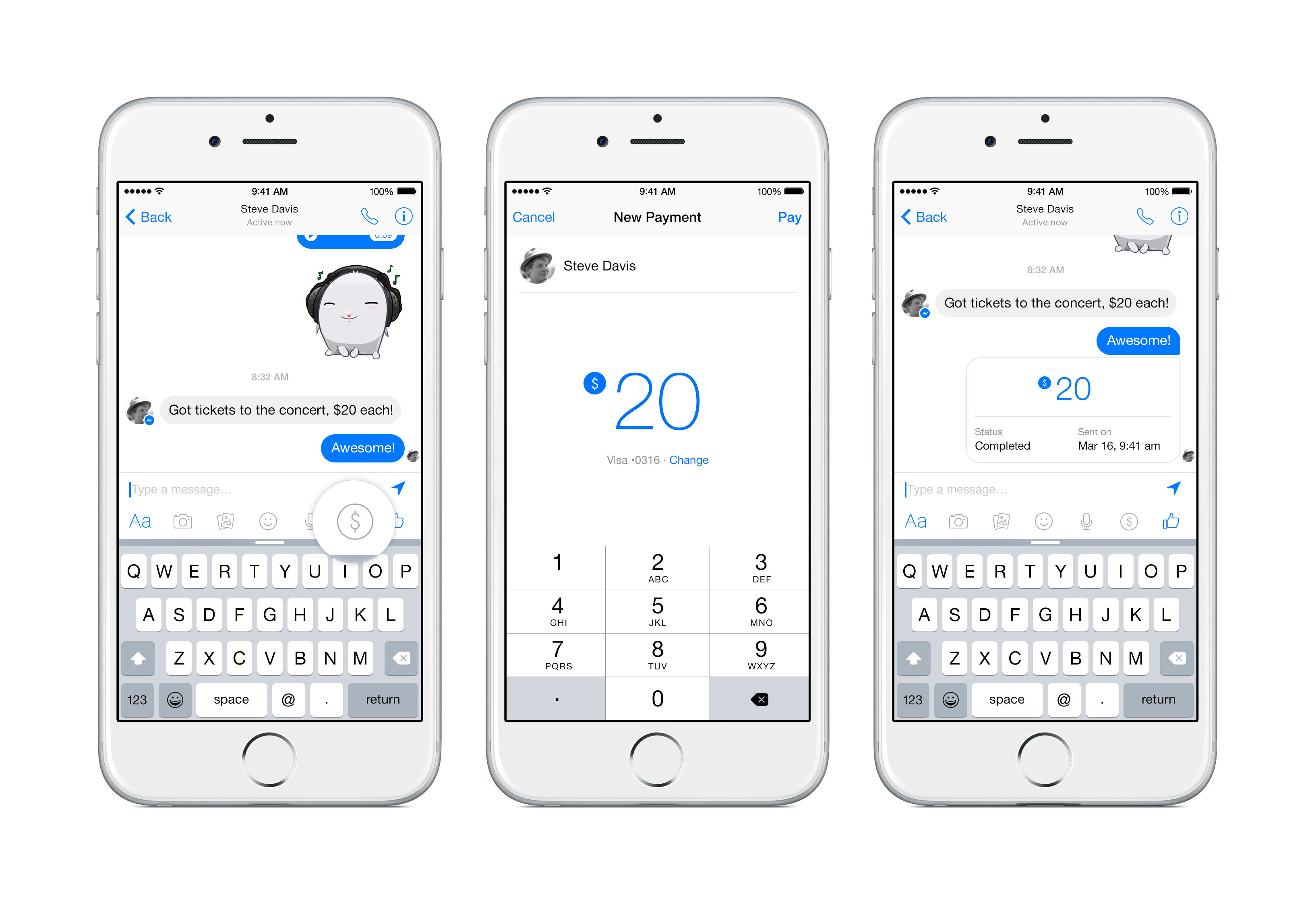
Sending money to a friend in another country is significantly more complex than domestic transfers. It involves currency exchange, international banking regulations, and often, higher fee structures. When moving money across borders, the goal is to minimize “leakage”—the amount lost to bank fees and unfavorable exchange rates.
The Hidden Cost of Exchange Rates
Many traditional banks claim to offer “no-fee” international transfers, but they often hide their profit in the exchange rate spread. If the mid-market rate (the one you see on Google) is 1.10 but the bank offers you 1.05, they are essentially taking 5% of your money. Digital-first services like Wise (formerly TransferWise) have disrupted this model by offering the mid-market rate and charging a transparent, upfront fee. For a friend receiving money abroad, this can mean the difference of dozens or even hundreds of dollars on a large transfer.
Specialized Remittance Services
For transfers to regions with less developed banking infrastructure, services like Remitly or WorldRemit are essential. These platforms allow a friend to pick up physical cash at a local designated location, which is a critical feature in “unbanked” or “underbanked” societies. From a financial planning perspective, users should compare “Express” versus “Economy” options. If the transfer isn’t urgent, choosing the slower delivery method can significantly reduce the transaction cost.
Security, Privacy, and Regulatory Compliance
As money transfers become more seamless, they also become more attractive targets for fraud. Protecting your capital requires an understanding of the security protocols and the legal landscape governing these transactions.
Defending Against P2P Fraud
The most common risk in digital money transfers is “authorized push payment” fraud. This occurs when a user is socially engineered into sending money to a scammer. Unlike credit card transactions, many P2P transfers are considered “instant and irrevocable.” Once you hit send, the money is gone. To mitigate this risk, always verify the recipient’s identity through a secondary channel (like a phone call) before sending money to a new contact. Furthermore, enabling two-factor authentication (2FA) on all financial apps is a non-negotiable step for digital security.
Privacy and the Social Feed
Platforms that default to “public” transaction feeds, like Venmo, pose a privacy risk. Financial transactions can reveal a great deal about your habits, relationships, and locations. From a professional and personal security standpoint, it is highly recommended to set your transaction privacy to “Private” or “Friends Only.” This prevents third parties from scraping your financial history or using your transaction patterns to build a profile for identity theft.
Tax Implications and the 1099-K
Recent changes in tax regulations, specifically concerning the IRS Form 1099-K, have caused confusion among P2P users. While the threshold for reporting has been in flux, the underlying rule remains: money sent as a gift or a reimbursement (like splitting a dinner bill) is not taxable income. However, if you use P2P apps for a side hustle or business transactions, the platform may be required to report those earnings to the IRS. Keeping personal and business transactions strictly separated—ideally using different accounts—is essential for clean bookkeeping and avoiding headaches during tax season.
The Future of Peer-to-Peer Finance
The horizon of money transfers is being shaped by “real-time rails” and decentralized technology. These innovations promise to make transfers even faster and cheaper, though they come with new considerations for the average user.
Instant Settlement and FedNow
In the United States, the Federal Reserve’s FedNow service is designed to allow banks of all sizes to provide instant payment services. This “always-on” infrastructure means that the traditional delay associated with bank transfers (the “float”) will eventually disappear. For the consumer, this means that transferring money to a friend will soon be as fast as handing over a $20 bill, regardless of which bank either party uses. This increases liquidity and helps individuals avoid the “payday gap” that often leads to high-interest borrowing.
The Role of Stablecoins
In the realm of digital assets, stablecoins—cryptocurrencies pegged to a stable asset like the US Dollar—are emerging as a tool for peer-to-peer transfers. By utilizing blockchain technology, users can send value globally with near-instant settlement and minimal fees, bypassing the traditional SWIFT banking network entirely. While still in the early stages of mass adoption, the integration of stablecoins into mainstream apps could eventually standardize international transfers to feel as simple as domestic ones.
Ultimately, the best way to transfer money to a friend is the one that balances speed, cost, and security for your specific situation. By understanding the underlying mechanics of these platforms, you can ensure that your hard-earned money reaches its destination intact, allowing you to focus on the relationship rather than the transaction.
aViewFromTheCave is a participant in the Amazon Services LLC Associates Program, an affiliate advertising program designed to provide a means for sites to earn advertising fees by advertising and linking to Amazon.com. Amazon, the Amazon logo, AmazonSupply, and the AmazonSupply logo are trademarks of Amazon.com, Inc. or its affiliates. As an Amazon Associate we earn affiliate commissions from qualifying purchases.