
In the modern financial landscape, the ability to move capital fluidly between platforms is a cornerstone of effective personal finance management. Peer-to-peer (P2P) payment applications like Venmo and Cash App have revolutionized how we handle small-scale transactions, split bills, and manage side-hustle income. However, because these platforms are owned by direct competitors—PayPal Holdings and Block, Inc., respectively—there is no native “Transfer to Cash App” button within the Venmo interface. To navigate this ecosystem, users must employ strategic workarounds to ensure their liquidity remains high across all digital wallets.
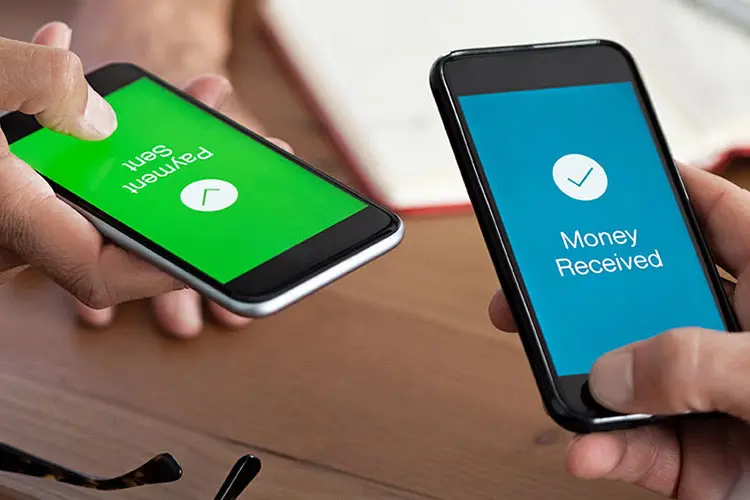
Understanding how to bridge the gap between these two financial giants is not just a matter of convenience; it is a critical skill for anyone looking to optimize their digital banking experience. Whether you are consolidating funds for a specific investment or simply moving money to where your primary debit card resides, mastering the inter-app transfer is essential.
The Infrastructure of Digital Wallets: Why a Direct Transfer Doesn’t Exist
To understand why a transfer from Venmo to Cash App requires a multi-step process, one must first understand the underlying financial architecture. Venmo and Cash App function as “closed-loop” systems. Within their own ecosystems, transactions are instantaneous and seamless. However, when you attempt to move money out of one loop and into another, you are essentially asking two competing financial institutions to communicate without a standardized protocol.
Venmo operates primarily as a social payment layer on top of your existing bank account, whereas Cash App has evolved into a more robust financial services hub, offering stock trading, Bitcoin purchasing, and banking features. Because they vie for the same market share, neither company has an incentive to make it easy for capital to flow to their rival. Consequently, the “bridge” between them is almost always a traditional bank account or a shared debit card.
For the savvy financial consumer, this friction is a reminder of the importance of maintaining a central “hub” bank account. This account serves as the clearinghouse for all P2P activity, ensuring that you have a paper trail for your transfers and a centralized location for your total liquid net worth.
The Standard Transfer Protocol: Utilizing a Linked Bank Account
The most reliable and cost-effective method to move funds from Venmo to Cash App involves using a traditional bank account as an intermediary. This method is preferred by those who prioritize avoiding unnecessary fees and maintaining a clear record of their financial movements.
Step 1: Liquidating Your Venmo Balance
The process begins by moving your “Venmo Balance” to your linked bank account. Within the Venmo app, users can choose between a “Standard” transfer and an “Instant” transfer. From a financial optimization standpoint, the Standard transfer is often superior because it is free, whereas the Instant transfer incurs a 1.75% fee (with a minimum and maximum cap). If your transfer is not time-sensitive, the 1-3 business day wait for a Standard transfer preserves your capital.
Step 2: Verifying the Deposit
Once the funds have cleared in your traditional bank account, you must ensure the balance is available for withdrawal. Digital-only banks often process these transfers faster than legacy institutions, making them an excellent choice for users who frequently move money between P2P apps.
Step 3: Funding the Cash App Wallet
After the money has landed in your bank account, open Cash App and select the “Add Cash” option. Since your bank account should already be linked to Cash App, the pull request is usually instantaneous. This completes the bridge, effectively moving your capital from the Venmo ecosystem to the Cash App ecosystem without losing a percentage to convenience fees, provided you opted for the standard speeds.
Advanced Strategies for Instant Liquidity
For individuals who require immediate access to their funds, the standard bank-bridge method may be too slow. In the world of personal finance, time is often money, and there are ways to accelerate the transfer process by leveraging the hardware provided by these platforms: the Venmo Debit Card and the Cash Card.
Using the Cash App Routing and Account Numbers
One of the most powerful features of Cash App is that it provides users with a functional routing and account number through its partner banks (such as Sutton Bank). To Venmo, this looks like a traditional checking account. By navigating to the “Payment Methods” section in Venmo and manually adding your Cash App banking details, you can potentially bypass your external bank entirely.

When you initiate a transfer from Venmo using these details, the money is sent directly to your Cash App balance. However, users should be aware that Venmo’s security filters sometimes flag these “neo-bank” accounts, so it is best to test this with a small amount first.
The Debit Card Interchange
Another “pro” tip involves the use of the physical debit cards issued by both services. If you have a Venmo Debit Card, you can link it as a “linked card” within Cash App. While you cannot directly “pull” funds from a Venmo card into Cash App in every jurisdiction due to varying terms of service, many users find success by using the Venmo card as the primary funding source for their Cash App “Add Cash” feature. This utilizes the debit network rather than the slower ACH network, significantly reducing the transit time of your money.
Navigating Fees, Limits, and Tax Compliance
When moving money between platforms, it is easy to overlook the micro-costs and regulatory requirements that can impact your overall financial health. A professional approach to P2P transfers requires a keen eye on the “leakage” of funds through fees and an awareness of reporting thresholds.
Minimizing Transactional Leakage
A 1.75% fee on an Instant Transfer may seem negligible on a $20 transaction, but for those moving $1,000 or more, that represents $17.50 lost to the platform. Over a year of frequent transfers, these fees can compound into hundreds of dollars in lost opportunity. To maximize your financial efficiency, always plan your transfers 48 to 72 hours in advance to utilize the free Standard transfer options.
The 1099-K and the IRS
In recent years, the IRS has tightened regulations regarding P2P payments. If you are using Venmo and Cash App for business purposes or side hustles, moving money between them can create a complex web of transactions. It is vital to categorize your transfers correctly.
If you receive over $600 for goods and services on either platform, you will likely receive a Form 1099-K. Moving that same $600 from Venmo to Cash App does not count as “new” income, but if your bookkeeping is messy, you may find yourself having to prove to the IRS that the transfer was a personal movement of funds rather than a secondary income stream. Maintaining a dedicated spreadsheet for these transfers is a hallmark of sound financial management.
Security Protocols for Inter-App Transfers
Digital security is the foundation of any financial strategy. When you are moving money between apps, your capital is arguably at its most vulnerable. Ensuring that your “bridge” is secure is paramount to protecting your assets.
Multi-Factor Authentication (MFA)
Both Venmo and Cash App offer robust security features, including biometric locks and two-factor authentication. Before initiating a transfer, ensure that both apps—and the intermediary bank account—have MFA enabled. This prevents a “cascading breach,” where access to one account allows a bad actor to drain your entire digital ecosystem.
Verification of Linked Accounts
One common pitfall in the transfer process is sending money to an old or closed bank account. Before hitting “confirm,” always verify that the last four digits of the linked account match your current, active bank account. In the P2P world, recovering funds sent to the wrong destination can be an arduous and often unsuccessful process.
Avoiding Public Wi-Fi
Never initiate a transfer between financial apps while connected to a public or unsecured Wi-Fi network. Financial data transmitted over these networks can be intercepted via “man-in-the-middle” attacks. Use a secure home network or a cellular connection to ensure that your transfer instructions remain private and untampered.

Conclusion: Fluidity as a Financial Asset
The ability to transfer funds from Venmo to Cash App is more than just a technical workaround; it is a demonstration of financial agility. By understanding the infrastructure of these apps, leveraging the right tools for speed or cost-savings, and maintaining strict security and tax records, you transform these P2P platforms from simple social gadgets into a sophisticated financial network.
In an era where the velocity of money continues to increase, the disciplined user who can navigate these digital corridors with ease will always have the upper hand in managing their personal liquidity. Whether you choose the slow-and-steady bank bridge or the high-speed routing number method, the goal remains the same: keeping your money accessible, secure, and working for you.
aViewFromTheCave is a participant in the Amazon Services LLC Associates Program, an affiliate advertising program designed to provide a means for sites to earn advertising fees by advertising and linking to Amazon.com. Amazon, the Amazon logo, AmazonSupply, and the AmazonSupply logo are trademarks of Amazon.com, Inc. or its affiliates. As an Amazon Associate we earn affiliate commissions from qualifying purchases.