
In the modern financial landscape, the ability to move capital seamlessly between platforms is a cornerstone of effective personal finance management. Peer-to-peer (P2P) payment applications like Cash App and Venmo have revolutionized how we handle small-to-medium transactions, from splitting a dinner bill to receiving payments for side hustles. However, as these platforms are owned by competing entities—Block, Inc. and PayPal, respectively—they do not offer a native “send” button to move funds directly from one to the other.
Understanding how to bridge the gap between these two ecosystems is essential for maintaining liquidity. Whether you are consolidating your balances for a large purchase or moving funds to a platform where your primary social circle resides, mastering the flow of digital cash ensures your money is always where you need it, when you need it.

The Architecture of Peer-to-Peer Finance: Understanding the “Walled Garden”
To effectively manage your money across Cash App and Venmo, one must first understand why the process isn’t instantaneous. Both platforms operate as “walled gardens.” They are designed to keep capital within their own ecosystem to facilitate internal transactions and generate interest or fees. This lack of interoperability is a strategic business hurdle, not a technical one.
The Challenge of Capital Mobility
Capital mobility refers to the ease with which money can be moved from one financial instrument or platform to another. In the world of P2P apps, mobility is often throttled by security protocols and the desire for platform loyalty. For users who rely on these apps for daily budgeting, this friction can lead to “trapped” liquidity—money that is available in one app but cannot be used for a specific obligation tied to another.
Strategic Cash Management
From a personal finance perspective, relying on multiple P2P apps requires a proactive strategy. You must view these apps not just as tools for sending money, but as temporary holding accounts. The goal of any transfer between Cash App and Venmo is to minimize “dead time”—the period during which your money is in transit and earning no interest or providing no utility—and to avoid unnecessary fees that erode your principal balance.
The Standard Method: Using a Linked Bank Account as a Clearinghouse
The most reliable way to transfer funds from Cash App to Venmo is to use a traditional bank account as an intermediary or “clearinghouse.” This method is the safest from a regulatory and record-keeping standpoint, though it requires the most patience.
Step 1: Cashing Out from Cash App
The process begins by liquidating your Cash App balance into your primary bank account.
-
Open Cash App and navigate to the “Banking” or “My Cash” tab.
-
Select “Cash Out.”
-
Choose the amount you wish to transfer to Venmo.
-
Select your deposit speed.
In the realm of personal finance, the choice between “Standard” and “Instant” is a choice between time and money. Standard transfers are free but take one to three business days. Instant transfers incur a fee (typically around 1.75%). For those practicing strict financial discipline, the free standard transfer is almost always the superior choice unless an immediate payment deadline looms.
Step 2: Verification and Settlement
Once the funds are initiated, they must settle in your bank account. During this window, it is crucial to ensure your bank account is properly linked to both Cash App and Venmo. Using the same “hub” account for all P2P platforms creates a centralized point of entry and exit, making it much easier to track your spending and income during tax season or when performing a monthly budget audit.
Step 3: Funding Your Venmo Balance
Once the funds have arrived in your bank account, you can use them through Venmo. Unlike Cash App, Venmo does not necessarily require you to “pull” the money into a Venmo balance first. If your bank account is linked, you can simply send a payment to another user, and Venmo will draw the funds directly from that account. However, if you prefer to have a standing balance in Venmo, you can use the “Manage Balance” feature to add the specific amount you just transferred from Cash App.
The Instant Workaround: Leveraging the Cash Card
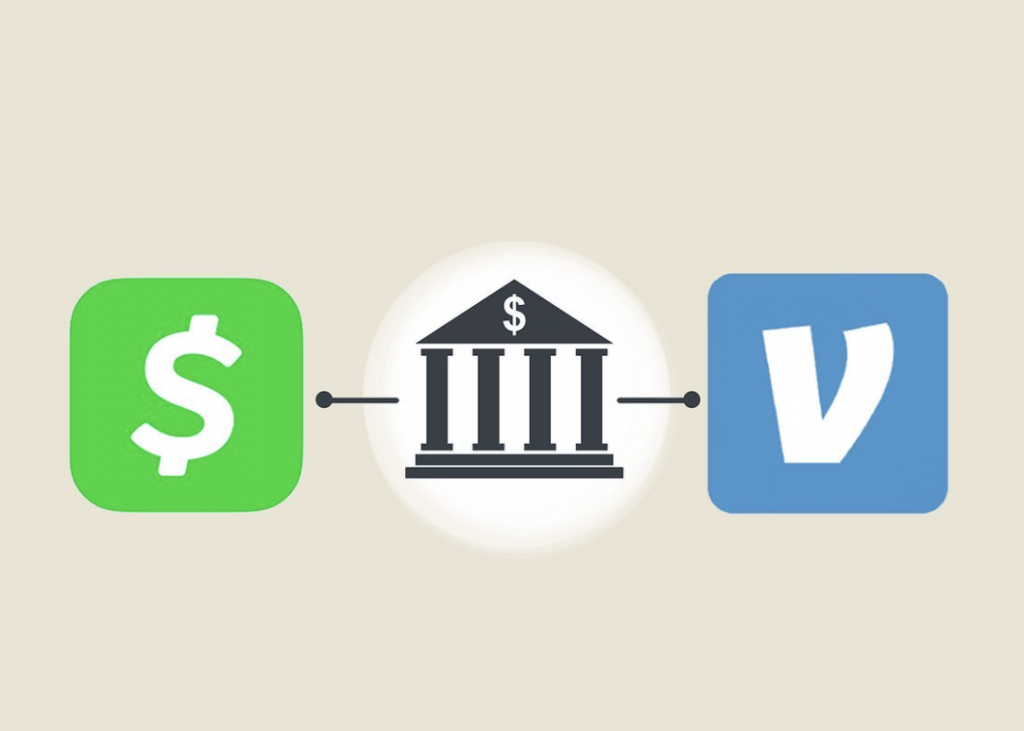
For users who need to bypass the three-day waiting period of a standard bank transfer without paying the high percentage fees of an “Instant” deposit, the Cash App “Cash Card” provides a sophisticated financial loophole.
Integrating the Cash Card into Venmo
The Cash Card is a Visa debit card linked directly to your Cash App balance. Because Venmo allows users to link debit cards as a funding source, you can treat your Cash App balance as a traditional bank account.
-
In Venmo, navigate to the “Settings” menu and select “Payment Methods.”
-
Choose “Add bank or card” and then select “Card.”
-
Enter the details of your Cash App Cash Card.
Execution of the Transfer
Once the Cash Card is linked to Venmo, you effectively have a bridge. When you make a payment in Venmo, you can select the Cash Card as your source of funds. Venmo will pull the money in real-time from your Cash App balance. This method is highly efficient for those who manage “gig economy” income on Cash App but need to pay bills or individuals who only use Venmo.
Cost-Benefit Analysis of the Debit Card Bridge
This method is technically free for the user, as Venmo typically does not charge fees for using a debit card to send money to friends and family. However, it is vital to remain aware of the “Instant Transfer” fees if you ever try to move money the other way (Venmo to Cash App) using a similar method. Always verify that your transactions are categorized as P2P to avoid “Cash Advance” fees that some financial institutions might trigger if they misidentify the transaction type.
Optimizing Your Personal Finance Workflow
Effectively moving money between apps is only one part of a larger financial strategy. To truly master your digital finances, you must consider the implications of these movements on your overall financial health.
Managing Side Hustle Revenue and Taxes
Many freelancers and side-hustlers use Cash App to receive payments because of its simplicity. However, moving large sums of money from Cash App to Venmo and then to a bank account can create a complex paper trail. Under current IRS regulations, P2P platforms are required to report gross payments for goods and services that exceed certain thresholds (though the implementation of these thresholds has seen recent shifts).
To stay organized:
-
Use the “Notes” feature in both apps to clearly label transfers (e.g., “Transferring side hustle earnings for rent”).
-
Keep a spreadsheet that matches your P2P transfers to your bank statements.
-
Distinguish between “Personal” and “Business” profiles if the apps offer them, as this simplifies the accounting process.
The Role of Security and Two-Factor Authentication
When you are moving capital between platforms, you are at your most vulnerable. Each “hop” the money takes—from Cash App to a bank, or from a bank to Venmo—is a potential point of failure.
-
Enable 2FA: Always use biometric or SMS-based two-factor authentication on every app involved in the transfer.
-
Verify Recipient Details: If you are transferring funds to Venmo to pay someone else immediately, double-check their username. P2P transactions are often irreversible, and a typo can result in a permanent loss of capital.
Avoiding “Zombie” Balances
A common mistake in digital finance is leaving small amounts of money—often referred to as “zombie balances”—scattered across various apps. Five dollars in Cash App, twelve dollars in Venmo, and eight dollars in PayPal may seem insignificant, but collectively, they represent idle capital. By periodically consolidating these funds through the transfer methods described above, you can move that money into a high-yield savings account or an investment vehicle where it can actually work for you.
The Future of Interoperability: What to Expect
The friction between Cash App and Venmo is a symptom of an immature digital finance market. As the industry evolves, we may see the rise of “open banking” standards that force these platforms to communicate more directly.
The Rise of FedNow and Real-Time Payments
The Federal Reserve’s FedNow Service and other real-time payment (RTP) networks are gradually being integrated into the US banking system. As more banks adopt these standards, the “clearinghouse” method (using your bank account as a bridge) will become significantly faster, eventually making the “Instant Transfer” fees of P2P apps obsolete.

Strategic Takeaways for the Digital Consumer
Until full interoperability is achieved, the savvy consumer should:
-
Maintain a “Hub” Account: Always have one central, traditional bank account linked to all P2P services.
-
Minimize Fees: Plan your transfers in advance to utilize free “Standard” withdrawal options.
-
Utilize Debit Card Links: Use the Cash Card or Venmo Debit Card to create manual links between platforms for faster, fee-free movement of capital.
By viewing the transfer from Cash App to Venmo not as a chore, but as an exercise in liquidity management, you take a significant step toward total control over your financial life. In a world where “cash is king,” the speed and efficiency with which you move that cash determine the true strength of your kingdom.
aViewFromTheCave is a participant in the Amazon Services LLC Associates Program, an affiliate advertising program designed to provide a means for sites to earn advertising fees by advertising and linking to Amazon.com. Amazon, the Amazon logo, AmazonSupply, and the AmazonSupply logo are trademarks of Amazon.com, Inc. or its affiliates. As an Amazon Associate we earn affiliate commissions from qualifying purchases.