
The modern financial landscape has shifted dramatically from traditional brick-and-mortar banking to the palm of our hands. Among the leaders of this revolution is Cash App, a financial tool that has redefined how millions of people send, spend, and invest their money. However, with the convenience of a physical Cash Card comes the age-old risk of misplacement or theft. When you realize your Cash App card is missing, the immediate sensation is often one of panic. Unlike a traditional bank where you might wait on hold for an hour to speak with a representative, managing a lost Cash App card requires a proactive, tech-forward approach to personal finance.

While the term “tracking” might imply a GPS-enabled search, the reality of tracking a lost financial instrument involves a combination of digital monitoring, transaction oversight, and immediate account lockdown. Protecting your liquid assets is the priority. This guide explores the strategic steps you must take to secure your funds, monitor for unauthorized activity, and navigate the recovery process within the Cash App ecosystem.
Immediate Intervention: The Digital Lockdown
The moment you suspect your Cash App card is missing, the window of opportunity for a bad actor to drain your balance begins to close. In the world of personal finance, speed is your greatest asset. You do not need to “track” the physical location of the card to stop the flow of money; you need to sever the connection between the plastic in the world and the digital balance in your account.
Utilizing the “Lock Card” Feature
Cash App provides a native security feature that acts as a kill-switch for your physical card. This should be your very first step, even before you start retracing your steps. By opening the app and navigating to the “Card” tab, you can toggle the “Lock Card” switch.
This action is reversible and does not delete your account or change your card number. It simply prevents any new transactions from being authorized. From a financial management perspective, this is a “soft” security measure that provides peace of mind while you conduct a physical search for the card. If you find the card under your car seat ten minutes later, you can simply toggle it back on.
Monitoring Real-Time Notifications
One of the most effective ways to “track” the usage of a lost card is through the app’s notification system. If your card has been picked up by someone else, any attempt to use it—even a declined attempt while the card is locked—will trigger a push notification. These notifications serve as a digital footprint. They tell you exactly where and when someone tried to swipe the card. This information is vital if you need to file a police report or dispute unauthorized charges later, as it provides a timestamped location of the incident.
The Mechanics of Digital Tracking: GPS vs. Transaction History
A common misconception in the digital age is that all “smart” devices contain GPS trackers. It is important to clarify that the Cash App card, like most Visa debit cards, does not contain a GPS chip or a battery. You cannot open a map and see a blinking blue dot representing your wallet. However, “tracking” in a financial context refers to the audit trail left by the card’s EMV chip or magnetic stripe.
Analyzing the Last Known Transaction
To begin your search, examine your activity feed within the app. Your transaction history is the most accurate map of your card’s movement. Look for the last authorized transaction you recognize. Was it at a coffee shop, a grocery store, or an ATM? Most modern point-of-sale (POS) systems record the exact time of the transaction. By identifying your last “known good” location, you can narrow your physical search radius.
Identifying Patterns of Fraud
If you see transactions you did not authorize, the “tracking” phase has transitioned into a “fraud mitigation” phase. Unauthorized transactions often start small—a “ping” at a gas station or a low-value online purchase—to see if the card is active. Tracking these patterns allows you to provide Cash App support with specific data points, which accelerates the dispute process. In the realm of personal finance, being an active observer of your own data is the best defense against identity theft.
Navigating the Replacement and Recovery Process
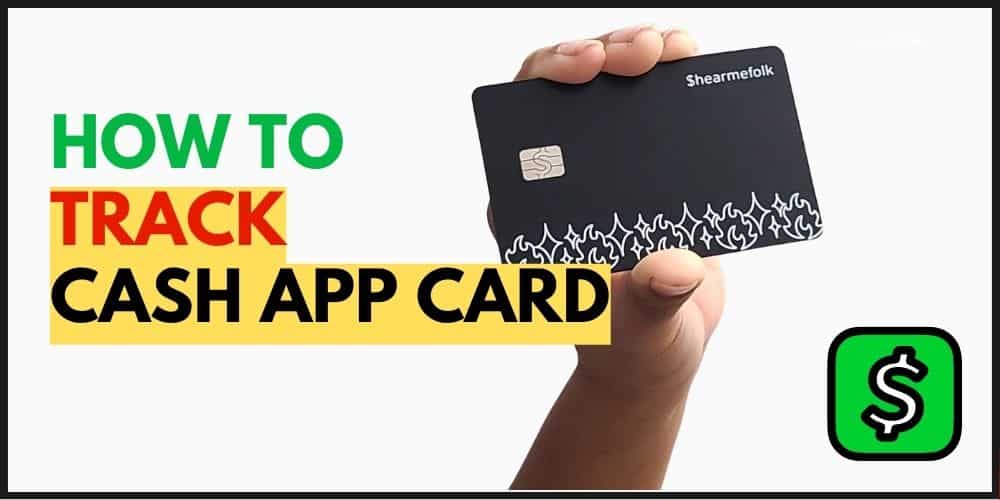
Once you have determined that the card is truly lost and not just misplaced, you must transition from temporary locking to permanent replacement. This process is more than just a logistical hurdle; it is an opportunity to refresh your financial security protocols.
Reporting the Card as Lost or Stolen
Within the Cash App interface, there is a specific workflow for reporting a card as lost or stolen. Unlike the “Lock” feature, this is a permanent action. Once you report the card as stolen, the specific card number associated with that plastic is deactivated forever. Cash App will then prompt you to order a new card.
From a financial planning standpoint, be aware of the potential costs. While Cash App often provides the initial card for free, replacement cards may carry a small fee (typically around $5). While this is a nominal amount, it is a reminder of the “hidden costs” of financial mismanagement.
Managing Your Virtual Card During the Wait
One of the unique advantages of Cash App over traditional banks is the “Virtual Card.” Even while you wait 7–10 business days for your new physical plastic to arrive in the mail, your account remains functional. Cash App often provides you with a new set of digital card details (number, CVV, and expiry) almost instantly after you report the old one lost.
You can add this virtual card to Apple Pay or Google Pay. This ensures that your “Side Hustle” income or “Online Income” remains accessible for daily expenses even without the physical card. This continuity is a hallmark of modern financial tools, ensuring that a physical loss does not result in a total financial freeze.
Advanced Financial Hygiene: Preventing Future Loss
Securing your Cash App card is not just about reacting to a lost piece of plastic; it is about building a robust framework of financial hygiene. High-level personal finance management involves “hardening” your accounts so that even if a physical card is lost, your wealth remains protected.
Implementing Security Locks and Biometrics
Beyond the card itself, the app that controls the card must be a fortress. Ensure that you have enabled “Security Lock,” which requires a PIN or biometric authentication (FaceID/TouchID) every time the app is opened or a payment is made. This adds a layer of defense: even if a thief steals both your phone and your card, they cannot unlock the app to “Unlock” the card you have frozen.
The Role of “Cash App Boosts” in Security
Cash App Boosts are a popular way to save money on daily purchases. However, they can also serve as a security indicator. If you see a “Boost” applied to a transaction you didn’t make, it is a clear sign that someone is using your card at a specific merchant. Regularly reviewing which Boosts are active and how they are being used is a subtle but effective way to maintain oversight of your account’s health.
Diversifying Your Digital Assets
In the broader context of money management, it is rarely wise to keep all your liquid capital in a single P2P (peer-to-peer) app. Financial experts recommend keeping only the “spending money” you need for the week in your Cash App balance, while moving larger sums to a high-yield savings account or an investment portfolio. By limiting the “stored value” on the card, you minimize the “maximum potential loss” if the card is ever compromised.

The Future of Financial Security in the P2P Ecosystem
The evolution of the Cash App card from a simple payment tool to a comprehensive financial hub (offering Bitcoin, stocks, and direct deposits) means that the stakes for losing a card are higher than ever. As we move closer to a cashless society, the definition of “tracking” will continue to shift from physical search to data-driven surveillance.
Personal finance in the digital age is an active pursuit. It requires a mindset of constant vigilance and an understanding of the tools at your disposal. If you lose your Cash App card, remember that you are not just looking for a piece of plastic; you are defending your financial identity. By utilizing the app’s locking features, monitoring transaction logs for “tracking” purposes, and maintaining strict security protocols, you turn a potential financial disaster into a manageable inconvenience.
Ultimately, the best way to track a lost card is to never lose sight of your account’s digital activity. In the intersection of money and technology, information is the most valuable currency you own. Stay informed, act quickly, and leverage the power of digital financial tools to keep your hard-earned money exactly where it belongs: under your control.
aViewFromTheCave is a participant in the Amazon Services LLC Associates Program, an affiliate advertising program designed to provide a means for sites to earn advertising fees by advertising and linking to Amazon.com. Amazon, the Amazon logo, AmazonSupply, and the AmazonSupply logo are trademarks of Amazon.com, Inc. or its affiliates. As an Amazon Associate we earn affiliate commissions from qualifying purchases.