
In an increasingly digital financial landscape, peer-to-peer payment applications like Cash App have become indispensable tools for managing everyday transactions. From splitting dinner bills with friends to receiving paychecks via direct deposit, these platforms offer unparalleled convenience. However, like all financial instruments, Cash App operates within a structured framework of limits designed to ensure security, comply with regulatory requirements, and manage risk. For anyone relying on Cash App for their personal finance needs, understanding these monetary thresholds is not just beneficial but essential for seamless financial management.
This article delves deep into the question of “how much money can you put on Cash App?” It’s not a simple one-size-fits-all answer, as limits vary based on account verification status, transaction type, and the specific feature being used. We’ll explore the various facets of these limits, the reasons behind their existence, and how users can navigate them effectively to optimize their financial experience. Our focus remains squarely within the realm of personal finance, treating Cash App as a critical financial tool that requires a nuanced understanding for optimal use.
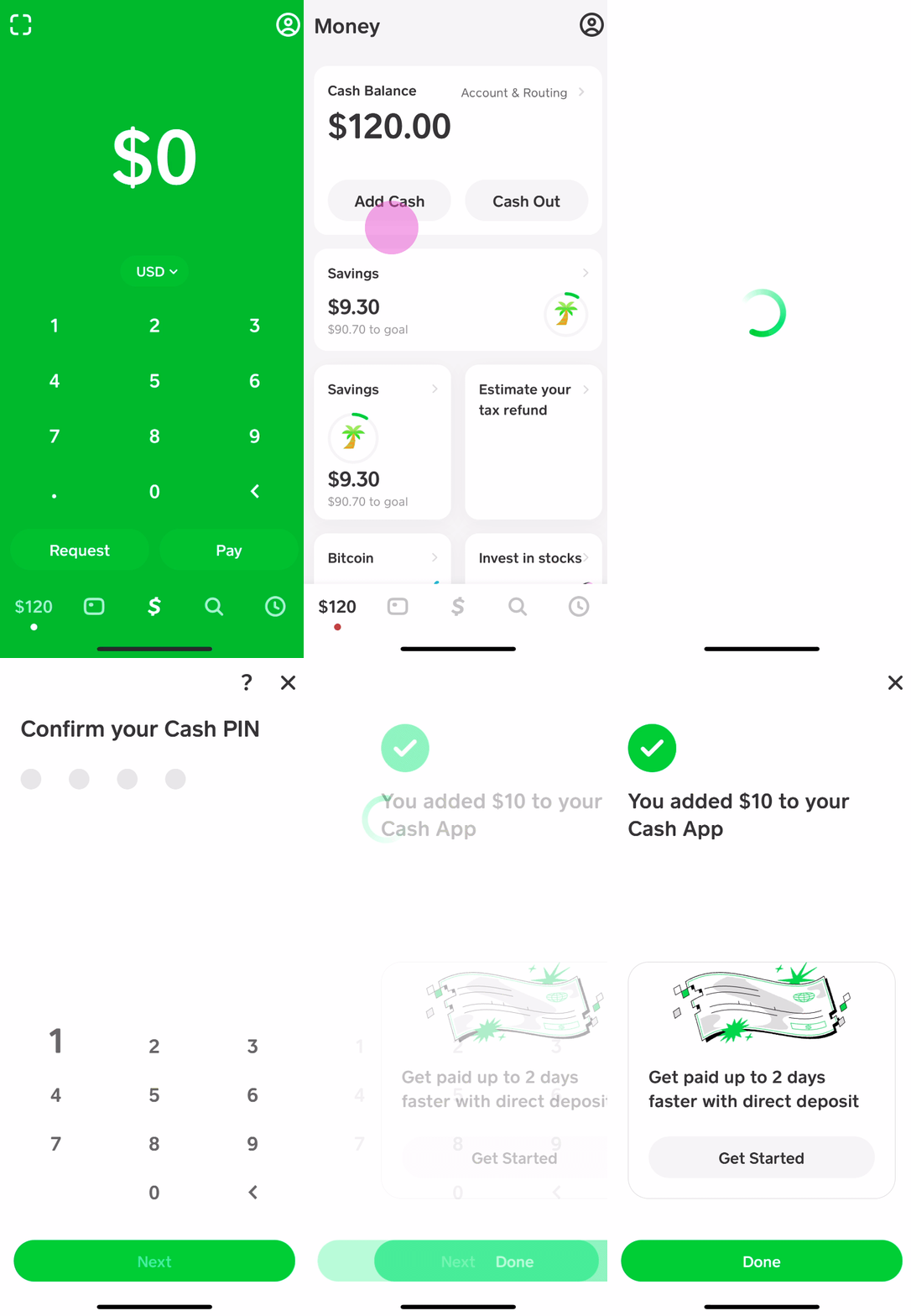
Understanding Cash App’s Core Functionality and Its Role in Personal Finance
Cash App, developed by Block, Inc., has rapidly grown from a simple peer-to-peer payment service into a multifaceted financial platform. It allows users to send and receive money, invest in stocks and Bitcoin, and even file taxes. Its intuitive interface and broad range of services have cemented its position as a go-to digital wallet for millions. However, with this expansive functionality comes the necessity of clear financial guidelines, which manifest as transaction and holding limits.
What is Cash App and Why is it Popular?
At its core, Cash App is a mobile payment service that facilitates money transfers between users, often referred to as “cashtags.” Beyond its primary function, it offers a linked debit card (the Cash Card) for spending, direct deposit capabilities for paychecks, and avenues for micro-investing in fractional shares of stocks and Bitcoin. Its popularity stems from several factors: ease of use, instant transfers, the ability to get paid early with direct deposit, and its accessible approach to investing. For many, it serves as a primary digital bank account, especially for those who are unbanked or underbanked, providing a low-barrier entry point into digital finance. From a personal finance perspective, it offers a convenient way to manage daily spending, budget for certain expenses, and even build small investment portfolios.
The Importance of Financial Limits in Digital Wallets
Financial limits are not arbitrary restrictions imposed by Cash App; rather, they are a critical component of responsible financial technology. These limits serve several vital purposes:
-
Regulatory Compliance: Financial institutions, including digital payment platforms, are subject to “Know Your Customer” (KYC) and Anti-Money Laundering (AML) regulations. These laws require companies to verify the identity of their users and monitor transactions to prevent illicit activities such as money laundering, terrorist financing, and fraud. Limits are a key mechanism to manage the risk associated with unverified or newly verified accounts.
-
Fraud Prevention: By capping the amount of money that can be moved or held, Cash App reduces the potential financial damage from unauthorized access or fraudulent transactions. If an account is compromised, the total loss is contained within the established limits, offering a layer of protection for both the user and the platform.
-
Risk Management: For Cash App itself, limits help manage its exposure to financial risk. High-value transactions carry higher inherent risks, and by incrementally increasing limits as users verify their identity and build a transaction history, the platform can better assess and mitigate these risks.
-
Security Measures: Limits often work in tandem with other security features like PINs, biometric authentication, and transaction alerts. They encourage users to verify their accounts, which adds a stronger layer of identity protection.
Understanding these underlying reasons highlights that limits are not an inconvenience but a foundational element of secure and compliant digital financial services, protecting both the user and the broader financial ecosystem.
Navigating the Spectrum of Cash App Limits
Cash App implements various types of limits that apply to different functions within the app. These limits are dynamic, primarily differentiating between unverified accounts and fully verified accounts, with the latter enjoying significantly higher thresholds. It’s crucial for users to distinguish between these categories to effectively manage their funds.
Sending and Receiving Limits: Unverified vs. Verified Accounts
The most fundamental limits on Cash App pertain to how much money you can send and receive. These are the first limits most users encounter:
-
Unverified Accounts (Basic Limits): For users who have not yet verified their identity, Cash App imposes relatively low limits. Typically, an unverified account can send up to $250 within any 7-day period and receive up to $1,000 within any 30-day period. These limits are intentionally low to minimize risk for accounts with unconfirmed identities. For casual, small transactions, these might suffice, but for regular or larger financial dealings, verification becomes essential.
-
Verified Accounts (Increased Limits): Once you verify your identity with Cash App (by providing your full name, date of birth, and the last four digits of your Social Security Number, and sometimes a full SSN or additional documents), your sending and receiving limits dramatically increase. Verified users can typically send up to $7,500 per week and receive an unlimited amount of money. This substantial increase unlocks the full potential of Cash App as a primary financial tool for significant personal or small business transactions.
Cash Card Spending Limits: Daily, Weekly, and Monthly Caps
The Cash Card is a free, customizable debit card linked directly to your Cash App balance, powered by Visa. It allows users to spend their Cash App funds anywhere Visa is accepted, withdraw cash from ATMs, and enjoy exclusive “Boosts” (instant discounts). Like traditional debit cards, the Cash Card has its own set of spending limits:
-
Daily Spending Limit: Typically, Cash Card users can spend up to $7,000 per day.
-
Weekly Spending Limit: The weekly spending cap for the Cash Card is usually $10,000.
-
Monthly Spending Limit: The monthly limit often extends to $25,000.
These limits apply to purchases made with the physical or virtual Cash Card. It’s important to note that these limits are separate from the sending and receiving limits within the app, meaning you can still receive large sums into your Cash App balance even if your daily spending is capped.
ATM Withdrawal Limits: Accessing Your Funds
For those needing physical cash, the Cash Card offers ATM withdrawal capabilities. However, these also come with specific limitations:
-
Daily ATM Withdrawal Limit: Users are typically limited to withdrawing $1,000 per day from an ATM.
-
Weekly ATM Withdrawal Limit: The weekly ATM withdrawal limit is usually $2,500.
While Cash App generally charges a $2 fee for ATM withdrawals, this fee can be waived for users who receive at least $300 in direct deposits into their account each month. This incentivizes regular use of the direct deposit feature, aligning with Cash App’s goal to become a primary banking solution.
Direct Deposit and Bitcoin Limits: Specialized Transactions
Cash App extends its functionality to more specialized financial services, each with its own set of rules:
-
Direct Deposit Limits: Cash App offers a routing and account number, allowing users to receive direct deposits from employers, government benefits, or other institutions. While verified accounts can receive an unlimited amount of money, this general receiving limit technically applies to direct deposits too. However, individual employers or payroll systems might have their own caps, and for extremely large single direct deposits (e.g., millions), Cash App’s internal monitoring systems might flag them for review as part of their fraud prevention protocols. For most users, receiving standard paychecks, there are effectively no upper limits imposed by Cash App on the amount that can be deposited, provided the account is verified.
-
Bitcoin Limits: Cash App allows users to buy, sell, and withdraw Bitcoin. The limits for these activities are distinct:
-
Buying Bitcoin: Verified users can typically buy up to $100,000 worth of Bitcoin per week.
-
Selling Bitcoin: There’s usually no explicit limit on the amount of Bitcoin you can sell.
-
Withdrawing Bitcoin: Users can withdraw up to $2,000 worth of Bitcoin every 24 hours, and up to $5,000 worth of Bitcoin over a 7-day period. These withdrawal limits are crucial for users who manage their cryptocurrency holdings through the app.
-
These varied limits underscore the importance of understanding your account status and transaction needs. For most day-to-day personal finance activities, verified accounts offer ample flexibility.
Strategies for Increasing Your Cash App Limits
For users who find the basic, unverified account limits restrictive, increasing them is a straightforward process that primarily involves identity verification. This step not only unlocks higher transaction thresholds but also enhances the overall security and legitimacy of your account within the financial ecosystem.
The Verification Process: Unlocking Higher Tiers
The process of increasing your Cash App limits is centered around verifying your identity. This is a standard procedure across regulated financial platforms and is mandated by federal laws (like the Bank Secrecy Act) to combat financial crime. When you attempt to send or receive an amount exceeding your current unverified limits, Cash App will typically prompt you to begin the verification process.
The verification process generally involves providing specific personal information that allows Cash App to confirm you are who you say you are. Once this information is submitted and approved, your account transitions from an unverified status to a fully verified one, automatically increasing your limits. The processing time can vary, but it’s often quick, sometimes almost instantaneous, though it can take a few business days if manual review is required.
Required Information for Verification
To verify your Cash App account and elevate your limits, you will typically need to provide the following details:

-
Full Legal Name: Your complete first, middle, and last name as it appears on official government identification.
-
Date of Birth: To confirm you meet the minimum age requirement (typically 18 years old).
-
Last Four Digits of Your Social Security Number (SSN): This is a key piece of information for identity verification in the United States. In some cases, for higher limits or if initial checks fail, Cash App might request your full SSN.
-
Home Address: Your current residential address is used for identity confirmation and regulatory purposes.
Occasionally, Cash App might request additional documentation, especially if there are discrepancies or if they require further confirmation. This could include a photo of a government-issued ID (like a driver’s license or passport) or a utility bill to confirm your address. It’s crucial to provide accurate and truthful information, as any discrepancies can delay or prevent verification.
The Benefits of a Fully Verified Account
Beyond the obvious advantage of significantly higher transaction limits, a fully verified Cash App account offers several other benefits that enhance your personal financial management:
-
Unlimited Receiving: As mentioned, verified accounts typically have no upper limit on the amount of money they can receive. This is a crucial feature for freelancers, small business owners, or anyone receiving significant payments.
-
Access to All Features: Verification often unlocks full access to all Cash App features, including the ability to invest in stocks and Bitcoin (with their respective limits), and potentially higher direct deposit amounts without triggering immediate review flags.
-
Enhanced Security: By linking your identity to your account, it becomes more secure. In cases of account compromise or suspicious activity, having a verified identity makes it easier for Cash App support to assist you, recover funds (if possible), or resolve disputes.
-
Increased Trust: A verified account inherently carries more trust within the Cash App ecosystem, potentially facilitating smoother transactions with other users and services.
-
Compliance and Peace of Mind: Knowing your account complies with financial regulations provides peace of mind, ensuring you’re using the platform responsibly and legally.
For serious users of Cash App, verification is not just about increasing limits; it’s about fully integrating the platform into a robust personal finance strategy.
Practical Tips for Managing Large Sums on Cash App
While Cash App offers substantial limits for verified accounts, especially regarding receiving funds, it’s essential to approach managing large sums with diligence and strategic planning. Although it functions similarly to a traditional bank account in some aspects, it’s crucial to understand its nuances for optimal financial security and management.
Monitoring Your Transaction Activity
Regardless of your limits, regularly monitoring your Cash App transaction activity is a fundamental personal finance practice. This becomes even more critical when dealing with larger sums.
-
Frequent Review: Make it a habit to check your transaction history daily or weekly, especially if you’re actively sending or receiving money.
-
Identify Discrepancies: Promptly identify and report any unauthorized transactions or discrepancies to Cash App support. The quicker you act, the better your chances of resolving issues.
-
Balance Tracking: Keep an eye on your overall Cash App balance. While an unlimited receiving limit is great, it doesn’t mean your funds are infinitely insured in the same way they might be with an FDIC-insured bank.
Splitting Large Transactions
If you frequently encounter situations where a single payment exceeds Cash App’s sending limits (e.g., the $7,500 weekly limit), or if you simply prefer to manage risk, consider splitting large transactions into multiple smaller payments over time.
-
Spreading Payments: If you need to send $10,000, you could send $7,500 in one week and the remaining $2,500 the following week. This adheres to the platform’s limits without requiring alternative methods.
-
Communication is Key: Always communicate with the recipient if you plan to split a payment so they know what to expect.
-
Consider Purpose: For very large, critical payments (like a down payment on a car), even if technically possible via Cash App, using traditional bank transfers, certified checks, or wire transfers might offer more robust tracking, legal recourse, and peace of mind.
When to Consider Alternative Financial Tools
Despite its versatility, Cash App may not always be the optimal tool for every financial scenario, especially for extremely large sums or specific types of transactions.
-
Bank Accounts for Savings: While you can hold substantial amounts in Cash App, it’s generally not recommended as the primary place for significant long-term savings. Traditional bank savings accounts offer FDIC insurance (up to $250,000 per depositor per insured bank), which protects your money in the unlikely event the bank fails. Cash App funds, while often held in pooled accounts with partner banks, might not always offer direct FDIC pass-through insurance to the end-user in the same transparent way.
-
Wire Transfers for Large, Irreversible Payments: For very large, time-sensitive, and often irreversible payments (e.g., real estate transactions, large business invoices), traditional bank wire transfers or ACH transfers typically provide stronger legal frameworks and more explicit tracking.
-
Dedicated Investment Platforms: While Cash App offers basic stock and Bitcoin investing, serious investors might prefer dedicated brokerage platforms or cryptocurrency exchanges that offer more advanced tools, research capabilities, and a broader range of assets.
-
International Transfers: For sending money internationally, specialized services like Wise (formerly TransferWise) or Remitly often offer better exchange rates and lower fees than general payment apps.
Cash App excels at peer-to-peer payments, daily spending, and accessible micro-investing. For sums exceeding tens of thousands or for critical, non-reversible transactions, integrating it with traditional banking services is a prudent financial strategy.
Best Practices for Account Security
Managing large sums on Cash App also brings an increased responsibility for account security.
-
Strong, Unique Password: Use a complex password that is not reused on other sites.
-
Two-Factor Authentication (2FA): Always enable 2FA for your Cash App account. This adds an extra layer of security, requiring a code from your phone in addition to your password for logins.
-
PIN/Biometrics: Set up a PIN or use fingerprint/face ID for all transactions within the app.
-
Beware of Scams: Be highly vigilant against phishing attempts, fake customer support, and unsolicited requests for money. Cash App will never ask for your PIN or full SSN via email or text.
-
Secure Device: Ensure your mobile device is secure, updated, and protected with a lock screen.
-
Avoid Public Wi-Fi for Financial Transactions: Transact only on secure, private networks.
By adhering to these best practices, users can significantly mitigate the risks associated with managing their money on Cash App, allowing them to leverage its convenience with confidence.
The Financial Implications of Cash App Limits
The presence and structure of Cash App’s limits are not merely technical specifications; they carry significant financial implications for users, influencing how they integrate the app into their overall personal finance strategy. These implications span from balancing convenience with regulatory compliance to enhancing fraud prevention and understanding future financial trends.
Balancing Convenience with Compliance
One of the primary financial implications of Cash App limits is the constant interplay between user convenience and regulatory compliance. For unverified users, the low limits initially prioritize ease of entry—no extensive paperwork required to send a quick $20. However, as financial needs grow, compliance steps (verification) become necessary to unlock higher limits. This design forces users to make a conscious trade-off: enjoy immediate, limited access or invest a little time to verify and gain extensive, long-term functionality.
From a personal finance perspective, this means users must proactively plan for their financial activities. If you anticipate needing to send or receive larger sums, undergoing verification before the need arises is a financially smart move, preventing delays and potential missed opportunities. It educates users on the importance of KYC in the broader financial system, even within seemingly informal digital payment apps.
Fraud Prevention and Consumer Protection
The limits embedded within Cash App serve as a critical layer of consumer protection and fraud prevention. While no system is foolproof, these caps minimize potential financial damage from various threats:
-
Account Takeovers: If an unauthorized party gains access to an unverified account, the low sending limits mean they can only steal a maximum of $250 over a week. For verified accounts, while limits are higher, the robust verification process itself makes it harder for fraudsters to create or completely control such accounts initially.
-
Scams: Limits can also indirectly curb the impact of scams. A scammer asking for a large sum might be thwarted if the victim’s sending limit is too low, giving the victim more time to realize the fraud.
-
Money Laundering: By requiring verification for higher limits and imposing caps, Cash App makes it more difficult for illicit funds to be moved or “cleaned” through its platform, thereby protecting the financial system and, by extension, consumers from being unknowingly involved in illegal activities.
While Cash App does not provide direct FDIC insurance for user balances, these protective measures, including limits, contribute to a safer environment for users’ funds. Understanding that these limits are part of a broader security strategy can help users feel more secure in their use of the platform for their financial transactions.
Future Trends in Digital Wallet Regulation
The landscape of digital wallet regulation is continually evolving, and Cash App’s current limits are a reflection of existing laws while also anticipating future changes. As digital payment platforms become more integral to personal finance and the global economy, regulators are increasingly scrutinizing their operations.
Future trends could include:
-
Stricter KYC/AML Requirements: As governments worldwide intensify efforts against financial crime, the verification process for digital wallets might become even more stringent, potentially requiring more detailed documentation or biometric verification for all users, regardless of transaction volume.
-
Harmonized Global Standards: As digital payments cross international borders, there’s a push for more harmonized regulatory standards, which could affect how limits are set and how verification is performed across different jurisdictions.
-
Increased Consumer Protections: There might be a push for more explicit consumer protections for digital wallet users, potentially mirroring some of the benefits of traditional banking, such as clearer deposit insurance or expanded dispute resolution mechanisms.
-
Data Privacy Concerns: Alongside increased data collection for KYC, there will be continued emphasis on data privacy and security, ensuring that users’ sensitive financial information is protected.
For users, this means that while current limits provide a framework, they should remain aware that these thresholds and the associated verification processes are subject to change. Staying informed about Cash App’s terms of service and broader financial regulations is a key component of responsible digital financial management. The dynamic nature of these limits ensures that Cash App remains a compliant and secure tool within the rapidly evolving world of personal finance.
In conclusion, understanding “how much money you can put on Cash App” is far more than knowing a simple number. It’s about grasping the underlying principles of digital finance, appreciating the balance between convenience and security, and strategically managing your funds within a framework designed for your protection. For the savvy user, Cash App’s limits are not barriers, but guidelines for responsible and effective financial management in the 21st century.
aViewFromTheCave is a participant in the Amazon Services LLC Associates Program, an affiliate advertising program designed to provide a means for sites to earn advertising fees by advertising and linking to Amazon.com. Amazon, the Amazon logo, AmazonSupply, and the AmazonSupply logo are trademarks of Amazon.com, Inc. or its affiliates. As an Amazon Associate we earn affiliate commissions from qualifying purchases.