
In an increasingly digitized world, the ability to transfer money quickly and seamlessly has become a cornerstone of personal finance. Among the myriad of digital payment platforms, Venmo stands out as a prevalent tool, transforming how individuals manage casual transactions, split expenses, and even facilitate small business payments. More than just an app, Venmo has integrated itself into the fabric of daily financial interactions, making the act of “Venmo-ing” money a common verb in contemporary language.
Understanding how to effectively use Venmo isn’t just about navigating an app; it’s about mastering a crucial financial tool that impacts budgeting, expense management, and transactional security. This comprehensive guide will demystify the process, exploring Venmo’s functionalities from a financial perspective, offering insights into its practical applications, and outlining best practices for responsible money management within the platform.

Venmo: A Cornerstone of Modern Personal Finance
At its core, Venmo is a peer-to-peer (P2P) mobile payment service owned by PayPal, designed to simplify the exchange of money between individuals. It streamlines transactions that were once handled with cash, checks, or awkward bank transfers, making it an indispensable part of many people’s personal finance toolkit. Its ease of use and social features have made it particularly popular among younger demographics, but its utility extends to anyone seeking a convenient way to manage shared expenses.
Demystifying Venmo’s Role in Peer-to-Peer Transactions
The primary function of Venmo is to enable users to send and receive money from friends, family, and other trusted contacts. This is particularly useful for common financial scenarios such as splitting dinner bills, sharing rent, contributing to group gifts, or reimbursing a friend for concert tickets. Unlike traditional bank transfers that might incur delays or require cumbersome account information, Venmo leverages usernames or phone numbers, facilitating instant transfers between users within the platform. This immediacy is a significant financial advantage, ensuring that funds are available promptly without the usual banking lag.
For individuals, Venmo acts as a digital wallet for small, frequent transactions. It removes the friction of carrying cash or dealing with exact change, contributing to a more efficient and less stressful approach to everyday spending. From a personal finance standpoint, this means better tracking of minor expenditures that might otherwise slip through the cracks, allowing for a clearer picture of spending habits, especially when linked to a primary bank account or credit card. The platform’s social feed, while optional, also offers a transparent (or semi-transparent, depending on privacy settings) record of transactions, which can be useful for recalling who paid for what in group settings.
Beyond Simple Transfers: Venmo’s Expanding Financial Ecosystem
While P2P payments remain its foundation, Venmo has evolved significantly, expanding its features to offer a broader range of financial services, further embedding itself into users’ financial lives. These additions cater to diverse needs, from direct spending to more structured financial management.
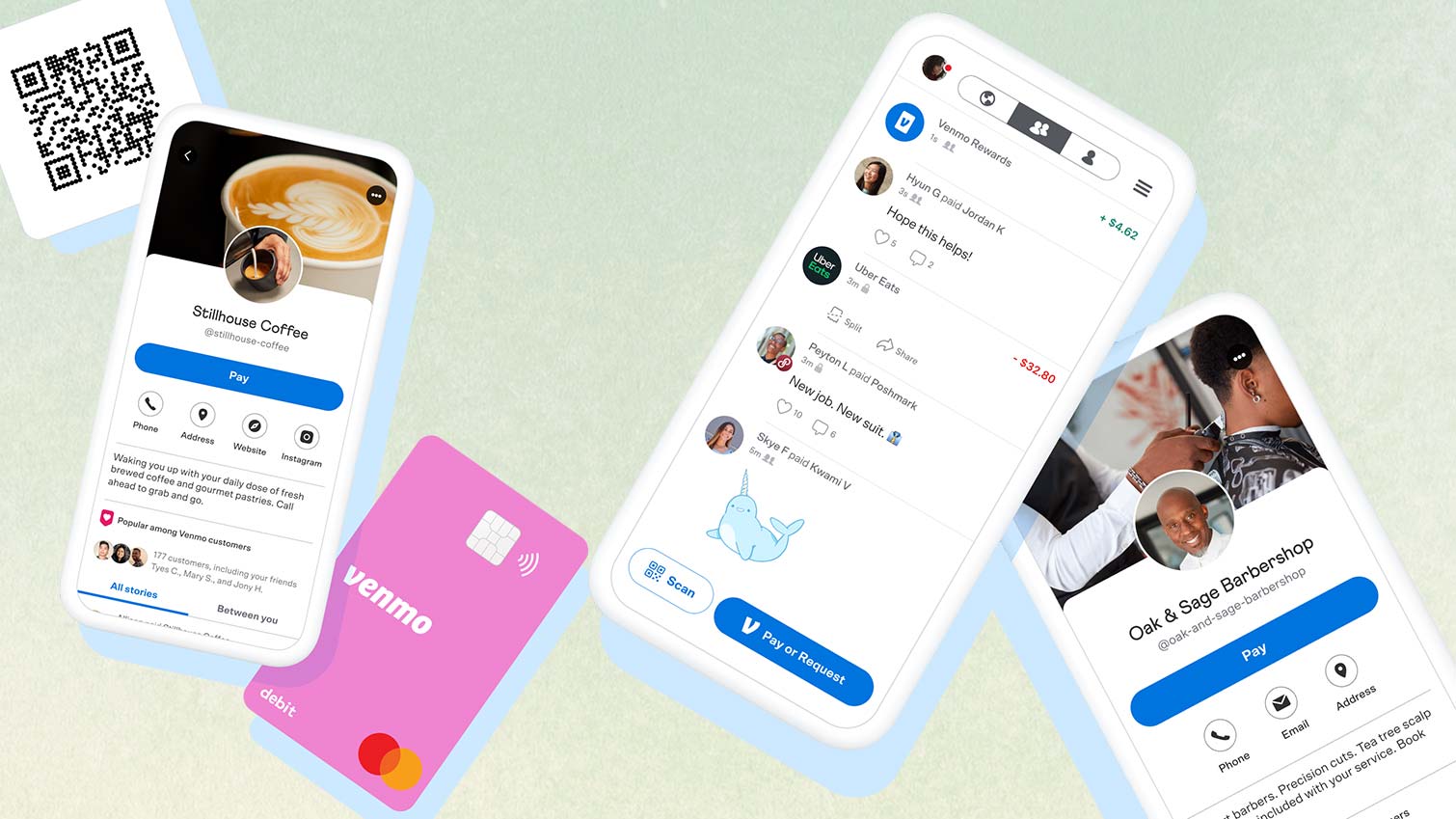
One notable expansion is the Venmo Debit Card, issued by Visa. This card allows users to spend their Venmo balance directly, or draw from a linked bank account, anywhere Visa debit cards are accepted. For users, this means their Venmo balance is no longer merely a holding account but a readily accessible source of funds for everyday purchases, effectively integrating their digital wallet into their physical spending habits. This feature bridges the gap between digital money transfers and traditional retail transactions, offering greater flexibility in how users access and deploy their funds.
Another significant development is the ability to create business profiles. This feature allows freelancers, small business owners, and individuals running side hustles to accept payments for goods and services. Instead of solely handling personal transactions, Venmo can serve as a legitimate payment gateway, streamlining income generation and financial record-keeping for independent contractors. This capability provides a cost-effective and accessible option for businesses to accept digital payments, contrasting with more complex and often pricier merchant services. However, it’s crucial for users to understand the associated fees for business transactions and ensure compliance with tax regulations, as this shifts Venmo from a casual P2P tool to a professional financial instrument.
Furthermore, Venmo has introduced features like direct deposit, enabling users to have their paychecks or government benefits deposited directly into their Venmo account. This transforms Venmo into more than just a supplementary payment app; for some, it can function as a primary banking alternative, especially for those seeking digital-first financial solutions. The addition of cryptocurrency buying and selling within the app, though separate from traditional money transfers, further illustrates Venmo’s ambition to become a comprehensive financial hub, allowing users to engage with emerging asset classes directly from their established digital wallet. Each of these expanded features requires a deeper understanding of their financial implications, from fees to security, making informed usage paramount.
Mastering the Art of Sending and Receiving Funds
The core utility of Venmo lies in its straightforward process for moving money. However, even simple transactions benefit from a clear understanding of each step, ensuring accuracy, security, and efficient financial management. From initial setup to cashing out, each action plays a role in your overall financial experience with the platform.
Setting Up Your Financial Gateway: Account Creation and Linking Funding Sources
Before any money can change hands, establishing your Venmo account is the crucial first step. This involves downloading the app and signing up, typically using your phone number or email, and creating a secure password. From a financial security perspective, choosing a strong, unique password and enabling two-factor authentication (2FA) is non-negotiable. 2FA adds an extra layer of protection, making it significantly harder for unauthorized individuals to access your funds, even if they somehow obtain your password.
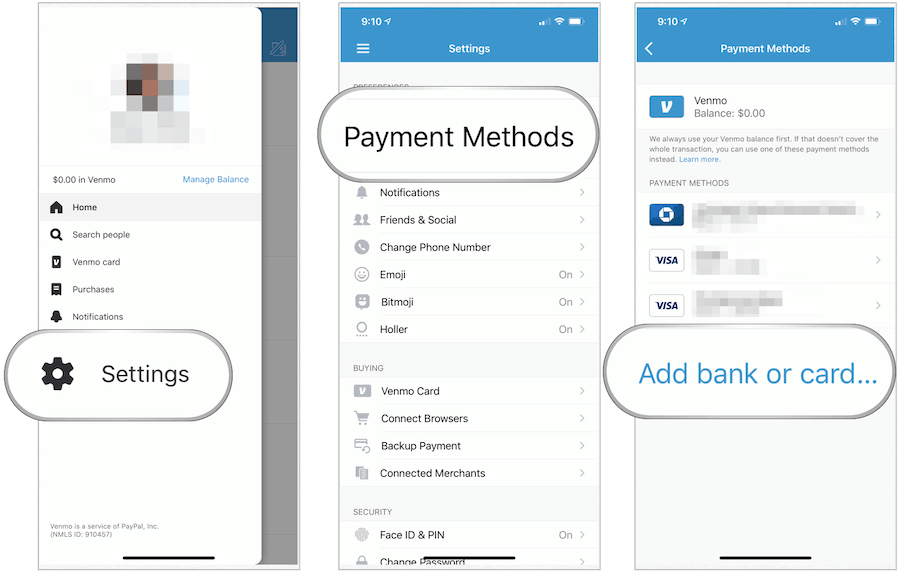
Once your account is active, the next critical step is linking a funding source. This is where your actual money management begins. Venmo allows you to link a bank account (via instant verification using your bank’s login or manual verification with micro-deposits) or a debit card. Linking a bank account is often preferred for larger transfers or for withdrawing your Venmo balance, as it typically incurs no fees for standard transfers. Debit card links offer immediate funds availability for sending money but may have small fees for instant transfers out of Venmo. Linking a credit card is also an option, but be aware that Venmo charges a 3% fee for sending money via a credit card, which can quickly erode the value of your payment and is generally not recommended for routine P2P transactions if fee-free alternatives are available. Strategically choosing and managing your linked funding sources is vital for cost-effective use of the platform.
The Seamless Process of Initiating a Payment
Sending money on Venmo is designed to be intuitive, yet a methodical approach ensures accuracy and avoids costly errors. The process typically involves:
-
Tapping the “Pay/Request” button: This is usually a central or prominent icon in the app, often a pencil and paper or a dollar sign.
-
Selecting the recipient: You can search for a user by their username, phone number, or email address. For ease and accuracy, ensure you are sending to the correct individual, especially if there are multiple users with similar names. A small error here can mean sending money to the wrong person, which can be difficult to reverse.
-
Entering the amount: Clearly input the exact monetary value you intend to send.
-
Adding a note: This is more than just a social gesture; it’s a critical financial record. Clearly state the purpose of the payment (e.g., “Dinner at Joe’s,” “Rent for May,” “Concert tickets”). This helps both you and the recipient track expenses and can be invaluable for future reference, budgeting, or even dispute resolution.
-
Choosing your privacy setting: Venmo defaults to public, meaning your transaction note (but not the amount) is visible to friends in their feed. You can change this to “Friends” or “Private.” For most financial transactions, especially those involving sensitive details or large sums, “Private” is the most financially prudent choice.
-
Selecting the funding source: Confirm which linked account or card you want to draw funds from. If you have a Venmo balance, it will be used first by default unless you specify otherwise.
-
Confirming the transaction: Before tapping “Pay,” double-check all details: recipient, amount, and purpose. Once sent, Venmo payments are often instant and irreversible, akin to handing over cash. This emphasis on pre-sending verification is paramount for financial responsibility.
Efficiently Managing Incoming Funds and Your Venmo Balance
Receiving money on Venmo is generally passive; when someone sends you funds, they automatically appear in your Venmo balance. You’ll typically receive a notification within the app and potentially via email or SMS, depending on your notification settings.
Your Venmo balance acts as a digital reservoir of funds. You have several options for managing this balance:
-
Spending directly: If you have the Venmo Debit Card, you can use your balance for purchases wherever Visa is accepted.
-
Sending to others: You can use your Venmo balance to make payments to other Venmo users without drawing from your linked bank account or debit card. This can be a useful way to circulate funds within your Venmo network.
-
Holding funds: You can choose to leave the money in your Venmo account. While convenient for frequent Venmo users, it’s generally not advised to keep large sums in your Venmo balance for extended periods. Venmo is not a bank; funds held there are not FDIC insured, meaning they are not protected in the same way bank deposits are if the company were to face financial distress.
For sound financial management, regularly reviewing your Venmo balance and making intentional decisions about how to utilize it is crucial. This proactive approach helps maintain control over your digital finances.
Cashing Out: Transferring Your Venmo Balance to Your Bank
The process of transferring funds from your Venmo balance to your linked bank account is often referred to as “cashing out.” This is a vital step for moving money from the digital ecosystem back into your traditional banking system, where it can be saved, invested, or used for larger expenses.
To initiate a transfer:
-
Navigate to the “Transfer” or “Manage Balance” section in the Venmo app.
-
Select “Transfer to Bank.”
-
Choose the amount you wish to transfer. You can transfer the entire balance or a partial amount.
-
Select your linked bank account. If you have multiple accounts linked, ensure you pick the correct one.
-
Choose your transfer speed:
-
Standard Transfer: This is typically free and takes 1-3 business days to process and appear in your bank account. This is the most financially prudent option for most users.
-
Instant Transfer: This option makes funds available in your linked debit card account (not directly to your bank account via routing number) usually within minutes, even on weekends and holidays. However, Venmo charges a small fee (typically 1.75% with a minimum of $0.25 and a maximum of $25) for this service. While convenient, the fee should be weighed against the urgency of accessing the funds.
-
Once you confirm the transfer, Venmo will process it according to your selected speed. It’s good practice to monitor your bank account to ensure the funds arrive as expected. Regularly transferring your Venmo balance to your bank account, especially larger sums, is a wise financial habit, minimizing risk and ensuring your money is held in an FDIC-insured institution.
Navigating Financial Prudence and Security on Venmo
While Venmo offers unparalleled convenience, its use, like any financial tool, comes with responsibilities. Exercising financial prudence and adhering to security best practices are paramount to protecting your money and personal information.
Understanding Venmo’s Fee Structure for Informed Decisions
One of Venmo’s appealing aspects is its often fee-free nature for standard P2P payments. However, it’s crucial for users to be aware of scenarios where fees do apply, as these can impact your overall financial transactions.
-
Sending money with a credit card: As mentioned, Venmo charges a 3% fee when you fund a payment using a linked credit card. This fee is significant and can quickly add up, making credit card-funded P2P transactions generally inefficient for personal finance. It’s usually better to link a debit card or bank account for these transfers.
-
Instant transfers to your bank: While standard transfers are free, choosing the instant transfer option for cashing out your Venmo balance incurs a fee (currently 1.75%, minimum $0.25, maximum $25). Factor this into your decision-making, especially for larger amounts where the fee can become substantial.
-
Business Profile payments: When using a Venmo Business Profile, a seller transaction fee (typically 1.9% + $0.10 per transaction) is applied to payments received for goods and services. This is a critical consideration for small businesses and freelancers, as it impacts revenue and pricing strategies.
-
Check cashing (for some users): Venmo offers a mobile check cashing service through a third party, which may include fees for instant access to funds from a check, similar to other check-cashing services.
Being aware of these fees allows you to make informed decisions, optimizing your usage to minimize costs and maximize the value of your transactions. Unwittingly incurring fees can gradually erode your financial resources.
Safeguarding Your Financial Information and Transactions
The digital nature of Venmo means that security is a continuous concern. Protecting your account is akin to protecting your physical wallet.
-
Strong, unique passwords and 2FA: This cannot be stressed enough. A complex password combined with two-factor authentication (requiring a code from your phone in addition to your password) is your first line of defense against unauthorized access.
-
Be wary of phishing scams: Scammers often try to trick users into revealing their login credentials or personal financial information through fake emails, texts, or websites impersonating Venmo. Always verify the sender and the legitimacy of links before clicking. Venmo will never ask for your password or personal information via unsolicited email or text.
-
Review transaction history regularly: Periodically check your Venmo transaction history for any unauthorized payments. Report suspicious activity to Venmo immediately.
-
Use private transactions for financial details: While the social feed is a unique feature, setting financially significant or sensitive transactions to “Private” protects your personal financial activities from public view.
-
Link only trusted financial accounts: Ensure any bank accounts or cards linked to Venmo are secure and belong to you. Regularly review linked accounts and remove any that are no longer in use or compromised.
-
Beware of overpayment scams: A common fraud involves a buyer “accidentally” overpaying for an item and asking for the excess to be Venmo’d back. The original payment often turns out to be fraudulent, leaving the seller out of both the item and the “refunded” money. Always verify payments thoroughly before refunding.
-
Only Venmo money to people you know and trust: Unlike traditional bank transfers that have some recourse for errors, Venmo payments are often instant and final. Sending money to strangers, especially for items purchased online, carries significant risk. Venmo is generally not intended for transactions with unknown parties.
Responsible Use: When and How to Utilize Venmo Effectively
The convenience of Venmo can sometimes lead to overuse or misapplication. Responsible use involves understanding its limitations and appropriate contexts.
-
Best for casual, trusted transactions: Venmo excels at splitting bills among friends, reimbursing family members, or contributing to group activities. These are typically low-risk transactions with known individuals.
-
Not ideal for large sums or complex payments: For significant financial transfers (e.g., down payments, large investments, business payroll), traditional bank transfers or wire services offer greater security, formal documentation, and often better recourse in case of errors. While Venmo has increased transaction limits, its design is still oriented towards smaller, frequent exchanges.
-
Avoid using for purchases from strangers: Venmo does not offer buyer protection for goods and services purchased from unknown sellers, unlike PayPal’s standard services. If a transaction goes wrong, you have little recourse through Venmo. For online purchases, credit cards or platforms with explicit buyer protection are safer.
-
Track your spending: Integrate your Venmo transactions into your personal budgeting framework. Many budgeting apps can link to Venmo, providing a more holistic view of your financial inflows and outflows. Categorizing your transactions in the Venmo note section can also aid in later budgeting analysis.
The Financial Implications of Public vs. Private Transactions
Venmo’s social feed is a distinctive feature, allowing users to share transaction notes (minus the amount) publicly, with friends, or privately. While public sharing might seem innocuous, it has financial and privacy implications.
-
Privacy concerns: Public transactions can inadvertently reveal spending habits, social circles, and even locations. For example, a note like “Drinks at [bar name]” publicly displays your activity.
-
Financial security risks: Revealing too much information, even seemingly trivial details, could potentially be pieced together by malicious actors for phishing attempts or social engineering scams.
-
Professional image: If you use Venmo for both personal and professional transactions (e.g., a side hustle), ensuring business-related payments are handled privately or through a dedicated business profile is crucial to maintain a professional appearance.
Always default to “Private” for any transaction that has financial implications, contains sensitive information, or simply doesn’t need to be broadcast. Public transactions should be reserved for lighthearted, non-sensitive exchanges where you are comfortable with the visibility.
Integrating Venmo into Your Holistic Financial Strategy
Venmo, when used strategically, can be a powerful component of a broader financial plan. Its capabilities extend beyond simple money transfers, offering avenues for better budgeting, supporting income streams, and fitting into a diverse digital payment landscape.
Leveraging Venmo for Budgeting and Expense Tracking
Effective budgeting hinges on accurately tracking all income and expenses. Venmo, as a significant conduit for casual spending and receiving funds, can play a crucial role here.
-
Transaction clarity: By diligently adding descriptive notes to every payment (e.g., “Dinner w/ Sarah,” “Rent share – Oct,” “Freelance payment – website design”), you create a clear ledger of your financial activity within the app. This makes it easier to recall specific expenses or income sources when reviewing your budget.
-
Integration with budgeting tools: Many personal finance and budgeting apps offer integration with Venmo, automatically importing your transactions. This consolidates all your spending data in one place, providing a holistic view of where your money is going, including those smaller, frequent Venmo transactions that might otherwise be overlooked.
-
Categorization insights: Reviewing your Venmo activity can reveal spending patterns in categories like dining out, entertainment, or shared household expenses. This data is invaluable for identifying areas where you might be overspending and adjusting your budget accordingly. For instance, if you notice a significant portion of your Venmo payments are for restaurant meals, it might signal an opportunity to cook at home more often.
-
Group spending reconciliation: For shared expenses (e.g., vacations, household bills), Venmo helps maintain a clear record of who paid what and who owes whom. This simplifies reconciliation and ensures fairness among parties, preventing financial misunderstandings that can strain relationships.
Exploring Venmo for Side Hustles and Small Business Payments
For individuals engaged in side hustles, freelance work, or operating micro-businesses, Venmo offers an accessible and low-cost solution for accepting payments.
-
Business Profile: Utilizing Venmo’s dedicated Business Profile feature is essential. This separates personal and business transactions, simplifying financial record-keeping for tax purposes and providing clients with a professional payment option. Business profiles also offer features like QR codes for easy payments and transaction history specifically for business income.
-
Cost-effective payment processing: Compared to traditional merchant services, Venmo’s fees for business transactions are often lower and simpler to understand, making it an attractive option for startups or very small businesses with limited processing needs.
-
Ease of client payment: Many clients are already familiar with Venmo, making it a convenient payment method that reduces friction. This can lead to faster payments and improved cash flow for the business owner.
-
Tax implications: It’s crucial for users leveraging Venmo for income to understand their tax obligations. Venmo (and PayPal) reports payments for goods and services to the IRS once certain thresholds are met (e.g., over $600 in a calendar year). Proper record-keeping and potentially consulting with a tax professional are vital to ensure compliance and avoid financial penalties. Categorizing payments correctly (personal vs. business) is key.
Venmo’s Place in Your Broader Digital Payment Portfolio
In today’s diverse financial landscape, Venmo is rarely the only digital payment tool an individual uses. It typically coexists with other apps like PayPal, Zelle, Cash App, and traditional banking services. Understanding Venmo’s niche helps in strategically choosing the right tool for each financial situation.
-
Complementary rather than exclusive: Venmo often complements other services. For example, Zelle is frequently integrated directly into bank apps for bank-to-bank transfers, which might be preferred for larger, more formal transfers. PayPal offers broader buyer/seller protection, making it more suitable for online purchases from unknown merchants. Cash App has unique features like Bitcoin trading and fractional stock investing.
-
Specific use cases: Venmo shines in social, informal P2P payments and for quick, small-scale business transactions where client familiarity is high. It’s often the go-to for splitting a restaurant bill, but less so for paying rent directly to a landlord who prefers bank transfers.
-
Diversification of tools: A well-rounded financial strategy often involves diversifying payment tools based on security, speed, fees, and recipient preferences. Relying solely on one platform for all financial needs might limit flexibility or expose you to unnecessary risks or costs.
Future Trends: Evolving Financial Management with Digital Wallets
The trajectory of digital payment platforms like Venmo points towards an increasingly integrated and comprehensive financial ecosystem.
-
Increased functionality: Expect more banking-like features, investment options, and integration with budgeting tools directly within these apps. The line between traditional banks and digital wallets will continue to blur.
-
Enhanced security: As digital payments become more central, security measures, including biometric authentication, advanced fraud detection, and robust data encryption, will continue to evolve and become more sophisticated.
-
Seamless integration with e-commerce: Digital wallets are becoming increasingly intertwined with online and in-store shopping experiences, making payments effortless.
-
Global reach: While Venmo is primarily U.S.-focused, the broader trend is towards international P2P payments and cross-border financial services, mirroring the globalized economy.
-
Financial literacy demands: As these tools grow in complexity and scope, the demand for user financial literacy will increase. Understanding fees, security protocols, and the best use cases for each feature will be crucial for maintaining financial well-being.
Mastering “how do you Venmo money” is more than just learning app navigation; it’s about confidently integrating a powerful digital tool into your personal financial strategy. By understanding its features, potential costs, security measures, and place within your broader financial ecosystem, you can leverage Venmo to enhance convenience, streamline transactions, and maintain greater control over your money in the digital age.
aViewFromTheCave is a participant in the Amazon Services LLC Associates Program, an affiliate advertising program designed to provide a means for sites to earn advertising fees by advertising and linking to Amazon.com. Amazon, the Amazon logo, AmazonSupply, and the AmazonSupply logo are trademarks of Amazon.com, Inc. or its affiliates. As an Amazon Associate we earn affiliate commissions from qualifying purchases.