
In an increasingly digital financial landscape, peer-to-peer payment apps like Cash App have become indispensable tools for managing personal finances, sending money, and making everyday purchases. At the heart of Cash App’s versatility is the Cash App Card – a free, customizable debit card linked directly to your Cash App balance, powered by Visa. It allows users to spend funds from their Cash App balance anywhere Visa debit cards are accepted, providing a bridge between your digital wallet and the physical world.
However, a common question arises for many users: how do I get cash onto my Cash App Card if I primarily deal in physical currency, or need to load money from a source that isn’t a direct bank transfer? The ability to load cash onto your Cash App Card at retail locations is a crucial feature that enhances its accessibility and utility, especially for those who receive cash payments, prefer budgeting with physical money, or simply don’t have a traditional bank account linked. This guide delves into the specifics, illuminating the stores and processes involved, empowering you with the knowledge to seamlessly fund your Cash App account and make the most of your Cash App Card.

We will explore the underlying mechanics of cash loading, identify the major retail chains that offer this service, discuss the practical considerations such as fees and limits, and touch upon alternative methods to ensure your Cash App balance is always ready when you are. Understanding these options is key to leveraging Cash App as a comprehensive financial tool, bridging the gap between your physical cash and your digital spending power.
Understanding Cash App Card Loading Mechanics
While the concept of “loading a Cash App Card” might seem straightforward, it’s important to understand the actual mechanism at play. When you deposit cash at a retail location, you’re not physically putting money onto the card itself in the same way you might with a traditional prepaid card. Instead, you are adding funds directly to your Cash App balance, and since your Cash App Card draws from this balance, the money becomes instantly available for use with your card.
How Cash App Cards Work for Loading
The Cash App Card functions as a direct extension of your Cash App account balance. Unlike some other debit cards where funds might be held separately or require a specific transfer to the card, any money you have in your Cash App balance is immediately accessible via your Cash App Card. Therefore, “loading your Cash App Card” is synonymous with “adding cash to your Cash App balance.”
Cash App offers several ways to fund your account, including linking a bank account, direct deposit of paychecks, or receiving money from other Cash App users. However, for those who need to deposit physical cash, the process involves a retail partner. These partners facilitate the conversion of your physical currency into digital funds within your Cash App account. This method is particularly beneficial for individuals who receive wages in cash, those without traditional bank accounts, or anyone needing to quickly convert cash into spendable digital funds. The convenience of this system means you can be paid in cash one moment and use your Cash App Card for online purchases or bill payments the next.
The Role of Third-Party Services in Cash Deposits
Cash App does not directly handle cash deposits at brick-and-mortar stores. Instead, they partner with established third-party payment processing networks that have existing relationships with thousands of retail locations. The most prominent of these services for Cash App is often through providers like Green Dot, InComm, or similar networks. These networks have built the infrastructure to facilitate cash-to-digital conversions at points of sale across various retailers.
When you go to a participating store to load cash, you’ll typically interact with a cashier or customer service representative who will use their existing point-of-sale system to process your deposit. You might be asked to present your physical Cash App Card or, more commonly, a unique barcode generated within your Cash App for the deposit. This barcode acts as an identifier, linking the cash you hand over directly to your specific Cash App account. The third-party service then acts as the intermediary, ensuring the funds are debited from the store’s register and credited to your Cash App balance, usually within minutes. This seamless integration allows Cash App to offer a widespread cash deposit service without needing to establish its own physical presence in retail. It leverages the existing financial infrastructure of major retailers, making the process efficient and accessible to a broad user base.
Major Retailers That Support Cash App Card Loading
The widespread availability of cash loading services for Cash App cards is largely due to partnerships with an extensive network of major retailers across the United States. These partnerships leverage existing store infrastructure and payment processing systems, making it incredibly convenient for users to convert physical cash into digital funds. Identifying these locations is crucial for anyone looking to fund their Cash App balance quickly and easily.
Grocery Stores and Supercenters
Many of the largest grocery store chains and supercenters across the country offer Cash App cash loading services. These locations are often ideal due to their extended hours, multiple service points, and widespread presence.
-
Walmart: As one of the largest retailers globally, Walmart is a primary location for Cash App card loading. Users can typically go to the customer service desk or the MoneyCenter to initiate a cash deposit. The process usually involves generating a barcode within the Cash App, which the cashier scans, followed by handing over the cash. Walmart’s extensive footprint makes it a highly convenient option for many.
-
Kroger Family of Stores: This includes Kroger, Ralphs, King Soopers, Fred Meyer, Fry’s, and other regional banners. Many of these stores have dedicated money service counters or can process cash loads at the main customer service desk.
-
Other Major Grocers: Depending on your region, stores like Safeway, Albertsons, Meijer, H-E-B, Giant Eagle, and others that utilize Green Dot or similar payment networks may also offer this service. It’s always advisable to check the “Paper Money” section in your Cash App to locate the nearest participating store.
The process at these larger stores generally involves a designated service area, which can sometimes mean a slight wait, but it ensures a secure and verified transaction.
Drugstores and Convenience Stores
For quick, everyday cash loads, drugstores and convenience stores are excellent choices due to their ubiquity and often faster transaction times. These locations are designed for efficiency, making them perfect for on-the-go deposits.
-
Walgreens: A ubiquitous presence in many neighborhoods, Walgreens stores are reliable locations for loading cash onto your Cash App. Simply head to the checkout counter, present your barcode or card, and the cashier can process the deposit.
-
CVS Pharmacy: Similar to Walgreens, CVS offers extensive coverage and convenient hours. Cash App users can usually complete their cash deposits at any checkout lane.
-
Rite Aid: Another major drugstore chain, Rite Aid also participates in the network that allows Cash App cash loads, offering another accessible option for users.
-
7-Eleven: As one of the largest convenience store chains, 7-Eleven provides a quick and easy way to add cash to your Cash App balance, often available 24/7 in many locations.
-
Dollar General & Family Dollar: These discount retailers are often found in areas underserved by larger grocers, providing essential access to cash loading services for many communities.
The process at drugstores and convenience stores is typically very straightforward: present your barcode to the cashier, hand over your cash, and the transaction is usually completed within moments.
Other Participating Retailers
Beyond the major grocery and drugstore chains, a variety of other retailers also support Cash App card loading, further expanding the network of access points. These can include:
-
Ace Hardware: Selected Ace Hardware locations participate in the cash loading network, offering a less conventional but potentially convenient option for some users.
-
Pilot Flying J / Speedway / TravelCenters of America: For those on the road, truck stops and travel centers often provide cash loading services, which can be incredibly useful for travelers or professional drivers.
-
Regional Chains and Independent Stores: The reach of third-party payment networks extends to numerous smaller, regional chains and even independent convenience stores. The best way to discover these locations is by utilizing the in-app map feature provided by Cash App, which gives real-time, localized information on participating stores.
No matter the type of store, the underlying mechanism remains consistent: verify the store’s participation via the Cash App, generate your deposit barcode, present it to the cashier with your cash, and ensure you receive a receipt. This diverse network ensures that most Cash App users are never too far from a convenient location to load cash onto their accounts.
Practical Considerations and Best Practices for Loading Cash
While the convenience of loading cash onto your Cash App Card at retail stores is undeniable, there are several practical considerations and best practices that users should be aware of to ensure a smooth and secure transaction. Understanding these aspects can help avoid frustration and ensure your funds are deposited successfully.
Fees, Limits, and Processing Times

-
Fees: Most retail locations will charge a service fee for cash deposits. This fee typically ranges from $4 to $5 per transaction. It’s crucial to factor this into your budget, especially if you plan on making frequent, smaller deposits. While this might seem high for small amounts, it covers the cost of facilitating the cash-to-digital conversion service. Always confirm the fee with the cashier or check your Cash App before initiating the transaction.
-
Limits: Cash App, along with its third-party partners and retailers, imposes limits on how much cash you can deposit within certain timeframes. These limits are subject to change but typically include:
-
Per Transaction Limit: Often around $500 to $1,000.
-
Daily Limit: Commonly $1,000.
-
Weekly Limit: Typically $4,000.
-
Monthly Limit: Often $5,000 to $10,000.
These limits are in place for security reasons and to comply with financial regulations. If you attempt to deposit an amount exceeding these limits, the transaction will be declined. Ensure you are aware of your current limits by checking the Cash App support section or attempting a simulated deposit in the app.
-
-
Processing Times: In most cases, cash deposits are processed very quickly. Funds typically appear in your Cash App balance within a few minutes of completing the transaction at the store. However, on rare occasions, there might be slight delays due to network issues or system maintenance. It’s always wise to allow up to an hour for the funds to reflect, especially during peak times.
What You Need to Bring for a Cash Deposit
To ensure a successful and hassle-free cash deposit, gather these items before heading to the store:
-
Your Cash App Account and Barcode: You will need to access your Cash App on your smartphone. Navigate to the “Paper Money” section (often found by tapping the banking tab and then “Deposit Paper Money”) to generate a unique barcode for your deposit. This barcode is essential as it links the cash to your specific account. While some stores might allow you to swipe your physical Cash App Card, the barcode method is more common and reliable for cash deposits.
-
The Cash You Wish to Deposit: Ensure the cash is in good condition (not excessively torn or damaged) and in denominations the store can easily accept. Most stores prefer standard bills.
-
Government-Issued Photo ID (Optional but Recommended): While not always required for every transaction, particularly smaller ones, some retailers or specific third-party services may ask for a valid government-issued photo ID (like a driver’s license or state ID) for verification purposes, especially for larger deposit amounts or if it’s your first time at a particular location. It’s good practice to have it with you to avoid any potential delays.
-
Patience and Politeness: Retail staff are there to help, but sometimes systems can be slow or unfamiliar. A little patience and a polite demeanor can go a long way.
Verifying Your Account and Avoiding Issues
To maximize your deposit limits and ensure smooth transactions, make sure your Cash App account is fully verified. This typically involves providing your full name, date of birth, and the last four digits of your Social Security Number. Verified accounts often have higher transaction limits and access to all of Cash App’s features.
After completing a cash deposit, always:
-
Keep Your Receipt: This is your proof of transaction. If there’s any discrepancy or delay in your funds appearing, the receipt will be crucial for resolving the issue with either the store or Cash App support.
-
Check Your Cash App Balance: Immediately after the transaction, check your Cash App balance to confirm the funds have been added.
-
Contact Support if Funds are Missing: If the funds do not appear within a reasonable timeframe (e.g., an hour), first re-check your receipt for any errors. Then, contact the customer service of the store where you made the deposit. If they cannot resolve it, contact Cash App Support directly with your transaction details and receipt information.
By adhering to these practical considerations and best practices, users can confidently and efficiently load cash onto their Cash App Cards, ensuring their digital wallet is always topped up and ready for use.
Alternatives to Cash Deposits for Funding Your Cash App
While the ability to load cash at retail stores offers unparalleled convenience for many, it’s just one of several ways to fund your Cash App account. For users with traditional banking relationships or those who primarily deal with digital transactions, several other methods offer even greater ease, often with no fees and higher limits. Understanding these alternatives ensures you can choose the most efficient and cost-effective way to keep your Cash App balance healthy.
Linking Bank Accounts
The most common and often preferred method for funding your Cash App is by linking a traditional bank account. This process is secure, straightforward, and allows for direct transfers between your bank and your Cash App balance.
-
Instant Transfers: Once your bank account is linked, you can initiate instant transfers from your bank to your Cash App. These transfers usually complete within seconds, making funds immediately available. While Cash App offers an “instant deposit” option from Cash App to your bank for a fee, transfers to Cash App from a linked bank account are typically free.
-
Setting Up Direct Deposit: For those who receive regular paychecks, government benefits, or other recurring payments, setting up direct deposit to your Cash App account is an excellent option. Cash App provides an account and routing number that you can give to your employer or benefits provider. This allows funds to be deposited directly into your Cash App balance, often up to two days earlier than traditional banks. This method is completely free and eliminates the need for manual transfers or cash deposits.
-
Connecting Debit Cards: You can also link a debit card directly to your Cash App account. This allows for quick additions of funds from your associated bank account directly into Cash App. It’s often used for smaller, quick top-ups.
Linking a bank account provides the highest degree of flexibility and often the lowest cost for funding, making it the primary choice for most users who have a traditional banking relationship.
Receiving Funds from Other Cash App Users
Cash App’s core functionality is peer-to-peer payments, making it incredibly easy to receive money from friends, family, or even customers who also use the app.
-
Peer-to-Peer Transfers: If someone owes you money or wants to send you funds, they can simply send it directly to your unique $Cashtag. These transfers are typically instantaneous and free, with the funds appearing in your Cash App balance immediately. This is a highly convenient way to add money, especially when dealing with personal transactions or small business payments.
-
Requesting Money: You can also use Cash App to request money from others. Simply enter the amount you’re owed and send a request to their $Cashtag or phone number. Once they approve, the funds will be transferred to your account.
This method is ideal for social transactions, splitting bills, or receiving reimbursements without any fees or delays.
Selling Bitcoin (if applicable)
For users who engage with cryptocurrency, Cash App also provides the ability to buy and sell Bitcoin directly within the app. If you have Bitcoin holdings within your Cash App account, you can sell them, and the proceeds will be added to your Cash App balance.
-
Bitcoin Sales: When you sell Bitcoin through Cash App, the corresponding fiat currency value (e.g., USD) is deposited into your Cash App balance. This means if you have appreciated Bitcoin holdings, selling them can be another way to fund your Cash App Card for everyday spending.
-
Investment to Spending: This feature seamlessly integrates investment activity with spending capability, allowing users to leverage their crypto assets for real-world transactions without needing to withdraw to an external bank account first.
It’s important to note that Bitcoin prices are volatile, and selling Bitcoin involves market risks. However, for those already invested, it offers a distinct method of account funding.
By offering a diverse range of funding options – from linking bank accounts and direct deposits to peer-to-peer transfers and even Bitcoin sales – Cash App ensures that users can manage their finances in a way that best suits their individual needs and preferences. While cash deposits at retail stores provide a vital service for converting physical currency, these digital alternatives offer greater speed, lower costs, and higher limits for the majority of Cash App users.
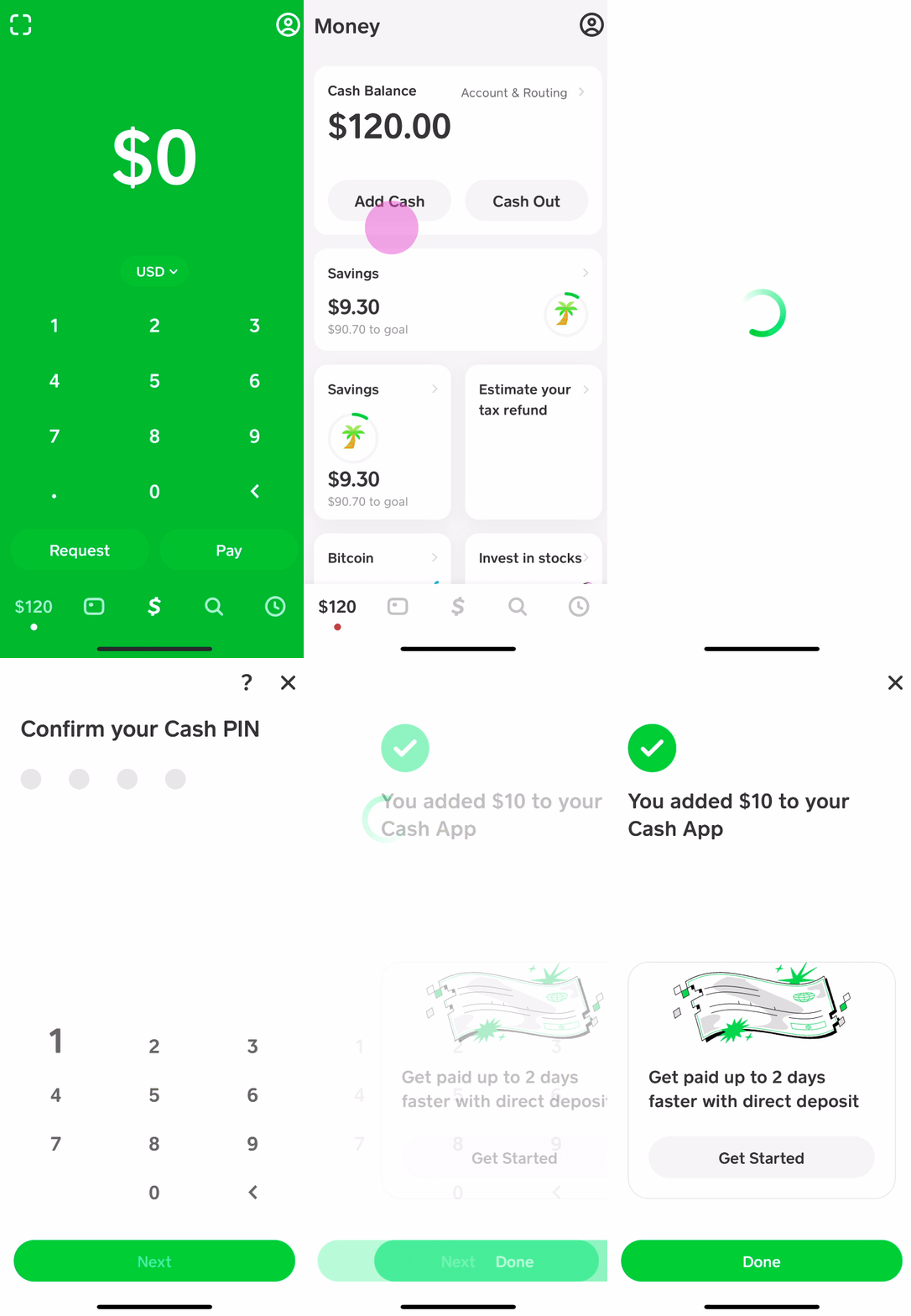
Conclusion: Empowering Your Financial Flexibility with Cash App
The Cash App Card has revolutionized how millions manage their daily finances, offering a powerful blend of digital convenience and traditional debit card utility. A cornerstone of its widespread appeal is the flexibility it provides in loading funds, particularly for those who frequently handle physical cash or require immediate access to their money without a traditional bank account. Understanding “what stores load Cash App cards” is not just about finding a location; it’s about unlocking a crucial pathway to financial inclusion and control.
As we’ve explored, a vast network of major retailers across the U.S. – from expansive supercenters like Walmart and Kroger to ubiquitous drugstores like Walgreens and CVS, and even numerous convenience stores – stand ready to facilitate cash deposits. These partnerships with third-party payment networks ensure that converting your physical currency into spendable digital funds on your Cash App Card is a process that’s both accessible and efficient. This convenience is invaluable, enabling users to seamlessly integrate their cash earnings or preferences into a modern, mobile-first financial ecosystem.
However, informed use requires an awareness of the practicalities. Always remember to factor in the typical $4-$5 service fee per transaction, adhere to the daily, weekly, and monthly deposit limits, and keep a close eye on your processing times. Ensuring your Cash App account is verified and always holding onto your transaction receipts are critical best practices that safeguard your funds and streamline any potential issue resolution.
Beyond cash deposits, Cash App reinforces its commitment to financial flexibility through a comprehensive suite of alternative funding methods. Linking your bank account for free, instant transfers, setting up direct deposit for your paycheck, or leveraging the app’s peer-to-peer payment capabilities are often more cost-effective and higher-limit options for those with digital financial access. Even for the crypto-savvy, selling Bitcoin within the app provides another unique avenue to fund your balance.
Ultimately, the ability to load cash onto your Cash App Card at a multitude of retail locations significantly broadens its utility, making it a truly versatile financial tool for a diverse user base. Whether you’re topping up your balance with cash from a side hustle, receiving funds from friends, or setting up direct deposit from your employer, Cash App empowers you to manage your money with unparalleled ease and adaptability. By choosing the funding method that best suits your needs, you can ensure your Cash App balance is always ready, keeping you connected to your finances and the wider economy with confidence and convenience.
aViewFromTheCave is a participant in the Amazon Services LLC Associates Program, an affiliate advertising program designed to provide a means for sites to earn advertising fees by advertising and linking to Amazon.com. Amazon, the Amazon logo, AmazonSupply, and the AmazonSupply logo are trademarks of Amazon.com, Inc. or its affiliates. As an Amazon Associate we earn affiliate commissions from qualifying purchases.