
In the rapidly evolving landscape of digital finance, peer-to-peer (P2P) payment platforms have transitioned from simple tools for splitting dinner bills into robust ecosystems for comprehensive money management. Cash App, owned by Block, Inc., stands at the forefront of this revolution. While most users associate the platform with direct bank transfers and debit card transactions, the ability to integrate a credit card into the mix offers a layer of financial flexibility that is often underutilized. Understanding how to use a credit card with Cash App is not merely a technical exercise; it is a strategic financial decision that requires an understanding of liquidity, fee structures, and credit health.
Linking a credit card to your digital wallet can serve as a vital bridge during cash flow gaps or as a tool for consolidating spending. However, the convenience comes with specific costs and regulatory nuances that every savvy consumer should master. This guide explores the mechanics, the financial implications, and the strategic advantages of leveraging your credit line within the Cash App environment.
Understanding the Fundamentals of Linking a Credit Card to Cash App
Before diving into the transactional aspects, it is essential to understand the structural requirements of the platform. Cash App operates primarily on a “debit-first” architecture. This means that before you can unlock the ability to use a credit card, the platform typically requires a verified bank account or a linked debit card. This serves as a security measure and a primary funding source for the account.
The Setup Process: Step-by-Step
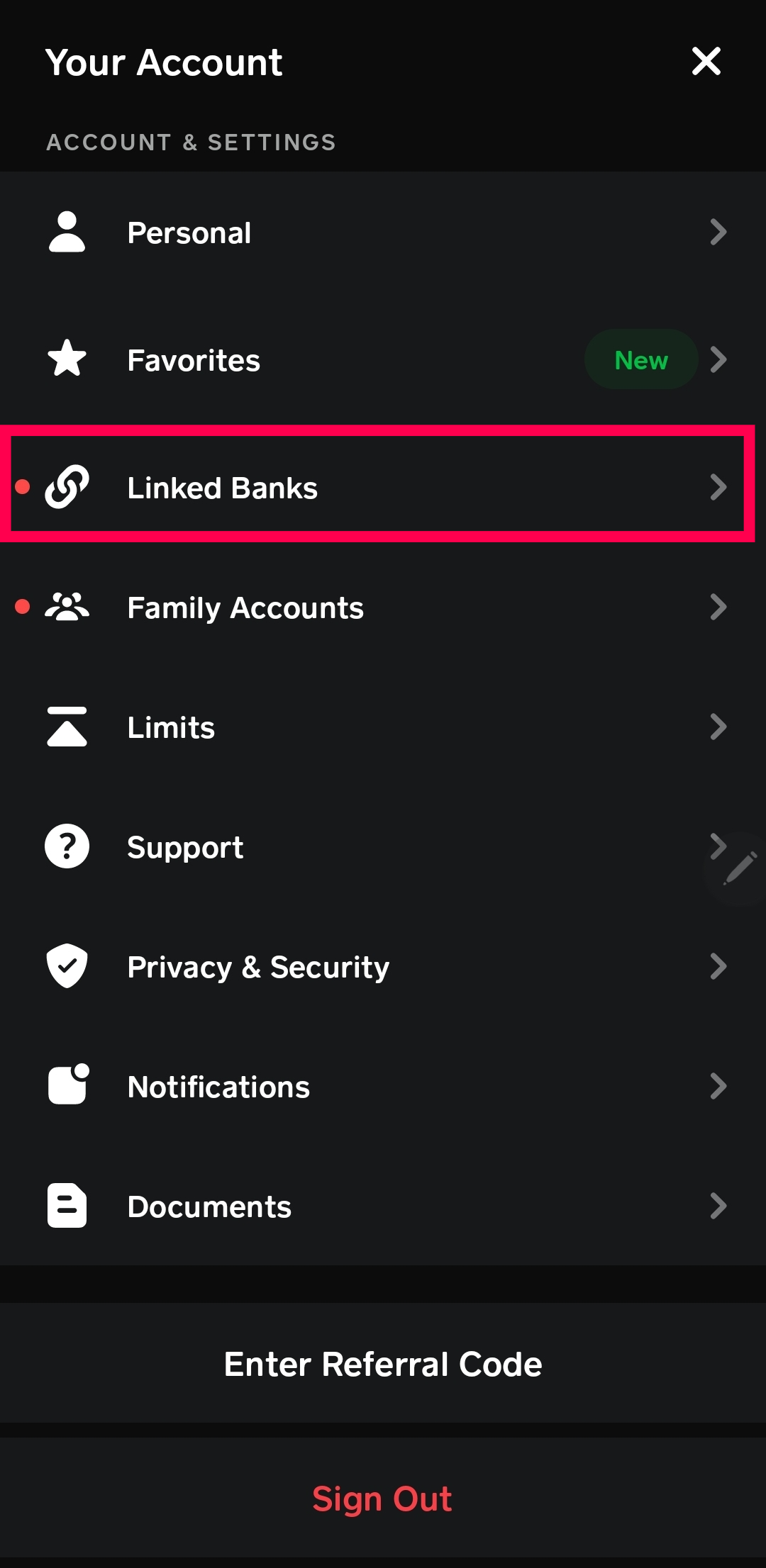
The technical process of adding a credit card is designed to be intuitive, yet it requires precision to ensure the card is recognized correctly by the system’s backend. To begin, open the application and navigate to the “Banking” or “My Cash” tab, usually represented by a bank icon or a dollar amount on the home screen.
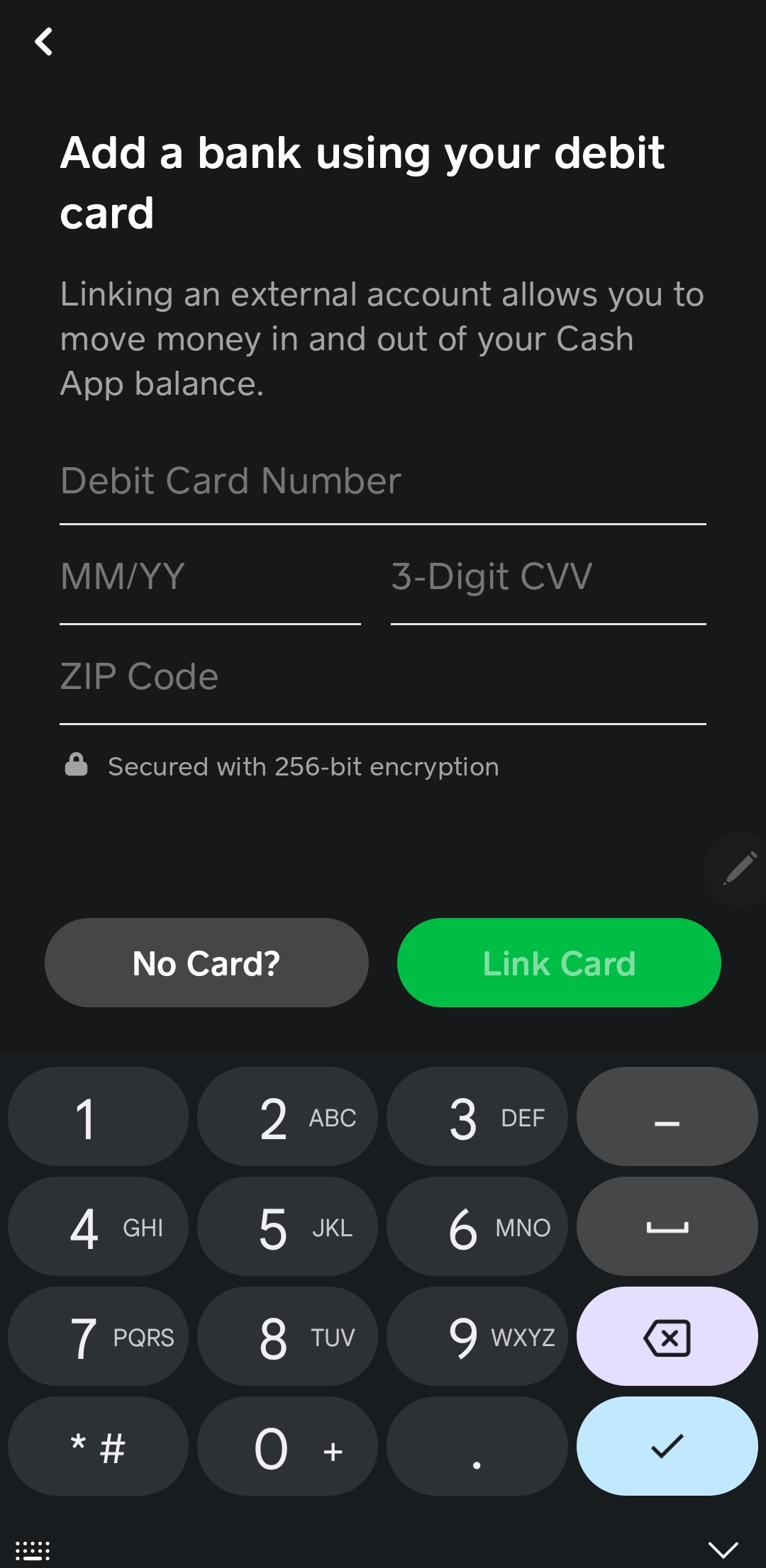
From there, you will find a section labeled “Linked Banks” or “Linked Accounts.” If you already have a debit card linked, you will see an option to “Link Credit Card.” Upon selecting this, you will be prompted to enter your card details: the 16-digit number, expiration date, CVV, and zip code. Once verified, the credit card will appear as a funding option when you initiate a payment. It is important to note that Cash App currently supports major card networks including Visa, Mastercard, American Express, and Discover.
Compatibility and Limitations
While the setup is straightforward, not every credit card is treated equally. Most standard consumer credit cards will link without issue. However, specialized cards—such as certain corporate cards, prepaid cards that lack a registered billing address, or cards from smaller regional credit unions with strict P2P restrictions—may be declined.
Furthermore, users must realize that adding a card does not automatically mean they can bypass Cash App’s internal sending limits. For unverified accounts, these limits are quite low. To fully utilize a credit card for larger financial maneuvers, you must complete the identity verification process, which involves providing your full name, date of birth, and the last four digits of your Social Security Number. This transparency is a cornerstone of modern financial security and “Know Your Customer” (KYC) regulations.
Navigating the Costs: Fees, Interest, and Financial Implications
The most critical aspect of using a credit card on Cash App is the cost-benefit analysis. Unlike debit card transactions, which are generally free for standard P2P transfers, credit card transactions incur specific overheads. For a user focused on personal finance optimization, these fees are the primary hurdle to clear.
Cash App’s Transaction Fees
When you send money using a linked credit card, Cash App charges a flat 3% fee on the total transaction amount. This fee is standard across the industry for P2P platforms (similar to Venmo) and is designed to cover the processing costs charged by the credit card networks.
For example, if you send $100 to a friend using your credit card, the total charge to your card will be $103. While 3% may seem negligible for small, one-off payments, it becomes a significant drag on capital for larger transfers. If you are using Cash App to pay for a high-ticket item or a monthly rent payment, that 3% can quickly negate any rewards or “cash back” perks the credit card itself might offer.
Credit Card Issuer Charges: The Cash Advance Risk
Beyond the 3% platform fee, there is a more significant financial risk: how your credit card issuer categorizes the transaction. In the eyes of many banks (such as Chase, Amex, or Citi), sending money via a P2P app using a credit card can sometimes be coded as a “Cash Advance” rather than a “Purchase.”
A cash advance is one of the most expensive ways to borrow money. Unlike standard purchases, cash advances usually have:
-
Higher Interest Rates: Often 25% APR or higher, significantly higher than the standard purchase APR.
-
No Grace Period: Interest begins accruing the moment the transaction is processed; there is no “30-day window” to pay it off interest-free.
-
Flat Advance Fees: The bank may charge an additional fee (often 5% or a minimum of $10) on top of what Cash App charges.
To mitigate this, users should contact their card issuer to determine how P2P transfers are coded. Some cards treat these as purchases if they are for goods and services, while others default to cash advances for all P2P activity.
Strategic Uses for Credit Cards on Cash App
Despite the fees, there are several scenarios where using a credit card with Cash App is a sound financial strategy. The key is to use the tool intentionally rather than out of habit.
Managing Cash Flow in Emergencies
The primary advantage of a credit card is liquidity. In a scenario where an urgent bill must be paid and your checking account is temporarily depleted—perhaps while waiting for a paycheck—Cash App allows you to utilize your credit limit to settle the debt immediately. In this context, the 3% fee acts as a “convenience fee” for short-term liquidity. Compared to the cost of a late fee on a utility bill or the predatory interest rates of a payday loan, a 3% charge is a relatively affordable way to manage a temporary cash crunch.
Leveraging Rewards and Building Credit History
For those who are disciplined with their finances, using a credit card on Cash App can be a way to reach “minimum spend” requirements for lucrative sign-up bonuses. If you have a new card that requires you to spend $3,000 in three months to earn a massive points bonus, using the card for necessary P2P transfers can help you reach that goal.
Furthermore, since these transactions appear on your credit card statement, they contribute to your total credit utilization and payment history. As long as you pay off the balance in full each month, you are effectively using your P2P activity to build a stronger credit profile, which is essential for securing lower interest rates on future mortgages or auto loans.
Security and Best Practices for Digital Wallet Integration
Integrating a high-limit credit card with a mobile app necessitates a heightened focus on security. Because Cash App is linked directly to your financial identity, it is a frequent target for phishing and social engineering.
Protecting Your Financial Data
To secure your integrated accounts, you must enable every available security layer within the Cash App settings. This includes:
-
Security Lock: Require a PIN or biometric (FaceID/TouchID) for every payment.
-
Notification Alerts: Enable push notifications and email alerts for every transaction so you can spot unauthorized activity instantly.
-
Two-Factor Authentication (2FA): Ensure your linked email and phone number are secured.
Unlike traditional credit card transactions where you can easily “chargeback” a fraudulent purchase through your bank, P2P transfers are often treated like cash. Once the money is sent, it is very difficult to recover. Therefore, you should only send money to recipients you know and trust.
Avoiding Common Pitfalls and Overspending
The psychological “friction” of spending is reduced when using a digital wallet. When you link a credit card, you are no longer limited by the balance in your bank account, which can lead to lifestyle creep or impulsive spending. To maintain financial health, treat your Cash App credit card usage as a part of your formal budget. Track these transactions separately to ensure the 3% fees aren’t quietly eroding your monthly savings goals.
Comparing Alternatives and Optimizing Your Financial Stack
While Cash App is a powerful tool, it is one piece of a larger financial puzzle. Users should regularly compare the costs of using a credit card on Cash App versus other methods. For instance, if you are paying a business, they might accept the credit card directly through a processor like Square or Stripe, potentially saving you the P2P fee.
Alternatively, if you are looking to send money internationally, specialized services might offer better exchange rates and lower fees than a US-centric credit card link. However, for domestic, instantaneous transfers where speed is the priority, the Cash App-credit card duo remains one of the most efficient combinations available.
In conclusion, using a credit card with Cash App is a sophisticated maneuver in the world of personal finance. It offers a unique blend of immediate liquidity and credit-building potential, wrapped in a user-friendly mobile interface. By understanding the fee structures, navigating the risks of cash advances, and maintaining rigorous security protocols, you can transform this digital tool into a strategic asset for your financial future. As with all financial instruments, the power lies in the hand of the user; used wisely, it is a bridge to greater flexibility; used poorly, it is a path to unnecessary debt. Proceed with a clear strategy, and let your digital wallet work for you.
aViewFromTheCave is a participant in the Amazon Services LLC Associates Program, an affiliate advertising program designed to provide a means for sites to earn advertising fees by advertising and linking to Amazon.com. Amazon, the Amazon logo, AmazonSupply, and the AmazonSupply logo are trademarks of Amazon.com, Inc. or its affiliates. As an Amazon Associate we earn affiliate commissions from qualifying purchases.