
The landscape of personal finance has undergone a seismic shift over the last decade. The days of balancing physical checkbooks and visiting brick-and-mortar bank branches to transfer funds are rapidly being replaced by agile, digital-first ecosystems. At the forefront of this revolution is Cash App, a financial services platform developed by Block, Inc. that has redefined how individuals send, spend, save, and invest their money. Understanding how to acquire and optimize Cash App is no longer just a technical necessity; it is a strategic move for anyone looking to modernize their personal financial toolkit.

The Evolution of Personal Finance through Cash App
Cash App began as a simple peer-to-peer (P2P) payment service, but it has matured into a multifaceted financial hub. Its rise mirrors a broader trend in the global economy: the “unbundling” and “rebundling” of traditional banking services. By offering a streamlined interface that handles everything from tax filings to Bitcoin purchases, Cash App has become an essential utility for the modern consumer.
Bridging the Gap Between Traditional Banking and Fintech
For many, the primary barrier to efficient money management is the friction inherent in traditional banking systems. Transferring money between different institutions can take days, and fees often eat into small transactions. Cash App bridges this gap by providing an “on-ramp” to the digital economy. It allows users to move liquidity between their traditional bank accounts and a flexible digital wallet almost instantaneously.
This accessibility is particularly vital for the underbanked population. By removing the stringent requirements often associated with opening a standard checking account, Cash App provides a level of financial inclusion that was previously unavailable. It offers a routing and account number, effectively serving as a primary spending account for millions of users who require a reliable place to receive direct deposits.
Understanding the Core Value Proposition
The value of Cash App lies in its versatility. It is not merely a tool for splitting a dinner bill with friends; it is a comprehensive ecosystem for capital management. The platform’s architecture is built around the “$Cashtag”—a unique identifier that simplifies the process of sending and receiving funds. By eliminating the need to share sensitive bank account details or long routing numbers for every transaction, Cash App enhances both convenience and privacy in the digital age.
Navigating the Setup: Securing Your Financial Hub
Acquiring Cash App is a straightforward process, but doing so with an eye toward security and long-term financial health requires a systematic approach. Because this app will handle your hard-earned capital, the setup phase is the most critical time to establish robust security protocols.
The Step-by-Step Acquisition Process
To get started, the application must be downloaded from the official Apple App Store or Google Play Store. It is crucial to ensure you are downloading the authentic version developed by Block, Inc. (formerly Square, Inc.) to avoid phishing attempts or third-party clones.
Once installed, the setup involves:
-
Identity Linkage: You will be prompted to enter an email address or a mobile phone number. This serves as your primary login credential and the first layer of your account security.
-
Verification Code: A unique code is sent to your chosen medium to verify ownership.
-
Linking a Funding Source: To utilize the platform, you must link a debit card or bank account. This provides the liquidity necessary for your initial transactions.
-
Selecting a $Cashtag: This is your unique username within the ecosystem. Choosing a professional and recognizable $Cashtag is recommended, especially if you plan to use the app for business transactions or side hustles.
Identity Verification and Financial Compliance
While you can use Cash App for basic transactions almost immediately, there are significant benefits to completing the full identity verification process. To comply with “Know Your Customer” (KYC) and Anti-Money Laundering (AML) regulations, Cash App requires users to provide their full legal name, date of birth, and the last four digits of their Social Security Number.
Verifying your identity unlocks higher transaction limits. For those looking to use Cash App as a serious financial tool—such as for receiving large direct deposits or purchasing significant amounts of Bitcoin—this step is non-negotiable. It also adds a layer of protection to your account, making it easier to recover should you ever lose access to your mobile device.
Maximizing the Financial Utility of Cash App
Once you have secured access to the platform, the focus shifts from acquisition to optimization. Cash App offers several features that, when used strategically, can significantly enhance your personal cash flow management and savings rate.
Peer-to-Peer Payments and Everyday Transactions
The core of the experience remains the P2P transfer. The speed of these transactions is a major advantage in a high-velocity economy. Whether you are paying a freelance contractor or sending money to a family member, the “Instant” transfer feature (though it carries a small fee) allows for immediate liquidity. For those who can wait 1-3 business days, the standard bank transfer remains a free and reliable option.
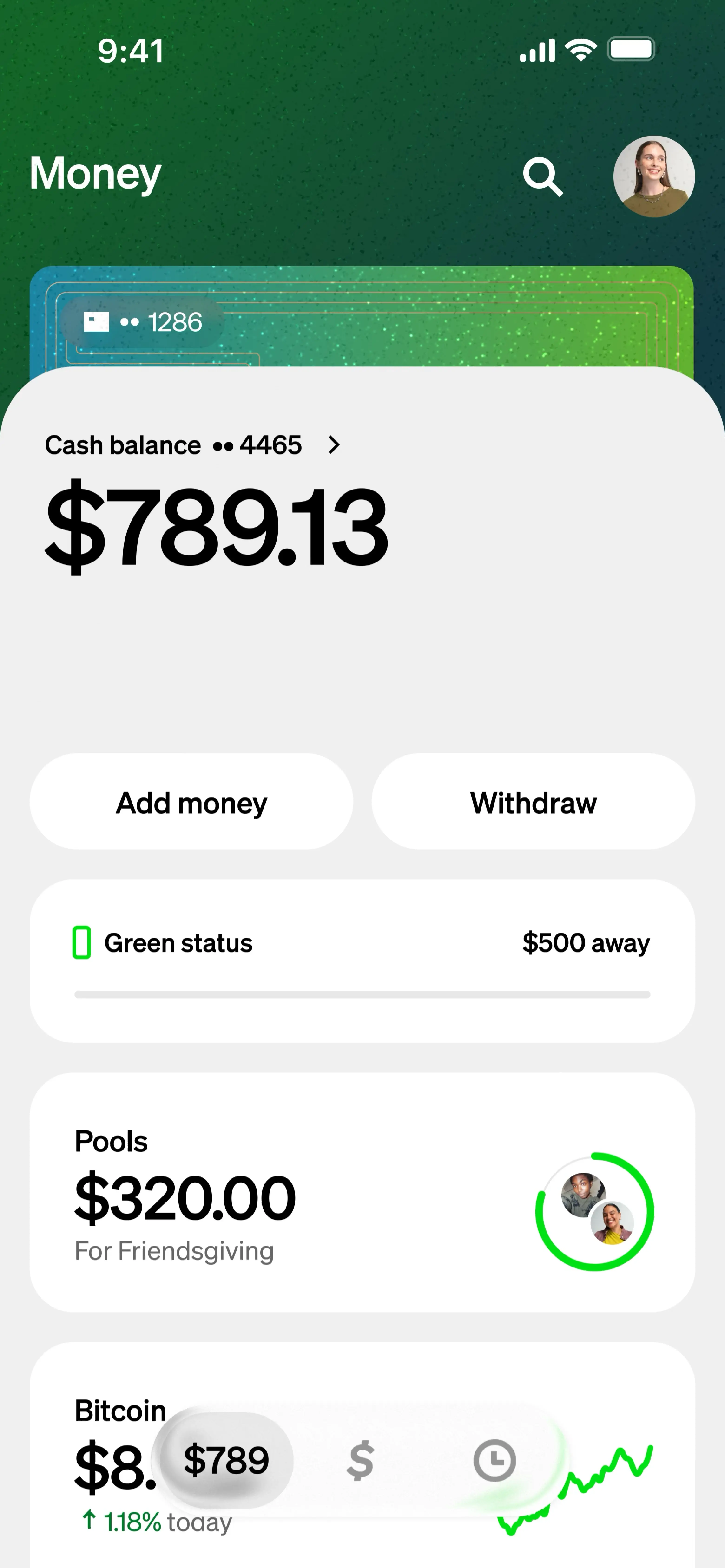
The Cash Card: Merging Digital and Physical Spending
One of the most powerful tools within the ecosystem is the Cash Card. This is a customizable Visa debit card that allows you to spend the balance in your Cash App at any retailer that accepts Visa. The card is not a credit card; it is a direct extension of your digital balance, which helps in maintaining a strict budget by preventing overspending.
The Cash Card also integrates with Apple Pay and Google Pay, allowing for a completely contactless financial experience. For the modern consumer, this means that even if you forget your physical wallet, your entire Cash App balance is available via your smartphone.
Utilizing “Boosts” for Strategic Personal Savings
Perhaps the most overlooked feature for wealth management within the app is “Boosts.” These are instant rewards or discounts applied when you use your Cash Card at specific merchants, such as grocery stores, coffee shops, or popular retailers.
Unlike traditional credit card rewards that may take a full billing cycle to manifest, Boosts are applied instantly to the transaction. By strategically selecting Boosts for your most frequent expenses, you can effectively lower your cost of living. For a disciplined budgeter, these small percentages add up to significant annual savings that can then be redirected toward investments.
Advanced Wealth Building: Investing and Bitcoin
Cash App differentiates itself from other P2P platforms by integrating sophisticated investment tools directly into the user interface. This lowers the barrier to entry for the stock market and the burgeoning world of cryptocurrency.
Simplified Stock Market Participation
For many individuals, the stock market feels inaccessible due to the perceived complexity of brokerage accounts and the high price of individual shares. Cash App addresses this through fractional sharing. You can invest as little as $1 in major companies, allowing for a “dollar-cost averaging” strategy that is essential for long-term wealth accumulation.
The interface provides basic charts and performance data, making it an excellent “starter” brokerage for those looking to get their feet wet in equity markets without the intimidation factor of professional trading platforms.
Cryptocurrency Integration for the Modern Portfolio
As Bitcoin has matured into a recognized asset class, Cash App has positioned itself as one of the most user-friendly “on-ramps” for Bitcoin acquisition. Users can buy, sell, and even withdraw Bitcoin to an external private wallet.
The app also features “Paid in Bitcoin,” which allows users to automatically convert a percentage of their direct deposits into Bitcoin. This automation is a cornerstone of sound financial planning, as it removes the emotional hurdles of market timing and ensures consistent participation in the digital asset space.
Financial Security and Best Practices for Digital Assets
With the convenience of mobile finance comes the responsibility of digital security. Because Cash App is linked directly to your bank account and holds your liquid assets, it is a prime target for social engineering and phishing scams.
Protecting Your Funds from Modern Fraud
The first rule of Cash App security is to treat your balance like physical cash. Once a P2P payment is sent and accepted, it is often impossible to reverse. Users should never send money to individuals promising “cash flips” or claiming to be “Cash App Support” requesting a test transaction.
To secure your account:
-
Enable Security Locks: Require a passcode or biometric ID (FaceID/TouchID) for every transaction.
-
Two-Factor Authentication (2FA): Ensure your linked email and phone number are also secured with robust 2FA.
-
Monitor Activity: Regularly check your transaction history for unauthorized charges and set up push notifications for every spend.

Managing Your Digital Paper Trail
As you integrate Cash App into your financial life, it becomes a significant part of your financial record. The app provides monthly statements that are crucial for tax purposes, especially if you utilize the investing or Bitcoin features. Furthermore, the integration of “Cash App Taxes” allows users to file their federal and state taxes for free, directly through the ecosystem. This holistic approach ensures that your “digital paper trail” is organized and accessible, simplifying the complexities of the annual tax season.
By understanding how to get Cash App and leverage its full suite of tools, you are doing more than just downloading an app; you are adopting a modern philosophy of money management. It is a philosophy defined by speed, accessibility, and the empowerment of the individual in an increasingly digital financial world.
aViewFromTheCave is a participant in the Amazon Services LLC Associates Program, an affiliate advertising program designed to provide a means for sites to earn advertising fees by advertising and linking to Amazon.com. Amazon, the Amazon logo, AmazonSupply, and the AmazonSupply logo are trademarks of Amazon.com, Inc. or its affiliates. As an Amazon Associate we earn affiliate commissions from qualifying purchases.