
The landscape of purchasing a used car has undergone a dramatic transformation, moving from the traditional visits to local dealerships or scanning newspaper classifieds to an expansive, highly sophisticated digital marketplace. Today’s car buyer is armed with an unprecedented array of technological tools and online platforms that streamline the search, enhance transparency, and empower more informed decisions. The question is no longer if you should search online, but how to effectively navigate this vast digital ecosystem to find your ideal pre-owned vehicle. This article delves into the technological avenues available, highlighting how modern innovations have redefined the search for used cars.
The Rise of Online Marketplaces: Your Primary Digital Hub
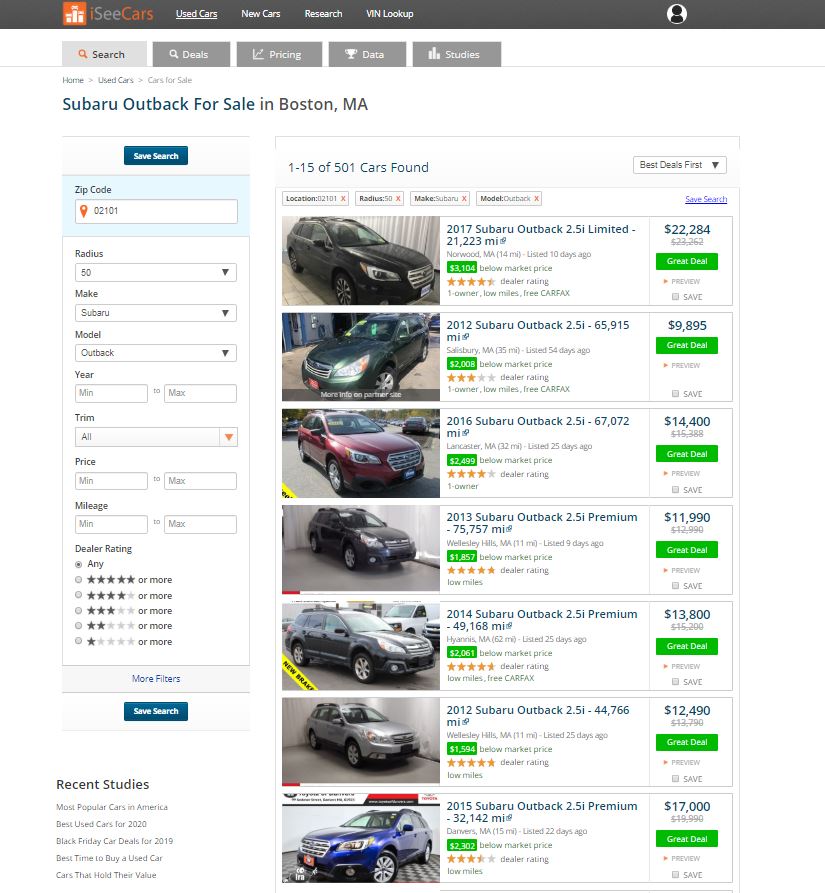
The internet has fundamentally reshaped consumer behavior, and car buying is no exception. Online marketplaces serve as the cornerstone of the modern used car search, aggregating vast inventories and offering powerful search functionalities that were once unimaginable. These platforms leverage advanced web technologies to connect buyers with sellers, whether they are dealerships or private individuals.
Aggregators and Dedicated Platforms
The digital realm is dominated by robust aggregators and dedicated used car platforms that consolidate listings from thousands of sources into a single, searchable interface. Websites like AutoTrader, CarGurus, Cars.com, and Edmunds are prime examples. These platforms employ sophisticated algorithms and expansive databases to provide comprehensive search results. Users can apply intricate filters based on make, model, year, price, mileage, features, body style, and even specific technologies present in the vehicle (e.g., infotainment systems, advanced driver-assistance systems). Many of these sites integrate advanced valuation tools, often powered by big data analytics, to provide “good deal” or “overpriced” indicators, giving buyers immediate insights into market value relative to listed prices. They also host extensive photo galleries, detailed specifications, and sometimes even 360-degree interior views, giving buyers an immersive virtual experience before ever stepping foot in a car.
Peer-to-Peer Platforms and Classifieds
Beyond the large aggregators, peer-to-peer (P2P) platforms and online classifieds offer a more direct route to connect with private sellers. Facebook Marketplace, Craigslist, and specialized automotive P2P apps represent a different facet of the digital search. While these platforms may lack the sophisticated vetting mechanisms and integrated tools of larger sites, they often present opportunities for more direct negotiation and potentially lower prices due to the absence of dealership overheads. The technology here is simpler – essentially a digital bulletin board – but its reach is immense. Buyers can communicate directly with sellers through integrated messaging systems, often facilitated by mobile app notifications, making the interaction swift and informal. However, the onus of due diligence, including verifying vehicle condition and seller legitimacy, falls more heavily on the buyer when using these less regulated platforms.
Dealership Websites and Manufacturer Certified Pre-Owned (CPO) Portals
Traditional dealerships have also embraced the digital age, transforming their own websites into comprehensive online showrooms. Most dealerships now list their entire used car inventory online, complete with high-resolution photos, detailed descriptions, and often vehicle history reports. Furthermore, many manufacturers operate dedicated Certified Pre-Owned (CPO) portals (e.g., Honda CPO, BMW CPO). These portals leverage sophisticated database systems to showcase vehicles that have undergone rigorous multi-point inspections and often come with extended warranties directly from the manufacturer. The technology behind CPO programs provides a layer of trust and assurance, as these vehicles meet specific manufacturer-defined criteria, and their history and condition are digitally verified and documented. Searching these sites offers a blend of dealership reliability and online convenience, utilizing robust search engines specific to the manufacturer’s network.
Leveraging Specialized Apps and AI Tools for Smarter Searches
The ubiquity of smartphones and advancements in artificial intelligence have ushered in a new era of personalized and efficient used car searching. Dedicated applications and AI-driven functionalities are transforming how buyers interact with the digital marketplace, making the search more intuitive and responsive.
Mobile Applications for On-the-Go Browsing
The proliferation of mobile apps has made used car searching an activity that can be done anytime, anywhere. Most major online marketplaces, as well as many dealerships, offer dedicated mobile applications. These apps often provide a superior user experience optimized for touchscreens, with streamlined navigation and faster loading times. Key features include push notifications that alert buyers to new listings matching their saved search criteria, geo-location services to find cars nearby, and augmented reality (AR) features that allow users to virtually place a car in their driveway or explore interiors. The convenience of these apps means buyers can respond quickly to new listings, gaining an edge in a competitive market.
AI-Powered Recommendation Engines
Artificial intelligence is increasingly playing a pivotal role in personalizing the used car search. AI-powered recommendation engines, similar to those used by streaming services or e-commerce giants, analyze a user’s past searches, viewed listings, saved vehicles, and even demographic data to suggest highly relevant cars. These algorithms learn from user behavior, identifying patterns and preferences that might not be explicitly stated. For instance, if a user frequently views SUVs with specific safety features, the AI will prioritize similar vehicles, even if they’re from different manufacturers or price points. This technology significantly reduces the time and effort required to sift through irrelevant listings, making the search process far more efficient and tailored.
Advanced Filtering and Comparison Tools
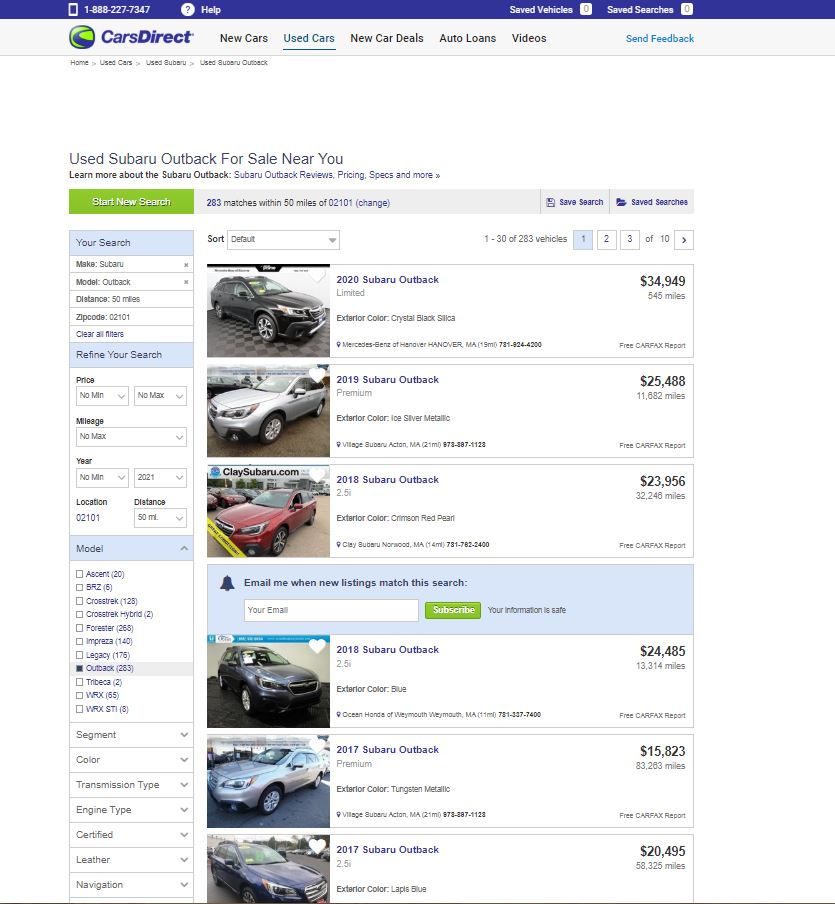
Modern online platforms boast incredibly sophisticated filtering and comparison tools, which are essentially data processing powerhouses. Beyond basic filters, buyers can now refine searches by granular details such as specific trim levels, advanced safety features (e.g., adaptive cruise control, lane-keeping assist), infotainment systems (e.g., Apple CarPlay, Android Auto), or even tire types. The ability to perform side-by-side comparisons of multiple vehicles is another technological marvel. These tools allow buyers to juxtapose specifications, features, mileage, and pricing in a clear, digestible format, highlighting key differences and helping to weigh pros and cons without having to manually compile information. This data-driven approach empowers buyers to make highly precise and informed decisions based on their exact needs and preferences.
Digital Security and Due Diligence in the Online Search
While technology offers unparalleled convenience, it also necessitates a heightened awareness of digital security and due diligence. The same digital infrastructure that facilitates seamless searches can, if not approached cautiously, expose buyers to scams or misrepresentations. Fortunately, technology also provides powerful tools to mitigate these risks.
Vehicle History Reports and Digital Verification
One of the most crucial technological advancements for used car buyers is the widespread availability of vehicle history reports from services like Carfax and AutoCheck. These services tap into vast digital databases to compile comprehensive histories of vehicles, including accident records, title issues (e.g., salvage, flood), service records, mileage discrepancies, and previous ownership. By simply entering a vehicle’s VIN (Vehicle Identification Number), buyers can access a detailed digital dossier that provides invaluable insights into a car’s past, helping to identify potential hidden problems. Many online marketplaces integrate these reports directly into listings, making digital verification a standard part of the online search process.
Secure Communication and Transaction Platforms
Effective and secure communication is paramount when dealing with sellers online. Reputable online platforms often provide integrated messaging systems that keep personal contact details private until both parties are comfortable sharing more. Buyers should be wary of sellers who push to move communication off-platform too quickly or request unusual payment methods. For transactions, while direct bank transfers or cash are common for private sales, buyers should exercise extreme caution. Emerging technologies, such as secure escrow services or platform-backed payment systems, offer an added layer of protection by holding funds until both buyer and seller confirm the terms of the sale have been met. These digital security measures are designed to protect both parties from fraud.
Virtual Inspections and Remote Test Drives
The pandemic accelerated the adoption of technologies for remote vehicle inspection and assessment. High-resolution photo galleries and 360-degree interior views are now standard, allowing buyers to visually inspect a car’s condition from their home. Some platforms are even experimenting with augmented reality (AR) overlays that allow users to get a sense of a car’s size and features in their real-world environment. For more detailed assessments, virtual inspections via live video calls with sellers or mechanics are becoming more common. While not a substitute for a physical inspection, these digital tools significantly enhance the initial vetting process, allowing buyers to narrow down options efficiently and avoid unnecessary travel to see unsuitable vehicles.
Beyond the Listing: Ancillary Tech Tools for Used Car Buyers
The digital toolkit for used car buyers extends beyond just finding the car. Various ancillary technologies empower buyers to understand the true value, cost of ownership, and even diagnose potential issues, rounding out a comprehensive tech-driven purchasing process.
Valuation and Pricing Tools
Understanding a fair market price is critical when buying a used car. Online valuation tools like Kelley Blue Book (KBB), Edmunds, and NADAguides leverage extensive datasets, including sales transaction data, market trends, and vehicle specifications, to provide highly accurate estimates of a car’s value. These tools utilize complex algorithms to account for factors such as mileage, condition, optional features, and regional demand. By cross-referencing values from multiple sources, buyers can arm themselves with data-driven insights, strengthening their negotiating position and ensuring they are paying a fair price, rather than relying on guesswork.
Insurance Comparison Apps and Loan Calculators
The total cost of car ownership extends beyond the purchase price, encompassing insurance and financing. Various financial technology (FinTech) tools are readily available online to help buyers plan their budget. Insurance comparison apps allow users to input vehicle details and personal information to receive instant quotes from multiple providers, often using API integrations to retrieve real-time data. Similarly, online loan calculators, often integrated into marketplace websites or offered by financial institutions, allow buyers to estimate monthly payments based on vehicle price, interest rates, and loan terms. These tools empower buyers to understand the full financial commitment upfront, facilitating a more holistic budgeting process long before a purchase decision is made.

Telematics and OBD-II Scanners
For the more tech-savvy buyer, diagnostic tools can offer a deeper understanding of a used car’s health. On-Board Diagnostics II (OBD-II) scanners, which connect to a port found in most vehicles manufactured after 1996, can retrieve diagnostic trouble codes (DTCs) from a car’s computer. While requiring a physical connection, these affordable devices, often paired with smartphone apps via Bluetooth, allow buyers or their mechanics to identify potential engine, transmission, or emissions-related issues that might not be immediately apparent. This “DIY diagnostic tech” provides an extra layer of assurance, offering a glimpse into the vehicle’s electronic systems before committing to a purchase.
The search for a used car has been irrevocably transformed by technology. From sophisticated online marketplaces and AI-driven recommendations to robust digital security features and comprehensive financial tools, buyers today have an unparalleled arsenal at their fingertips. This digital evolution empowers consumers with transparency, convenience, and control, making the journey from discovery to ownership more efficient and informed than ever before. While the physical act of inspecting and test-driving a vehicle remains crucial, the initial and often most time-consuming stages of the search are now firmly rooted in the digital realm, allowing buyers to navigate the market with unprecedented confidence.
aViewFromTheCave is a participant in the Amazon Services LLC Associates Program, an affiliate advertising program designed to provide a means for sites to earn advertising fees by advertising and linking to Amazon.com. Amazon, the Amazon logo, AmazonSupply, and the AmazonSupply logo are trademarks of Amazon.com, Inc. or its affiliates. As an Amazon Associate we earn affiliate commissions from qualifying purchases.