
In an economic landscape where every dollar counts, the art of buying used has transcended its former perception as a compromise, evolving into a sophisticated financial strategy embraced by shrewd consumers and businesses alike. From managing household budgets to making strategic business acquisitions, opting for pre-owned items offers a compelling pathway to significant savings, enhanced value, and a more sustainable approach to consumption. This comprehensive guide delves into the financial imperatives of buying used, highlighting key categories, detailing the most effective marketplaces, and equipping you with the strategies needed to navigate this vast market with confidence and acumen. For anyone looking to stretch their money further, reduce unnecessary expenditure, and make financially intelligent choices, understanding where and how to buy used is an indispensable skill.
The Irrefutable Financial Advantages of Buying Pre-Owned
The decision to buy used is, at its core, a financially driven one. It’s about leveraging the economic principles of depreciation and market efficiency to your advantage, ensuring that your hard-earned money procures maximum utility and value. Understanding these underlying financial benefits is the first step towards adopting a more deliberate and cost-effective purchasing habit.
Significant Cost Savings on Quality Goods
The most immediate and obvious benefit of buying used is the profound reduction in purchase price. New items, especially big-ticket goods like vehicles, electronics, or furniture, come with a premium that reflects manufacturing, marketing, and retail overheads. Once an item leaves the showroom or store, even if it’s barely used, its market value drops considerably. This initial depreciation creates a substantial discount for the second-hand buyer, allowing access to items that might otherwise be financially out of reach. For budget-conscious individuals and families, this translates directly into hundreds, if not thousands, of dollars saved annually, freeing up capital for investments, debt reduction, or other financial goals.
Beating Depreciation: Smarter Asset Acquisition
Depreciation is the silent killer of asset value, especially for new items. A car, for instance, can lose 20-30% of its value in the first year alone. By purchasing a used item, particularly one that is a few years old, you effectively sidestep the steepest part of the depreciation curve. You acquire an asset whose value has already stabilized, meaning its future depreciation will be much slower. This makes used purchases a smarter allocation of financial resources, as your asset retains a higher percentage of its purchase price over time. For businesses, this principle extends to equipment and machinery, where acquiring used assets can significantly lower initial capital expenditure, improving cash flow and return on investment.
Accessing Premium Products on a Budget
Buying used isn’t just about saving money; it’s also about upgrading your lifestyle or operational capacity without breaking the bank. Want a high-end designer handbag but can’t justify the new price tag? A pre-owned one might be within reach. Dreaming of a professional-grade camera or a top-tier furniture set? The used market often makes these premium items accessible at a fraction of their original cost. This aspect of buying used allows for a higher quality of life or better business functionality without compromising financial stability, enabling individuals and businesses to enjoy “aspirational” products without the associated premium.
Sustainable Spending and Resource Management
While primarily a financial guide, it’s worth noting the inherent connection between smart financial choices and environmental sustainability. Buying used extends the lifecycle of products, reduces waste, and lessens the demand for new production, which consumes raw materials and energy. From a financial perspective, this practice embodies a mindful approach to resource management, both personal and global. It cultivates a financial discipline that values utility and longevity over novelty, contributing to a more resilient personal economy and a circular economic model.
Top Categories Where Buying Used Pays Off Big
While almost anything can be bought used, certain categories offer particularly substantial financial benefits due to their high initial cost, rapid depreciation, or robust secondary markets. Focusing your used buying efforts on these areas can yield the most significant savings and value.
Vehicles: Driving Down Costs with Pre-Owned Cars
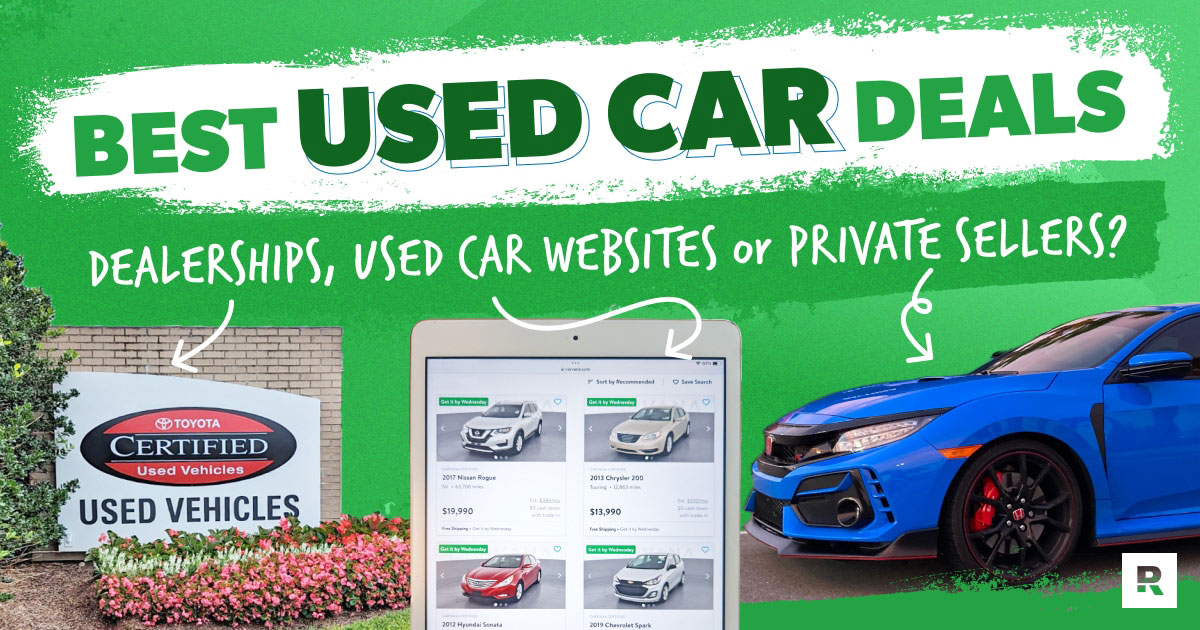
The automotive industry is perhaps the quintessential example of where buying used makes immense financial sense. As mentioned, new cars depreciate sharply. A well-maintained used car, especially one that is 2-5 years old, offers reliable transportation at a significantly reduced price. The savings extend beyond the purchase price, often including lower insurance premiums and registration fees. With extensive online resources for vehicle history reports (like CarFax or AutoCheck), rigorous inspection options, and certified pre-owned programs, buying a used car is safer and more transparent than ever, representing one of the best financial decisions for most consumers.
Furniture and Home Goods: Furnishing Your Life Affordably
Outfitting a home can be incredibly expensive, especially for new homeowners or those moving into larger spaces. Furniture, while durable, also carries a high retail markup and can be surprisingly affordable on the secondary market. From sofas and dining sets to lamps and decorative items, buying used furniture, often available in excellent condition, can save thousands. Online marketplaces, local thrift stores, and consignment shops are treasure troves for unique and quality pieces that can give your home character without draining your budget.
Electronics: Smart Tech Upgrades Without the Premium Price Tag
Technology depreciates quickly, making the used market a fertile ground for savvy shoppers. Smartphones, laptops, cameras, gaming consoles, and even home appliances can be found for a fraction of their original cost. While vigilance is required to ensure functionality, buying used electronics can provide access to high-performance devices. Many reputable refurbishers and even manufacturers offer certified refurbished electronics with warranties, providing a sweet spot between significant savings and peace of mind.
Apparel and Accessories: Fashion on a Frugal Budget
The fashion industry, driven by trends and fast cycles, creates an abundance of perfectly good clothing, shoes, and accessories that are quickly discarded or sold off. Buying used apparel, from everyday wear to designer labels, is an excellent way to maintain a stylish wardrobe on a strict budget. Online consignment stores, local thrift shops, and peer-to-peer selling apps are brimming with high-quality, sometimes even unworn, items. This strategy allows individuals to experiment with styles, acquire high-end pieces, and build a versatile wardrobe without the exorbitant price tags of retail.
Tools and Equipment: Equipping Projects Economically
Whether for DIY enthusiasts, hobbyists, or small businesses, buying tools and equipment used is a financially astute move. Power tools, gardening equipment, sporting goods, musical instruments, and even specialized business machinery often have a long lifespan and can be purchased second-hand in excellent working condition. This approach dramatically reduces the barrier to entry for new hobbies or business ventures, allowing for investment in higher-quality tools than a new budget would permit.
Navigating the Diverse Landscape of Used Marketplaces
The accessibility of used goods has exploded with the advent of digital platforms, complementing traditional brick-and-mortar options. Understanding the various marketplaces and their unique advantages is crucial for an efficient and successful used buying experience.
Online Classifieds and Marketplaces: The Digital Bazaar
Platforms like Craigslist, Facebook Marketplace, Gumtree, and Kijiji serve as vast digital classifieds, connecting local buyers and sellers for almost any item imaginable.
-
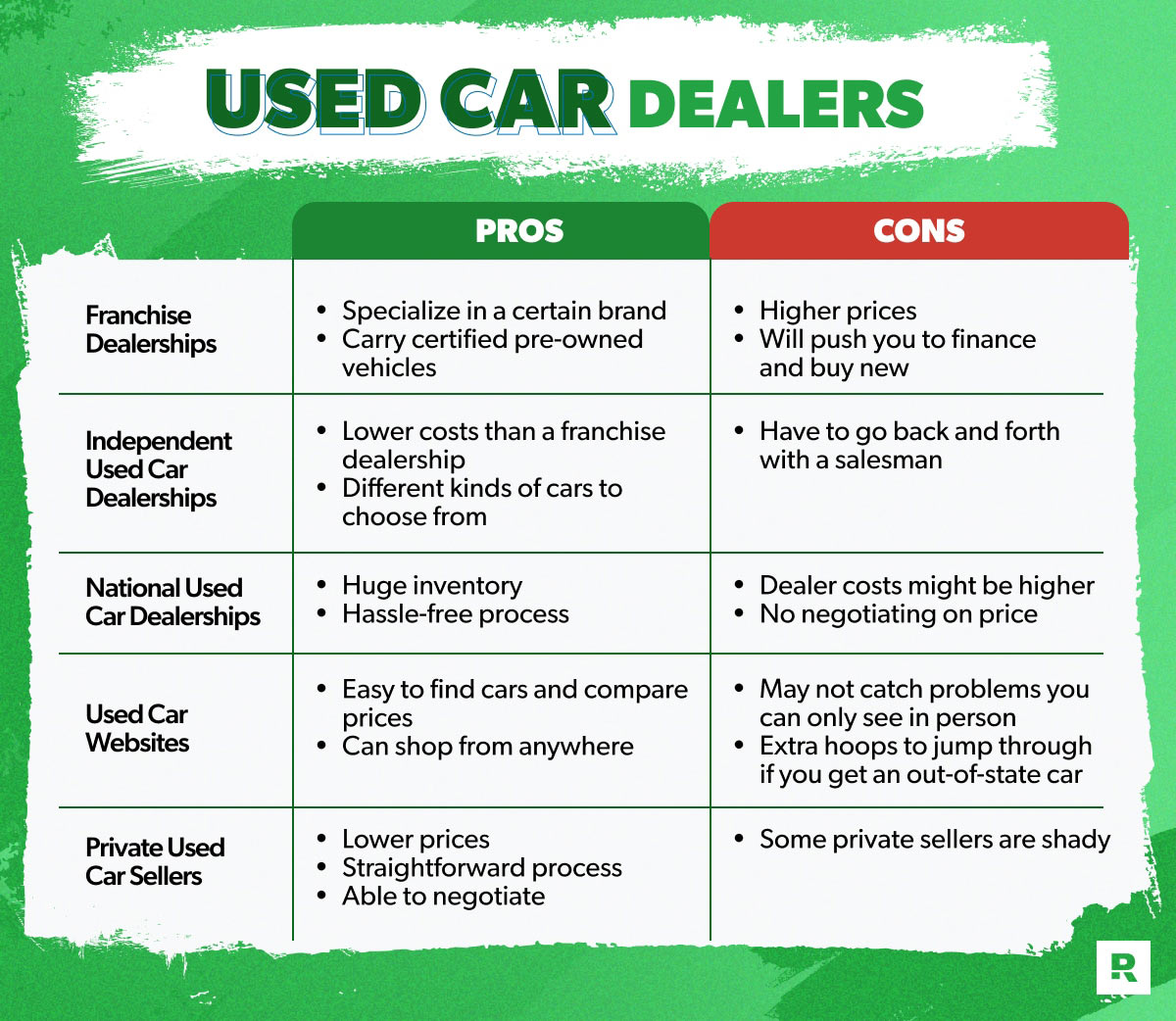
Pros: Wide variety of items, often local pick-up (saving on shipping), direct negotiation with sellers.
-
Cons: Less buyer protection, “as-is” sales, requires more caution regarding scams and safety.
-
Strategy: Prioritize local transactions, meet in safe public places, inspect items thoroughly before purchase, and use secure payment methods (cash for small items, PayPal for larger ones if seller protection is offered).
Dedicated Resale Platforms: Niche and Curated Experiences
Numerous platforms specialize in specific categories, offering a more curated and often safer buying experience.
-
eBay: Global auction and fixed-price site for virtually everything, with robust buyer protection.
-
Poshmark/ThredUp/Depop: Focus on fashion, offering authenticated items and easy shipping.
-
Reverb: Specialized for musical instruments and gear.
-
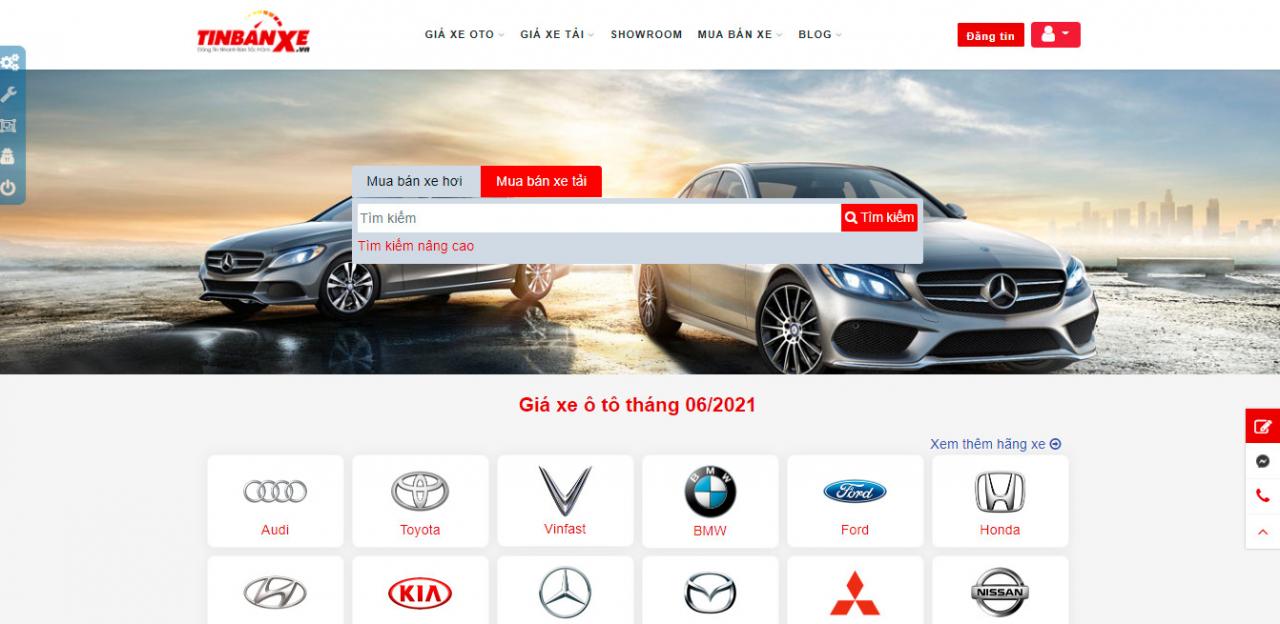
Used Car Websites (e.g., AutoTrader, CarGurus): Dedicated platforms for vehicles, often with dealer and private seller listings.
-
Pros: Stronger buyer protection, specialized search filters, reviews, and sometimes authentication services.
-
Cons: May incur shipping costs, platform fees for sellers (which can influence pricing), less room for negotiation.
-
Strategy: Leverage filters to find exact items, review seller ratings, understand return policies, and compare prices across multiple platforms.
Brick-and-Mortar Gems: Thrift Stores, Consignment Shops, and Pawn Shops
The traditional avenues for buying used still hold immense value, particularly for those who enjoy the thrill of discovery.
-
Thrift Stores (e.g., Goodwill, Salvation Army): Offer a random assortment of items, often at incredibly low prices. Great for clothing, books, home decor, and sometimes furniture.
-
Consignment Shops: Focus on higher-quality items, often clothing, furniture, or designer goods, where the seller receives a percentage of the sale. Prices are higher than thrift stores but still significantly below retail.
-
Pawn Shops: Acquire goods through loans against collateral or direct purchase. Good for electronics, jewelry, tools, and musical instruments, often negotiable.
-
Pros: Tangible inspection of items, immediate gratification, unique finds, supporting local businesses or charities.
-
Cons: Limited inventory, less organization, no returns (typically), requires patience to find specific items.
-
Strategy: Visit frequently, especially on new stock days. Inspect items carefully for damage. Don’t be afraid to haggle in pawn shops.
Auctions and Estate Sales: Unearthing Unique Value
For those seeking unique items, collectibles, or bulk purchases, auctions and estate sales can be goldmines.
-
Pros: Potential for significant bargains, unique and vintage items, opportunity to buy in bulk.
-
Cons: Can be competitive, require quick decision-making, “all sales final” policies, typically cash-only.
-
Strategy: Preview items beforehand, set a maximum bid, understand auction rules and buyer’s premiums, and arrive early for estate sales.
Manufacturer Refurbished Programs: The Best of Both Worlds
For electronics, many original manufacturers (e.g., Apple, Dell, Dyson) sell refurbished items directly.
-
Pros: Comes with a manufacturer’s warranty, guaranteed functionality, often includes new parts (e.g., batteries), significant discounts.
-
Cons: Inventory can be limited, discounts may not be as steep as truly “used” items.
-
Strategy: Check official manufacturer websites first for items like laptops, phones, or major appliances for reliable, warrantied savings.
Strategies for Smart Used Purchases: Maximizing Value, Minimizing Risk
Buying used is a skill that improves with practice. By adopting a systematic approach, you can maximize your savings and avoid common pitfalls, ensuring every purchase is a smart financial decision.
Research is Paramount: Know Your Product and Its Market Value
Before committing to any used purchase, especially for higher-value items, thorough research is non-negotiable. Understand the product’s specifications, common issues, typical lifespan, and importantly, its current market value for both new and used conditions. Use online tools like eBay’s “sold listings” filter, price comparison sites, and historical pricing data to gauge a fair price. This knowledge empowers you to identify genuine bargains and avoid overpaying.
Thorough Inspection: What to Look For Before You Buy
Always physically inspect an item before purchase if possible. For electronics, check all ports, buttons, screens, and test functionality. For furniture, look for structural integrity, stains, tears, and pests. For vehicles, examine the body, interior, tires, and listen for unusual noises during a test drive. If an in-person inspection isn’t feasible, request detailed photos and videos from the seller. Don’t hesitate to bring an expert for complex items like cars or specialized equipment.
Ask the Right Questions: Uncovering the Item’s History
Engage with the seller to understand the item’s history. Key questions include:
-
How old is the item?
-
Why are you selling it?
-
Has it ever been repaired? If so, what was fixed?
-
Are there any known issues or defects?
-
Do you have the original receipt or packaging?
A transparent seller is a good sign. Be wary of vague answers or unwillingness to provide details.
Price Negotiation: Don’t Be Afraid to Haggle
Most used prices, especially on classifieds or at estate sales, are negotiable. Start with a polite offer that’s slightly lower than your target price, allowing room for compromise. Be respectful and reasonable. Highlighting minor imperfections you’ve observed during inspection can also provide leverage. A successful negotiation can shave off an extra 10-20% from the asking price, directly contributing to your savings.
Secure Transactions: Protecting Your Money and Information
Prioritize safety and security in every transaction. For local meetups, choose public, well-lit places. Avoid sharing personal financial information. Use payment methods that offer buyer protection for online purchases (e.g., PayPal Goods & Services), or cash for face-to-face transactions of smaller value. For large-value transactions like vehicles, consider meeting at a bank to facilitate a secure transfer or using an escrow service. Document everything, especially for high-value items, including communication and proof of purchase.
The Broader Financial Impact: Beyond Individual Savings
The strategic pursuit of buying used extends beyond individual financial savings, contributing to a more robust personal economy and fostering a broader mindset of financial prudence.
Supporting Circular Economy Models: Economic Resilience
By choosing used, you participate in and support the burgeoning circular economy. This model emphasizes keeping resources in use for as long as possible, extracting maximum value from them, then recovering and regenerating products and materials at the end of their service life. From a financial perspective, this reduces dependency on new production, minimizes waste disposal costs, and creates new economic opportunities in repair, refurbishment, and resale. It fosters local economic resilience by promoting internal trade and resource efficiency.
Cultivating Financial Prudence and Mindfulness
Regularly seeking out used items instills a deep sense of financial prudence. It encourages a mindful approach to consumption, prompting questions like: “Do I truly need this new, or will a pre-owned item serve my purpose just as well?” This mindset shift can lead to more conscious spending habits across all aspects of personal finance, reducing impulse buys and fostering a greater appreciation for the value and longevity of possessions. It’s a proactive step towards building financial discipline and escaping the consumer debt cycle.
Unlocking Entrepreneurial Opportunities: Buying to Resell
For many, buying used isn’t just about saving; it’s also about earning. The used market offers significant entrepreneurial opportunities for those with an eye for value. “Flipping” items – buying used at a low price, refurbishing or repairing them, and then reselling for a profit – has become a popular side hustle and even a full-time business for many. This strategy directly leverages the principles of market inefficiency and consumer demand, transforming careful purchasing into a viable source of income, further diversifying one’s financial portfolio.
In conclusion, “where to buy used” is not merely a question of location but a gateway to a financially intelligent lifestyle. By embracing the principles of depreciation, strategic marketplace navigation, and smart buying practices, individuals and businesses can unlock substantial savings, access premium goods, and contribute to a more sustainable economic future. The savvy saver knows that true value often lies not in what is brand new, but in the intelligent acquisition of what has been loved before.
aViewFromTheCave is a participant in the Amazon Services LLC Associates Program, an affiliate advertising program designed to provide a means for sites to earn advertising fees by advertising and linking to Amazon.com. Amazon, the Amazon logo, AmazonSupply, and the AmazonSupply logo are trademarks of Amazon.com, Inc. or its affiliates. As an Amazon Associate we earn affiliate commissions from qualifying purchases.