
The decision to purchase a vehicle is one of the most significant financial commitments many individuals make, often second only to a home. While the allure of a brand-new car can be strong, the savvy consumer understands that the wisest financial choice frequently lies in the pre-owned market. Buying a good used car isn’t just about saving money on the initial purchase; it’s about making a financially sound investment that minimizes depreciation, reduces ancillary costs, and provides excellent value for your hard-earned cash. This guide will navigate the financial landscape of buying used cars, equipping you with the knowledge to make an informed, money-smart decision.
Understanding the Financial Appeal of Used Cars
Before diving into where to buy, it’s crucial to grasp why a used car often represents a superior financial choice. The economics of car ownership heavily favor the pre-owned market, offering significant savings and a more resilient asset over time.
Depreciation: Your Financial Advantage
The most compelling financial argument for buying a used car is depreciation. New cars lose a substantial portion of their value – often 20-30% – within the first year of ownership, and another 15-20% over the subsequent two to three years. This rapid depreciation is the single largest cost of new car ownership. By opting for a car that is two to three years old, you effectively allow the first owner to absorb the steepest part of this value loss. You acquire a vehicle that still has many years of reliable service left, but at a significantly reduced price, instantly capitalizing on someone else’s initial financial hit. This means your automotive “investment” starts from a much more stable financial base.
Lower Costs Beyond the Sticker Price
The financial benefits of buying used extend far beyond the initial purchase price. Several other ownership costs are typically lower for pre-owned vehicles, further enhancing their financial appeal:
-
Insurance Premiums: Insurance companies base premiums partly on the value of the car. A less expensive used car generally costs less to insure, especially if you opt for collision and comprehensive coverage, as the potential payout for damage or theft is lower. This translates to ongoing monthly savings.
-
Sales Tax and Registration Fees: Many states calculate sales tax based on the vehicle’s purchase price. A lower purchase price means lower sales tax. Similarly, annual registration fees can sometimes be tied to the car’s age or value, leading to reduced costs for used vehicles.
-
Aftermarket Add-ons and Warranties: While new cars might come with certain warranties, purchasing a used car often opens up a more competitive market for extended warranties and service contracts. You can shop around for the best coverage at a price that fits your budget, rather than being limited to dealer-specific options.
Expanding Your Options within Budget
Choosing a used car dramatically expands your purchasing power. For the budget you’ve allocated for a basic new model, you can often afford a higher trim level, a more luxurious brand, or a vehicle with advanced features that would be out of reach if bought new. This allows you to acquire a car that better meets your needs, offers more comfort, or provides superior performance, all while staying within your financial comfort zone. It’s about maximizing the utility and satisfaction you get from your vehicle for every dollar spent.
Navigating the Market: Where to Find Value
Once you understand the financial advantages, the next step is to identify the best avenues for finding a reliable used car that aligns with your financial goals. Different sources offer varying levels of risk, convenience, and potential for savings.
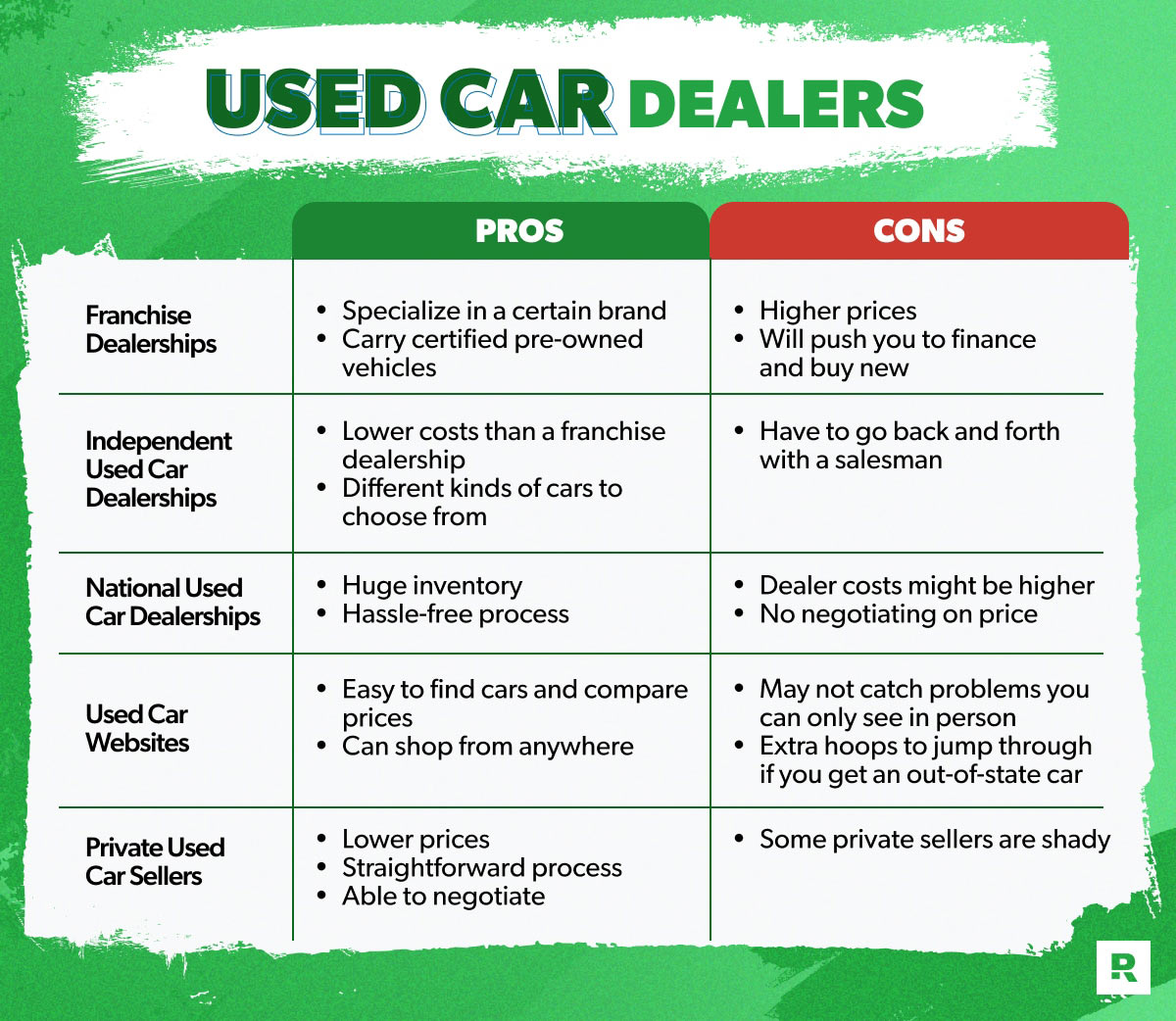
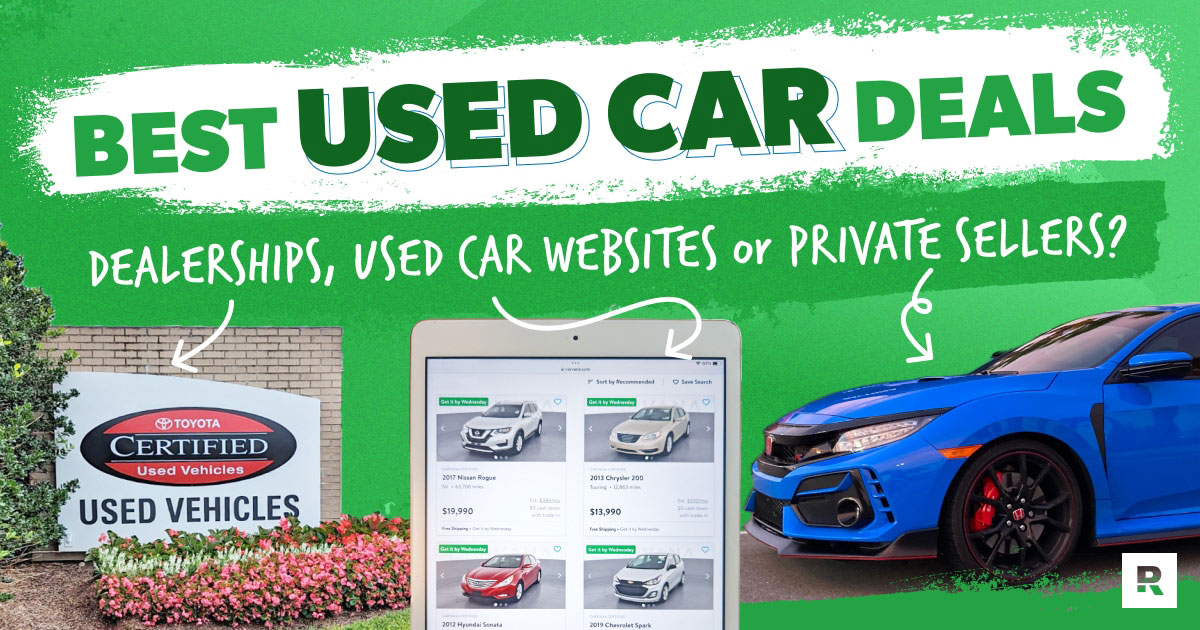
Reputable Dealerships: Balancing Cost and Convenience
Dealerships remain a popular choice due to their perceived reliability and convenience, though they often come with a slightly higher price tag compared to private sales. Understanding the different types is key to a financially smart decision:
-
Franchise Dealerships (e.g., Ford, Toyota): These dealers often sell used cars of their own brand, particularly “Certified Pre-Owned” (CPO) vehicles. CPO programs typically include a multi-point inspection, reconditioning, and an extended warranty backed by the manufacturer. While CPO cars are more expensive than non-CPO vehicles of the same make and model, the added warranty and rigorous inspection can offer significant financial peace of mind, potentially saving you from unexpected repair costs down the line. They also offer in-house financing, which can be convenient but always compare their rates to external lenders.
-
Independent Used Car Dealerships: These dealers sell a variety of makes and models. They can offer competitive pricing and a wider selection. However, the quality and integrity can vary significantly. Financial due diligence is paramount here; thoroughly check their reputation, understand their return policies, and always get an independent pre-purchase inspection. While their prices might be lower, the lack of manufacturer-backed warranties means you bear more financial risk.
Online Marketplaces: Accessing a Wider Inventory
The internet has revolutionized car buying, offering an unparalleled breadth of inventory and powerful tools for financial comparison.
-
Aggregator Sites (e.g., Autotrader, Cars.com, CarGurus): These platforms allow you to search thousands of listings from both dealerships and private sellers, filtering by price, make, model, year, and features. They are invaluable for researching market value and identifying comparable listings to support your negotiation strategy. Many also provide tools like estimated loan payments and insurance quotes, helping you assess the total financial impact.
-
Online-Only Used Car Dealers (e.g., Carvana, Vroom, Shift): These companies have disrupted the traditional model by offering entirely online car buying experiences, often with home delivery and a seven-day return policy. They emphasize transparency in pricing (often no-haggle) and vehicle condition. While potentially convenient, their prices may not always be the lowest, and you miss the opportunity for a physical inspection before purchase, relying heavily on their reconditioning process. Their financing options are also competitive, but always compare with external lenders.
Private Sellers: The Potential for Savings (and Risk)
Buying directly from a private seller, often found on Craigslist, Facebook Marketplace, or local classifieds, can yield the greatest financial savings. Without the overhead of a dealership, sellers can often offer lower prices.
-
Negotiation Potential: Private sellers are often more flexible on price, especially if they need to sell quickly. This is where your negotiation skills can truly save you hundreds, if not thousands, of dollars.
-
Avoiding Dealer Markups and Fees: You bypass documentation fees, dealer prep charges, and other common dealership add-ons, directly impacting your bottom line.
-
Increased Financial Risk: The downside is that private sales come with an “as-is” condition clause, meaning no warranty. It’s solely your responsibility to verify the vehicle’s condition and history. Scams can also be prevalent. Always insist on a pre-purchase inspection by an independent mechanic and use secure payment methods like a cashier’s check or an escrow service. Avoid carrying large amounts of cash or using unsecured peer-to-peer payment apps.
Emerging Avenues: Car Auctions and Online-Only Dealers
For the financially adventurous, car auctions (public or wholesale) can offer rock-bottom prices, but they require significant expertise and comfort with risk. Vehicles are typically sold “as-is,” with little to no opportunity for inspection or test drives, making them suitable only for experienced buyers or those who can bring a mechanic. Similarly, online-only dealers are growing, offering convenience but requiring careful review of their vehicle inspection reports and return policies to mitigate financial exposure.
Financial Due Diligence: Protecting Your Investment
Once you’ve identified potential vehicles, the financial homework truly begins. This phase is critical to avoid costly mistakes and ensure you’re making a sound investment.
Budgeting and Financing: Knowing Your Limits
Before you even start looking at cars, establish a clear budget. This includes not just the purchase price but also estimated insurance, maintenance, fuel, and registration costs. If financing, get pre-approved for a loan from your bank or credit union before stepping into a dealership. This gives you a clear understanding of the interest rate you qualify for and empowers you to negotiate the car price as a cash buyer, preventing the dealer from using financing as a negotiation leverage. Always focus on the total purchase price, not just the monthly payment.
Vehicle History Reports: Uncovering Hidden Costs
A vehicle history report (VHR) from services like CarFax or AutoCheck is a mandatory financial safeguard. These reports can uncover:
-
Accident History: Prior damage, especially major structural damage, can significantly impact a car’s safety, longevity, and future resale value. A car with a checkered accident history is a financial liability.
-
Service Records: Regular maintenance indicates a well-cared-for vehicle, reducing the likelihood of immediate, expensive repairs.
-
Odometer Rollback: A VHR can detect discrepancies in mileage, protecting you from buying a vehicle with significantly more wear and tear than advertised.
-
Flood or Salvage Titles: These indicate severe damage and come with substantial risks, making the car a potential money pit. Avoid them unless you have expert knowledge and are prepared for major repairs.
The cost of a VHR is a small investment that can save you thousands in future repairs or lost value.
Pre-Purchase Inspections: A Small Investment to Avoid Major Expenses
Never, under any circumstances, buy a used car without a pre-purchase inspection (PPI) by an independent, trusted mechanic. This is arguably the single most important step to protect your financial investment. For a fee (typically $100-$200), a mechanic will thoroughly examine the vehicle for mechanical issues, structural damage, fluid leaks, and potential problems that might not be obvious during a test drive.
A PPI can uncover:
-
Major Mechanical Problems: Engine, transmission, brakes, suspension issues that could cost thousands to repair.
-
Safety Concerns: Worn tires, faulty lights, rust issues that compromise safety.
-
Overdue Maintenance: Items that need immediate attention, giving you leverage in negotiation.
The findings from a PPI provide valuable negotiation leverage. You can either ask the seller to address the identified issues, reduce the price to cover the repair costs, or walk away from a potentially problematic purchase, saving you from a significant financial burden.
Understanding Warranties and Service Contracts
When buying a used car, especially from a dealership, evaluate the warranty options.
-
Certified Pre-Owned (CPO) Warranties: As mentioned, these are manufacturer-backed and offer excellent financial protection, often extending the original factory warranty. The cost is built into the CPO price, offering peace of mind.
-
Third-Party Extended Warranties: If buying a non-CPO vehicle, you might be offered an extended warranty from a third-party provider. Carefully read the terms: what’s covered, what’s excluded, deductible amounts, and the reputation of the warranty provider. Weigh the cost of the warranty against the potential cost of repairs and your personal risk tolerance. Sometimes, simply saving the warranty money in a separate account for future repairs is a more financially sound strategy.
Negotiation Strategies for Maximum Savings
Negotiating the price is where much of your financial saving occurs. Approaching this phase strategically can yield significant dividends.
Researching Market Value: Don’t Overpay
Before negotiating, arm yourself with data. Use resources like Kelley Blue Book (KBB), NADAguides, and comparable listings on online marketplaces to determine a fair market value for the specific make, model, year, and condition of the car you’re interested in. Knowing the average selling price gives you a baseline and prevents you from overpaying. Be prepared to show your research to the seller.
Mastering the Art of Negotiation
-
Start Below Asking Price: Unless the car is already priced exceptionally low, always start your offer below the asking price. For private sellers, a good starting point might be 10-15% below. For dealerships, it might be 5-10% off.
-
Focus on the Total Price, Not Monthly Payment: Dealerships often try to distract buyers by focusing solely on affordable monthly payments. Always negotiate the total out-the-door price of the vehicle, then discuss financing terms.
-
Leverage PPI Findings: If the pre-purchase inspection revealed issues, use those repair estimates to justify a lower offer.
-
Be Prepared to Walk Away: This is your strongest negotiating tool. If the seller isn’t willing to meet a fair price or address your concerns, be ready to move on. There are always other cars.
-
Negotiate Add-ons Separately: If you’re at a dealership, avoid falling for costly extras like paint protection packages, nitrogen in tires, or extended service plans unless they genuinely offer significant value for money.
Payment Methods and Closing the Deal
When buying from a private seller, a cashier’s check from your bank is the safest payment method. For higher-value transactions, consider using an escrow service, which holds the funds until all conditions (like clear title transfer) are met. Always ensure you receive a clear title, bill of sale, and any other necessary documentation to legally transfer ownership. Understand all fees involved, especially at dealerships, to prevent unexpected financial surprises at closing.
Post-Purchase Financial Considerations
Your financial journey with your used car doesn’t end after the purchase. Ongoing financial management is crucial for long-term satisfaction and value.
Insurance: Ensuring Adequate Coverage
Once you own the car, revisit your insurance policy. While premiums for used cars are generally lower, ensure you have adequate coverage, especially if you have a loan (lenders typically require comprehensive and collision). Shop around for quotes from multiple insurers annually to ensure you’re getting the best rates, as prices can fluctuate.
Maintenance Budget: Ongoing Costs of Ownership
Even a “good” used car will require routine maintenance. Factor in an annual budget for oil changes, tire rotations, brake service, and other wear-and-tear items. Research common maintenance needs and potential repair costs for your specific vehicle make and model. Proactive maintenance is a financial investment that prevents more costly breakdowns down the road and preserves your car’s value.

Resale Value: Thinking Long-Term
While you’ve already bypassed the worst of depreciation, making smart choices now can preserve your car’s future resale value. Keeping up with maintenance, maintaining a clean interior and exterior, and avoiding significant modifications will pay off when it’s time to sell or trade in. Consistent financial responsibility in upkeep translates to better financial returns in the future.
In conclusion, buying a good used car is a financially intelligent decision that offers substantial savings and value. By understanding the financial dynamics of depreciation, diligently researching and inspecting potential vehicles, and employing smart negotiation strategies, you can acquire a reliable vehicle that serves your needs without breaking the bank. It’s a testament to savvy personal finance – making your money work harder for you, one smart car purchase at a time.
aViewFromTheCave is a participant in the Amazon Services LLC Associates Program, an affiliate advertising program designed to provide a means for sites to earn advertising fees by advertising and linking to Amazon.com. Amazon, the Amazon logo, AmazonSupply, and the AmazonSupply logo are trademarks of Amazon.com, Inc. or its affiliates. As an Amazon Associate we earn affiliate commissions from qualifying purchases.