
In an era defined by digital convenience and increasing financial savviness, the search for a used car has largely migrated from the dusty lots of traditional dealerships to the sprawling, interconnected landscape of the internet. For many, purchasing a vehicle represents one of the most significant financial outlays outside of a home, making the decision to buy used a powerful strategy for personal wealth management. Opting for a pre-owned vehicle can lead to substantial savings on depreciation, insurance, and even registration fees, freeing up capital for other investments or necessities. However, the sheer volume of online platforms available can be overwhelming, making it crucial to understand where to direct your search for optimal financial outcomes and a smooth, secure transaction. This article delves into the digital avenues for acquiring used cars, meticulously detailing how to leverage these platforms for maximum financial advantage and peace of mind.

The Financial Advantage of Opting for Pre-Owned Vehicles
Before diving into the “where,” it’s essential to reinforce the “why” from a financial perspective. Buying a used car isn’t just about saving money upfront; it’s a shrewd long-term financial decision that impacts various facets of your personal budget. Understanding these benefits solidifies the rationale behind spending time to meticulously search online for the right deal.
Mitigating Depreciation: The Biggest Saver
New cars famously depreciate the moment they’re driven off the lot, losing a significant portion of their value – often 20-30% – within the first year alone. By opting for a used car, you effectively bypass this initial, steepest curve of depreciation. This means your automotive asset retains a greater percentage of its value over the period of your ownership, leading to a much lower overall cost of ownership. From a financial planning standpoint, it’s akin to buying an investment after its initial volatile period, allowing for more predictable value retention. The financial gain here is direct and substantial, preserving your capital that would otherwise vanish into thin air with a new car purchase.
Lower Insurance Premiums and Registration Costs
Insurance companies factor in the value of a vehicle when calculating premiums, especially for comprehensive and collision coverage. Since a used car generally has a lower market value than its brand-new counterpart, the cost to insure it is often significantly less. This represents ongoing monthly savings that add up over the years, contributing meaningfully to your financial flexibility. Similarly, in many jurisdictions, vehicle registration fees are tied to the car’s age or value. A used car will typically incur lower registration costs, another minor yet consistent saving that bolsters your overall financial position when compared to purchasing a new model.
Expanded Selection Within Your Budget
One of the most compelling financial benefits of buying used is the ability to access a wider range of vehicles within a predetermined budget. A sum that might only afford a base model new car could unlock a premium trim, a higher-end brand, or a car with more advanced features and safety technologies when buying used. This allows consumers to drive a safer, more comfortable, or more prestigious vehicle without overextending their finances, providing greater utility and satisfaction for the same financial outlay. It’s an exercise in maximizing value for money, a core principle of sound personal finance.
Navigating the Digital Landscape: Premier Online Marketplaces
The internet hosts a multitude of platforms dedicated to used car sales, each with its unique advantages and considerations for the financially astute buyer. Understanding the nuances of these platforms is key to efficient searching and securing the best possible deal.
Dedicated Automotive Marketplaces
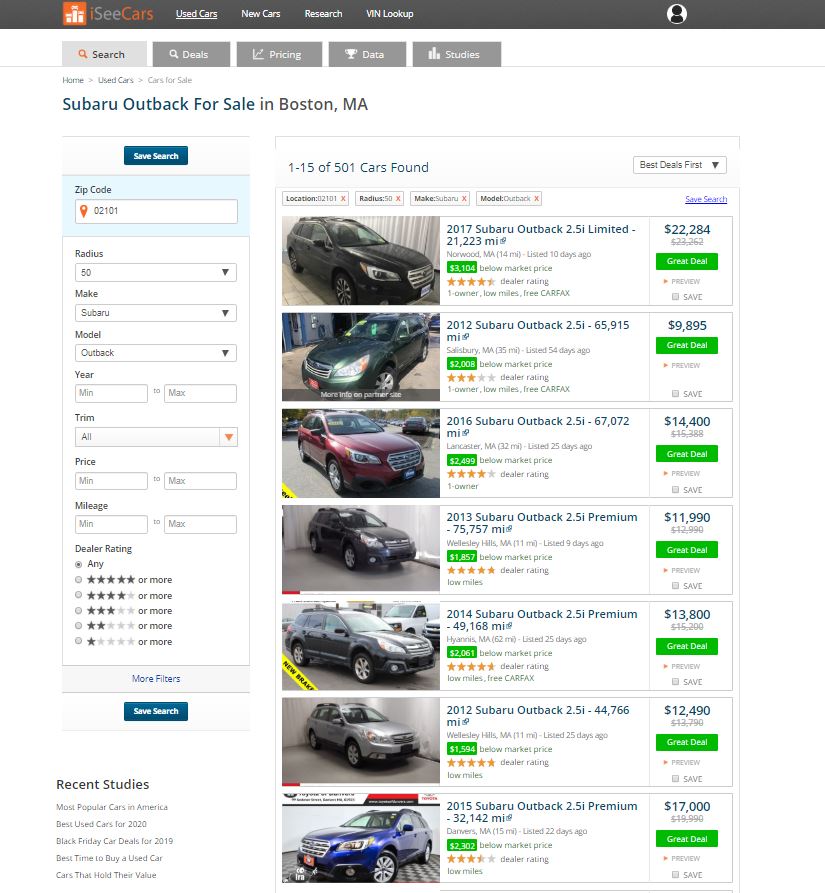
These are the digital behemoths of used car sales, offering vast inventories and robust search filters. Websites like AutoTrader.com, Cars.com, and CarGurus.com aggregate listings from dealerships nationwide, providing a comprehensive overview of available vehicles. Their advanced filtering options allow you to narrow searches by price range, mileage, year, make, model, features, and even specific financial parameters like monthly payment estimates (though these should always be verified independently). For financial planners, these sites are invaluable for market research, helping to establish fair market values and compare prices across different sellers, ensuring you don’t overpay. They often provide tools to compare financing options, insurance quotes, and even link to vehicle history reports, centralizing much of the initial financial due diligence.
Peer-to-Peer Sales Platforms
For those seeking potentially deeper discounts by cutting out dealership markups, platforms like Craigslist, Facebook Marketplace, and eBay Motors facilitate direct sales between private parties. While these platforms can yield excellent financial deals, they demand a higher degree of caution and due diligence. Buyers must be prepared to independently verify vehicle condition, history, and the legitimacy of the seller. This means budgeting for a pre-purchase inspection by an independent mechanic and securing a vehicle history report. The financial advantage here lies in the direct negotiation, which can lead to significant savings compared to dealership prices, but it also carries increased risk that must be carefully managed with additional financial safeguards.
Online-Only Used Car Retailers
The rise of online-only used car retailers such as Carvana, Vroom, and Shift has revolutionized the buying process, offering a completely digital end-to-end experience. These platforms often boast no-haggle pricing, simplifying the financial decision-making process, and provide convenience features like home delivery and a short return window (e.g., 7 days). From a financial perspective, their streamlined operations can sometimes translate into competitive pricing due to lower overheads compared to traditional dealerships. However, buyers should meticulously review their financing options, warranty offerings, and return policies, ensuring that the convenience doesn’t come at an unforeseen financial cost. Their fixed pricing model eliminates negotiation, so market research remains paramount to ensure the “no-haggle” price is indeed fair.
Dealership Certified Pre-Owned (CPO) Programs
While technically facilitated by dealership websites, CPO programs deserve a special mention for their distinct financial value proposition. CPO vehicles are typically late-model, low-mileage used cars that have undergone rigorous multi-point inspections and often come with an extended manufacturer-backed warranty. Although CPO cars usually command a higher price tag than non-CPO used cars, the added warranty coverage provides significant financial protection against unexpected repair costs, mitigating one of the primary financial risks associated with buying a used vehicle. For budget-conscious buyers seeking reliability and a safety net similar to a new car warranty without the new car price, CPO programs offer an excellent middle ground.
Financial Due Diligence: Protecting Your Investment
Finding the right online platform is only the first step. The true financial wisdom lies in the thorough due diligence conducted before committing to a purchase. Every step in this process is designed to protect your investment and ensure you’re making a financially sound decision.
Budgeting, Financing, and Total Cost of Ownership
Before even browsing, establish a clear budget that encompasses not just the purchase price, but also sales tax, registration fees, insurance, and ongoing maintenance costs. Utilize online loan calculators to understand potential monthly payments and interest costs if financing. Exploring pre-approval for an auto loan from your bank or credit union before visiting a seller can give you significant negotiating leverage and clarity on your financial capacity, preventing impulse purchases that could strain your budget. Consider the total cost of ownership (TCO) beyond the sticker price, including fuel efficiency, anticipated repair costs for specific models, and projected depreciation.
Unveiling Vehicle History Reports
A Vehicle History Report (VHR) from services like Carfax or AutoCheck is an indispensable financial tool. These reports provide a detailed chronicle of a car’s past, including accident history, salvage titles, flood damage, odometer discrepancies, service records, and previous ownership. Investing a small sum in a VHR can save you thousands by revealing hidden issues that could lead to exorbitant repair bills down the line. It’s a critical step in assessing the true financial risk associated with a particular vehicle.
Independent Pre-Purchase Inspection (PPI)
Even with a clean VHR, a Pre-Purchase Inspection (PPI) by a trusted, independent mechanic is a non-negotiable step for any financially responsible used car buyer. This inspection can uncover mechanical issues, frame damage, or other problems not reported on a VHR, which could transform a seemingly good deal into a financial nightmare. A PPI typically costs a modest fee but offers invaluable peace of mind and protection against future repair expenses, making it a wise investment in your financial future with the car.
Understanding Warranties and Guarantees
When purchasing from a dealership, whether traditional or online-only, carefully scrutinize any offered warranties. Differentiate between manufacturer-backed CPO warranties, extended service contracts (often third-party and potentially less comprehensive), and basic limited warranties. Understand what components are covered, the deductible, and the duration. For private sales, the vehicle is usually sold “as-is,” meaning no warranty is provided, placing full financial responsibility on the buyer. Being clear on warranty coverage (or lack thereof) is crucial for managing potential future repair costs.
Smart Negotiation and Sealing the Deal
The final stage of the online used car search involves astute negotiation and careful transaction management, ensuring that all financial aspects are clearly defined and legally sound.
Researching Market Value and Negotiation Strategies
Leverage the data from dedicated automotive marketplaces (e.g., CarGurus’ market value analysis, Kelley Blue Book’s fair purchase price) to arm yourself with accurate market valuations. This knowledge is your most potent tool in negotiation. When dealing with private sellers, be prepared to negotiate firmly but fairly. For dealerships, understand that there are often multiple components to the deal beyond the sticker price (trade-in value, financing rates, added services) and negotiate each separately. Every percentage point saved on the purchase price or interest rate translates into real financial savings.
The Importance of a Detailed Bill of Sale
Regardless of whether you’re buying from a private party or a dealership, a comprehensive bill of sale is critical. This legal document should clearly state the vehicle identification number (VIN), make, model, year, odometer reading, agreed-upon purchase price, date of sale, and the names and signatures of both buyer and seller. For private sales, it should explicitly state “as-is” if that’s the agreement. This document serves as a vital record for financial, tax, and legal purposes, protecting both parties and documenting the financial transaction.
Navigating Taxes, Title, and Registration
Be prepared for the financial obligations of sales tax (if applicable in your state), title transfer fees, and vehicle registration fees, which are typically paid at your local Department of Motor Vehicles (DMV) or equivalent agency. These costs are often overlooked in the initial budget but can add several hundred to thousands of dollars to the total financial outlay. Understand the process and the required documentation to avoid delays and potential penalties.

Conclusion
The digital realm has fundamentally transformed how we approach purchasing used cars, making it an increasingly accessible and financially savvy endeavor. By strategically utilizing online automotive marketplaces, exercising rigorous financial due diligence through vehicle history reports and independent inspections, and approaching the negotiation and transaction process with informed confidence, consumers can secure a reliable vehicle that aligns perfectly with their financial goals. Embracing the online search for used cars is not merely about finding a vehicle; it’s about making a well-researched, financially intelligent decision that yields significant long-term savings and peace of mind.
aViewFromTheCave is a participant in the Amazon Services LLC Associates Program, an affiliate advertising program designed to provide a means for sites to earn advertising fees by advertising and linking to Amazon.com. Amazon, the Amazon logo, AmazonSupply, and the AmazonSupply logo are trademarks of Amazon.com, Inc. or its affiliates. As an Amazon Associate we earn affiliate commissions from qualifying purchases.