
Acquiring a used car is one of the most significant financial decisions many individuals make, striking a delicate balance between necessity, desire, and budgetary constraints. In an increasingly complex automotive market, knowing where to direct your search can be as crucial as understanding the vehicle itself. This guide delves into the various avenues available for sourcing a used car, meticulously examining each from a personal finance perspective, highlighting opportunities for savings, value retention, and risk mitigation. Our aim is to equip you with the knowledge to make an economically sound decision, ensuring your next used car purchase aligns seamlessly with your financial goals.
Leveraging Online Marketplaces for Financial Prudence
The digital age has revolutionized the way we approach car buying, offering unprecedented access to vast inventories and invaluable financial tools. Online marketplaces are often the first port of call for financially savvy buyers, providing convenience and transparency that can lead to significant savings.
Aggregator Sites: Broadening Your Financial Net
Aggregator platforms like AutoTrader, Cars.com, and CarGurus serve as comprehensive search engines for used vehicles. They pull listings from a multitude of dealerships and private sellers, allowing buyers to compare thousands of options side-by-side. From a financial standpoint, these sites are invaluable for market research. You can filter by price range, mileage, year, make, model, and even specific features, quickly identifying how various factors influence a vehicle’s cost. This broad overview helps establish realistic budget expectations and identify fair market value, preventing overpayment. Furthermore, many aggregators provide pricing analysis tools, comparing a specific listing’s price against similar vehicles in the market, often flagging “good deals” or “overpriced” listings, empowering you with negotiation leverage. By casting a wide net, you increase your chances of finding a vehicle that offers the best financial value for your needs.
Dedicated Dealership Portals: Direct Access to Inventory & Financing
Beyond aggregators, nearly every dealership, from independent used car lots to large franchise dealerships (e.g., Toyota, Ford, Honda), maintains its own dedicated online inventory. Visiting these sites directly can offer several financial advantages. Firstly, dealerships often update their own websites before aggregator sites, potentially giving you early access to new arrivals. Secondly, these portals frequently feature specific promotions, discounts, or financing incentives that might not be visible elsewhere. For instance, a dealership might offer special low APR financing on certain certified pre-owned (CPO) models, or discounted pricing for a limited time. Engaging directly also allows you to explore their specific financial services, pre-qualify for loans, and even calculate potential monthly payments, giving you a clearer picture of the total cost before stepping foot on the lot. This direct channel fosters a more streamlined financial planning process, allowing you to tailor your search not just by car type, but by financing options available.
Peer-to-Peer Platforms: Unlocking Potential Savings (and Risks)
Platforms such as Facebook Marketplace, Craigslist, and eBay Motors facilitate direct transactions between private sellers and buyers. From a pure cost perspective, buying directly from a private seller often presents the lowest sticker price. Sellers typically don’t have the overhead costs of a dealership (lot rent, sales commissions, advertising) to recoup, allowing them to list vehicles at a lower price point. This can translate into significant savings for the buyer. However, this avenue also carries inherent financial risks. Private sales usually mean “as-is” transactions, with no warranty or post-sale support. The financial due diligence falls entirely on the buyer, including arranging pre-purchase inspections, verifying vehicle history reports (like CarFax or AutoCheck), and navigating the transfer of title and registration. While the potential for a bargain is high, the buyer must be prepared to invest time and potentially a small upfront cost (for inspections and reports) to mitigate future, more substantial financial surprises like unexpected repairs.
The Traditional Route: In-Person Inspections and Local Opportunities
While online searching is indispensable, the tactile experience of inspecting a vehicle in person remains crucial, particularly when it comes to assessing its financial value and potential future costs. Local dealerships and private sellers offer unique advantages and disadvantages when viewed through a financial lens.
Independent Used Car Dealerships: Negotiating Value
Independent used car dealerships specialize solely in pre-owned vehicles and can be a fantastic resource for finding a wide variety of makes and models. Financially, they often have more flexible pricing structures compared to franchise dealerships, creating greater opportunities for negotiation. Their inventory is typically acquired through auctions or trade-ins, and their profit margins can be influenced by the speed of sale. This dynamic can be leveraged by an informed buyer to negotiate a better price. However, the financial risk here is that independent dealerships may not offer the same level of reconditioning or warranty as franchise dealers. It is absolutely essential to factor in the cost of a comprehensive pre-purchase inspection by an independent mechanic. This upfront investment can save you thousands in potential repair costs down the line, ensuring you don’t inherit someone else’s expensive problems.
Franchise Dealerships: Certified Pre-Owned (CPO) and Peace of Mind (at a price)
Franchise dealerships (e.g., Honda, Ford, BMW) sell both new and used vehicles, often including “Certified Pre-Owned” (CPO) programs for their own brands. From a financial perspective, CPO vehicles represent a premium segment of the used car market. While their sticker price is generally higher than non-CPO counterparts, this premium often buys you a package of financial benefits: a multi-point inspection and reconditioning process, an extended factory warranty, roadside assistance, and sometimes special financing rates. For buyers who prioritize peace of mind and predictable ownership costs, the CPO program can be a financially sound choice, mitigating the risk of unexpected major repairs. The extended warranty can act as a form of insurance, safeguarding against unforeseen expenses. However, buyers must weigh the added cost against the potential for similar coverage from an aftermarket warranty or simply saving the difference for future repairs.
Private Sellers: Community Boards and Local Ads (Bargains & Caution)
Beyond online platforms, private sellers can still be found through traditional local channels such as community bulletin boards, newspaper classifieds, and word-of-mouth. While less common now, these methods can sometimes unearth hidden gems from sellers who are not tech-savvy or prefer a more direct, localized transaction. The financial advantage here is often the same as online private sales: lower prices due to the absence of dealer overhead. However, the caution remains paramount. Financial scrutiny, including a thorough vehicle history check and a pre-purchase inspection, is even more critical when dealing with individuals who may not have the same level of transparency or accountability as established online platforms or dealerships. Always ensure proper legal documentation for the sale and transfer of funds to protect your financial interests.
Specialized Avenues for Unique Financial Scenarios
Beyond the conventional, there are several specialized routes for sourcing used cars that cater to specific financial appetites, from those seeking high-risk, high-reward opportunities to those looking for well-maintained fleets.
Car Auctions: High-Risk, High-Reward for Savvy Buyers

Public car auctions, both in-person and online, can offer vehicles at significantly lower prices than retail. These vehicles often come from trade-ins, repossessions, fleet liquidations, or impound lots. For financially astute buyers with a good understanding of mechanics and market value, auctions can present lucrative opportunities for substantial savings. However, this is largely a high-risk, high-reward environment. Most vehicles are sold “as-is, where-is” with little to no opportunity for inspection or test drives prior to bidding. Buyers must factor in potential repair costs, transportation, and auction fees (buyer’s premium) into their budget. It’s crucial to thoroughly research typical auction prices for desired models and set a strict maximum bid to avoid overspending in the heat of the moment. This route is best suited for experienced buyers or those accompanied by a knowledgeable mechanic, capable of quickly assessing a vehicle’s potential financial liabilities.
Rental Car Companies: Well-Maintained Fleet Sales
Major rental car companies (e.g., Enterprise, Hertz, Avis) regularly sell off portions of their fleets to refresh their inventory. These vehicles are typically newer models, well-maintained according to manufacturer schedules, and often have detailed service records. From a financial perspective, this can be an attractive option for buyers seeking relatively new vehicles at a discount. While they may have higher mileage for their age, their consistent maintenance history often means fewer surprises down the line. Many rental companies offer no-haggle pricing, simplifying the buying process, and may even provide a limited warranty or return policy. The transparent pricing and well-documented maintenance history can help predict future ownership costs, making this a financially predictable choice for certain buyers.
Government and Fleet Sales: Niche Opportunities for Specific Needs
Government agencies, utility companies, and large corporations frequently cycle out their fleet vehicles. These sales, often conducted through auctions or specialized brokers, can be an excellent source for durable, no-frills vehicles like trucks, vans, and sedans. While these vehicles might have high mileage and show signs of wear and tear, they are generally maintained to a strict schedule for operational reliability. Financially, they often represent a lower acquisition cost, making them ideal for buyers who prioritize utility, reliability, and affordability over aesthetics or cutting-edge features. Similar to other auction scenarios, due diligence regarding vehicle condition and potential repair costs is essential, but the potential for a cost-effective workhorse vehicle is significant.
Financial Considerations Beyond the Purchase Location
The “where to look” is merely the first step. A truly financially astute used car purchase requires a holistic approach that extends beyond the initial point of sale.
Pre-Purchase Inspections: Mitigating Future Repair Costs
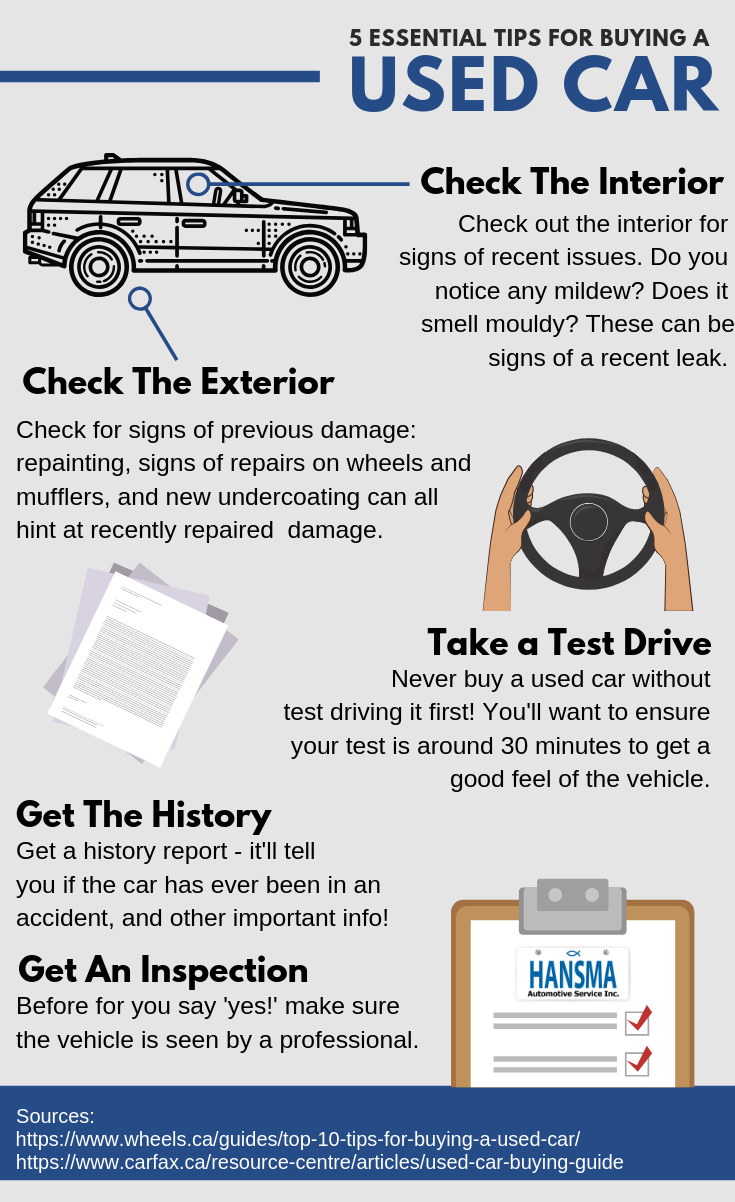
Regardless of where you find your used car, a comprehensive pre-purchase inspection (PPI) by an independent, certified mechanic is perhaps the most critical financial safeguard. This small upfront investment, typically ranging from $100-$200, can reveal hidden issues (e.g., frame damage, transmission problems, engine woes) that could cost thousands to repair post-purchase. It provides an objective assessment of the vehicle’s true condition, empowers you with negotiation leverage, and most importantly, prevents you from inheriting a “lemon.” Skipping a PPI is a false economy that almost always leads to greater financial stress down the road.
Understanding Financing Options: Interest Rates and Loan Terms
For many, financing is an integral part of buying a used car. Understanding your financing options is paramount to a financially responsible purchase. Shop around for interest rates from banks, credit unions, and online lenders before you even start looking at cars. Getting pre-approved for a loan gives you clarity on your budget and negotiation power at the dealership. Be wary of extended loan terms (e.g., 72 or 84 months) which, while lowering monthly payments, significantly increase the total interest paid over the life of the loan and expose you to negative equity. Always calculate the total cost of the loan, not just the monthly payment, to make a truly informed financial decision.
The Total Cost of Ownership: Beyond the Sticker Price (Insurance, Maintenance)
The sticker price is just one component of a vehicle’s true financial burden. A savvy buyer considers the “total cost of ownership” (TCO). This includes fuel costs, insurance premiums (which can vary wildly depending on the car’s make, model, age, and your driving record), routine maintenance (oil changes, tires, brakes), and potential repairs. Researching these factors for your desired make and model before buying can prevent budget shock. Websites like Edmunds.com or Kelley Blue Book often provide TCO estimates for various vehicles. Choosing a car with a reputation for reliability and affordable parts can lead to substantial long-term savings, making a slightly more expensive initial purchase a financially superior choice in the long run.
Strategic Tips for a Financially Sound Used Car Purchase
Navigating the used car market requires more than just knowing where to look; it demands a strategic mindset focused on financial optimization.
Setting a Realistic Budget: The Foundation of Smart Buying
Before you even begin browsing, establish a firm, realistic budget that accounts for not just the purchase price, but also taxes, registration fees, insurance, and that all-important pre-purchase inspection. Consider the “20/4/10 rule” as a guideline for financing: a 20% down payment, a loan term no longer than four years, and total monthly car expenses (payment, insurance, fuel) not exceeding 10% of your gross monthly income. Adhering to a well-defined budget prevents overspending and ensures your car purchase enhances, rather than detracts from, your overall financial health.
Due Diligence: Researching Vehicle History and Depreciation
Thorough research is your most powerful financial tool. Obtain a comprehensive vehicle history report (CarFax, AutoCheck) to check for accidents, flood damage, salvage titles, service history, and odometer discrepancies. These reports are a crucial investment, revealing potential financial liabilities. Furthermore, research the depreciation rates of different models. Some vehicles hold their value better than others, which can impact your equity and resale value down the line. Understanding a car’s historical reliability and common issues for its specific make and model year can also inform your decision, guiding you toward vehicles with a lower likelihood of expensive future repairs.

Negotiation Tactics: Securing the Best Deal
Negotiation is an art, but it’s fundamentally a financial strategy. Be prepared to walk away if the price isn’t right. Arm yourself with market research (from aggregator sites and local listings) to justify your offer. Always negotiate the “out-the-door” price, which includes all fees, rather than just the sticker price. If financing through a dealership, negotiate the car price before discussing financing, as these are often separate profit centers. Highlighting minor imperfections identified during a test drive or PPI can also provide leverage. A confident, informed approach to negotiation can save you hundreds, if not thousands, of dollars, ensuring you secure the best possible financial outcome for your used car purchase.
In conclusion, the journey to finding the perfect used car is multifaceted, but by approaching it with a clear financial strategy and an understanding of the diverse avenues available, you can transform a potentially stressful expenditure into a smart, value-driven investment. From leveraging digital tools to navigating traditional dealerships and exploring specialized markets, every step should be guided by principles of prudence, diligence, and long-term financial foresight.
aViewFromTheCave is a participant in the Amazon Services LLC Associates Program, an affiliate advertising program designed to provide a means for sites to earn advertising fees by advertising and linking to Amazon.com. Amazon, the Amazon logo, AmazonSupply, and the AmazonSupply logo are trademarks of Amazon.com, Inc. or its affiliates. As an Amazon Associate we earn affiliate commissions from qualifying purchases.