
For the vast majority of households, a vehicle represents the second-largest financial investment after a primary residence. Yet, unlike real estate, which historically appreciates, a car is a rapidly depreciating asset. The “tune-up,” a term once used for mechanical adjustments, has evolved into a comprehensive preventative maintenance strategy. Choosing where to get a tune-up is no longer just a matter of mechanical convenience; it is a critical financial decision that impacts your net worth, your monthly cash flow, and the long-term ROI of your vehicle.
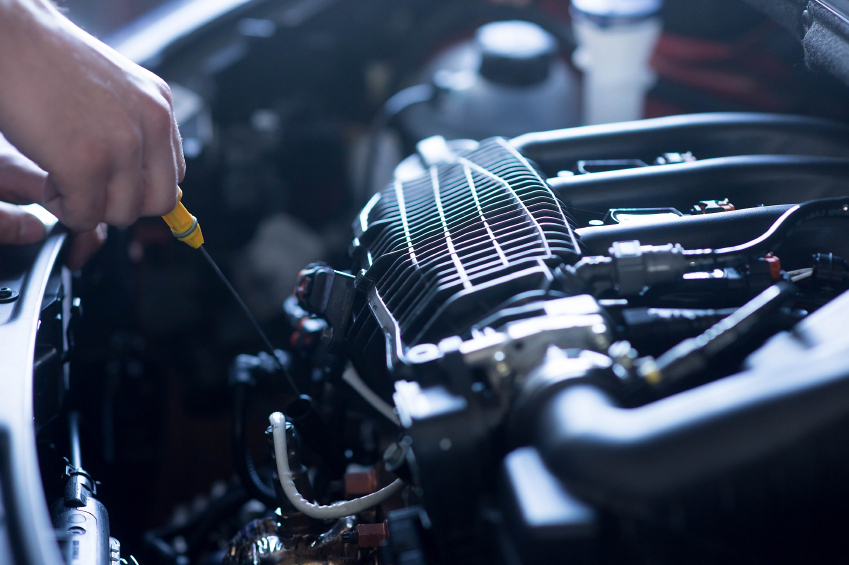
In an era of high interest rates for auto loans and fluctuating used-car market valuations, maintaining the mechanical integrity of your current vehicle is often the most sound fiscal move an individual can make. Understanding the financial landscape of service providers allows you to optimize every dollar spent on maintenance.
The Financial Rationale for Regular Maintenance
The decision to seek out a tune-up is essentially a risk-management strategy. By allocating a small amount of capital today, you are hedging against the high-probability risk of catastrophic mechanical failure tomorrow.
Protecting Your Net Worth through Asset Longevity
Every mile added to an odometer typically decreases a vehicle’s value, but the rate of that depreciation is not fixed. A vehicle with a documented history of professional “tune-ups” and preventative maintenance retains a significantly higher resale value. From a personal finance perspective, extending the life of a vehicle from 100,000 miles to 200,000 miles essentially cuts the annualized cost of ownership in half. By choosing a reputable service provider, you are not just buying spark plugs and filters; you are purchasing a “certified history” that functions as a value-add when it comes time to liquidate the asset.
The Cost of Neglect vs. Scheduled Service
The math of car maintenance is unforgiving. A standard tune-up—including fluid checks, sensor calibrations, and ignition system reviews—might cost between $200 and $800 depending on the vehicle class. Conversely, neglecting these systems can lead to engine failures or transmission issues that cost upwards of $5,000 to $10,000. In terms of percentage-based returns, the “savings” generated by avoiding a major repair through regular maintenance represents a massive internal rate of return (IRR) on your maintenance spend.
Navigating Service Providers: Dealerships vs. Independent Shops
When deciding where to get a tune-up, the primary choice is between a franchise dealership and an independent mechanic. This choice should be dictated by your vehicle’s warranty status, its technological complexity, and your specific budget constraints.
The Dealership Premium: Is It Worth the ROI?
Dealerships generally charge 20% to 50% more for labor than independent shops. However, this premium often covers specialized diagnostic software and technicians trained specifically by the manufacturer. If your vehicle is still under warranty, the dealership is often the only place where service records are automatically integrated into the manufacturer’s global database. Financially, this creates a “paper trail” that is invaluable during trade-ins. For high-end luxury or performance vehicles, the specialized knowledge of a dealership can prevent costly errors that a generalist might make, effectively making the higher upfront cost a form of insurance.
Independent Mechanics and the Value of Lower Overhead
For vehicles outside of the initial warranty period, independent shops often provide the best value-to-cost ratio. These businesses have lower overhead costs and more flexibility in sourcing parts (OEM vs. high-quality aftermarket). From a budget perspective, finding a trusted independent mechanic allows for a more personalized financial relationship. Many independent shops will prioritize repairs, letting you know which “tune-up” items are critical for safety and which can be deferred to a later budget cycle. This transparency is a key tool in managing monthly cash flow.
Budgeting and Financial Tools for Vehicle Care
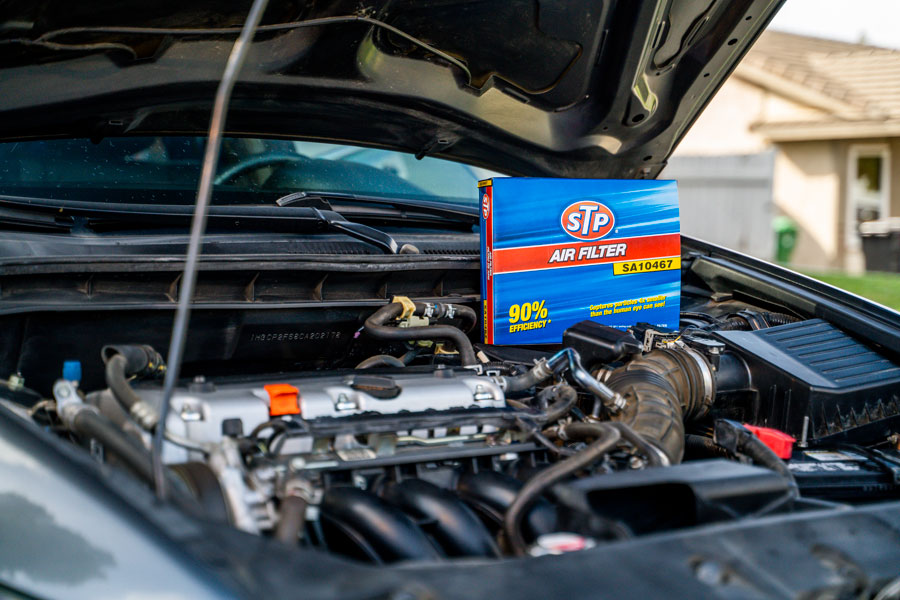
Treating car maintenance as an emergency is a common financial mistake. Instead, sophisticated personal finance management treats maintenance as a predictable, recurring expense.
Creating a Maintenance Sinking Fund
The most effective way to handle the cost of a tune-up is through a “sinking fund.” By analyzing your annual mileage and the manufacturer’s suggested service intervals, you can calculate an “accrual rate” for your car. For example, if you know a major $600 service is due every 12 months, setting aside $50 a month into a high-yield savings account ensures that the “tune-up” is pre-funded. This prevents the need to rely on high-interest credit cards when a service light appears, protecting your credit score and overall financial health.
Leveraging FinTech for Repair Financing and Tracking
The modern financial ecosystem offers various tools to help manage the cost of vehicle service. Apps that track vehicle health can sync with your bank account to provide real-time updates on upcoming maintenance costs. Furthermore, many service centers now offer “Buy Now, Pay Later” (BNPL) options or branded credit cards with 0% introductory APR for 6 to 12 months. While these should be used cautiously, they can be effective tools for managing a large “tune-up” or major repair without liquidating your emergency fund, provided the balance is paid within the interest-free window.
The DIY Approach: Investment in Tools and Skill Acquisition
For those looking to maximize their side-hustle potential or minimize personal expenses, performing a tune-up at home is a viable financial strategy. However, it requires an upfront capital investment in tools.
Calculating the Hourly Rate of Self-Service
When you perform your own tune-up, you are essentially “hiring” yourself. If a shop charges $150 per hour for labor and you can perform the same task in two hours, you have effectively “earned” $300 in tax-free income by saving that expenditure. Over time, the cost of a basic toolkit (wrenches, OBD-II scanner, floor jack) pays for itself. For the financially minded, this is an investment in human capital—gaining a skill that reduces your lifetime cost of living.
When DIY Becomes a Financial Liability
It is crucial to recognize the “point of diminishing returns” in DIY maintenance. Modern vehicles are heavy on software and electronics. Attempting a complex tune-up without the proper diagnostic computers can lead to broken sensors or improperly calibrated systems. The cost of towing a “half-repaired” car to a professional, plus the “correction fee” many mechanics charge to fix amateur mistakes, can far exceed the original quote. A disciplined financial approach involves knowing which low-risk tasks to handle at home (filters, oil, spark plugs) and which high-risk tasks to outsource to professionals.
Determining the Exit Point: Repair or Replace?
Part of knowing “where” to get a tune-up is knowing “if” you should get one at all. This involves a rigorous analysis of the vehicle’s current market value versus its utility value.
Analyzing the Sunk Cost Fallacy in Vehicle Maintenance
The “Sunk Cost Fallacy” is the tendency to continue investing in a losing proposition because of previous investments. If a car is worth $3,000 and requires a $1,500 tune-up and repair, many owners feel compelled to pay because they “just put new tires on it last year.” A professional financial assessment requires looking only at future costs. If the $1,500 investment provides another 12 months of reliable transportation (effectively a $125/month “car payment”), it is likely a sound investment. If the repair only delays an inevitable engine failure, that capital should instead be used as a down payment on a more reliable asset.
Impact of Service Records on Private Party Resale Value
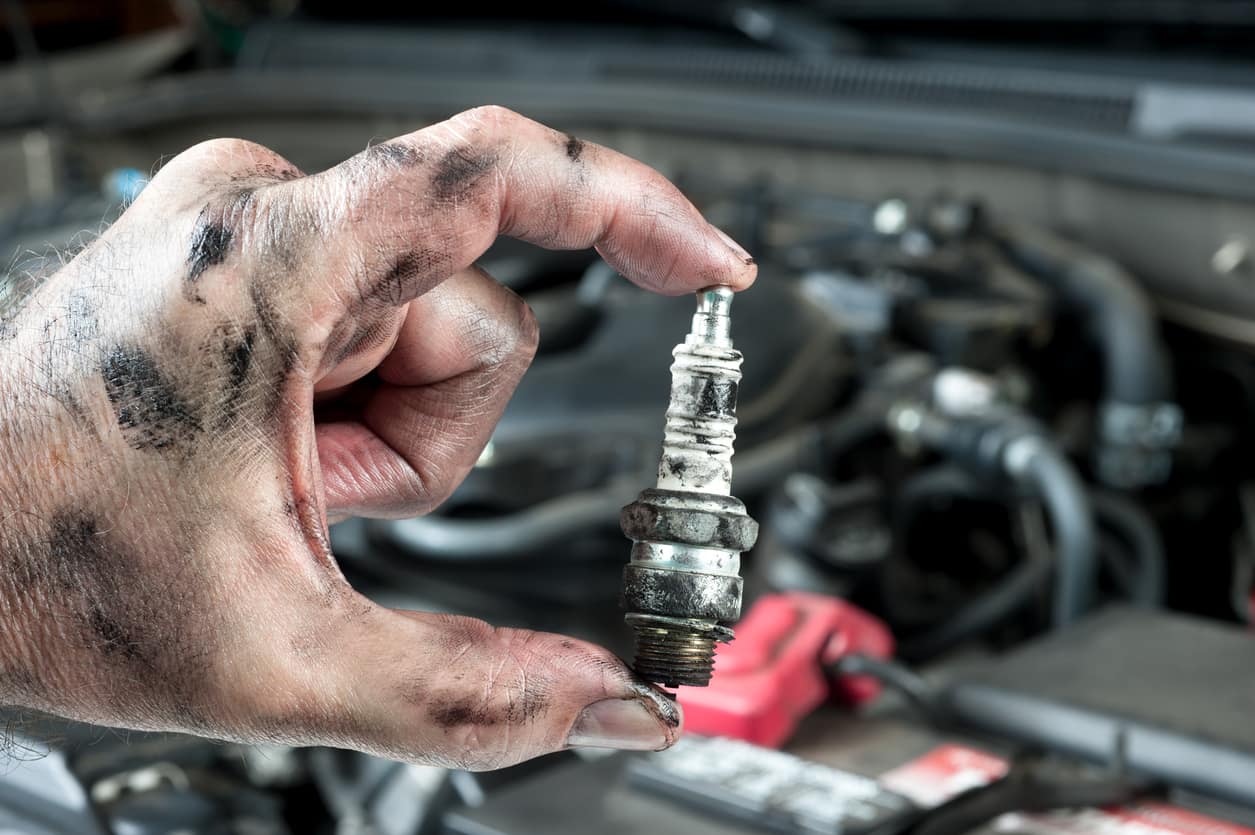
If you plan to sell your vehicle privately rather than trading it in, the location of your tune-up matters immensely. Buyers in the private market are often wary of “hidden” mechanical issues. A binder full of receipts from a reputable service center acts as a “Proof of Quality” certificate. In many cases, a well-documented $500 tune-up can increase the final sale price of a used car by $1,000 or more, representing a 200% return on the maintenance investment.
Ultimately, finding the right place for a tune-up is an exercise in balancing immediate costs against long-term asset value. Whether you choose the expertise of a dealership, the value of an independent shop, or the sweat equity of a DIY approach, the goal remains the same: to minimize the total cost of ownership while maximizing the utility and resale potential of your vehicle. By applying these financial principles, you transform a routine chore into a strategic move for your personal balance sheet.
aViewFromTheCave is a participant in the Amazon Services LLC Associates Program, an affiliate advertising program designed to provide a means for sites to earn advertising fees by advertising and linking to Amazon.com. Amazon, the Amazon logo, AmazonSupply, and the AmazonSupply logo are trademarks of Amazon.com, Inc. or its affiliates. As an Amazon Associate we earn affiliate commissions from qualifying purchases.