
The question, “What should I be paying for auto insurance?” is one that resonates with nearly every vehicle owner. It’s a seemingly simple query with a remarkably complex answer, as auto insurance premiums are not one-size-fits-all. Instead, they are the culmination of a sophisticated algorithm, weighing myriad factors unique to you, your vehicle, and your driving environment. Far from a fixed price, your auto insurance premium is a dynamic financial commitment designed to protect you against unforeseen events, and understanding its underpinnings is the first step toward optimizing this crucial expense.
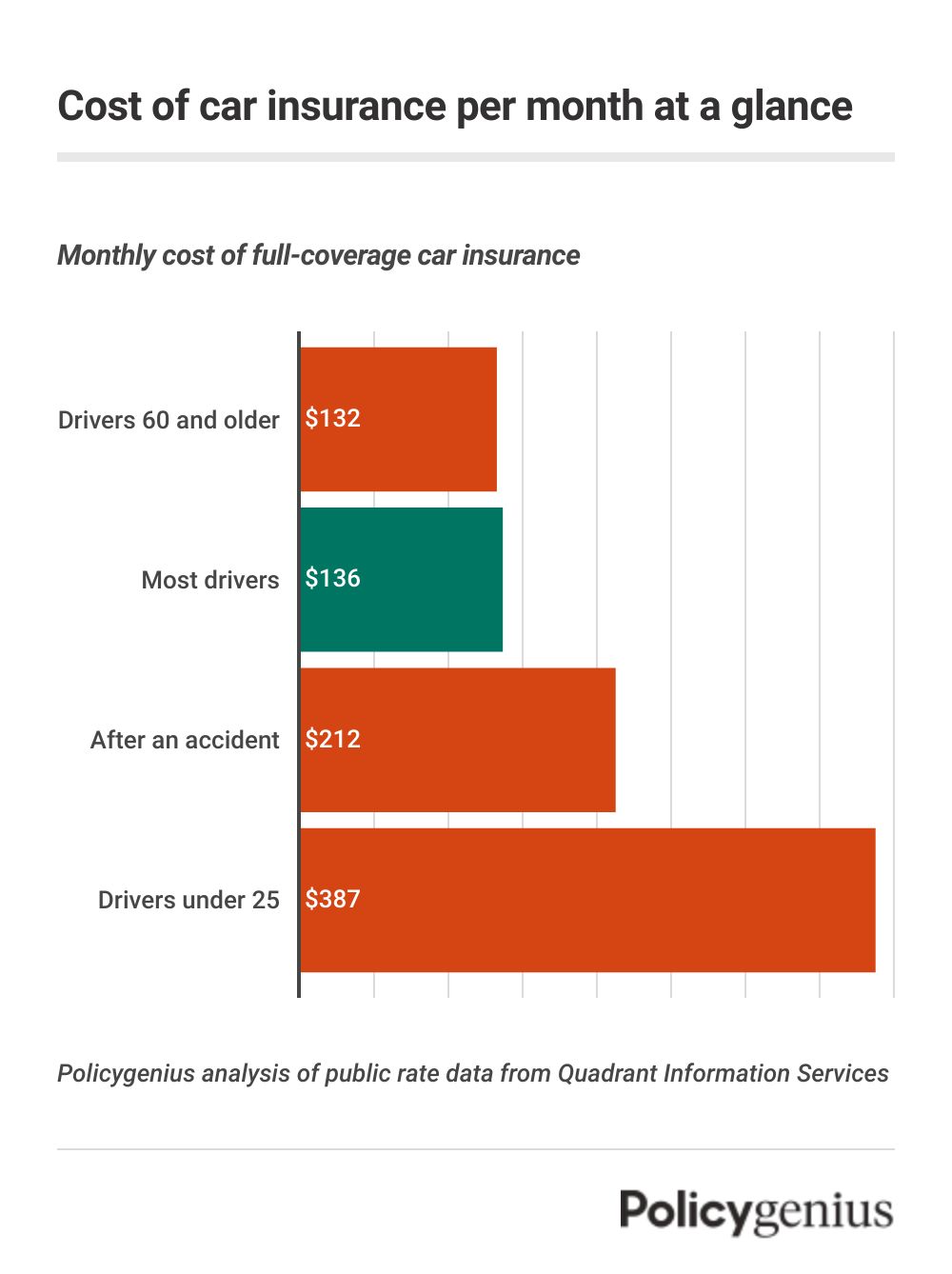
For many, auto insurance is a necessary evil – a mandatory cost of vehicle ownership often viewed with skepticism or frustration. However, when approached strategically, it becomes a powerful financial tool, safeguarding your assets, your financial future, and your peace of mind. Delving into the variables that dictate your rates, the types of coverage available, and the strategies for securing the best value can transform insurance from a dreaded bill into a well-managed personal finance component. This comprehensive guide aims to demystify auto insurance pricing, empowering you to not only understand what you are paying but what you should be paying for adequate, affordable coverage.
The Complex Equation: Factors Influencing Your Auto Insurance Premiums
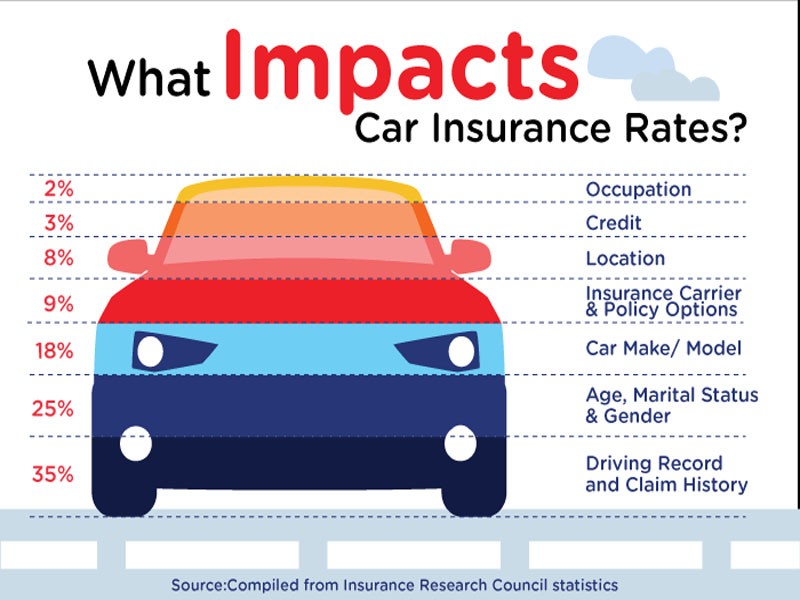
Auto insurance providers are in the business of assessing risk. Every factor they consider ultimately boils down to how likely you are to file a claim and how expensive that claim might be. This risk assessment translates directly into your premium. Understanding these core influencing factors is crucial to grasping why your rate might differ significantly from a friend’s or a neighbor’s.
Personal Demographics and Driving History
Your personal profile is a significant determinant. Age is a primary factor, with younger, less experienced drivers typically facing higher premiums due to a statistically higher risk of accidents. Gender can play a role in some areas, though its influence is diminishing. Marital status also impacts rates, with married individuals often receiving slightly lower premiums. Your credit score, in many states, is a surprisingly powerful influencer; insurers view a good credit history as indicative of responsible behavior, translating to lower risk. Most importantly, your driving record – including accidents, traffic violations, and claims history – directly impacts your rates. A spotless record is your best asset for lower premiums, while even minor infractions can cause increases that linger for years.
Vehicle Characteristics
The car you drive is another major piece of the puzzle. The make, model, and year directly influence repair costs, parts availability, and theft rates. Luxury vehicles, sports cars, and those with expensive or hard-to-find parts generally command higher premiums. Conversely, vehicles with high safety ratings, advanced driver-assistance systems (ADAS), and lower theft rates may qualify for discounts. The vehicle’s primary use (commute, pleasure, business) and annual mileage are also considered, as more time on the road inherently increases exposure to risk.
Geographic Location
Where you live and park your car profoundly impacts your rates. Urban areas, with their higher traffic density, increased accident rates, and greater incidence of theft and vandalism, typically have higher premiums than rural areas. Insurers also analyze local claims data, including the frequency of severe weather events, local crime statistics, and even the prevalence of uninsured motorists in your zip code. Moving just a few miles down the road can sometimes lead to a noticeable change in your insurance costs.
Coverage Choices and Deductibles
Perhaps the most direct influence on your premium is the type and amount of coverage you choose, alongside your deductible levels. State laws mandate minimum liability coverage, but opting for higher limits or adding comprehensive and collision coverage significantly increases your protection—and your premium. A deductible is the amount you agree to pay out-of-pocket before your insurance kicks in for covered losses. Generally, choosing a higher deductible reduces your premium, as you’re taking on more initial financial responsibility. This is a crucial balancing act between managing upfront costs and potential out-of-pocket expenses during a claim.
Beyond the Basics: Understanding Different Coverage Types
Navigating the landscape of auto insurance policies requires a clear understanding of the various coverage types available. While some are legally mandated, others offer invaluable financial protection tailored to your specific needs and risk tolerance.
Mandatory vs. Optional Coverage
At its core, auto insurance typically starts with liability coverage, which is legally required in most states. This protects you financially if you’re at fault in an accident, covering bodily injury (medical expenses, lost wages for the other party) and property damage (repairs to their vehicle or property). The minimum limits are often quite low, and many financial advisors recommend exceeding these minimums to adequately protect your assets. Beyond liability, several other coverages are optional but highly recommended.
Protecting Your Investment: Collision and Comprehensive
Collision coverage pays for damages to your own vehicle resulting from an accident, regardless of who is at fault. This is critical if you have a newer car or a loan on your vehicle, as it ensures your investment is protected. Comprehensive coverage protects your car from non-collision incidents, such as theft, vandalism, fire, natural disasters (hail, floods), or hitting an animal. Both typically come with a deductible and are often required by lenders if you have an auto loan. As your car ages and depreciates, you might consider adjusting or dropping these coverages if the premium cost outweighs the potential payout after a deductible.
Specialized Protections
Several other coverages provide additional layers of security. Uninsured/Underinsured Motorist (UM/UIM) coverage protects you if you’re hit by a driver who has no insurance or insufficient insurance to cover your damages. Medical Payments (MedPay) or Personal Injury Protection (PIP) covers medical expenses for you and your passengers after an accident, regardless of fault (PIP is mandatory in some “no-fault” states). Other popular additions include Rental Reimbursement (covers a rental car while yours is being repaired after a covered loss) and Roadside Assistance (covers towing, jump-starts, flat tire changes). While these add to your premium, they can offer significant convenience and financial relief during stressful situations.
Strategies for Optimizing Your Auto Insurance Costs
While many factors are outside your immediate control, there are numerous proactive steps you can take to significantly reduce your auto insurance premiums without sacrificing essential protection. Smart financial management of your auto insurance involves consistent effort and informed decision-making.
Smart Shopping and Comparison
The golden rule of auto insurance is to shop around. Insurance rates can vary wildly between providers for the exact same coverage. Obtain quotes from at least three to five different companies, including large national carriers, regional insurers, and online-only providers. Don’t be afraid to leverage independent insurance agents who can provide multiple quotes from various companies. Utilize online comparison tools, but always verify quotes directly with the insurer or agent to ensure accuracy and comprehensive coverage details. This is arguably the single most effective strategy for finding the best price.
Leveraging Discounts
Most insurers offer a plethora of discounts that can shave a significant percentage off your premium. Common discounts include:
-
Bundling: Combining auto insurance with homeowner’s or renter’s insurance.
-
Good Driver/Safe Driver: For drivers with no accidents or violations over a certain period.
-
Safe Vehicle: For cars with specific safety features like anti-lock brakes, airbags, or anti-theft devices.
-
Low Mileage: For drivers who don’t drive frequently or long distances.
-
Good Student: For young drivers maintaining a certain GPA.
-
Multi-Car: Insuring more than one vehicle on the same policy.
-
Payment Discounts: For paying in full, enrolling in autopay, or choosing paperless billing.
-
Telematics Programs: Usage-based insurance programs that monitor driving habits (speeding, braking, mileage) via an app or device, offering discounts for safe driving.
Always ask your insurer for a full list of available discounts; you might be surprised by what you qualify for.
Adjusting Deductibles and Coverage Limits
Strategic adjustment of your deductibles can lead to substantial savings. Opting for a higher deductible (e.g., $1,000 instead of $500) lowers your premium because you’re taking on more risk. However, ensure you have sufficient emergency savings to cover that deductible if you need to make a claim. Regularly re-evaluate your coverage limits, especially for older vehicles. As a car depreciates, the cost of collision and comprehensive coverage might eventually outweigh its market value or what you’d receive after a deductible.
Maintaining a Clean Driving Record
This is perhaps the simplest yet most impactful strategy. Accidents and traffic violations directly increase your premiums, sometimes for several years. Driving safely, adhering to speed limits, and avoiding distracted driving not only keeps you safer but also directly translates into lower insurance costs over the long term. Consider defensive driving courses, which some insurers offer discounts for, even if you already have a clean record.
Improving Your Credit Score
In many states, your credit-based insurance score (a separate score from your consumer credit score) significantly influences your premiums. Insurers use this score to predict the likelihood of future claims. Maintaining a good credit history by paying bills on time, keeping credit utilization low, and responsibly managing debt can indirectly lead to lower auto insurance rates.
The Value Proposition: Is Cheaper Always Better?
While finding the lowest premium is often a primary goal, it’s critical to understand that the cheapest policy isn’t always the best value. Auto insurance is a financial safety net, and a policy that falls short when you need it most can lead to far greater costs down the road.
Assessing Your True Needs
Before committing to a policy, honestly assess your personal financial situation, risk tolerance, and driving habits.
-
Assets: Do you own a home, have significant savings, or other valuable assets? In an at-fault accident, inadequate liability coverage could put these assets at risk.
-
Risk Tolerance: Are you comfortable with a higher deductible to save on premiums, knowing you’d have to pay more out-of-pocket after an incident?
-
Driving Habits: Do you drive frequently in high-traffic areas, or is your car mostly parked? This impacts the necessity of certain coverages.
-
Vehicle Value: For older cars, dropping comprehensive and collision might be wise, but for newer or financed vehicles, they are essential.
Tailoring your coverage to your specific needs ensures you’re adequately protected without overpaying for unnecessary features.
The Cost of Inadequate Coverage
The true cost of auto insurance isn’t just the premium you pay; it’s also the potential financial burden you might face if your coverage is insufficient after an accident. If your liability limits are too low and you cause a major accident, you could be personally sued for the remaining damages, potentially losing savings, future earnings, or even your home. Similarly, skimping on collision or comprehensive coverage for a valuable vehicle could leave you with a hefty repair bill or no means to replace your car after an incident. This is why financial advisors often recommend liability limits well above state minimums, especially for individuals with significant assets.
Beyond Price: Company Reputation and Customer Service
While price is a significant factor, don’t overlook the importance of an insurer’s reputation and customer service. A policy from a company with a poor claims process or unresponsive agents can turn a stressful situation into a nightmare. Research customer reviews, check financial strength ratings from agencies like A.M. Best, and inquire about their claims handling process. A slightly higher premium might be well worth it for the peace of mind that comes with a reliable, customer-focused insurer during a challenging time.
Regular Review and Adaptation: Keeping Your Premiums in Check
Auto insurance isn’t a “set it and forget it” expense. Life changes, and so should your policy. Proactive review and adaptation are key to ensuring you’re always getting the best value.
Annual Policy Reviews
Make it a habit to review your auto insurance policy at least once a year, ideally before renewal. This is the perfect time to:
-
Re-evaluate Coverage: Have your assets grown or shrunk? Is your car older and less valuable? Adjust coverage limits and deductibles as needed.
-
Check for New Discounts: Insurers frequently introduce new discounts or update existing ones. Ask your agent what new savings you might qualify for.
-
Update Information: Ensure your mileage, garaging address, and listed drivers are accurate.
-
Shop Around Again: Even if you’re happy with your current insurer, get fresh quotes from competitors. Your current provider may be willing to match or beat a lower offer to retain your business.
Life Event Triggers
Certain life events should immediately trigger a policy review:
-
Marriage or Divorce: Can impact rates and multi-car discounts.
-
Moving: A new address almost always changes your premium.
-
Purchasing a New Car: Update your policy immediately to ensure proper coverage.
-
Adding or Removing Drivers: Adding a new teen driver will significantly increase rates, while removing a driver who no longer lives with you can provide savings.
-
Changes in Employment: If you start working from home, your annual mileage might decrease, qualifying you for a low-mileage discount.

Understanding Policy Renewals
When your policy renews, scrutinize the renewal notice carefully. Look for any premium increases and understand the reasons behind them. Don’t simply accept an increase without questioning it. If you’ve maintained a clean record or your car has aged, your rates might even decrease. If you feel the increase is unwarranted or you find a better offer elsewhere, use it as leverage to negotiate with your current insurer or switch providers.
In conclusion, understanding what you should be paying for auto insurance is an ongoing financial journey. It involves educating yourself on the myriad factors that influence rates, diligently shopping for the best deals, strategically leveraging discounts, and regularly reassessing your needs. By taking a proactive, informed approach, you can transform this essential expense from a burden into a well-managed component of your personal financial strategy, ensuring optimal protection without overpaying.
aViewFromTheCave is a participant in the Amazon Services LLC Associates Program, an affiliate advertising program designed to provide a means for sites to earn advertising fees by advertising and linking to Amazon.com. Amazon, the Amazon logo, AmazonSupply, and the AmazonSupply logo are trademarks of Amazon.com, Inc. or its affiliates. As an Amazon Associate we earn affiliate commissions from qualifying purchases.