
Navigating the world of car insurance can often feel like deciphering a complex financial puzzle. With policies typically offered in 6-month or 12-month terms, understanding what constitutes a “good” premium is crucial for savvy consumers. It’s not merely about finding the cheapest rate; rather, it’s about striking the right balance between comprehensive coverage, reliable service, and a price that aligns with your financial capacity and risk profile. A “good” premium means you’re adequately protected without overpaying for benefits you don’t need or skimping on essential coverage that could lead to financial ruin after an accident. This article will delve into the myriad factors influencing your 6-month car insurance premium, help you benchmark what to expect, and provide actionable strategies to secure the best possible rate tailored to your unique circumstances.
Understanding the Factors That Influence Your 6-Month Premium
Car insurance premiums are highly personalized, a reflection of the intricate risk assessment insurers perform. Many variables contribute to the final price you pay every six months, making it essential to understand how each one plays a role.
Driver-Specific Variables
Your personal profile is a major determinant of your insurance cost. Insurers evaluate how likely you are to file a claim based on your history and characteristics.
-
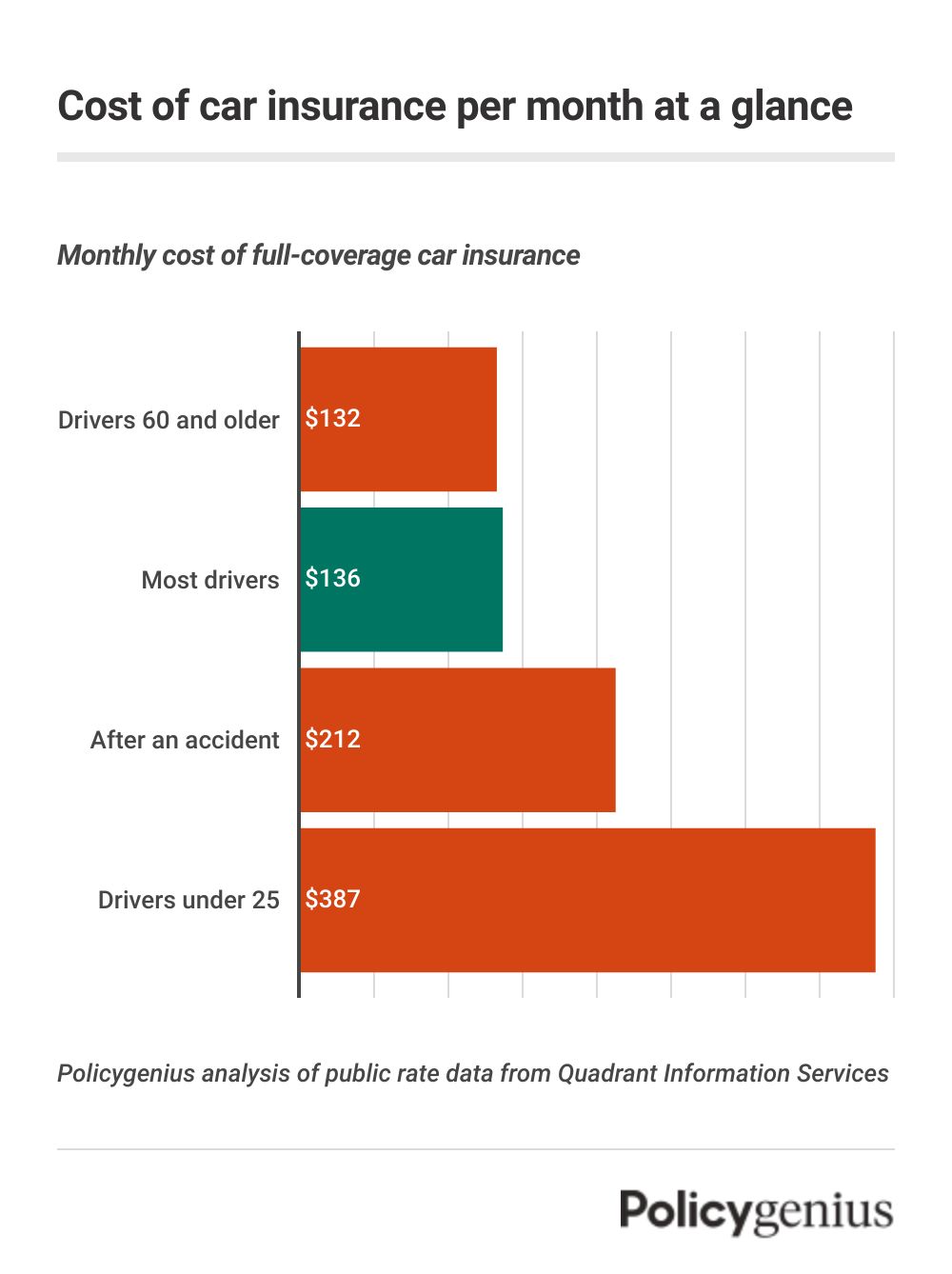
Age and Driving Experience: Younger, less experienced drivers (especially teenagers and those under 25) typically face significantly higher premiums due to their statistical propensity for accidents. As drivers mature and gain more experience, rates tend to decrease, assuming a clean record.
-
Driving Record: This is arguably the most impactful factor. A history of accidents, speeding tickets, or serious violations like DUIs will drastically increase your premium for several years. Conversely, a clean driving record often qualifies you for “good driver” discounts.
-
Credit Score: In many states, insurers use a credit-based insurance score as a predictor of future claims. Individuals with higher credit scores are often perceived as more responsible and, consequently, may receive lower premiums.
-
Location: Where you live and park your car significantly influences your premium. Urban areas with higher traffic density, crime rates (theft and vandalism), and greater instances of uninsured motorists often result in higher rates compared to rural or suburban areas.
-
Marital Status and Gender: Married individuals often receive slightly lower rates, as statistics suggest they are less likely to be involved in accidents. While gender was historically a more prominent factor, its impact has diminished due to regulatory changes and a broader understanding of risk.
Vehicle-Specific Variables
The type of car you drive also plays a substantial role in your premium calculation.
-
Make, Model, and Year: The cost to repair or replace your vehicle, its susceptibility to theft, and its safety ratings all factor in. Luxury cars, sports cars, and vehicles with expensive, specialized parts typically cost more to insure. Conversely, vehicles with high safety ratings often qualify for discounts.
-
Safety Features: Modern vehicles equipped with advanced safety features like anti-lock brakes, airbags, adaptive cruise control, lane departure warnings, and automatic emergency braking can lead to lower premiums, as these features reduce the risk of accidents or their severity.
-
Usage: How much you drive and for what purpose matters. A vehicle used for daily commuting typically incurs a higher premium than one used solely for leisure, as higher mileage increases the exposure to risk. Some insurers offer discounts for low-mileage drivers.
Coverage Choices and Deductibles
The specific coverages you select and your chosen deductible levels directly impact your 6-month premium.
-
Types of Coverage: The more comprehensive your coverage, the higher your premium. Basic liability coverage (required by law in most states) is the cheapest but offers minimal protection for your own losses. Adding collision (for damage to your car in an accident), comprehensive (for non-collision damage like theft or natural disasters), uninsured/underinsured motorist, and medical payments/personal injury protection (PIP) will increase your premium.
-
Deductible Levels: This is the amount you pay out-of-pocket before your insurance kicks in for collision or comprehensive claims. A higher deductible typically results in a lower premium, as you are assuming more of the initial financial risk. Conversely, a lower deductible means higher premiums.
-
Add-ons: Optional coverages such as roadside assistance, rental car reimbursement, gap insurance, and new car replacement will also add to your premium.
Benchmarking a “Good” Premium: What to Expect
Defining a universally “good” 6-month premium is challenging due to the highly individualized nature of insurance pricing. However, understanding average costs and the factors that cause them to fluctuate can provide a valuable benchmark.
The National Landscape of Car Insurance Costs
Across the United States, average car insurance costs can vary widely. While precise figures constantly change due to inflation, claim frequency, and market dynamics, a national average for a full coverage 6-month premium might range from approximately $750 to $1,500, translating to $125-$250 per month. This average, however, is a broad stroke that includes a vast spectrum of drivers, vehicles, and coverage levels. For a young, inexperienced driver with minimal coverage, even $1,800 for six months might be considered reasonable, whereas an experienced driver with a clean record and a safe vehicle might consider anything above $900 for six months to be too high for robust coverage.
Regional and State-Specific Differences
Insurance costs are heavily influenced by the state and even the specific zip code where you live. States with higher population densities, more stringent minimum coverage requirements, frequent severe weather events, or higher rates of insurance fraud tend to have higher average premiums. For instance, drivers in states like Michigan (due to historically high PIP requirements), Louisiana, Florida, and New York often face significantly higher premiums than those in states like Iowa, North Carolina, or Idaho. Local factors like the prevalence of uninsured drivers, the cost of labor and parts for vehicle repairs, and local legal environments also play a critical role.
Personalized Benchmarks
Given the vast variations, the most effective way to benchmark a “good” premium is to personalize it.
-
Compare with Similar Demographics: Research average rates for drivers with a similar age, driving record, credit score, and vehicle type in your specific area. Online comparison tools can often provide localized data.
-
Understand Your Risk Profile: If you are a young driver, have a recent accident on your record, or drive a high-value car, your “good” premium will naturally be higher than someone with a spotless record driving an older, safer vehicle.
-
Focus on Value, Not Just Price: A “good” premium is one that offers adequate coverage limits and a reasonable deductible for your financial situation. The cheapest policy might leave you underinsured in the event of a major accident, leading to significant out-of-pocket expenses. Ensure you have sufficient liability coverage to protect your assets, and collision/comprehensive coverage if your car is valuable or financed.

Strategies to Secure a Better 6-Month Premium
Finding a good 6-month premium requires proactive effort and smart decision-making. There are several effective strategies you can employ to lower your costs without compromising essential protection.
Optimizing Your Driving Profile
Your behavior on the road is your most potent tool for lowering insurance costs.
-
Maintain a Clean Driving Record: Avoid accidents, speeding tickets, and other moving violations. A spotless record is the single best way to qualify for lower rates and “good driver” discounts.
-
Take Defensive Driving Courses: Many insurers offer discounts for completing approved defensive driving or accident prevention courses, especially for younger drivers or those looking to offset minor infractions.
-
Improve Your Credit Score: As mentioned, a higher credit-based insurance score can lead to lower premiums in many states. Paying bills on time, reducing debt, and monitoring your credit report can help improve this score.
Smart Vehicle Choices and Usage
The car you choose and how you use it have a direct impact on your rates.
-
Consider Insurance Costs When Buying a Car: Before purchasing a vehicle, get insurance quotes for several models you’re considering. Some vehicles are simply more expensive to insure due to their value, repair costs, or theft rates.
-
Reduce Annual Mileage: If possible, reducing the number of miles you drive annually can lead to lower premiums, especially if your insurer offers low-mileage discounts or uses telematics devices.
-
Install Anti-Theft Devices: Factory-installed or aftermarket anti-theft systems like car alarms, immobilizers, and GPS trackers can often qualify you for a discount on your comprehensive coverage.
Leveraging Discounts and Bundling
Insurance companies offer a wide array of discounts that many policyholders overlook.
-
Multi-Policy Discounts (Bundling): One of the easiest ways to save is to purchase multiple insurance policies (e.g., car and home, renters, or life insurance) from the same provider. This can often result in significant savings on both policies.
-
Multi-Car Discounts: Insuring more than one vehicle on the same policy with the same company almost always results in a discount for each car.
-
Good Student Discounts: Students who maintain a certain GPA can often qualify for discounts, recognizing their perceived responsibility.
-
Telematics/Usage-Based Insurance (UBI): Many insurers offer programs where a device or app monitors your driving habits (speed, braking, mileage). Safe drivers can earn substantial discounts.
-
Payment Discounts: Paying your 6-month premium in full rather than in monthly installments can often save you money, as can setting up automatic payments.
Reviewing and Adjusting Coverage
Your insurance needs change over time; your policy should too.
-
Periodically Assess Your Coverage Needs: As your car ages and depreciates, you might consider adjusting your collision and comprehensive coverage. For an older car with low resale value, the cost of these coverages might outweigh the potential payout after a total loss.
-
Adjust Deductibles: If you have a solid emergency fund, consider increasing your deductibles for collision and comprehensive coverage. A higher deductible will lower your premium, but ensure you can comfortably afford the out-of-pocket expense if you need to file a claim.
-
Drop Unnecessary Add-ons: Review any optional coverages you might have. If you already have roadside assistance through another service (like an auto club or your car manufacturer), you might not need it on your insurance policy.
The Process of Finding Your Best 6-Month Premium
Securing a truly “good” 6-month premium isn’t a one-time event; it’s a process of diligent research, comparison, and periodic review.
Gathering Necessary Information
Before you start shopping, have all your essential details ready. This will streamline the quote process and ensure accuracy.
-
Vehicle Details: Have your car’s VIN (Vehicle Identification Number), make, model, year, current mileage, and any specific safety or anti-theft features at hand.
-
Driver Details: Prepare the driver’s license numbers for all drivers to be included on the policy, along with their birth dates, marital status, and a detailed driving history (including any accidents or tickets in the last 3-5 years).
-
Current Policy Information: If you have existing insurance, know your current coverage limits and deductibles so you can compare “apples-to-apples” with new quotes.
Shopping Around and Comparing Quotes
This is perhaps the most critical step in finding a competitive premium.
-
Utilize Online Aggregators: Websites that allow you to get multiple quotes from different insurers by filling out one form can save a lot of time.
-
Visit Direct Insurer Websites: Don’t rely solely on aggregators. Some insurers offer exclusive online discounts or might provide better rates directly.
-
Consult Independent Agents: An independent insurance agent works with multiple companies and can often help you find policies that best fit your needs and budget, acting as a valuable advocate.
-
Ensure “Apples-to-Apples” Comparison: When comparing quotes, make absolutely sure you are comparing identical coverage limits, deductibles, and included benefits. A cheaper quote might simply offer less protection. Get at least 3-5 quotes to get a comprehensive view of the market.
Understanding the Policy Details
Once you have competitive quotes, dive into the specifics before committing.
-
Read the Fine Print: Don’t just look at the premium amount. Understand what’s covered, what’s excluded, any limitations, and the conditions for filing a claim.
-
Clarify Coverage Limits: Ensure your liability limits are high enough to protect your assets. Understand your collision and comprehensive deductibles.
-
Ask Questions: Don’t hesitate to ask your agent or insurer about anything you don’t understand, including the claims process, cancellation policies, and how rate increases are determined.

Regular Reviews and Re-Evaluation
Car insurance is not a “set it and forget it” product.
-
Review at Renewal: Every 6 months, when your policy is up for renewal, take the opportunity to shop around again. Your rates can change even if your circumstances haven’t, due to changes in the insurer’s risk models or general market trends.
-
Update When Life Circumstances Change: Major life events—getting married, moving to a new area, purchasing a new car, adding a new driver to your household, improving your credit score, or even a child going off to college—should all prompt a review of your policy and a discussion with your insurer about potential savings.
In conclusion, a “good” 6-month premium for car insurance is ultimately a subjective measure, deeply intertwined with your personal risk profile, coverage needs, and financial preferences. It’s less about finding a specific dollar amount and more about finding the optimal balance of comprehensive protection and affordability. By understanding the factors that influence your rates, actively seeking out discounts, regularly comparing quotes, and periodically reassessing your coverage, you can proactively manage your insurance costs and ensure you’re getting the best possible value for your money. Informed decision-making and diligent research are your most powerful tools in navigating the car insurance market and securing a premium that truly serves your financial well-being.
aViewFromTheCave is a participant in the Amazon Services LLC Associates Program, an affiliate advertising program designed to provide a means for sites to earn advertising fees by advertising and linking to Amazon.com. Amazon, the Amazon logo, AmazonSupply, and the AmazonSupply logo are trademarks of Amazon.com, Inc. or its affiliates. As an Amazon Associate we earn affiliate commissions from qualifying purchases.