
Car insurance is a legal necessity for most drivers and a fundamental component of responsible vehicle ownership. Far more than just a legal requirement, it serves as a critical financial safety net, protecting individuals from the potentially devastating costs associated with accidents, theft, and other unforeseen events. However, the cost of this essential protection can vary wildly, leading many consumers to wonder how their premiums are calculated and, more importantly, how they can secure the best possible rates without compromising crucial coverage.
Understanding “how much you pay for car insurance” is not merely about finding the cheapest policy; it’s about making an informed financial decision that balances cost, coverage, and peace of mind. This comprehensive guide delves into the intricate factors that influence your car insurance premiums, demystifies the various coverage options, and provides actionable strategies to help you navigate the market, ultimately empowering you to optimize your spending while maintaining adequate protection.
The Core Factors Influencing Your Car Insurance Premiums
Insurance companies are masters of risk assessment. When you apply for a policy, they analyze a multitude of data points to determine the likelihood of you filing a claim and the potential cost of that claim. These factors are broadly categorized into two main areas: your personal driving profile and the characteristics of your vehicle.
Personal Driving Profile: Who You Are Matters
The person behind the wheel is arguably the most significant factor in calculating insurance premiums. Insurers evaluate your history and demographic data to gauge your risk level.
-
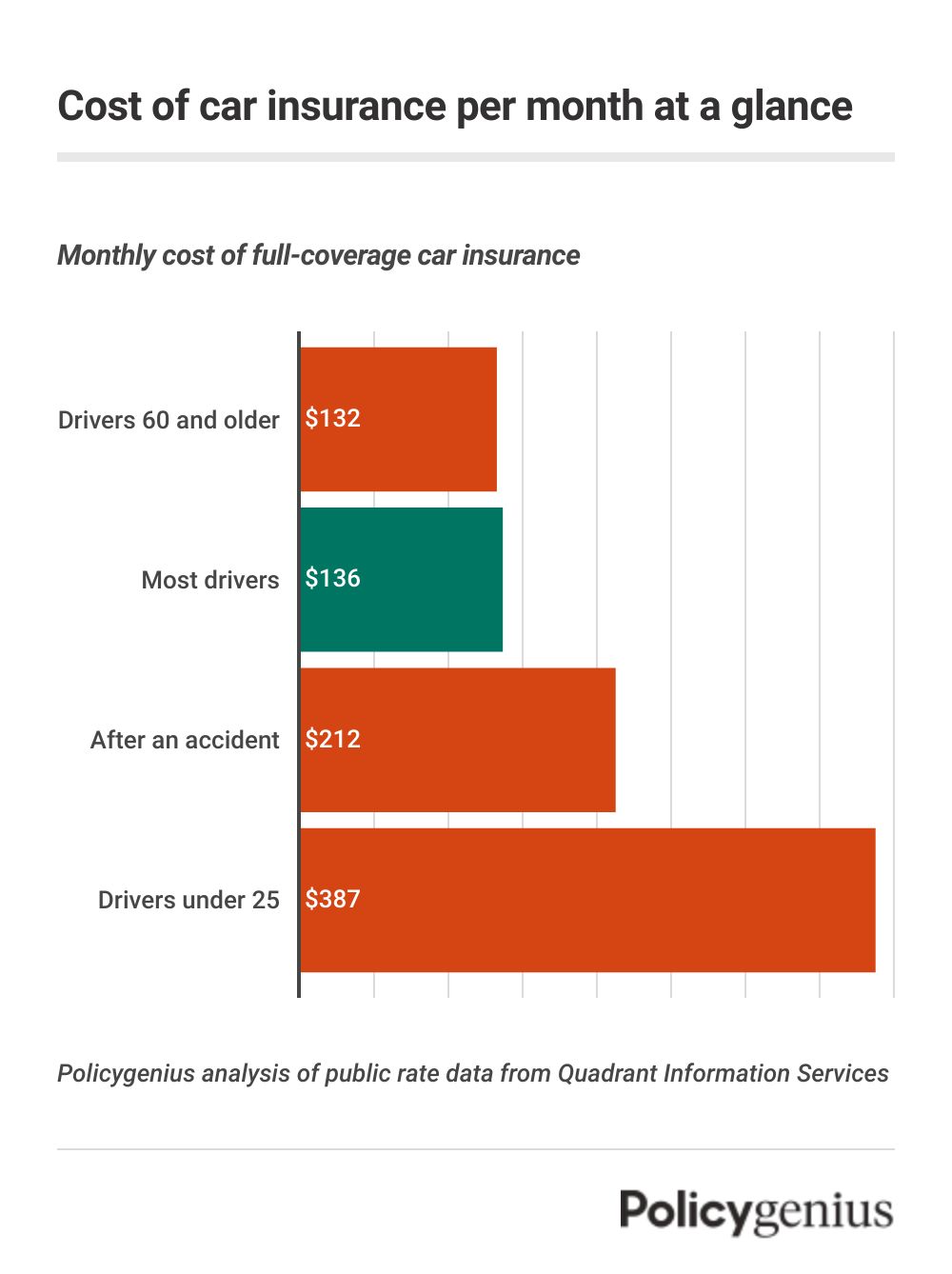
Age and Driving Experience: Statistically, younger, inexperienced drivers (typically under 25) are involved in more accidents, leading to significantly higher premiums. As drivers gain experience and age, their rates generally decrease, assuming a clean driving record. However, premiums can tick up again for very senior drivers, reflecting a different set of age-related risks.
-
Driving Record (Accidents, Tickets): This is perhaps the most direct indicator of future risk. A history of traffic violations (speeding, reckless driving, DUIs) or at-fault accidents signals to insurers that you are a higher risk, resulting in substantially increased premiums. Conversely, a clean driving record is your best asset for lower rates.
-
Location (Zip Code, Urban vs. Rural): Where you live and park your car plays a crucial role. Urban areas often have higher accident rates, more traffic congestion, and a greater risk of theft and vandalism, leading to higher premiums than rural areas. Even within the same city, specific zip codes can have vastly different rates based on local crime statistics, accident frequency, and population density.
-
Credit Score (Where Permitted): In many states, insurance companies use a credit-based insurance score as a predictor of claim likelihood. Studies suggest a correlation between lower credit scores and a higher propensity to file claims. While not identical to a traditional credit score, it’s heavily influenced by your financial habits. Improving your credit can, therefore, indirectly lead to lower insurance costs in states where this practice is allowed.
Vehicle Characteristics: What You Drive Affects Costs
Beyond who is driving, what is being driven also heavily influences the premium. The make, model, and features of your car contribute significantly to the perceived risk and potential cost of repairs or replacement.
-
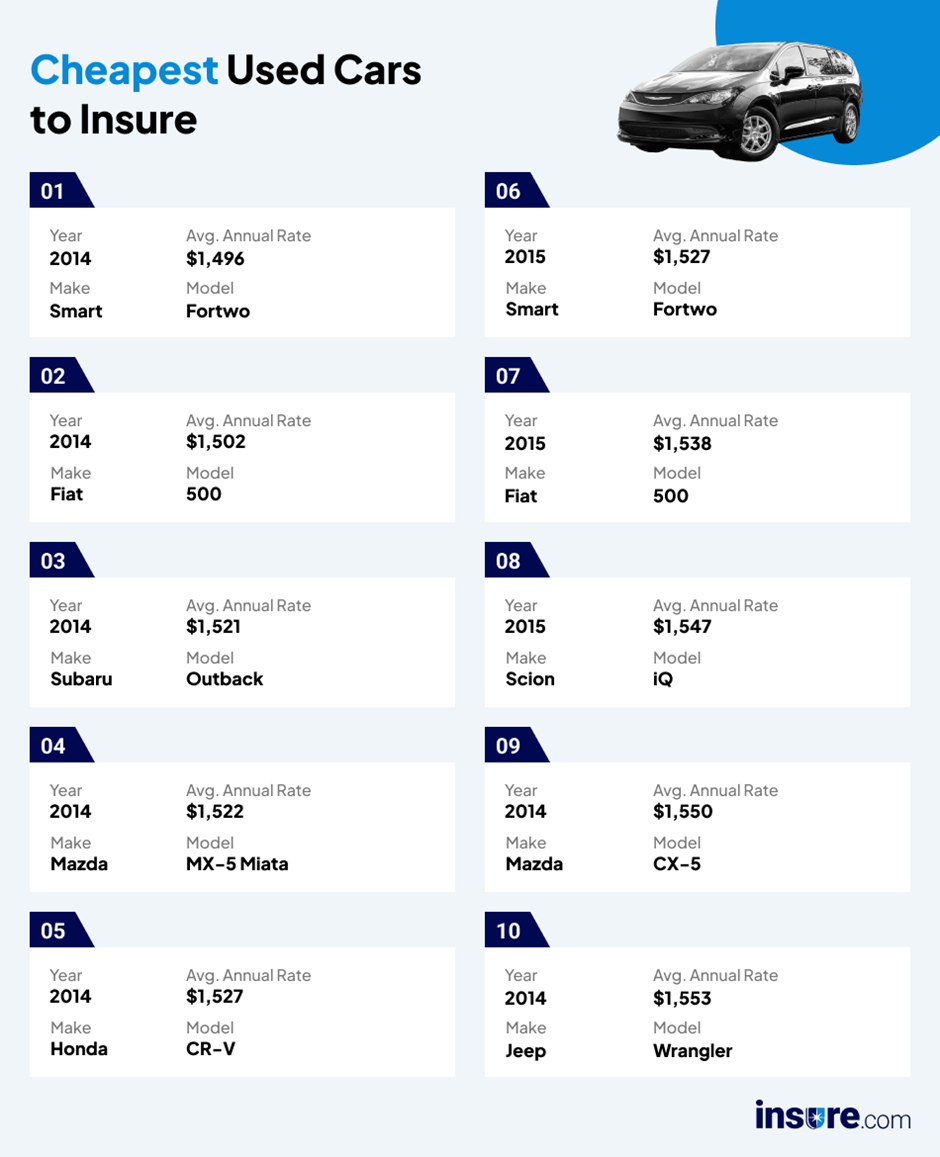
Make, Model, and Year: Luxury vehicles, sports cars, and high-performance models typically command higher premiums. This is due to their higher purchase price, more expensive parts, specialized repair requirements, and often, a greater statistical likelihood of being driven aggressively or targeted by thieves. Less expensive, standard sedans or family cars generally have lower rates.
-
Safety Features: Modern vehicles equipped with advanced safety features like anti-lock brakes (ABS), airbags, electronic stability control, and advanced driver-assistance systems (ADAS) such as automatic emergency braking or lane-keeping assist, can sometimes qualify for discounts. These features reduce the likelihood of accidents or minimize their severity.
-
Repair Costs and Parts Availability: Cars that are expensive or difficult to repair, or those with rare and costly parts, will typically have higher premiums for collision and comprehensive coverage. Imported parts, specialized labor, or advanced technology in a vehicle can all drive up repair costs, which insurers factor into your rate.
-
Vehicle Usage (Commute, Pleasure, Business): The more you drive, the higher the risk of an accident. If you use your car for a long daily commute, your premiums will likely be higher than if you only use it for occasional pleasure drives or low-mileage errands. Business use, which often involves more time on the road and different types of risks, also typically incurs higher rates.
Deciphering Your Car Insurance Policy and Coverage Options
Understanding the various types of coverage is crucial for making informed financial decisions. Policies are not one-size-fits-all, and a clear grasp of each component helps you tailor your protection to your specific needs and budget.
Mandatory vs. Optional Coverages: Understanding the Essentials
While requirements vary by state, certain coverages are universally recognized as fundamental.
-
Liability Coverage (Bodily Injury, Property Damage): This is the bedrock of any car insurance policy and is legally mandated in most states. It protects you financially if you are at fault in an accident.
-
Bodily Injury Liability: Pays for medical expenses, lost wages, and pain and suffering for others involved in an accident where you are at fault.
-
Property Damage Liability: Covers the cost of damage to another person’s vehicle or property (e.g., fence, building) if you cause an accident.
Determining appropriate liability limits is a key financial decision; carrying higher limits than the state minimum offers greater protection for your assets.
-
-
Personal Injury Protection (PIP) / Medical Payments: Required in “no-fault” states, PIP covers medical expenses for you and your passengers, regardless of who caused the accident. Medical Payments (MedPay) coverage, available in other states, offers similar protection but often with more limited scope and without covering lost wages. These are vital for protecting your immediate medical costs.
-
Uninsured/Underinsured Motorist Coverage: This coverage protects you if you’re hit by a driver who either has no insurance (uninsured) or insufficient insurance (underinsured) to cover your damages. Given the number of uninsured drivers on the road, this is a financially prudent addition, often mandatory or highly recommended.
Enhancing Your Protection: Beyond the Basics
While the mandatory coverages handle third-party damages and some personal injury, additional options provide more comprehensive protection for your own vehicle and specific situations.
-
Collision Coverage: This pays for damages to your car resulting from a collision with another vehicle or object (e.g., a tree, a pole), regardless of who is at fault. It is typically required if you have a car loan or lease. This is often one of the most expensive components of a policy, directly impacting “how much you pay for car insurance.”
-
Comprehensive Coverage: This protects your car from damages not caused by a collision. This includes theft, vandalism, fire, natural disasters (hail, floods), and hitting an animal. Like collision, it’s often required for financed or leased vehicles and is a significant factor in your overall premium.
-
Add-ons: Rental Reimbursement, Roadside Assistance, Gap Insurance:
-
Rental Reimbursement: Covers the cost of a rental car while your vehicle is being repaired after a covered claim.
-
Roadside Assistance: Provides services like towing, jump-starts, and lockout assistance.
-
Gap Insurance: Crucial for new car owners, this covers the “gap” between what you owe on your car loan or lease and your car’s actual cash value if it’s totaled. Without it, you could be stuck paying for a car you no longer have.
-
Strategies to Significantly Reduce Your Car Insurance Costs
While many factors are beyond your immediate control, there are numerous proactive steps you can take to lower your car insurance premiums without sacrificing essential coverage. Smart financial planning around insurance can lead to substantial long-term savings.
Leveraging Discounts: The Smart Way to Save
Insurance companies offer a wide array of discounts to attract and retain customers. It’s crucial to inquire about all available discounts and ensure they are applied to your policy.
-
Bundling Policies (Auto + Home): One of the most common and effective ways to save is to purchase multiple insurance policies (e.g., auto, home, renters) from the same provider. This “bundling” can often result in significant discounts on both premiums.
-
Multi-Car Discounts: If you insure more than one vehicle on the same policy, you’ll almost certainly qualify for a multi-car discount.
-
Good Driver/Student Discounts: Maintaining a clean driving record over several years often qualifies you for a “good driver” discount. Students with good academic grades (typically a B average or higher) may also receive discounts, as insurers view them as more responsible.
-
Low Mileage Discounts: If you drive significantly fewer miles than the average person (e.g., you work from home, use public transport), some insurers offer discounts for low annual mileage.
-
Vehicle Safety Feature Discounts (Anti-theft, ABS): Cars equipped with anti-theft devices (alarms, tracking systems), anti-lock brakes (ABS), or other advanced safety features can often qualify for discounts, as these reduce the risk of theft or accidents.
-
Defensive Driving Course Discounts: Completing an approved defensive driving course can not only improve your driving skills but may also earn you a discount on your premiums, especially for older drivers or those looking to offset a minor infraction.
Adjusting Your Policy for Optimal Savings
Beyond discounts, strategic adjustments to your coverage and how you interact with insurers can also lead to lower costs.
-
Increasing Your Deductible: Your deductible is the amount you pay out-of-pocket before your insurance coverage kicks in after a claim. Opting for a higher deductible (e.g., $1,000 instead of $500) will lower your monthly or annual premium, as you’re taking on more financial risk. However, ensure you have sufficient savings to cover the higher deductible if an incident occurs.
-
Regularly Shopping Around and Comparing Quotes: The car insurance market is competitive. Rates can vary significantly between different providers for the exact same coverage. It’s a financially savvy move to compare quotes from multiple insurers at least once a year, or whenever you experience a major life event (e.g., buying a new car, getting married, moving). Online comparison tools make this process easier than ever.
-
Reviewing Coverage Annually (Especially for Older Cars): As your car ages, its value depreciates. For older vehicles, the cost of collision and comprehensive coverage might eventually outweigh the potential payout if the car is totaled. Consider dropping these coverages if your car’s market value is low and you can comfortably afford to replace it out-of-pocket.
-
Improving Your Credit Score: As mentioned earlier, a higher credit-based insurance score can lead to lower premiums in many states. Practicing good financial habits, such as paying bills on time and keeping credit utilization low, can positively impact your credit score and, subsequently, your insurance costs.
The Evolving Landscape of Car Insurance and Future Trends
The insurance industry is not static; it’s continuously adapting to technological advancements and societal shifts. Understanding these trends can provide insights into how “how much you pay for car insurance” might evolve in the coming years.
Telematics and Usage-Based Insurance (UBI): Driving Towards Personalized Premiums
Telematics, or usage-based insurance (UBI), represents a significant shift in how premiums are calculated, moving towards a highly personalized approach.
- How UBI Works (Data Collection, Benefits, Concerns): UBI programs use devices installed in your car or smartphone apps to monitor your driving habits, such as mileage, speed, braking, acceleration, and time of day you drive. Safe drivers can be rewarded with substantial discounts, sometimes up to 30% or more. While offering potential savings for good drivers and encouraging safer roads, privacy concerns regarding data collection remain a common apprehension for consumers. Despite this, UBI is a growing trend that ties premiums more directly to individual risk.
Impact of Advanced Driver-Assistance Systems (ADAS) and Autonomous Vehicles
The increasing integration of advanced safety technologies in vehicles promises to reshape the insurance landscape.
-
Potential for Lower Accident Rates and Reduced Premiums: ADAS features like automatic emergency braking, lane departure warnings, and adaptive cruise control are designed to prevent accidents or mitigate their severity. As these technologies become standard, they are expected to lead to a reduction in accident frequency, which could, in turn, lower insurance premiums over time.
-
New Risks and Repair Costs: While ADAS reduces certain risks, it introduces others. The sensors and cameras underpinning these systems are expensive to replace and recalibrate after even minor accidents, potentially increasing repair costs. Fully autonomous vehicles, once mainstream, will also raise complex questions about liability, potentially shifting the focus from individual drivers to manufacturers or software providers, fundamentally altering premium structures.
Making an Informed Decision: Balancing Cost and Coverage
Ultimately, the goal is not merely to find the cheapest policy, but to find the right policy that offers adequate financial protection at a competitive price. This requires a thoughtful assessment of your personal situation and proactive engagement with the market.
Assessing Your Needs: Don’t Underinsure or Overinsure
Financial responsibility means finding the sweet spot between sufficient coverage and unnecessary expense.
- Consider your assets, driving habits, and vehicle value. If you have significant assets (a home, substantial savings), you should consider higher liability limits to protect those assets in case of a major at-fault accident. If your car is older and has minimal value, you might save money by dropping collision and comprehensive coverage. Your daily commute and exposure to risk also play a role in determining how much coverage you truly need. Don’t pay for coverage that provides little benefit, but also don’t leave yourself exposed to catastrophic financial loss.
The Importance of Due Diligence and Regular Review
Insurance policies are complex financial instruments. A little effort goes a long way.
-
Reading the fine print, understanding policy changes. Always read your policy documents carefully to understand what is covered, what is excluded, and your obligations as a policyholder. Be aware of any policy changes at renewal time.
-
Regularly communicate with your agent or insurer. If you have questions or experience life changes (e.g., a new job, a new driver in the household, modifications to your car), inform your insurer. They can help you adjust your policy and ensure you’re getting all eligible discounts.

Conclusion
Understanding “how much you pay for car insurance” is an ongoing financial journey. It involves continuous education, proactive comparison shopping, and smart policy adjustments. By understanding the factors that influence your premiums, exploring the full spectrum of coverage options, and diligently applying cost-saving strategies, you can take control of your car insurance expenses. This proactive approach ensures you’re not just complying with the law, but also securing robust financial protection for yourself and your assets, all while maintaining a healthy bottom line.
aViewFromTheCave is a participant in the Amazon Services LLC Associates Program, an affiliate advertising program designed to provide a means for sites to earn advertising fees by advertising and linking to Amazon.com. Amazon, the Amazon logo, AmazonSupply, and the AmazonSupply logo are trademarks of Amazon.com, Inc. or its affiliates. As an Amazon Associate we earn affiliate commissions from qualifying purchases.