
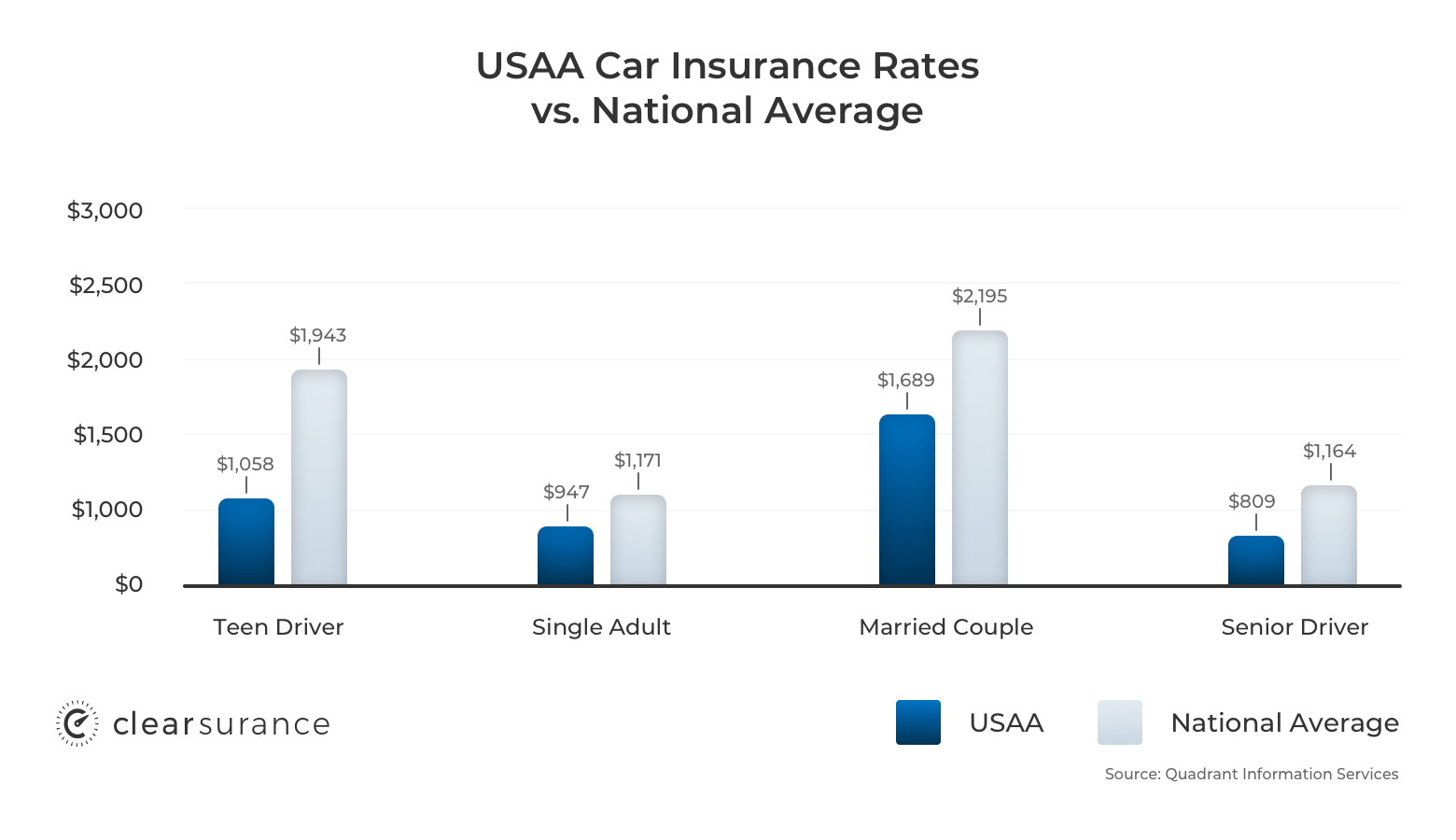
For eligible members, USAA represents more than just an insurance provider; it’s a comprehensive financial institution built on a foundation of service and trust. Auto insurance is a cornerstone of their offerings, providing critical protection for vehicles and drivers. However, a common question arises for current and prospective members: “How much is USAA auto insurance?” This isn’t a simple figure, as premiums are highly individualized. Understanding the factors that influence these costs, coupled with USAA’s unique value proposition, is essential for any member looking to manage their personal finances effectively and secure reliable coverage. This article will deconstruct the components that determine USAA auto insurance premiums, highlight the benefits of membership, and provide strategies for optimizing your financial outlay while maintaining robust protection.
The USAA Advantage: Eligibility and Member Benefits
USAA’s unique structure and customer-centric approach stem directly from its exclusive membership base. This exclusivity not only shapes its brand identity but also significantly influences its service model and, by extension, its financial offerings, including auto insurance. Understanding who qualifies and what comprehensive benefits entail is the first step in appreciating USAA’s financial value.
Who Qualifies for USAA Membership?
Unlike most financial institutions, USAA serves a distinct and honorable demographic. Membership is primarily extended to current and former members of the U.S. military, including those on active duty, veterans who separated with an honorable discharge, and eligible family members. This includes spouses, widows, widowers, un-remarried former spouses of USAA members, and children whose parents have or had a USAA auto or property insurance policy. This narrow focus allows USAA to tailor its products, services, and support specifically to the needs and financial realities of the military community, fostering a deep sense of loyalty and understanding that often translates into superior customer service.
Beyond Insurance: The Holistic USAA Offering
While auto insurance is a critical component, USAA provides a much broader spectrum of financial products and services. Members have access to banking solutions (checking, savings, credit cards), investment opportunities (brokerage accounts, mutual funds), life insurance, home insurance, renters insurance, and even various loan products. This comprehensive suite of financial tools allows members to consolidate their financial management under one trusted roof. For auto insurance, this integration can lead to significant financial advantages through bundling discounts, where combining multiple policies (e.g., auto and home insurance) often results in reduced premiums across the board. Such strategies are fundamental to holistic personal finance management, offering both convenience and cost savings.
Reputation for Service and Financial Strength
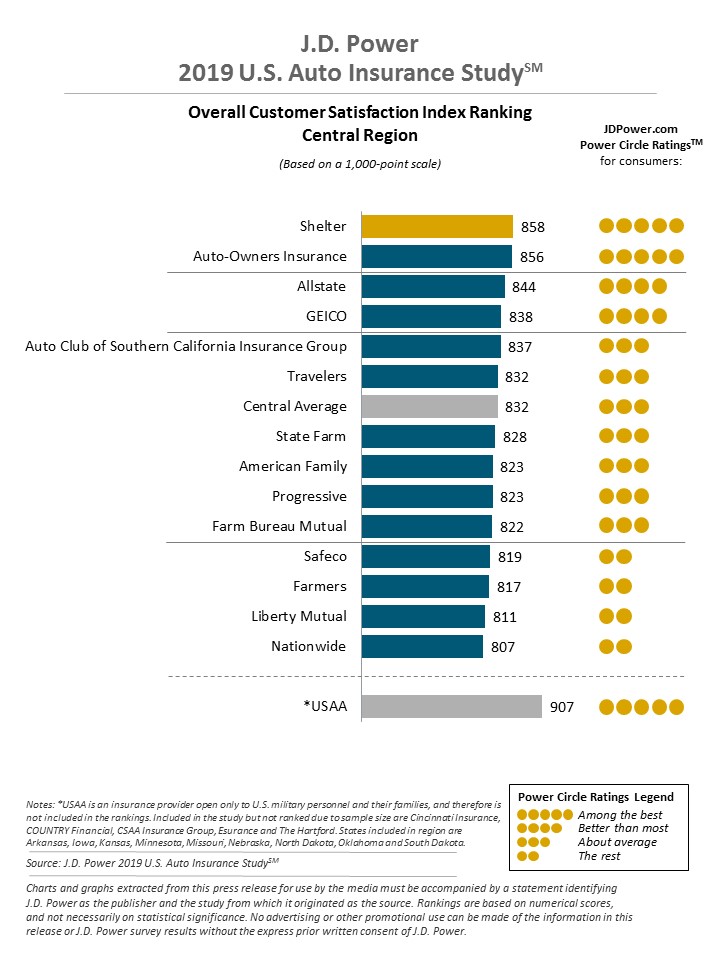
USAA consistently ranks highly in customer satisfaction surveys for its financial products, particularly auto insurance. This reputation is built on responsive claims handling, knowledgeable support staff, and a deep understanding of military life challenges. Beyond service, USAA’s financial strength is consistently affirmed by top independent rating agencies like A.M. Best and S&P Global Ratings, receiving excellent or superior scores. This financial stability provides peace of mind to members, assuring them that USAA has the resources to honor its commitments, especially during times of crisis. For personal finance, choosing an insurer with robust financial health is a critical decision, as it safeguards against potential instability and ensures reliable payouts when they are most needed.
Deconstructing USAA Auto Insurance Premiums: Key Influencing Factors
Determining the exact cost of USAA auto insurance involves a sophisticated calculation based on a multitude of individual and external factors. There isn’t a one-size-fits-all answer, as each premium is meticulously tailored to the specific risk profile of the driver, the vehicle, and the chosen coverage. Understanding these key influencing factors is crucial for members to anticipate costs and make informed financial decisions about their policies.
Personal Profile & Driving History
Your personal characteristics and past driving behavior are primary drivers of your insurance premium. Factors such as your age, gender (in states where legally permissible), and marital status are used by actuaries to assess statistical risk. Younger, less experienced drivers typically face higher premiums due to a statistically higher likelihood of accidents. Your driving record is paramount: a history of accidents, traffic violations (speeding tickets, DUIs), or past claims will undoubtedly elevate your rates, as it signals a higher risk to the insurer. Conversely, a clean driving record spanning several years is often rewarded with lower premiums. In many states, your credit-based insurance score (which correlates with financial responsibility) also plays a significant role, with higher scores often leading to lower rates.
Vehicle Characteristics
The type of vehicle you insure has a substantial impact on your premium. Factors considered include the make, model, year, and trim level. Luxury vehicles, high-performance cars, and those with expensive parts tend to cost more to insure due to higher repair or replacement costs. Conversely, vehicles with excellent safety ratings, advanced safety features (e.g., automatic emergency braking, lane-keeping assist), and robust anti-theft devices can often qualify for discounts, as they reduce the likelihood or severity of accidents and theft. Furthermore, your vehicle’s annual mileage also matters; a car driven fewer miles each year is generally exposed to less risk on the road, potentially leading to lower premiums.
Coverage Choices & Deductibles
The types and amounts of coverage you select are arguably the most direct determinants of your premium. Standard auto insurance policies typically include:
-
Liability Coverage: Required by law in most states, this covers damages you cause to others. Higher limits offer greater financial protection but increase your premium.
-
Collision Coverage: Pays for damage to your own car from an accident, regardless of fault.
-
Comprehensive Coverage: Covers non-collision events like theft, vandalism, fire, or natural disasters.
-
Uninsured/Underinsured Motorist Coverage: Protects you if you’re hit by a driver without sufficient insurance.
-
Medical Payments/Personal Injury Protection (PIP): Covers medical expenses for you and your passengers after an accident, regardless of fault.
-
Additional Coverages: Options like roadside assistance, rental car reimbursement, and gap insurance can add convenience and financial security but also increase the overall cost.
For collision and comprehensive coverage, choosing a higher deductible (the amount you pay out-of-pocket before insurance kicks in) will typically lower your premium, but means greater upfront costs if you file a claim. Carefully balancing your coverage needs with your budget is a key aspect of financial planning for auto insurance.
Location and Usage
Where you live and how you use your vehicle are also significant factors. Urban areas, which typically have higher traffic density, increased rates of theft, and more frequent accidents, often result in higher insurance premiums compared to rural or suburban areas. Your specific ZIP code can reflect local crime rates, accident statistics, and even weather patterns that influence risk. The primary use of your vehicle—whether for a short daily commute, long-distance travel, or purely recreational use—and its garaging location also play a role. If you commute long distances or use your car for business, your risk exposure is higher, which can translate to increased costs.
Unlocking Savings: Discounts and Strategies for USAA Members
One of the significant advantages of USAA membership, particularly from a financial perspective, is the extensive array of discounts and strategies available to help reduce auto insurance premiums. Proactive members can leverage these opportunities to optimize their insurance costs without compromising on the quality of their coverage. Financial prudence dictates exploring every avenue for savings.
Membership-Specific Discounts
USAA’s deep roots in the military community allow for unique discounts tailored to its members. While not every discount applies to every member, common examples include:
-
Military Discounts: Depending on your state and specific circumstances, you might qualify for discounts if you garage your vehicle on a military base, or if you’re deployed and your vehicle is stored.
-
Multi-Policy/Bundling Discounts: This is one of the most substantial savings opportunities. Bundling your auto insurance with other USAA policies, such as home, renters, life, or umbrella insurance, can lead to significant reductions across all your premiums. This strategy consolidates your financial services and simplifies management while yielding tangible cost benefits.
Driver-Related Discounts
Your behavior behind the wheel and your personal achievements can also translate into savings:
-
Safe Driver/Good Driver Discount: Maintaining a clean driving record free of accidents and violations for a specified period (e.g., five years) is often rewarded with a discount. This incentivizes responsible driving, which benefits both the insurer and the policyholder financially.
-
Defensive Driving Course Discount: Completing an approved defensive driving course can not only improve your driving skills but also qualify you for a discount, particularly beneficial for younger drivers or those looking to offset past infractions.
-
Good Student Discount: High school and college students who maintain a B average or better often qualify for a discount, recognizing that academic discipline can correlate with responsible behavior on the road.
-
Driver Training Discount: Young drivers who complete an approved driver training program can often receive a discount, acknowledging their efforts to become safer drivers.
Vehicle-Related Discounts
The features and usage of your vehicle can also contribute to lower premiums:
-
New Car Discount: Insuring a newer vehicle, especially one equipped with advanced safety features, may qualify for a discount.
-
Anti-Theft Device Discount: Vehicles equipped with factory-installed or aftermarket anti-theft systems are less likely to be stolen, leading to potential premium reductions.
-
Low Annual Mileage Discount: If you drive your car significantly less than the average driver, you may qualify for a discount due to reduced exposure to risk. Some programs may involve telematics devices that track mileage and driving habits.
Payment & Loyalty Discounts
How you manage your policy payments and your long-term relationship with USAA can also impact costs:
-
Pay in Full Discount: Paying your entire premium upfront, rather than in monthly installments, often results in a small but worthwhile discount.
-
Auto-Pay Discount: Setting up automatic payments from your bank account can also lead to a discount and ensures you never miss a payment, avoiding potential late fees or policy lapses.
-
Loyalty Discounts: Long-term USAA members may receive loyalty discounts, recognizing their sustained relationship with the institution.
Proactive Premium Management
Beyond discounts, consistently reviewing and adjusting your policy is a crucial financial habit. Annually assess your coverage limits and deductibles to ensure they still meet your needs. As your car ages, you might consider increasing your deductibles or even dropping collision/comprehensive coverage if the car’s value no longer justifies the premium cost. Regularly checking your credit report and maintaining a good credit score (where used for insurance rating) can also positively impact your rates. By being vigilant and proactive, USAA members can ensure their auto insurance remains both robust and financially efficient.
Getting a USAA Auto Insurance Quote: A Step-by-Step Financial Process
Obtaining a personalized quote for USAA auto insurance is a critical step in understanding your potential financial commitment. It’s a straightforward process designed to gather all the necessary information to provide an accurate reflection of your specific premium, taking into account all the factors discussed previously. Approaching this process with meticulous attention to detail ensures that the quote you receive is as precise as possible for your financial planning.
The Online Quoting Experience
USAA has streamlined its quoting process, with the majority of members initiating it online or through their mobile app. The journey typically begins by verifying your USAA eligibility. Once confirmed, you’ll be guided through a series of questions designed to capture your unique risk profile. This includes:
-
Personal Details: Your full name, date of birth, marital status, and driver’s license number.
-
Driving History: Information on any accidents, traffic violations, or claims within a specified period (e.g., the last three to five years).
-
Vehicle Information: The make, model, year, VIN (Vehicle Identification Number), current mileage, and primary usage of all vehicles you wish to insure.
-
Desired Coverage: You’ll be prompted to select your preferred liability limits, collision and comprehensive deductibles, and any additional coverages like roadside assistance or rental reimbursement.
-
Household Drivers: Details for any other drivers living in your household who will be operating the insured vehicles.
It is paramount to provide accurate and complete information during this process. Inaccurate data can lead to an incorrect initial quote, which may be adjusted upwards once the policy is officially issued, potentially creating an unexpected financial burden.
Understanding Your Quote
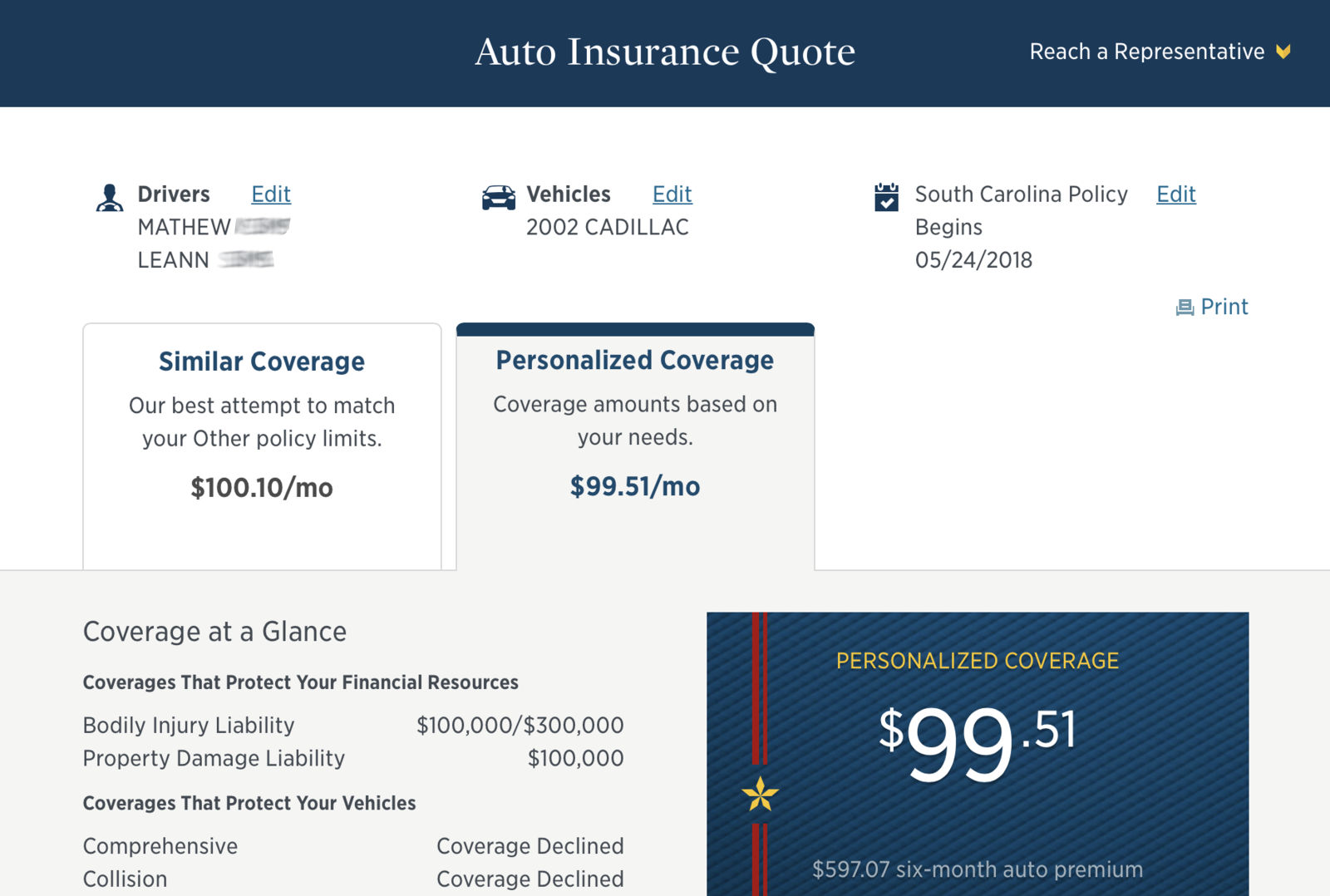
Once you’ve entered all the required information, USAA will generate a detailed quote. This isn’t just a single number; it’s a breakdown of your premium by coverage type. You’ll see the cost associated with liability, collision, comprehensive, and any optional coverages. This transparency allows you to understand precisely where your money is going and to adjust coverages to fit your budget and risk tolerance. Take time to review each component. Compare the proposed limits and deductibles against your personal financial situation and state requirements. If you’re comparing USAA’s quote against other insurers, ensure you’re performing an “apples-to-apples” comparison, matching identical coverage limits, deductibles, and additional features to get a true understanding of the financial value proposition. This step is crucial for making an informed financial decision.
Beyond the Initial Quote: Ongoing Review and Adjustment
Getting an initial quote is just the beginning of prudent auto insurance financial management. Your life circumstances, financial situation, and vehicle needs evolve, and your insurance policy should reflect these changes. It’s advisable to re-evaluate your policy annually or after significant life events such as:
-
Purchasing a new vehicle
-
Moving to a new address
-
Getting married or divorced
-
Adding a new driver to your household (e.g., a teen driver)
-
Making significant changes to your vehicle (e.g., adding anti-theft devices)
-
Changing your commute or vehicle usage
USAA typically offers online tools and member service representatives to help you adjust your policy, explore new discounts, and ensure your coverage remains optimal and cost-effective. Proactive engagement with your policy helps ensure you’re not overpaying for coverage you no longer need or, conversely, under-insured for new risks. This ongoing financial review is essential for maintaining appropriate protection at the best possible price.
Conclusion
Understanding “how much is USAA auto insurance” transcends a mere price tag; it’s an exploration of value, comprehensive financial planning, and the distinct advantages afforded to a deserving membership base. While specific premiums are uniquely determined by a confluence of personal, vehicle, and coverage factors, USAA consistently strives to offer competitive rates and exceptional service rooted in its military heritage.
For eligible members, USAA represents a unique opportunity to secure robust auto insurance alongside a full suite of financial products. By actively leveraging available discounts, diligently maintaining a clean driving record, and regularly reviewing their coverage choices, members can significantly influence their premiums. The commitment to understanding these financial levers not only helps in obtaining cost-effective insurance but also contributes to a broader strategy of sound personal financial management.
For those who qualify, exploring USAA’s auto insurance options is a prudent financial decision. Engage with their quoting process, carefully assess your coverage needs, and remember that with USAA, you’re not just purchasing a policy—you’re investing in a trusted partnership dedicated to your financial well-being.
aViewFromTheCave is a participant in the Amazon Services LLC Associates Program, an affiliate advertising program designed to provide a means for sites to earn advertising fees by advertising and linking to Amazon.com. Amazon, the Amazon logo, AmazonSupply, and the AmazonSupply logo are trademarks of Amazon.com, Inc. or its affiliates. As an Amazon Associate we earn affiliate commissions from qualifying purchases.