
Navigating the cost of living in New York is an exercise in meticulous budgeting, and for car owners, understanding monthly car insurance premiums is a significant piece of that financial puzzle. Car insurance isn’t just a smart financial decision; it’s a legal requirement designed to protect drivers, passengers, and pedestrians in the event of an accident. However, the price tag associated with this essential coverage can vary dramatically, influenced by a myriad of factors unique to the Empire State and individual driver profiles. This article delves into the complexities of car insurance costs in New York, offering insights into average monthly premiums, the variables that drive them, and actionable strategies for securing affordable coverage.
The question of “how much” is rarely simple when it comes to insurance. New York, with its dense urban centers, diverse demographics, and specific state regulations, presents a unique landscape for auto insurance pricing. From the bustling streets of Manhattan to the serene landscapes of the Adirondacks, the cost can fluctuate wildly, leaving many drivers wondering if they’re paying a fair price or if there are avenues for savings. Understanding these nuances is the first step toward effective financial management of your vehicle expenses.
Deciphering New York’s Car Insurance Landscape: The Cost Drivers
The monthly premium you pay for car insurance in New York is not arbitrary. It’s the culmination of a sophisticated risk assessment performed by insurance companies, taking into account numerous data points. These factors help insurers predict the likelihood of you filing a claim and the potential cost of that claim. In New York, these variables are particularly influential due to the state’s specific insurance regulations and diverse environment.
Demographic Factors: Age, Gender, and Marital Status
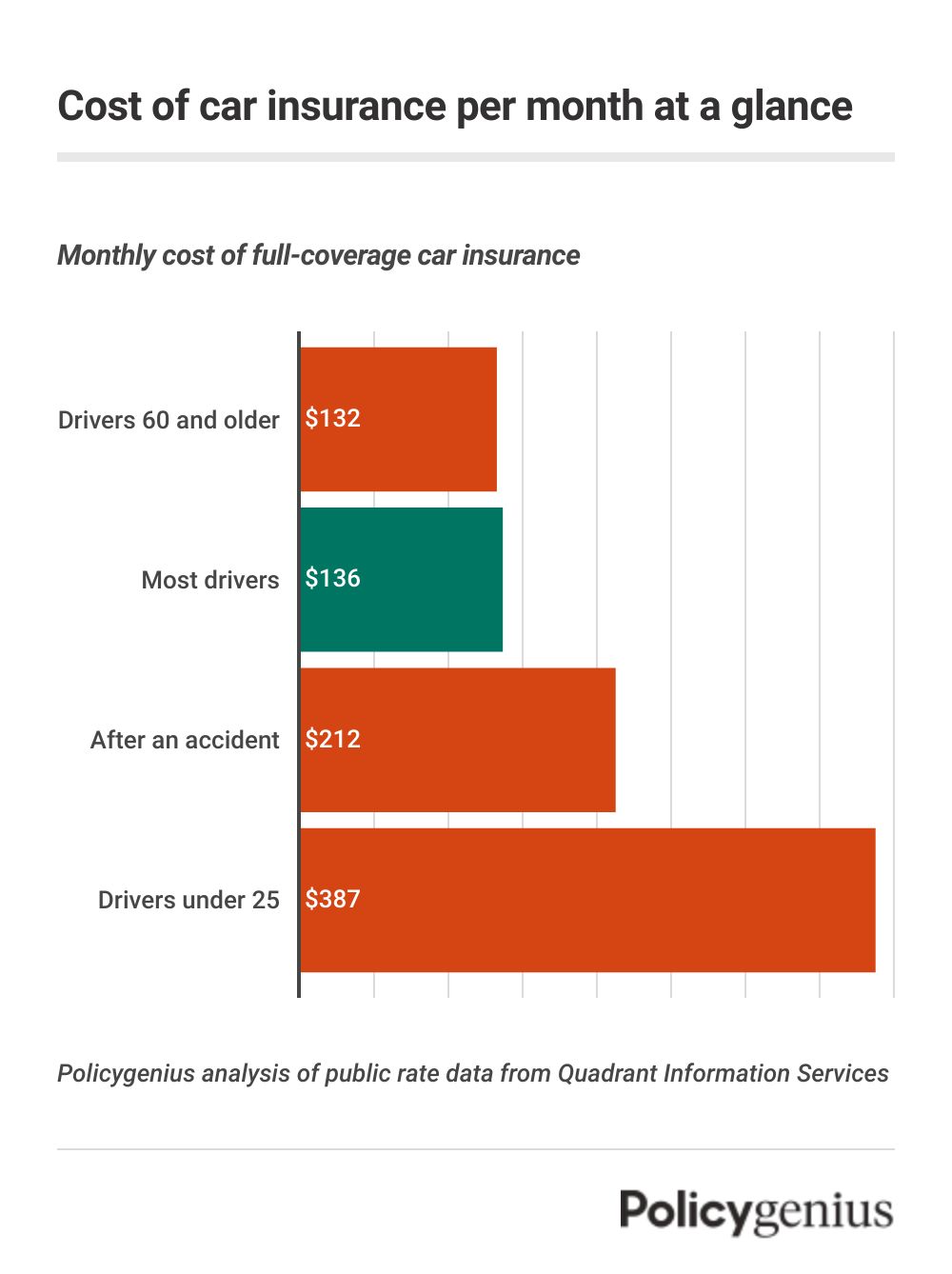
Insurance companies often use demographic data as a broad indicator of risk. Younger, less experienced drivers, particularly those under 25, typically face the highest premiums due to a higher statistical likelihood of accidents. As drivers mature and gain more experience, their rates generally decrease, assuming a clean driving record. While the influence of gender has been a topic of debate and some states have restricted its use, insurers may still consider it, often reflecting aggregate data on driving patterns. Marital status can also play a role, with married individuals sometimes receiving lower rates, as they are statistically less likely to file claims compared to single drivers.
Vehicle-Specific Details: Make, Model, and Safety Features
The car you drive significantly impacts your insurance costs. High-performance or luxury vehicles, which are more expensive to repair or replace, naturally command higher premiums. Similarly, cars with a higher theft rate in New York may also see elevated insurance costs. Conversely, vehicles equipped with advanced safety features, such as anti-lock brakes, airbags, adaptive cruise control, and anti-theft devices, can often qualify for discounts, as these features reduce the likelihood of accidents or theft. The cost of parts and labor for your specific make and model is also a critical consideration for comprehensive and collision coverage.
Driving History and Claims Record
This is perhaps one of the most direct and influential factors. A clean driving record, free of accidents, speeding tickets, or other moving violations, is your best asset for securing lower insurance rates. Each infraction, particularly at-fault accidents, can lead to a significant increase in your monthly premiums for several years. Insurance companies view drivers with a history of claims as higher risk, leading to higher rates. Conversely, a prolonged period of safe driving can earn you good driver discounts, which are highly sought after in New York.
Location Within New York State: Urban vs. Rural
Where you live and park your car within New York State is a colossal determinant of your insurance costs. Urban areas, especially New York City’s boroughs, typically have the highest premiums due to increased traffic density, higher rates of accidents, greater risk of theft and vandalism, and higher costs associated with repairs and medical care. Areas with a higher population density, such as Long Island and the immediate suburbs surrounding NYC, also tend to have higher rates. In contrast, drivers in more rural upstate New York regions generally benefit from lower premiums because of less traffic, lower crime rates, and consequently, a reduced likelihood of incidents.
Coverage Levels and Deductibles
The type and amount of coverage you choose directly correlate with your monthly premium. New York mandates specific minimum liability coverage, but many drivers opt for additional protection. The more extensive your coverage (e.g., adding collision, comprehensive, uninsured/underinsured motorist, or roadside assistance), the higher your premium will be. Similarly, your deductible – the amount you pay out of pocket before your insurance kicks in – affects your premium. Choosing a higher deductible typically results in a lower monthly premium, as you’re taking on more financial responsibility in the event of a claim. However, it’s crucial to select a deductible you can comfortably afford.
Average Monthly Premiums Across New York State
While individual circumstances dictate precise costs, understanding the statewide and regional averages can provide a valuable benchmark. These averages are compiled from a wide array of data and offer a general sense of what drivers might expect to pay. It’s important to remember that these are averages, and your personal quote could be higher or lower.
Statewide Averages and What They Mean
As of recent data, the average monthly car insurance premium in New York can range significantly, but typically falls between $150 to $300 per month for full coverage. For minimum coverage, this average might drop to $80 to $150 per month. These figures reflect a blend of all the factors discussed, encompassing drivers from all age groups, with various vehicles and driving records, across different regions of the state. It highlights New York’s position as one of the more expensive states for car insurance in the U.S., largely due to the high cost of living, dense populations, and no-fault insurance regulations.
Regional Variations: NYC, Upstate, Long Island
The disparity in insurance costs across New York’s regions is stark:
-
New York City (NYC): Drivers in boroughs like the Bronx, Brooklyn, and Queens often face the highest premiums in the entire state, sometimes exceeding $300-$500 per month for full coverage. Manhattan, while having fewer car owners, also experiences very high rates. These costs are driven by extreme traffic congestion, high accident rates, elevated vehicle theft rates, and the generally higher cost of services and repairs in a metropolitan area.
-
Long Island: Nassau and Suffolk counties on Long Island also see higher-than-average rates, though typically less than NYC. Monthly premiums might range from $200-$400 for full coverage. This reflects a suburban environment with significant commuting traffic and higher population density than upstate regions.
-
Upstate New York: Cities like Albany, Syracuse, Rochester, and Buffalo, along with more rural areas, generally benefit from significantly lower premiums. Monthly full coverage costs here might range from $120-$250. The reduced traffic, lower crime rates, and less frequent claims contribute to these more affordable rates.
Impact of Insurance Provider on Rates
The specific insurance company you choose also plays a critical role in your monthly premium. Different insurers have varying algorithms for assessing risk, different overheads, and target different market segments. This means that two drivers with identical profiles could receive vastly different quotes from different providers. Large national carriers might offer competitive rates due to their scale and a wide array of discounts, while smaller, regional insurers might specialize in certain niches or offer more personalized service. It’s imperative not to assume that one company is universally cheaper than another.

Mandatory Coverage and Optional Enhancements in NY
New York operates under a “no-fault” insurance system, which significantly influences the type and amount of mandatory coverage drivers must carry. Understanding these requirements and the available optional coverages is essential for both legal compliance and comprehensive financial protection.
New York’s Minimum Auto Insurance Requirements
To legally drive in New York, you must carry three types of insurance:
-
Liability Coverage: This covers damages and injuries you cause to others in an at-fault accident. New York’s minimums are 25/50/10:
-
$25,000 for bodily injury to one person
-
$50,000 for bodily injury to two or more people
-
$10,000 for property damage
-
-
Personal Injury Protection (PIP): This is the “no-fault” component. It covers medical expenses and lost wages for you and your passengers, regardless of who caused the accident. The minimum is $50,000.
-
Uninsured/Underinsured Motorist (UM/UIM) Coverage: This protects you if you’re hit by a driver who doesn’t have insurance or doesn’t have enough insurance to cover your damages. The minimums are 25/50.
Personal Injury Protection (PIP) Explained
Under New York’s no-fault law, if you’re injured in a car accident, your own PIP coverage pays for your medical expenses and lost wages up to your policy limit, regardless of who was at fault. This system is designed to streamline the claims process and reduce litigation for minor injuries. While the minimum is $50,000, many drivers opt for higher limits due to the high cost of medical care and potential loss of income.
Uninsured/Underinsured Motorist Coverage
This critical coverage protects you and your family. If you’re involved in an accident with a driver who either has no insurance (uninsured) or insufficient insurance (underinsured) to cover your medical bills and car repairs, your UM/UIM policy will step in. Given the number of uninsured drivers on the road, especially in metropolitan areas, this coverage offers vital peace of mind.
Popular Optional Coverages: Collision, Comprehensive, and More
While not legally required, most financial advisors recommend carrying additional coverages for robust protection:
-
Collision Coverage: Pays for damage to your own vehicle resulting from a collision with another car or object, regardless of fault.
-
Comprehensive Coverage: Protects your car from non-collision incidents such as theft, vandalism, fire, natural disasters (hail, floods), and animal impacts.
-
Medical Payments (MedPay): Similar to PIP but can sometimes cover expenses beyond what PIP provides, or fill gaps.
-
Rental Car Reimbursement: Covers the cost of a rental car while your vehicle is being repaired after a covered claim.
-
Roadside Assistance: Provides help for breakdowns, flat tires, battery jumps, and towing.
-
Gap Insurance: Essential if you have a car loan or lease. It covers the “gap” between what your car is worth (and what your collision policy pays out) and the amount you still owe on your loan if your car is totaled.
Opting for these additional coverages will increase your monthly premium, but they provide significantly broader financial protection against a wider range of potential incidents.
Actionable Strategies to Reduce Your NY Car Insurance Bill
Given the often-high cost of car insurance in New York, finding ways to reduce your monthly premium without compromising essential coverage is a top priority for many drivers. There are several effective strategies you can employ to lower your rates.
Maximizing Discounts: From Multi-Policy to Good Driver
Insurance companies offer a wide array of discounts, and proactively seeking them out can lead to substantial savings.
-
Multi-Policy/Bundling: One of the most significant discounts is often available when you bundle your car insurance with other policies, such as home, renters, or life insurance, with the same provider.
-
Good Driver/Safe Driver: Maintaining a clean driving record for several years often qualifies you for this discount.
-
Defensive Driving Course: Completing an approved defensive driving course can not only earn you a discount but may also help reduce points on your license.
-
Good Student: If you have a student driver on your policy who maintains a good GPA, they may qualify for this discount.
-
Vehicle Safety Features: Cars equipped with anti-lock brakes, airbags, anti-theft systems, and other safety features often receive discounts.
-
Low Mileage: If you drive fewer miles than the average driver (e.g., you commute by public transport), you might qualify for a low-mileage discount.
-
Paid-in-Full: Some insurers offer a discount if you pay your entire premium upfront for the policy term, rather than monthly.
-
Loyalty Discounts: Staying with the same insurer for an extended period can sometimes lead to loyalty discounts.
Always ask your insurance agent about every discount you might be eligible for.
Optimizing Your Coverage: Balancing Protection and Cost
While minimum coverage is legally sufficient, it often leaves you vulnerable. The goal is to find the sweet spot between adequate protection and an affordable premium.
-
Increase Your Deductibles: As discussed, choosing a higher deductible for collision and comprehensive coverage will lower your monthly premium. Just ensure you have the funds readily available to cover that deductible if you need to file a claim.
-
Review Your Coverage Annually: As your car ages, its value depreciates. For older vehicles, the cost of collision and comprehensive coverage might eventually outweigh the potential payout. At a certain point, it might make financial sense to drop these coverages, especially if your car’s market value is low.
-
Avoid Unnecessary Add-ons: While features like roadside assistance are convenient, if you already have them through another service (like an auto club or your car manufacturer), you might not need to duplicate them on your insurance policy.
Improving Your Driving Record
This is a long-term strategy, but undeniably the most impactful. Drive safely, adhere to traffic laws, and avoid distractions. Each year you maintain a clean driving record contributes to lower premiums in the future. If you have past infractions, focus on safe driving to let those incidents fall off your record over time. Attending a defensive driving course can sometimes remove points from your license or reduce the impact of a past violation.
Shopping Around and Comparing Quotes
This is arguably the single most effective way to reduce your car insurance costs. Do not renew your policy blindly. Every 6-12 months, or whenever your policy is up for renewal, get quotes from at least three to five different insurance providers. Use online comparison tools, or work with an independent insurance agent who can shop multiple carriers for you. Companies often adjust their pricing strategies, and what was the cheapest option last year might not be this year. Be prepared to provide accurate information about your driving history, vehicle, and desired coverage levels to ensure comparable quotes.
Leveraging Telematics and Usage-Based Insurance
Many insurers now offer telematics programs, also known as usage-based insurance (UBI). These programs involve installing a device in your car or using a smartphone app that monitors your driving habits (e.g., speed, braking, acceleration, mileage, time of day driven). Safe drivers who opt into these programs can often earn significant discounts on their premiums. While some drivers are hesitant about data privacy, for consistently safe drivers, UBI can be a powerful tool for reducing monthly costs.
In conclusion, while car insurance in New York can be a significant monthly expense, it is a non-negotiable one for legal and financial protection. By understanding the myriad factors that influence your premiums, being aware of the average costs in your region, and actively employing strategies to optimize your coverage and maximize discounts, New York drivers can take control of their car insurance costs and ensure they are getting the best value for their money. Continuous vigilance, including regular policy reviews and comparison shopping, is key to keeping your monthly premium as low as possible without sacrificing the comprehensive protection you and your vehicle deserve.
aViewFromTheCave is a participant in the Amazon Services LLC Associates Program, an affiliate advertising program designed to provide a means for sites to earn advertising fees by advertising and linking to Amazon.com. Amazon, the Amazon logo, AmazonSupply, and the AmazonSupply logo are trademarks of Amazon.com, Inc. or its affiliates. As an Amazon Associate we earn affiliate commissions from qualifying purchases.