
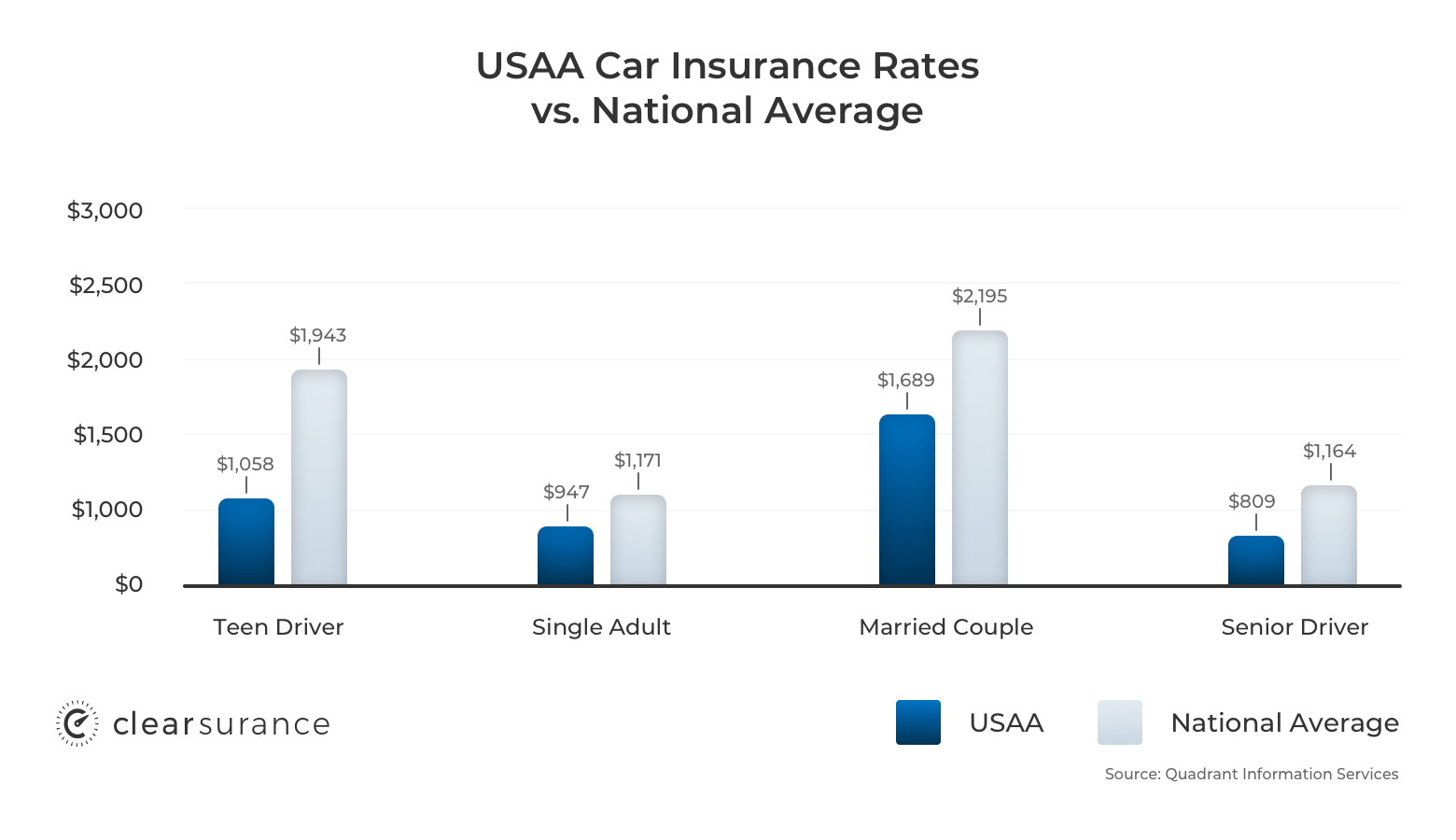
Determining the exact cost of car insurance for USAA, or any insurer, is akin to asking “how much does a car cost?” – the answer is inherently complex and highly individualized. While USAA is renowned for its competitive rates and exceptional service, particularly among its eligible membership, pinpointing a universal premium is impossible. Instead, understanding the multifaceted factors that contribute to USAA’s pricing model, combined with an appreciation for their unique operational philosophy, offers the most insightful path to anticipating potential costs. For the dedicated service members and their families who form its exclusive client base, USAA represents more than just an insurance provider; it’s a trusted financial partner built on a foundation of shared values and a commitment to financial security. This article delves into the specifics of USAA’s car insurance pricing, exploring the variables that shape premiums, the discounts available, and the broader value proposition that often extends beyond mere dollar figures.
Understanding USAA’s Unique Membership Model and Its Impact on Pricing
USAA stands apart in the insurance landscape due to its strict membership eligibility requirements. This fundamental aspect profoundly influences its business model and, consequently, its pricing structure. Unlike traditional insurers that cater to the general public, USAA’s focused demographic allows for a more tailored approach to risk assessment and benefit delivery.
Who is Eligible for USAA Membership?
At its core, USAA serves the military community. Eligibility extends to:
-
Active-duty military: Those currently serving in the U.S. Air Force, Army, Coast Guard, Marine Corps, Navy, National Guard, and Reserves.
-
Veterans: Individuals who have honorably separated or retired from the U.S. military.
-
Family members: Spouses and children of USAA members or individuals who meet active-duty or veteran criteria. This typically includes widows, widowers, and un-remarried former spouses of USAA members, and those whose parents were USAA members.
This exclusive focus creates a relatively homogenous risk pool, which can lead to advantages in pricing and service. Members often share certain characteristics, such as discipline, responsibility, and a sense of community, which might statistically translate to a lower overall risk profile in some aspects.
The Philosophy Behind USAA’s Pricing Structure
USAA operates as a reciprocal interinsurance exchange, meaning its members are also its owners. This structure fosters a strong sense of shared interest and responsibility. Profits are often reinvested into the company to improve services, or returned to members through dividends and lower premiums, rather than being distributed to external shareholders. This member-centric approach manifests in several key ways regarding pricing:
-
Financial Stability and Conservative Underwriting: USAA is known for its robust financial health, allowing it to maintain competitive rates even during market fluctuations. Their underwriting processes, while rigorous, are designed to accurately assess risk within their specific member base.
-
Operational Efficiency: By focusing on a specific demographic, USAA can streamline its marketing, sales, and claims processes, reducing overhead costs that might otherwise be passed on to policyholders.
-
Long-Term Member Value: Rather than solely focusing on immediate profits, USAA prioritizes long-term member satisfaction and retention. This philosophy encourages fair pricing, excellent customer service, and a comprehensive suite of financial products designed to meet members’ evolving needs throughout their lives. This long-term view often translates into consistent, competitive pricing that aims to reward loyalty.
Key Factors Influencing Your USAA Car Insurance Premium
While USAA’s membership model provides a foundational framework, individual premiums are ultimately determined by a complex algorithm that considers a multitude of personal and external factors. No two policies are identical, and even slight variations in these variables can significantly impact the final cost.
Personal Profile and Driving History
Your individual background and behavior are paramount in risk assessment:
-
Age and Gender: Younger, less experienced drivers typically face higher premiums due to statistical correlations with increased accident rates. While gender influence on rates has been a subject of debate and regulation, it can still be a factor in some jurisdictions, though often less significant than age.
-
Marital Status: Married individuals are often viewed as lower risk by insurers, potentially leading to slightly reduced rates.
-
Driving Record: This is one of the most critical factors. Accidents (at-fault or not), speeding tickets, DUIs, and other moving violations directly correlate with higher premiums. A clean driving record is your best asset for lower costs.
-
Credit-Based Insurance Score: In many states, your credit history plays a significant role in determining premiums. Insurers view a strong credit score as indicative of financial responsibility, which statistically correlates with a lower likelihood of filing claims. While some states prohibit its use, it’s a common factor where permitted.
-
USAA Membership History: Your tenure with USAA can also influence rates, as long-term members with a good record may benefit from loyalty considerations.
Vehicle Characteristics
The car you drive is another major determinant of your insurance cost:
-
Make, Model, and Year: Certain vehicles are inherently more expensive to insure. Luxury cars, sports cars, and high-performance vehicles typically have higher premiums due to higher repair costs, increased theft rates, and a greater likelihood of being involved in high-speed accidents.
-
Safety Features: Vehicles equipped with advanced safety features (e.g., anti-lock brakes, airbags, adaptive cruise control, lane departure warning systems, automatic emergency braking) can qualify for discounts and generally have lower claims costs, thus reducing premiums.
-
Theft Rates: Models with high theft rates will usually incur higher comprehensive coverage costs.
-
Repair Costs: The expense of repairing a specific vehicle, including parts availability and labor rates, directly impacts collision and comprehensive premiums.
Coverage Selections and Deductibles
The choices you make about what you insure and how much you’re willing to pay out-of-pocket directly shape your premium:
-
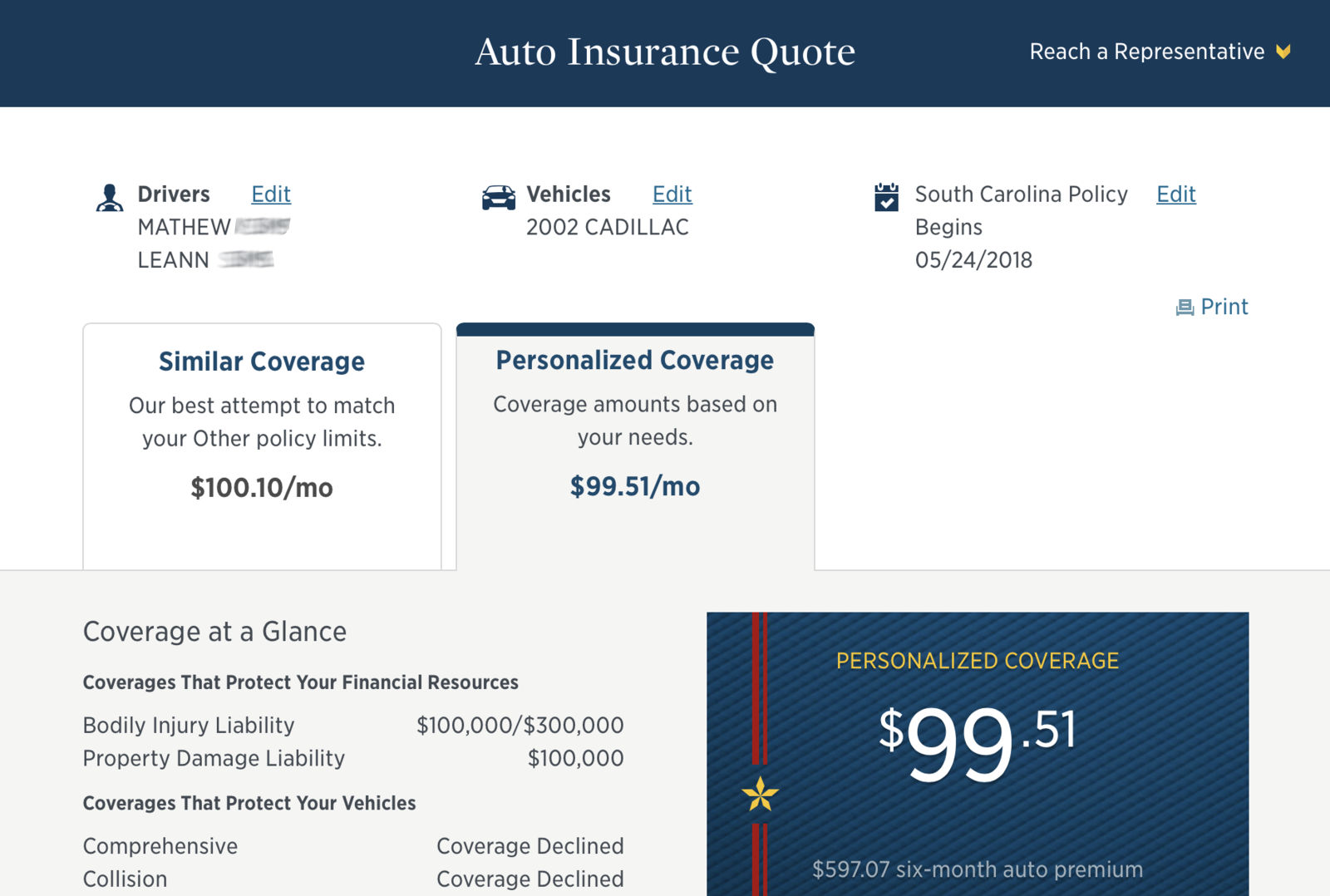
Liability Limits: This covers damages you cause to others. Higher limits (e.g., $100,000/$300,000 for bodily injury and $50,000 for property damage) provide greater protection but also increase your premium. State minimums are often insufficient.
-
Collision Coverage: Pays for damage to your own vehicle resulting from a collision, regardless of fault.
-
Comprehensive Coverage: Covers non-collision damage to your car, such as theft, vandalism, fire, hail, or hitting an animal.
-
Uninsured/Underinsured Motorist (UM/UIM): Protects you if you’re hit by a driver with insufficient or no insurance. Highly recommended, as many drivers carry only minimum coverage.
-
Medical Payments (MedPay) or Personal Injury Protection (PIP): Covers medical expenses for you and your passengers after an accident, regardless of fault. Required in some states.
-
Roadside Assistance, Rental Reimbursement, Gap Insurance: These optional coverages add convenience and protection but increase your overall premium.
-
Deductibles: The amount you agree to pay out-of-pocket before your insurance kicks in for comprehensive and collision claims. Higher deductibles (e.g., $1,000 instead of $500) will lower your premium, but require you to bear more initial cost in an accident.
Geographic Location
Where you live, work, and park your car also plays a significant role:
-
State and Zip Code: Insurance rates vary dramatically by state due to differing regulations, claim frequencies, repair costs, and legal environments. Within a state, urban areas with higher traffic density, crime rates, and accident statistics typically have higher premiums than rural areas.
-
Garaging Location: Where your vehicle is primarily parked and stored when not in use can influence theft and vandalism risk.
-
Commute Distance: A longer daily commute often translates to higher risk exposure and, therefore, higher premiums.
Maximizing Savings: Discounts and Strategies with USAA
USAA is known for offering a comprehensive array of discounts, reflecting its commitment to providing value to its members. Proactively seeking out and applying these discounts, coupled with strategic policy management, can significantly reduce your car insurance costs.
Common USAA Car Insurance Discounts
Leveraging these discounts is one of the most effective ways to lower your premium:
-
Multi-Policy Discount: Bundling your car insurance with other USAA policies, such as home, renters, or life insurance, is often one of the largest available discounts.
-
Multi-Vehicle Discount: Insuring more than one vehicle with USAA can lead to savings on each.
-
Good Driver Discount: Maintaining a clean driving record (no accidents or violations for a certain period) often qualifies you for this substantial discount.
-
Safe Driver/Driving Tracking Programs: USAA offers programs like SafePilot, which uses a mobile app to monitor driving habits (e.g., braking, acceleration, phone usage). Safe driving can earn you significant savings.
-
Good Student Discount: High school or college students who maintain a certain GPA (e.g., B average or 3.0) may be eligible.
-
Defensive Driving Course Discount: Completing an approved defensive driving course can sometimes lead to a discount, especially if you’re a newer driver or have had a recent infraction.
-
Vehicle Safety Features Discount: Cars equipped with anti-lock brakes, airbags, anti-theft systems, and other advanced safety features may qualify for reduced rates.
-
New Car Discount: Insuring a newer vehicle can sometimes come with a discount, as these cars often incorporate advanced safety technology.
-
Garaging Discount: If your vehicle is regularly parked in a secure garage, you might see a slight reduction due to lower theft/vandalism risk.
-
Military Specific Discounts: While the core USAA offering is a benefit to military families, there can be additional savings for specific scenarios like deploying to a low-risk area where your vehicle is stored.
-
Family Discount: Depending on the relationship and if certain criteria are met, having other family members insured with USAA might offer advantages.
Optimizing Your Policy
Beyond discounts, strategic decisions about your policy structure can also lead to significant savings:
-
Bundling Your Policies: As mentioned, this is often the most impactful strategy. USAA excels at providing a full suite of financial products, making bundling convenient and cost-effective.
-
Adjusting Deductibles: Consider increasing your comprehensive and collision deductibles to a level you can comfortably afford out-of-pocket in an emergency. This will lower your monthly premium.
-
Reviewing Coverage Periodically: As your life changes (e.g., paying off a car, kids leave home, vehicle ages), your insurance needs evolve. Regularly review your policy with a USAA representative to ensure you’re not over-insured or under-insured. For older cars, dropping collision and comprehensive might be cost-effective if the car’s value is less than the deductible plus a few years of premiums.
-
Maintaining a Good Credit Score: Where allowed, a strong credit-based insurance score can significantly lower your premiums. Focus on paying bills on time, managing debt responsibly, and regularly checking your credit report for errors.
-
Comparing Quotes (Even within USAA): While USAA is often competitive, it’s wise to periodically get quotes to ensure you’re getting the best deal for your specific situation. Even if you remain with USAA, being informed is crucial.
How USAA Compares to Other Insurers
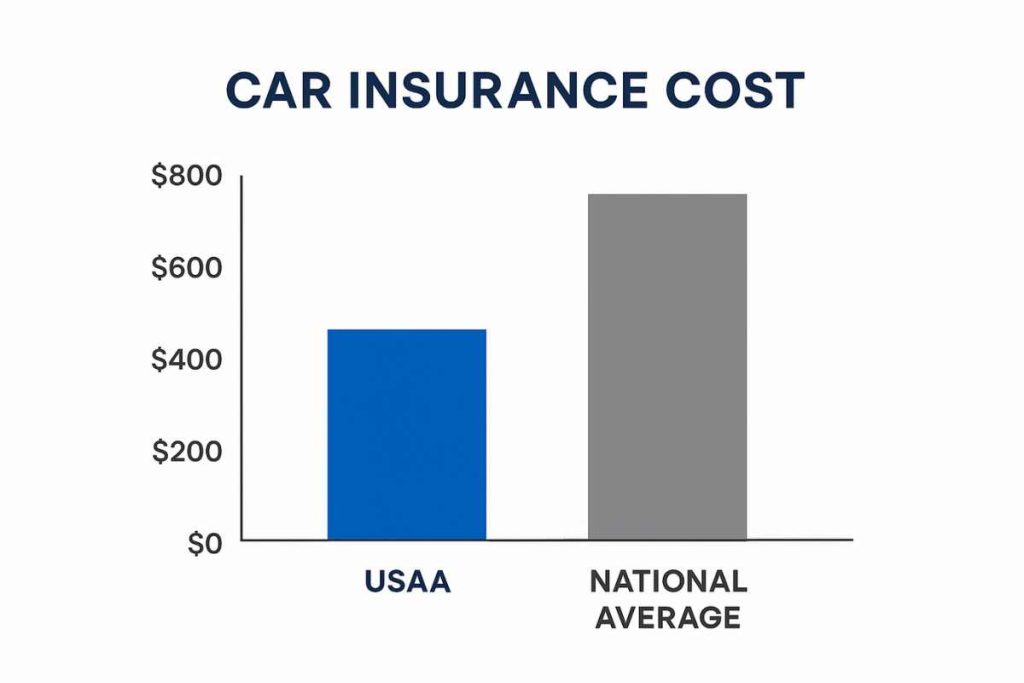
While price is a primary consideration for many, USAA’s value proposition often extends far beyond the raw numbers. For its eligible members, the total package of service, stability, and support frequently outweighs a marginal difference in premium.
The Value Proposition Beyond Price
USAA consistently ranks highly in customer satisfaction surveys, especially for its claims handling and overall service. This superior experience is a significant component of its value:
-
Exceptional Customer Service: USAA is renowned for its responsive and empathetic customer service, particularly during stressful situations like filing a claim. Their representatives are often praised for their knowledge and efficiency.
-
Efficient Claims Handling: Members frequently report streamlined and fair claims processes, with quick resolution times, which can be invaluable after an accident.
-
Financial Stability: USAA holds top financial strength ratings, assuring members that the company has the resources to pay out claims, even large ones. This peace of mind is a non-monetary benefit.
-
Military-Focused Understanding: USAA understands the unique challenges and circumstances of military life, from deployments and PCS (Permanent Change of Station) moves to transitioning to civilian life. Their policies and services are often tailored to accommodate these specific needs, which standard insurers might not fully grasp.
-
Comprehensive Financial Services: Beyond car insurance, USAA offers a full spectrum of banking, investing, and other insurance products (home, life, health), making it a convenient one-stop financial institution for many military families.
Getting a Quote and Comparison Shopping
Even with USAA’s strong reputation, smart financial management dictates getting multiple quotes to ensure you’re making the best decision.
-
Information Needed for a USAA Quote: Be prepared to provide detailed personal information (driver’s license, date of birth, marital status), vehicle details (VIN, make, model, year, safety features), and desired coverage limits/deductibles. Having this information readily available will expedite the quote process.
-
Interpreting Your Quote: Don’t just look at the bottom line. Understand the breakdown of costs for each coverage type. Ensure the deductibles, limits, and included features align with your needs and budget. A lower premium might mean less coverage, which could be costly in the event of a significant accident.
-
Compare Apples to Apples: When comparing USAA’s quote with those from other insurers, ensure you’re comparing identical coverage levels, deductibles, and endorsement packages. A seemingly cheaper policy might exclude vital protections.
-
Consider the Total Value: For USAA eligible members, it’s crucial to weigh the quoted premium against the entirety of USAA’s benefits – their customer service, financial stability, and deep understanding of the military lifestyle. For many, the slightly higher premium (if any) is a worthwhile investment in unparalleled peace of mind and service.
In conclusion, “how much is car insurance for USAA” doesn’t have a single, definitive answer. It’s a dynamic figure influenced by dozens of variables specific to you, your vehicle, and your location. However, for those eligible, USAA consistently offers competitive rates, a wide array of discounts, and an exceptional level of service that often transcends mere cost considerations. By understanding the factors at play, leveraging available discounts, and regularly reviewing your policy, USAA members can ensure they receive optimal coverage at the most favorable rates, backed by an organization truly committed to serving those who serve.
aViewFromTheCave is a participant in the Amazon Services LLC Associates Program, an affiliate advertising program designed to provide a means for sites to earn advertising fees by advertising and linking to Amazon.com. Amazon, the Amazon logo, AmazonSupply, and the AmazonSupply logo are trademarks of Amazon.com, Inc. or its affiliates. As an Amazon Associate we earn affiliate commissions from qualifying purchases.