
Navigating the world of auto insurance can feel like deciphering a complex financial puzzle. For many drivers, the annual or monthly premium represents a significant household expense, often shrouded in mystery regarding how the figures are precisely calculated. The seemingly straightforward question, “How much would my auto insurance be?”, unlocks a multitude of variables, actuarial science, and personal choices that culminate in your individual premium. Understanding these factors is not just about satisfying curiosity; it’s about empowering yourself to make informed decisions, optimize your coverage, and ultimately, save money.
Auto insurance isn’t merely a legal requirement in most places; it’s a vital financial safeguard. It protects you from potentially catastrophic financial losses resulting from accidents, theft, or other unforeseen events involving your vehicle. However, the cost of this protection is highly individualized, reflecting a dynamic interplay of personal risk factors, coverage selections, and even broader economic and market trends. This comprehensive guide aims to demystify auto insurance pricing, offering insights into the core determinants of your premiums, the various coverage options available, and actionable strategies to manage and reduce your costs effectively.
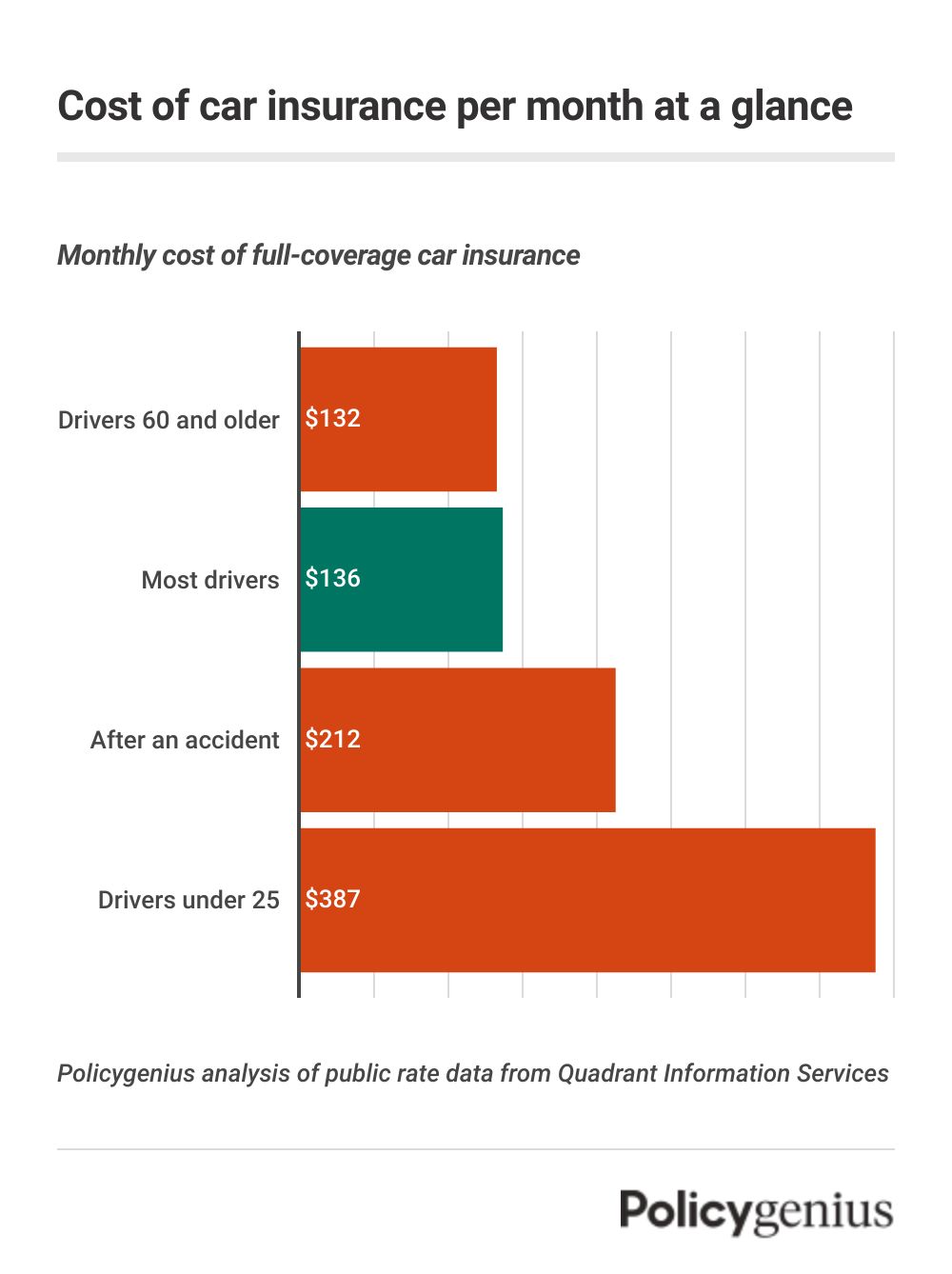
Understanding the Core Determinants of Auto Insurance Premiums
Insurance companies are in the business of assessing risk. When you apply for an auto insurance policy, they evaluate a multitude of factors to predict the likelihood of you filing a claim and the potential cost of that claim. The higher they perceive your risk, the higher your premium will likely be.
Your Driving Record and Experience
This is arguably the most influential factor. A clean driving record, free of accidents, speeding tickets, or other moving violations, signals to insurers that you are a responsible driver and a lower risk. Conversely, a history of claims or traffic infractions will almost certainly lead to higher premiums. The type and severity of violations also matter; a DUI, for instance, will have a far more significant and lasting impact than a minor parking ticket. Furthermore, your driving experience plays a role: newer, younger drivers statistically have a higher accident rate, resulting in elevated costs compared to seasoned drivers with years of incident-free driving. Some insurers also offer discounts for completing defensive driving courses, demonstrating a proactive approach to safety.
Vehicle Type and Usage
The car you drive significantly impacts your insurance rates. Factors considered include:
-
Make, Model, and Year: Luxury vehicles, sports cars, and certain high-performance models typically cost more to insure due to higher repair costs, greater likelihood of theft, and potentially more aggressive driving associated with them. Vehicles with advanced safety features, however, might qualify for discounts.
-
Vehicle Value: More expensive cars generally lead to higher comprehensive and collision coverage premiums because the cost to repair or replace them is greater.
-
Safety Ratings: Cars with strong safety ratings may qualify for lower rates as they are designed to protect occupants, potentially reducing medical claim payouts.
-
Usage: How you use your car also matters. Commuting daily over long distances in heavy traffic is perceived as riskier than using your car only for occasional errands. Business use, ridesharing, or delivery services almost always require specific, often more expensive, commercial auto insurance.
Demographics and Location
While some demographic factors are becoming less prominent due to regulatory changes in certain states, age, gender (in some regions), and marital status can still play a role. Young drivers, especially males under 25, traditionally face the highest rates due to their statistical propensity for accidents. Married individuals are often seen as more stable and less risky than single individuals.
Your geographic location is also a major factor. Urban areas with higher population density, increased traffic congestion, and higher rates of theft and vandalism typically have higher insurance premiums than rural areas. Even within the same city, premiums can vary significantly based on the specific zip code, reflecting local crime rates, accident statistics, and even weather patterns.
Credit Score (Where Applicable)
In many states (though not all), insurers use a “credit-based insurance score” to help predict the likelihood of you filing a claim. This score is distinct from a traditional credit score but is derived from information in your credit report. Statistical models suggest a correlation between a lower credit score and a higher likelihood of filing an insurance claim. Therefore, individuals with higher credit-based insurance scores often receive lower premiums. It’s important to note that maintaining a good credit score can impact various aspects of your personal finance, including your insurance costs.
Deconstructing Coverage Types and Their Impact on Cost
Understanding the different types of auto insurance coverage is crucial, as each contributes to your overall premium and offers varying levels of financial protection. Choosing the right mix means balancing risk tolerance with affordability.
Liability Coverage (Bodily Injury & Property Damage)
This is the most fundamental and often legally required coverage. It pays for damages you cause to other people and their property in an at-fault accident.
-
Bodily Injury Liability: Covers medical expenses, lost wages, and pain and suffering for others injured in an accident you cause.
-
Property Damage Liability: Covers damage to another person’s vehicle or property (e.g., fences, mailboxes) in an accident you cause.
The amount of liability coverage you choose directly impacts your premium. Opting for higher limits provides greater protection but costs more. While state minimums exist, they are often insufficient to cover serious accidents, potentially leaving you personally responsible for substantial out-of-pocket expenses.
Collision and Comprehensive Coverage
These coverages protect your own vehicle. They are typically optional if you own your car outright, but usually required by lenders if you have an auto loan or lease.
-
Collision Coverage: Pays for damage to your vehicle resulting from a collision with another car or object, regardless of who is at fault.
-
Comprehensive Coverage: Protects your vehicle from non-collision incidents such as theft, vandalism, fire, natural disasters (hail, floods), and hitting an animal.
These are often the most expensive components of a policy, especially for newer or more valuable vehicles.
Uninsured/Underinsured Motorist Coverage (UM/UIM)
Despite legal requirements, many drivers operate without sufficient insurance. This coverage protects you and your passengers if you are hit by a driver who has no insurance (uninsured) or not enough insurance (underinsured) to cover your damages. UM/UIM can cover medical expenses, lost wages, and in some cases, property damage. This is a highly recommended, yet often overlooked, layer of financial protection.
Additional Coverages and Deductibles
Many insurers offer a suite of optional coverages that can add convenience or further protection:
-
Medical Payments (MedPay) / Personal Injury Protection (PIP): These cover medical expenses for you and your passengers after an accident, regardless of fault. PIP can also cover lost wages and essential services.
-
Roadside Assistance: Covers services like towing, jump-starts, and tire changes.
-
Rental Car Reimbursement: Pays for a rental car while your vehicle is being repaired after a covered claim.
Deductibles: For collision and comprehensive coverage, you choose a deductible – the amount you pay out-of-pocket before your insurance kicks in. Common deductibles range from $250 to $1,000 or more. A higher deductible generally means a lower premium, as you’re taking on more of the initial financial risk. It’s a key financial decision: can you comfortably afford to pay the deductible if you have a claim?
Strategies to Lower Your Auto Insurance Costs
While many factors influencing your premium are tied to your personal risk profile, there are numerous proactive steps you can take to significantly reduce your auto insurance expenses.
Bundling Policies and Exploring Discounts
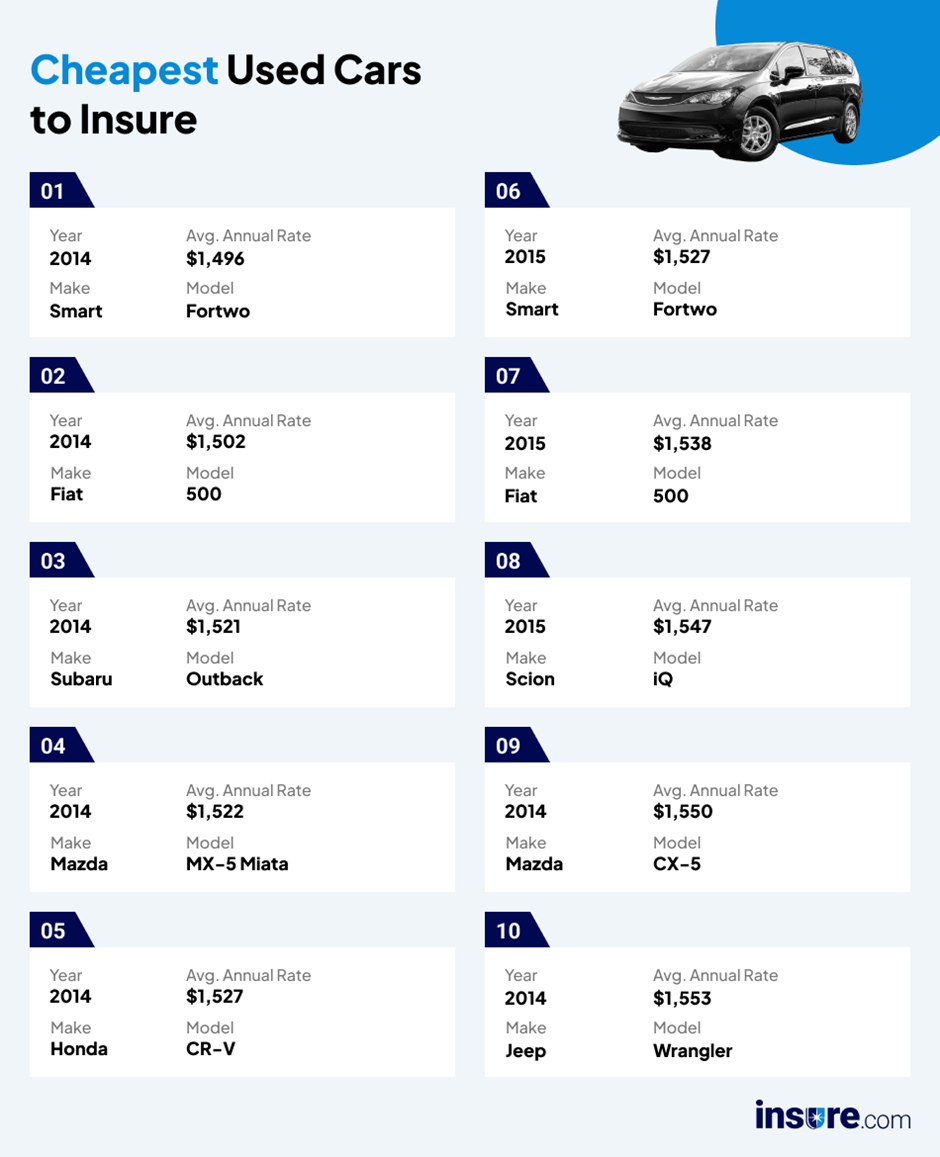
One of the most effective ways to save is by bundling your auto insurance with other policies, such as homeowners, renters, or life insurance, from the same provider. Insurers often offer substantial “multi-policy” discounts for this. Beyond bundling, inquire about a wide array of potential discounts:
-
Good Driver Discount: For maintaining a clean driving record for a certain period.
-
Multi-Car Discount: If you insure more than one vehicle with the same company.
-
Anti-Theft Device Discount: For cars equipped with alarms or tracking systems.
-
Good Student Discount: For high school or college students maintaining a certain GPA.
-
Telematics/Usage-Based Insurance: Programs that monitor your driving habits (speed, braking, mileage) via an app or device, offering discounts for safe driving.
-
Low Mileage Discount: If you drive fewer miles than average annually.
-
Defensive Driving Course Discount: For completing an approved safety course.
-
Professional/Association Discounts: Some employers or professional organizations have partnerships with insurers.
Always ask your agent or insurer about all available discounts; you might be surprised by how many you qualify for.
Shopping Around and Comparing Quotes
This is perhaps the single most impactful strategy. Insurance premiums can vary wildly between different companies for the exact same coverage. Each insurer has its own proprietary algorithm for assessing risk and setting rates. What one company considers a high-risk factor, another might weigh less heavily. It’s recommended to compare quotes from at least three to five different providers annually, or whenever a significant life event occurs (e.g., buying a new car, getting married, moving). Utilize online comparison tools, independent insurance agents (who can quote multiple companies), or contact insurers directly.
Reviewing Your Policy Annually
Don’t just set it and forget it. Your insurance needs and circumstances change over time, and your policy should reflect that.
-
Adjust Coverage Wisely: As your car ages, its value depreciates. You might consider dropping collision and comprehensive coverage on older vehicles if the premium cost outweighs the potential payout for damage. Re-evaluate your liability limits based on your current assets.
-
Update Information: If you’ve moved, changed jobs (affecting your commute), or added new safety features to your car, inform your insurer. These updates could lead to lower rates.
-
Deductible Management: If your financial situation improves, consider increasing your deductibles to lower your premiums, provided you have a sufficient emergency fund to cover the higher out-of-pocket expense in case of a claim.
Improving Your Credit Score
As mentioned, your credit-based insurance score can affect your premiums in many states. Paying bills on time, keeping credit utilization low, and generally managing your credit responsibly can improve this score over time, potentially leading to lower insurance rates.
The Impact of External Factors and Market Trends
Beyond individual factors and choices, the broader economic and market environment can also influence auto insurance costs. These external factors are largely beyond your direct control but are important to acknowledge.
Inflation and Repair Costs
When the cost of parts, labor, and technology for vehicle repairs increases due to inflation, insurance companies face higher payouts for claims. This directly translates into higher premiums across the board to maintain profitability. Supply chain issues, which have been prevalent in recent years, also drive up the cost and availability of parts, further impacting repair expenses.
Frequency and Severity of Claims
If a region experiences an uptick in accidents, severe weather events (like hail storms or floods), or vehicle thefts, insurers in that area will see an increase in claims frequency and/or severity. To offset these increased payouts, they will often raise rates for all policyholders in the affected geographical areas.
Regulatory Changes
State insurance departments regulate the insurance industry, including approving rate increases. Changes in state laws regarding minimum coverage requirements, consumer protections, or even new mandates can impact how insurers price their policies.
Technology’s Role in Pricing
Advancements in vehicle technology, such as Advanced Driver-Assistance Systems (ADAS), can reduce the likelihood of accidents, potentially lowering premiums. However, when these complex systems are damaged, they are significantly more expensive to repair or recalibrate, which can drive up comprehensive and collision costs. Telematics, mentioned earlier, is a direct technological application allowing insurers to gather real-time driving data to personalize pricing more accurately.
Navigating the Quote Process and Making an Informed Decision
Getting an accurate quote requires providing specific information. Knowing what to expect and how to evaluate offers will empower you to select the best policy.
What Information You’ll Need
Be prepared to provide details on:
-
Personal Information: Your name, address, date of birth, driver’s license number, marital status.
-
Vehicle Information: Make, model, year, VIN (Vehicle Identification Number), mileage, safety features.
-
Driving History: Any accidents, tickets, or claims in the past 3-5 years.
-
Coverage Preferences: The types and limits of coverage you desire, and your preferred deductible amounts.
-
Other Drivers: Information for anyone else who will be driving your car regularly.
Accuracy is paramount; providing false information can lead to policy cancellation or denial of claims.
Understanding Different Quoting Methods
You can obtain quotes in several ways:
-
Online Quoting Tools: Many major insurers offer instant online quotes. Comparison websites can also generate multiple quotes from different providers simultaneously.
-
Independent Insurance Agents: These agents work with several different insurance companies and can help you compare policies and find the best fit for your needs and budget. They often provide personalized advice.
-
Captive Agents: These agents work exclusively for one insurance company (e.g., State Farm, Allstate) and can only offer that company’s products.

Beyond Price: Evaluating Insurer Reputation and Customer Service
While cost is a primary concern, it shouldn’t be the only factor. A cheap policy is of little value if the insurer is unresponsive or difficult to deal with when you need to file a claim. Consider:
-
Financial Stability: Check ratings from agencies like A.M. Best to ensure the company has the financial strength to pay claims.
-
Customer Service Reputation: Read reviews from other policyholders. How do they handle claims? Is their communication clear and timely?
-
Claim Process: Understand how easy or difficult it is to file a claim and what their typical resolution times are.
In conclusion, the question “How much would my auto insurance be?” has no single answer, but rather a spectrum of possibilities determined by a sophisticated blend of personal data, vehicle specifics, chosen coverage, and external market dynamics. By actively understanding these factors, optimizing your policy choices, leveraging available discounts, and regularly comparing options, you can effectively manage your auto insurance costs and secure the financial protection you need without overpaying. Auto insurance is a critical financial tool; treat it as such, and you’ll drive with greater peace of mind and a healthier wallet.
aViewFromTheCave is a participant in the Amazon Services LLC Associates Program, an affiliate advertising program designed to provide a means for sites to earn advertising fees by advertising and linking to Amazon.com. Amazon, the Amazon logo, AmazonSupply, and the AmazonSupply logo are trademarks of Amazon.com, Inc. or its affiliates. As an Amazon Associate we earn affiliate commissions from qualifying purchases.