
Car insurance is an unavoidable necessity for vehicle owners, a financial safety net designed to protect you from the potentially devastating costs of accidents, theft, or other unforeseen events. However, for many, the monthly or annual premium can feel like a significant financial burden, often prompting the fundamental question: “Who has the cheapest car insurance rates?”
The answer, frustratingly, isn’t a simple name or company. There isn’t a single insurer that is universally the cheapest for every driver. Car insurance rates are highly personalized, a complex calculation influenced by a myriad of individual factors that vary wildly from person to person, vehicle to vehicle, and even location to location. This article delves deep into the intricate world of car insurance pricing, equipping you with the knowledge and strategies to navigate this landscape and confidently secure the most affordable coverage tailored to your specific needs. Understanding the dynamics at play is the first crucial step towards unlocking significant savings on your car insurance premiums.
Understanding the Dynamics of Car Insurance Pricing
Before embarking on a quest for the lowest rates, it’s essential to grasp the fundamental elements that insurance companies consider when determining your premium. These factors contribute to your risk profile, which directly translates into the cost of your policy.
Factors Influencing Your Premium
Insurance companies are masters of risk assessment. They use vast amounts of data and sophisticated algorithms to predict the likelihood of you filing a claim and the potential cost of that claim. Here are the primary factors they evaluate:
-
Driver Profile: This is perhaps the most influential category.
-
Age and Experience: Younger, less experienced drivers (especially those under 25) typically pay significantly more due to higher accident rates. Rates often decrease as drivers gain experience and reach middle age, before potentially rising again for very elderly drivers.
-
Driving Record: A clean driving record with no accidents or traffic violations is your best friend for low rates. Speeding tickets, DUIs, and at-fault accidents will dramatically increase your premiums for several years.
-
Marital Status: Married individuals often receive lower rates, as statistics suggest they are less likely to file claims.
-
Gender: While the impact of gender on rates has diminished due to legal challenges in some regions, it can still play a minor role in others.
-
-
Vehicle Type: The car you drive significantly impacts your insurance cost.
-
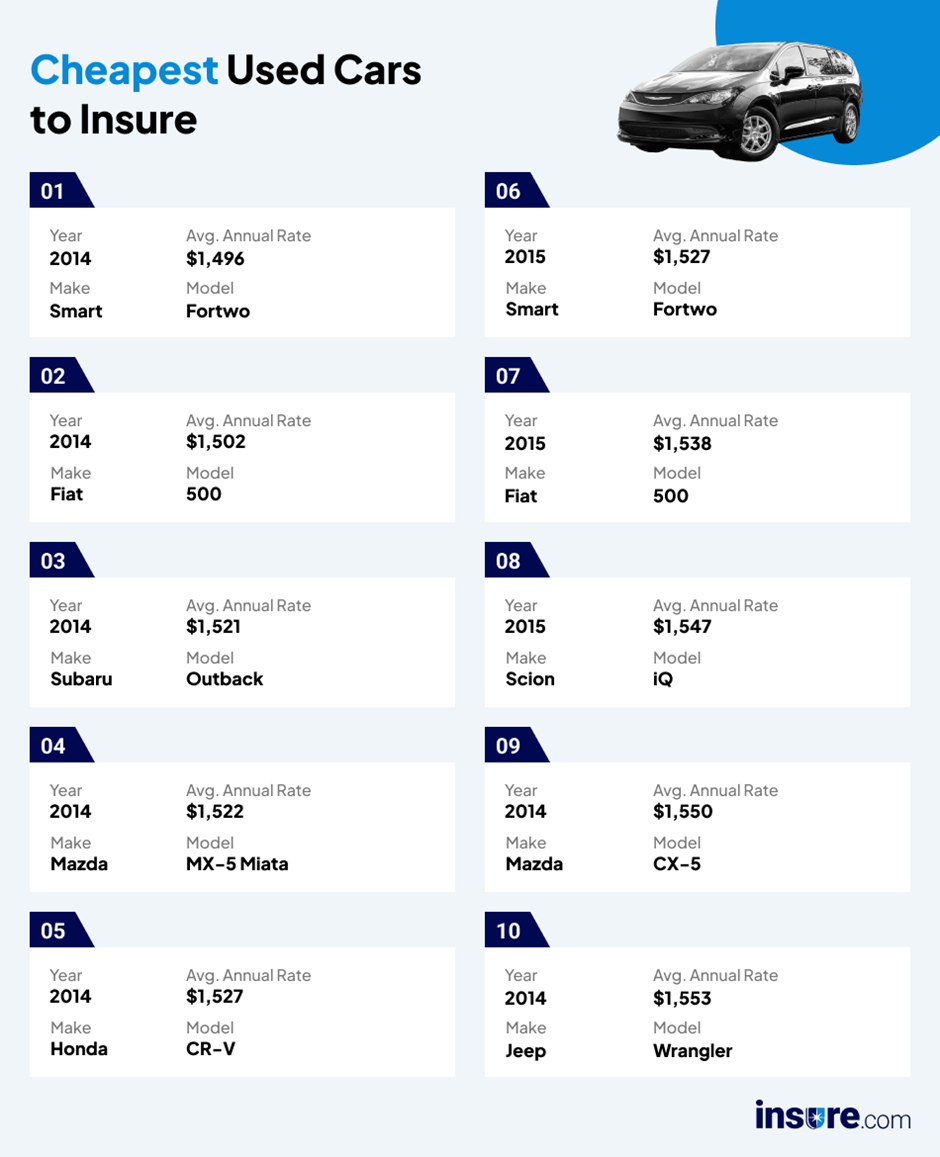
Make, Model, and Year: Luxury, high-performance, or sports cars generally cost more to insure due to higher repair costs and greater appeal to thieves. Common, safe, and easily repairable vehicles often have lower premiums.
-
Safety Features: Cars equipped with advanced safety features (e.g., automatic emergency braking, lane-keeping assist, anti-lock brakes, airbags) may qualify for discounts.
-
Theft Rate: Vehicles commonly targeted by thieves will likely incur higher comprehensive coverage costs.
-
-
Location: Where you live and park your car has a substantial effect.
-
Zip Code: Urban areas with higher traffic density, crime rates, and greater incidence of accidents usually have higher premiums than rural or suburban areas.
-
Local Repair Costs: The cost of labor and parts in your geographic area can also factor into comprehensive and collision coverage.
-
-
Coverage Type and Limits: Your choices here directly dictate the policy’s cost.
-
Liability Coverage: Required by law, this covers damages you cause to other people and their property. Higher limits offer more protection but increase premiums.
-
Collision Coverage: Pays for damage to your own car in an accident, regardless of fault.
-
Comprehensive Coverage: Covers non-collision incidents like theft, vandalism, fire, or natural disasters.
-
Personal Injury Protection (PIP) / Medical Payments (MedPay): Covers medical expenses for you and your passengers.
-
Uninsured/Underinsured Motorist (UM/UIM): Protects you if you’re hit by a driver without sufficient insurance.
-
The more extensive your coverage and the higher your limits, the higher your premium will be.
-
-
Credit Score: In many states, your credit-based insurance score (which is similar to, but not identical to, your FICO score) is a significant factor. Studies have shown a correlation between higher credit scores and a lower likelihood of filing claims, leading to lower premiums for those with excellent credit. (Note: Some states, like California, Hawaii, Massachusetts, and Michigan, prohibit the use of credit scores in setting insurance rates.)
-
Annual Mileage: The more you drive, the higher your risk of being in an accident, hence potentially higher rates. Low-mileage drivers may qualify for discounts.
The Myth of a Single “Cheapest” Provider
Given the multitude of variables outlined above, it becomes clear why there isn’t a single insurer that holds the crown for “cheapest car insurance.” An insurer that offers the lowest rates to a 25-year-old married driver with a clean record, good credit, and a sedan in a suburban area might be prohibitively expensive for a 19-year-old single driver with a sports car and a recent speeding ticket in an urban center. The “cheapest” provider is entirely subjective and depends on your unique risk profile. This understanding is crucial because it informs the most effective strategy for finding your personal best rate: relentless comparison shopping.
Strategies to Secure the Lowest Car Insurance Rates
While you can’t change your age or your driving history overnight, there are numerous proactive steps you can take to significantly reduce your car insurance premiums. These strategies focus on leveraging discounts, optimizing coverage, and diligently comparing options.
Shop Around Aggressively
This is by far the most impactful strategy. Never settle for the first quote you receive or automatically renew with your current provider without checking alternatives.
-
Get Multiple Quotes:
-
Online Comparison Tools: Websites like Policygenius, The Zebra, NerdWallet, or CoverHound allow you to enter your information once and receive quotes from numerous insurers simultaneously. This streamlines the comparison process immensely.
-
Direct Insurers: Visit the websites of major carriers like Geico, Progressive, State Farm, Allstate, and smaller regional players to get direct quotes.
-
Independent Insurance Agents: These agents work with multiple insurance companies and can shop around on your behalf, often finding competitive rates and advising on coverage. They can be invaluable for complex situations or if you prefer personalized guidance.
-
-
Regularly Compare: Make it a habit to compare quotes at least once a year, or whenever major life changes occur (e.g., getting married, moving, buying a new car, improving your credit score). Insurers frequently adjust their pricing models, and new competitors emerge, meaning your current “best” rate might not be the best anymore.
Maximize Discounts
Insurance companies offer a wide array of discounts, and stacking them can lead to substantial savings. Always ask your agent or check the insurer’s website for all available discounts.
-
Multi-Policy / Bundling Discounts: One of the most common and significant discounts. Insuring your car and home (or renters, life, motorcycle, etc.) with the same company can often reduce premiums by 5-25% on both policies.
-
Good Driver / Accident-Free Discounts: Reward drivers with clean records over a specified period (e.g., 3-5 years).
-
Good Student Discounts: For young drivers (typically under 25) who maintain a certain GPA, reflecting a perceived lower risk.
-
Low Mileage Discounts: If you don’t drive much (e.g., work from home, use public transport), you may qualify.
-
Vehicle Safety Features Discounts: For cars equipped with features like anti-lock brakes, airbags, anti-theft devices, daytime running lights, or advanced driver-assistance systems (ADAS).
-
Telematics / Usage-Based Insurance (UBI): Programs like Progressive Snapshot, Geico DriveEasy, or State Farm Drive Safe & Save use a mobile app or device to track your driving habits (speeding, braking, mileage, time of day). Safe drivers can earn significant discounts, sometimes up to 30%.
-
Loyalty Discounts: Some insurers reward long-term customers, though this shouldn’t deter you from shopping around.
-
Payment Method Discounts: Paying your premium in full upfront, enrolling in automatic payments, or choosing paperless billing can often yield small discounts.
-
Occupational / Affiliation Discounts: Certain professions (e.g., teachers, military personnel, first responders) or membership in specific organizations (e.g., AAA, alumni associations) may qualify for special rates.
Optimize Your Coverage
While it’s crucial to have adequate coverage, you can adjust certain aspects to lower your premium without exposing yourself to undue risk.
-
Adjust Deductibles: Your deductible is the amount you pay out-of-pocket before your insurance kicks in for a claim (for collision and comprehensive). Choosing a higher deductible (e.g., $1,000 instead of $500) will lower your premium, but ensure you have enough in savings to cover that deductible if you need to file a claim.
-
Review Comprehensive and Collision for Older Cars: For very old vehicles, the cost of comprehensive and collision coverage might outweigh the car’s actual cash value. If your car is only worth a few thousand dollars, consider dropping these coverages to save money, understanding that you’d be responsible for repair or replacement costs in an accident.
-
Understand State Minimums vs. Recommended Coverage: While state minimums meet legal requirements, they often provide insufficient protection in a serious accident. It’s generally advisable to carry higher liability limits than the minimum. However, ensure you’re not over-insuring beyond what’s financially prudent for your assets. An independent agent can help you strike this balance.
Top Contenders for Competitive Car Insurance Rates (General Overview)
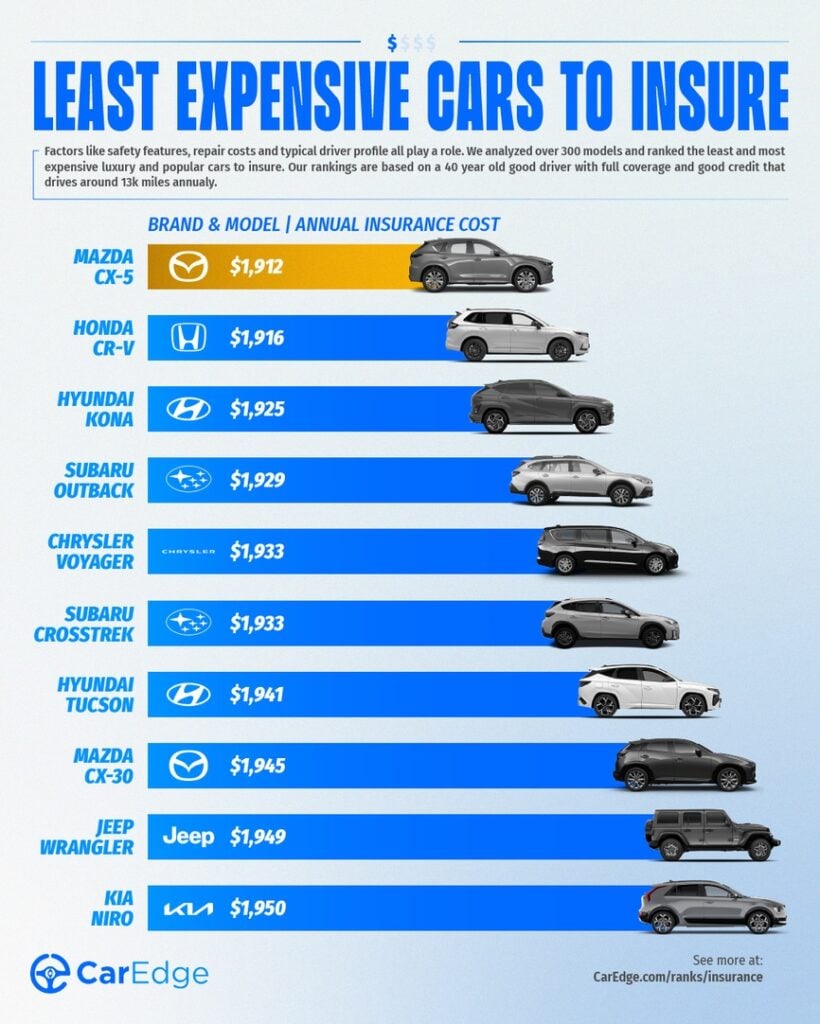
While the “cheapest” insurer is personal, certain companies consistently rank high for competitive pricing and a good blend of affordability and service. These often include a mix of direct-to-consumer models and traditional insurers.
Direct-to-Consumer Insurers
These companies often leverage technology and streamlined operations to offer competitive rates by reducing overheads associated with a vast agent network.
-
Geico: Renowned for competitive pricing and extensive online tools. They often appeal to drivers with clean records and those comfortable managing their policies digitally.
-
Progressive: Known for offering competitive rates to a wide range of drivers, including those who might be considered higher risk. Their “Snapshot” program (telematics) can offer significant discounts for safe drivers.
-
Root Insurance: A mobile-first insurer that heavily relies on telematics data collected from your smartphone to determine rates, potentially offering substantial savings for good drivers who embrace this technology.
Traditional Insurers and Brokerage Models
Larger, more established insurers also remain major players, often offering a broader range of products and localized support, while independent agents can be crucial in finding the best fit.
-
State Farm, Allstate, Farmers: These are giants in the industry, offering a comprehensive suite of insurance products. While not always the absolute cheapest, they are often competitive, especially when bundling policies, and provide robust customer service and extensive agent networks for personalized advice.
-
USAA: Exclusively for military members, veterans, and their families, USAA consistently receives top ratings for customer satisfaction and offers highly competitive rates.
-
Smaller, Regional Insurers: Don’t overlook local or regional insurance companies. They can sometimes offer highly tailored and very competitive rates, especially if they specialize in your specific area or driver demographic.
-
Utilizing Independent Agents and Online Comparison Tools:
-
Independent Agents: As mentioned, these professionals can be incredibly valuable. They have access to multiple carriers, understand local market nuances, and can help you compare policies side-by-side, potentially finding discounts you didn’t even know existed.
-
Online Aggregators: Platforms like Policygenius, The Zebra, and NerdWallet act as digital brokers, providing instant quotes from dozens of providers, making the initial comparison process quick and efficient.
-
Beyond the Price Tag: What Else Matters?
While finding the cheapest rate is a primary goal, it’s a critical mistake to choose an insurer solely based on price. A low premium is worthless if the company fails to deliver when you need them most – at the time of a claim.
Financial Strength and Customer Service
-
Financial Strength Ratings: Check ratings from independent agencies like AM Best, S&P, or Moody’s. An “A” rating or higher indicates a strong financial standing, meaning the company is likely to be able to pay out claims, even during widespread disasters.
-
Customer Reviews and Complaint Ratios: Look at customer satisfaction surveys from J.D. Power, Consumer Reports, and the National Association of Insurance Commissioners (NAIC) complaint index. These provide insights into how responsive and fair an insurer is during the claims process. A company might have cheap rates but a terrible reputation for handling claims.
-
Claims Process Efficiency: Research how easy and efficient an insurer’s claims process is. A smooth, transparent, and timely claims experience is paramount when you’ve been in an accident or experienced a loss.
Understanding Your Policy Details
Always read the fine print. Don’t just look at the premium amount.
-
Exclusions and Limitations: Be aware of what your policy doesn’t cover. Some cheap policies might have significant exclusions that could leave you exposed.
-
Add-ons and Riders: Understand any optional coverages you’ve selected (e.g., roadside assistance, rental car reimbursement, gap insurance). Ensure they align with your needs and aren’t simply adding unnecessary costs.
Future Trends in Car Insurance Pricing
The car insurance landscape is continuously evolving, driven by technological advancements and shifting economic factors.
The Rise of Telematics and AI
Usage-Based Insurance (UBI) will become even more prevalent. AI and machine learning will refine risk assessment, allowing for hyper-personalized rates based on real-time driving data, potentially rewarding consistently safe drivers with even lower premiums.
Impact of Autonomous Vehicles
While still nascent, the long-term impact of autonomous vehicles is profound. As cars become more self-driving, accident rates may decrease, leading to potential shifts in how insurance is priced and who bears liability. This could fundamentally alter the industry over the coming decades.
Inflation and Economic Factors
Ongoing inflation affects the cost of vehicle repairs (parts and labor) and replacement vehicles, which in turn influences insurance premiums. Economic cycles and interest rates also play a role in insurers’ investment returns and pricing strategies.
Conclusion
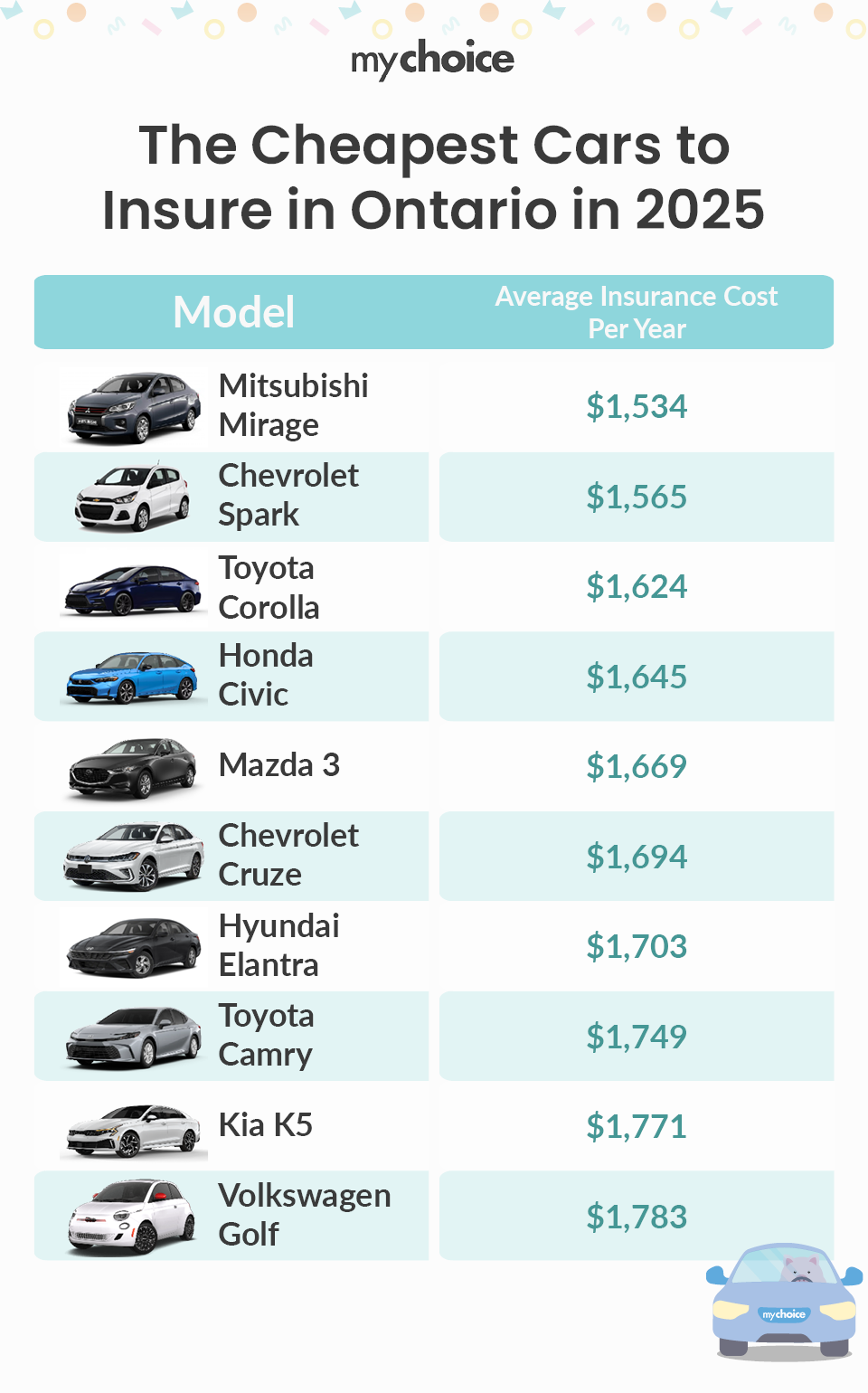
Finding the cheapest car insurance rates is not a one-time search but an ongoing process of informed decision-making. There is no single “cheapest” provider, but rather a combination of factors that, when understood and leveraged, can lead to significant savings for your unique situation.
By understanding the key drivers of insurance costs, actively shopping around for quotes from various providers, diligently applying for every applicable discount, and optimizing your coverage to balance protection and affordability, you empower yourself to take control of your financial outlay. Remember to look beyond just the price tag; a financially strong insurer with a reputation for excellent customer service and a fair claims process is invaluable. Regularly review your policy and proactively seek better rates, and you can ensure you’re always getting the best possible value for your essential car insurance coverage.
aViewFromTheCave is a participant in the Amazon Services LLC Associates Program, an affiliate advertising program designed to provide a means for sites to earn advertising fees by advertising and linking to Amazon.com. Amazon, the Amazon logo, AmazonSupply, and the AmazonSupply logo are trademarks of Amazon.com, Inc. or its affiliates. As an Amazon Associate we earn affiliate commissions from qualifying purchases.